Hanoi · Food
Hanoi Food Guide: Where to Eat Real Street Food & Local Restaurants
By Wander in Vietnam editorial team · Hanoi, Vietnam
Hanoi's food culture runs on repetition and simplicity. A vendor perfects one dish—pho, bun cha, banh mi—and sells it from the same corner for thirty years. Tourists often skip these spots because they lack English signs or app reviews. That's exactly why they're worth eating at.
We've eaten our way through Hanoi's street stalls, wet markets, and neighbourhood dining rooms. Here's how to navigate the city's food scene honestly: what's genuinely excellent, what's overrated, and where your money actually goes.
Where do most tourists eat—and why it's worth skipping?
Tourist-heavy restaurants cluster near the Old Quarter's Nguyen Hue area, Hoan Kiem Lake, and along Ta Hien Street. Menus feature English translations, staff wear uniforms, and a pho costs around $4–6 USD—double the local price. These places aren't bad; they're just marked up for foot traffic. Quality and portion size drop noticeably. You're paying for location and comfort, not flavour. Skip them on your first few days; eat there only when you're tired or on a tight schedule.
What does a real Hanoian breakfast actually look like?
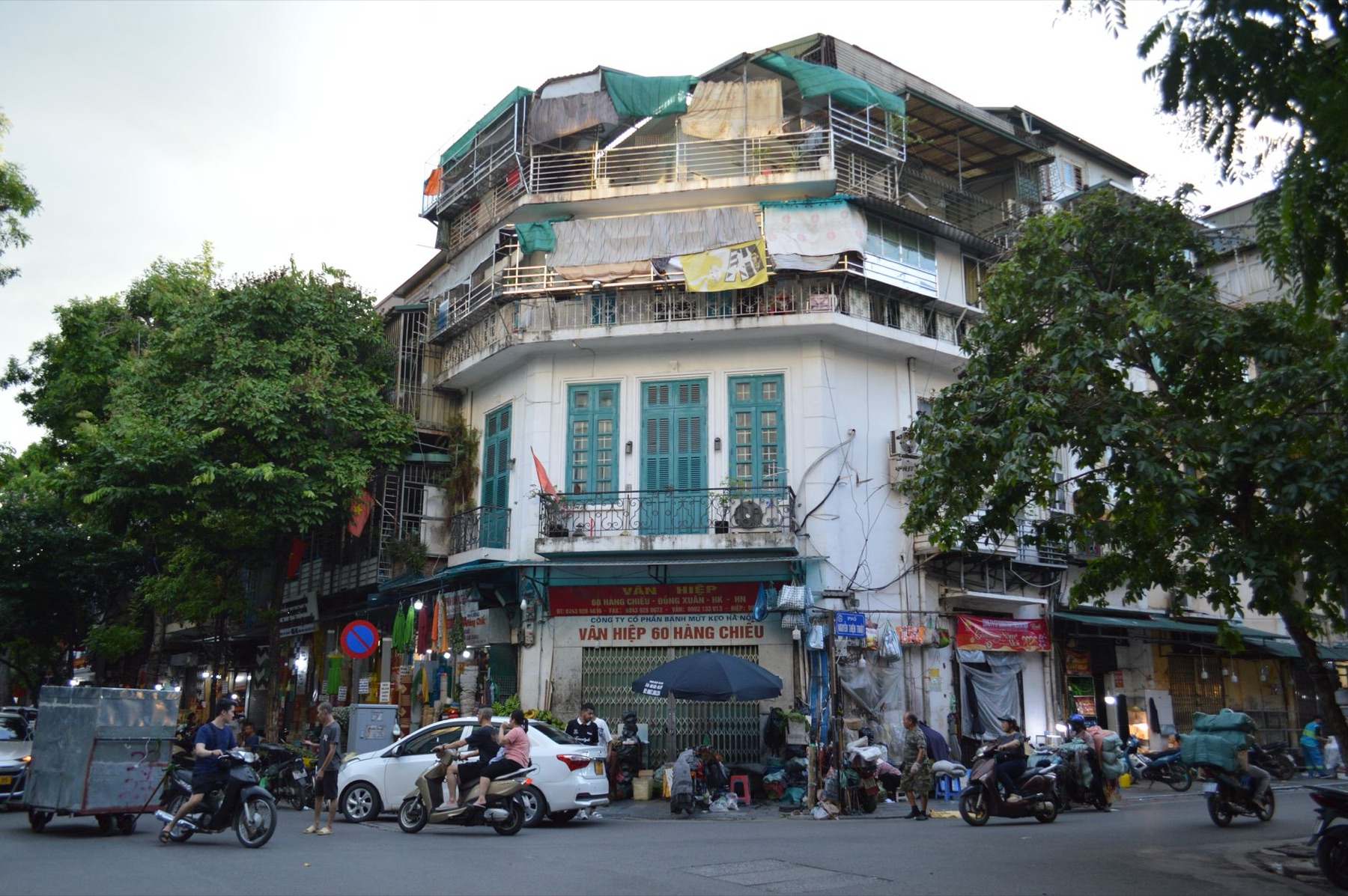
Breakfast in Hanoi happens before 8 a.m. at neighbourhood stalls. A typical plate: pho (noodle soup), banh mi (baguette sandwich), or com tam (broken-rice plate) with grilled meat, fried egg, and fresh herbs. Cost: around $1–2 USD per meal. Vendors set up on street corners, fold-out plastic stools, a dip basin for pho bowls. No menu boards. You point at what's cooking or just sit and they serve what they made that morning. Most close by 10 a.m. Arrive hungry and early. Bring small notes—vendors rarely have large change.
Which markets give the best snapshot of what Hanoians actually eat?
Dong Xuan Market (Old Quarter, Ben Thanh–Hang Dao area) opens at dawn. Ground floor: produce, meat, fish. Upper floors: household goods and cheap clothing. Eat at the small food stalls inside—banh cuon (rolled rice cakes), corn soup, fresh sugar cane juice. Around $1 USD per item. Go before 9 a.m.; it's heaving with locals and crushingly hot by mid-morning.
Hang Be Market (near Long Bien Bridge, north Old Quarter) is less tourist-trafficked and messier—that's a good sign. Fish tanks, live shrimp, hanging meat. Pick up lunch ingredients or eat at one of the five or six noodle vendors tucked into the corners. A bowl of bun oc (snail noodle soup) costs around $1.50 USD.
Cho Moi Market (northwest, near Giang Vo Lake, Ba Dinh District) draws fewer foreigners. Vegetables, herbs, spices, dried goods. The back section has a small food court with Com Tam (broken rice with grilled meat) and banh mi vendors. Real neighbourhood place—comfortable to wander, no pressure to buy.
| Market | Location | Best for | Cost | Busy when | Skip if |
|---|---|---|---|---|---|
| Dong Xuan | Old Quarter | Pho, banh cuon, tourist accessibility | $1–2 USD | 6–9 a.m. | You want quiet; go late morning only |
| Hang Be | North Old Quarter | Snail noodles, local vibe, fewer westerners | $1–2 USD | 6–8 a.m. | You're uncomfortable in crowded spaces |
| Cho Moi | Ba Dinh | Herbs, com tam, least touristy | $1–1.50 USD | 6–10 a.m. | You want English-speakers nearby |
What's the difference between a tourist pho and a local one—and why does it matter?
Pho broth simmers for 12–24 hours. A local vendor buys beef bones daily, builds stock overnight, and opens at 6 a.m. with a pot that's been running since 4 a.m. Meat is sliced thin, rice noodles are fresh. A bowl: around $1–1.50 USD. Tourist-area pho comes from a restaurant that buys pre-made broth, reheats it, and serves quickly. Flavour is flat; noodles are sometimes mushy. Price: $4–6 USD.
The best pho stalls in Hanoi sit in narrow alleys of the Old Quarter, Dong Da District, and along Tran Hung Dao. Look for a single plastic table outside a shuttered storefront with a big metal pot visible inside. No signage. No menu. Ask a local or just sit—they'll bring pho and a plate of herbs (mint, basil, sprouts). Settle up cash only. These places have no seats for more than 8 people.
Pho Thin area (various locations, no central branch, not a chain—locals call different stalls by the vendor's name) is legendary. East of Hoan Kiem, lanes off Tran Hung Dao have at least three vendors claiming the "real" pho thin (pho with extra-thin noodles). Go between 6:30–7:30 a.m. After 8 a.m., pots are low and quality dips.
Which neighbourhoods should you actually spend time eating in?
Old Quarter (Hoan Kiem District): Clustered chaos. Beer Hoa (bia hơi) stalls open 4–10 p.m. around Ta Hien and Ma May—plastic chairs, cold draught beer around $0.50 USD per glass, grilled meat skewers from street vendors. Touristy but lively. Breakfast stalls dominate 6–8 a.m. on Hang Manh, Hang Gai, Hang Dao. Skip after 10 a.m.
Tay Ho (West Lake): Quieter, more mixed locals and expats. Bun cha vendors set up evening along Quang Trung and around Tran Quoc Temple. Banh mi stalls open early near residential blocks. Egg coffee shops (ca phe trung) dot the lakeside streets—around $1.50 USD for a bowl of egg yolk and espresso. Walk the perimeter at dusk; dozens of stalls appear between 5–7 p.m.
Dong Da District: Genuine neighbourhood feel. Few westerners. Com tam vendors, pho stalls, banh mi shops on Yen Phu, Tran Duy Hang, and Thuy Khue. Prices are 30% cheaper than Old Quarter. Take a taxi or bus (T2 line covers much of it). Eat where you see a queue of office workers and construction crews.
Ba Dinh District: Government quarter, wide avenues. Pho vendors on Tran Hung Dao, banh cuon stalls on Kim Ma. Less atmospheric but reliable and quiet. Cho Moi market food court is here. Good for a meal without the circus.
Recommendation: Spend your first breakfast in Old Quarter to get oriented. Lunch in a market. Dinner in Tay Ho or Dong Da for speed and authenticity. Save fancy restaurants for evening occasions or rest days.
🗺️ Plan your route: Vietnam itinerary
What are the common scams and safety issues when eating street food?
Overcharging: Vendors quote inflated prices to foreigners. Agree on price before sitting. A pho should be $1–1.50 USD; if they say $5, walk. Many stalls have a price board in Vietnamese only—ask another customer or show them your phone's translation app.
Tap water: Never drink it. Bottled water is around $0.30 USD per 500 ml bottle everywhere. Street stalls use tap water to rinse bowls and cut ice—choose stalls with sealed bottled water or soft drinks only if you have a weak stomach.
Spoiled meat: Rare but possible in peak summer (May–August). Avoid street meat stalls between noon–2 p.m. when heat spoils inventory. Morning and evening vendors are safer. Trust your nose; if meat smells off, leave.
Harassment or theft: Eat where locals eat. Avoid deserted alleys or dark corners after 9 p.m. Keep a tight grip on your phone and bag. Hanoi's street food scene is generally safe, but pickpockets work crowded markets early morning. Leave valuables at your accommodation.
Digestive upset: Your stomach needs adjustment. Eat small amounts of new foods. Drink plenty of water. Bring oral rehydration salts. If you get sick, a local pharmacy (nha thuoc) can recommend safe medication; antibiotics over-the-counter cost around $2–5 USD.
📸 Book an ao dai photoshoot in Hanoi or Saigon (Cáo Studio)
What should you actually eat—and what's just Instagram hype?
Unmissable (genuinely excellent):
- Banh mi: Crusty baguette, pâté, cold cuts, fresh herbs, pickled vegetables. Around $1–1.50 USD. Lunch vendors on Hang Gai and Nguyen Huu Huan.
- Bun cha: Grilled pork patties, rice noodles, dipping sauce, fresh herbs. Around $2 USD. Dong Da District or Tay Ho lakeside.
- Pho: Early morning, north of Hoan Kiem Lake, off main streets. Around $1–1.50 USD.
- Banh cuon: Steamed rice rolls, minced pork, mushroom. Around $1 USD. Hang Be Market or Dong Xuan.
- Com tam: Broken rice with grilled chicken/pork, fried egg, cucumber, tomato. Around $1.50 USD. Lunch hours, all districts.
- Egg coffee (ca phe trung): Tay Ho specialty. Espresso topped with whipped egg yolk and condensed milk. Around $1.50–2 USD. Afternoon, lakeside.
Overrated tourist picks:
- Bia hoi tours: Marketed as "authentic," but ta Hien Street bia hoi is now 70% tourists. Quality beer (cold, fresh) is cheaper at 7-Eleven. Go for the scene, not the drink.
- "Hanoi-style" tours: Many vendors on curated "food tours" charge $15–25 USD per person for meals that cost $3–5 locally. You're paying for a guide and company, not better food.
- Specialty pho restaurants: Upscale pho spots near Hoan Kiem charge $6–10 USD for bowls identical to $1.50 USD street versions. Broth quality is the same; ambiance is different.
What's the honest cost breakdown for a day of eating in Hanoi?
Breakfast (pho or banh mi): $1–1.50 USD Mid-morning snack (juice or coffee): $0.50–1 USD Lunch (com tam, banh mi, or market meal): $1.50–2.50 USD Afternoon coffee or drink: $0.50–1 USD Dinner (bun cha, pho, or restaurant meal): $2–4 USD
Daily realistic total: $5.50–9.50 USD per person on street food.
If you eat one restaurant meal per day: add $8–15 USD.
Alcohol (bia hoi or beer): $0.50–1 USD per glass.
Compare this to other Southeast Asian cities: Bangkok, Phuket, and Chiang Mai have similar street prices but less volume and variety. Ho Chi Minh City's street food is slightly pricier ($1.50–3 USD for mains) and less concentrated in one area. Hanoi remains Southeast Asia's cheapest, most walkable food city.
🎟️ Compare tours & tickets for this place
Before you go: What to check and what to pack
Download offline maps: Google Maps works but often misdirects in Hanoi's alleys. Download Maps.me or a local Hanoi map PDF. Streets shift names between districts; locals use landmarks, not addresses.
Bring cash: Most street vendors and small markets don't accept cards. ATMs are everywhere (Agribank, Techcombank)—withdraw 2–5 million VND ($80–200 USD) once. Exchange rates at ATMs are better than money changers.
Charged phone: Battery drain is real with maps, translation apps, and photos. Carry a portable charger. SIM cards with data (around $5–10 USD for 7 days) are sold at airports and convenience stores. See our eSIM for Vietnam guide for contactless options.
Learn basic phrases: "Bao nhieu tien?" (How much?), "Cai nay?" (This one?), "Ngon lam" (Delicious). It costs nothing and opens doors. Vendors visibly relax around tourists making an effort.
Stomach preparation: Consider probiotics a week before traveling. Keep hydration salts and over-the-counter antibiotic medication (ask your pharmacy). Most upset stomachs resolve in 1–2 days without treatment—just hydrate.
Check our Hanoi guide for accommodation, transport, and navigation tips to pair with your food itinerary.
More Vietnam regions to explore
If you're planning a longer trip, branch out from Hanoi:
- Ho Chi Minh City guide: Southern food (banh mi variations, pho regional styles, morning markets)
- Hoi An guide: Central specialties (cao lau, banh hoai, white rose dumplings)
- Ha Long Bay guide: Seafood-centric dining, limestone karst atmosphere
- Ninh Binh guide: Rural farm-to-table, goat meat specialties, river views
- Sapa guide: Highland markets, ethnic minority food, corn and bamboo shoots
Bring home a memory
If you're taking photos of your meals or want to commemorate your trip professionally, book an ao dai photoshoot in Hanoi (Cáo Studio)—makeup and styling included for market and street settings.
Or send flowers to a friend back home: Hanoi flower delivery (Hoa Lang Thang) offers same-day arrangements for around $15–30 USD.
---
What to check before you arrive
- Visa: Most visitors need a visa. Use our Vietnam e-visa guide for 90-day tourist processing.
- Allergies & dietary needs: Tell vendors directly. "Khong cay" (not spicy), "vegetarian" is recognized in tourist areas but less understood in markets. Show a translation card.
- Stomach sensitivity: If you're prone to travel diarrhoea, eat only at busy stalls with high turnover. Avoid salads and unpeeled fruits your first week.
- Seasonal timing: March–April and September–October are ideal (mild weather, dry). May–August is hot, humid, and food spoils faster.
---
FAQ
Is street food in Hanoi actually safe to eat?
Yes, for most travellers. The risk is low if you eat where locals eat, choose busy stalls (high turnover = fresh food), and avoid raw salads and tap water. Digestive upset happens to many visitors but resolves in 1–2 days. Bring hydration salts and antibiotics from home as backup.
How much money should I budget daily for food in Hanoi?
Street food costs $1–2 USD per meal. A full day of eating (breakfast, snacks, lunch, dinner) on street stalls runs $5–9 USD per person. Add $10–15 USD if you eat one restaurant meal. Budget $50–70 USD per person for a week of mixed eating.
What's the difference between pho bo and pho ga, and which should I try first?
Pho bo (beef) has a richer, meatier broth; pho ga (chicken) is lighter and often more delicate. Both are excellent. Start with beef at a crowded morning stall; it's the most common and often has the best broth turnover. Chicken pho suits lighter appetites or sick stomachs.
Why do some vendors refuse to sell to foreigners or quote crazy prices?
A few vendors distrust foreigners due to past negative experiences or language barriers. Most don't; they're simply gauging your budget. Agree on price before sitting. If a price seems inflated, ask a local customer or move on. Most Hanoian vendors prefer repeat customers and fair dealings.
Can I get vegetarian or vegan food easily in Hanoi street markets?
Yes. Banh chay (vegetarian banh mi), com chay (vegetarian rice plates), and pho chay (vegetarian pho) are common. Vendors understand "vegetarian" and "chay" (vegetarian in Vietnamese). Fresh fruit, sugar cane juice, and egg coffee are naturally vegetarian. Avoid fish sauce and shrimp paste if strict vegan; many dishes include these.
What's the best time of day to hit street food stalls, and when should I avoid them?
Breakfast: 6–8 a.m. (pho, banh mi, banh cuon). Lunch: 11 a.m.–1 p.m. (com tam, banh mi, soups). Afternoon: 2–4 p.m. (coffee, snacks). Dinner: 5–8 p.m. (bun cha, pho, grilled meat). Avoid: noon–2 p.m. in summer (heat spoils meat); after 9 p.m. (stalls close, foot traffic drops). Most vendors close by 9–10 p.m.
FAQ
Is street food in Hanoi actually safe to eat?
Yes, for most travellers. The risk is low if you eat where locals eat, choose busy stalls (high turnover = fresh food), and avoid raw salads and tap water. Digestive upset happens to many visitors but resolves in 1–2 days. Bring hydration salts and antibiotics from home as backup.
How much money should I budget daily for food in Hanoi?
Street food costs $1–2 USD per meal. A full day of eating (breakfast, snacks, lunch, dinner) on street stalls runs $5–9 USD per person. Add $10–15 USD if you eat one restaurant meal. Budget $50–70 USD per person for a week of mixed eating.
What's the difference between pho bo and pho ga, and which should I try first?
Pho bo (beef) has a richer, meatier broth; pho ga (chicken) is lighter and often more delicate. Both are excellent. Start with beef at a crowded morning stall; it's the most common and often has the best broth turnover. Chicken pho suits lighter appetites or sick stomachs.
Why do some vendors refuse to sell to foreigners or quote crazy prices?
A few vendors distrust foreigners due to past negative experiences or language barriers. Most don't; they're simply gauging your budget. Agree on price before sitting. If a price seems inflated, ask a local customer or move on. Most Hanoian vendors prefer repeat customers and fair dealings.
Can I get vegetarian or vegan food easily in Hanoi street markets?
Yes. Banh chay (vegetarian banh mi), com chay (vegetarian rice plates), and pho chay (vegetarian pho) are common. Vendors understand "vegetarian" and "chay" (vegetarian in Vietnamese). Fresh fruit, sugar cane juice, and egg coffee are naturally vegetarian. Avoid fish sauce and shrimp paste if strict vegan; many dishes include these.
What's the best time of day to hit street food stalls, and when should I avoid them?
Breakfast: 6–8 a.m. (pho, banh mi, banh cuon). Lunch: 11 a.m.–1 p.m. (com tam, banh mi, soups). Afternoon: 2–4 p.m. (coffee, snacks). Dinner: 5–8 p.m. (bun cha, pho, grilled meat). Avoid: noon–2 p.m. in summer (heat spoils meat); after 9 p.m. (stalls close, foot traffic drops). Most vendors close by 9–10 p.m.
More: Hanoi guide · What to eat in Hanoi