Hanoi · Food
Hanoi Food: Street vs. Restaurant Dining Guide 2026
By Wander in Vietnam editorial team · Hanoi, Vietnam
Hanoi's food culture isn't a list of must-try dishes—it's a daily rhythm locals follow, and you'll eat better if you adopt it too. Street stalls open at dawn for phở and bánh mì, close by 11 a.m., then reopens for lunch and dinner. Restaurants cluster in Old Quarter for tourists and Tây Hồ for expats; real neighborhood cooking happens in residential lanes we rarely mention online. Before you arrive, understand that Hanoi eating is about timing, location, and knowing which stalls serve which meal. Most dishes cost under $3 USD; a restaurant meal runs $8–20 USD. Stomach issues are common only if you ignore hygiene cues—we'll show you how to spot clean vendors.
Where Do Locals Actually Eat Breakfast?
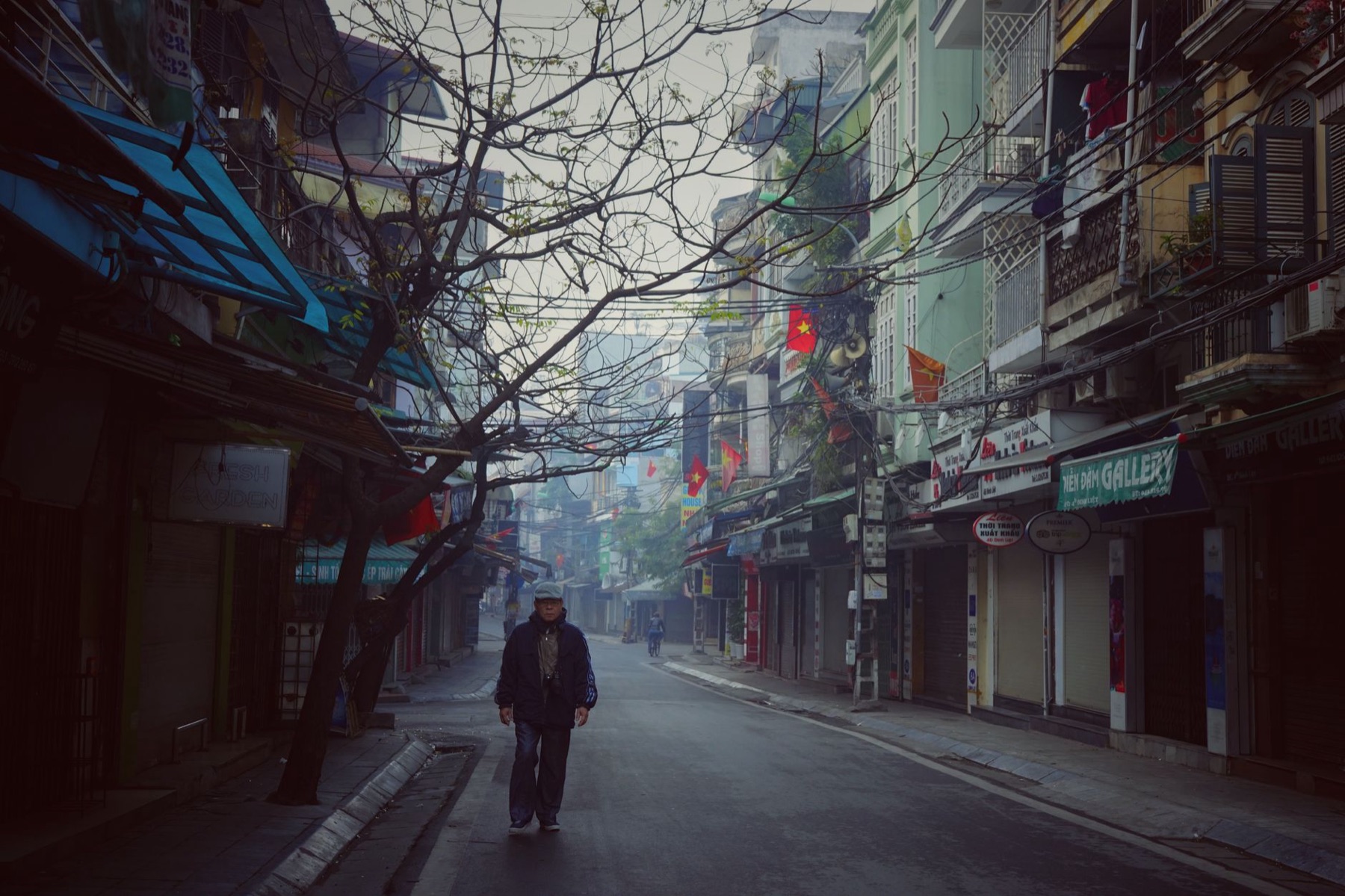
Hanoi breakfast is non-negotiable and early: 6–8 a.m. Old Quarter vendors on Hàng Gà and Mã Mây sell phở, bánh mì, and cháo (rice porridge) from 5 a.m. Hoàn Kiếm Lake's western edge near Trần Hưng Đạo hosts breakfast-only carts for bún chả and bánh cuốn (steamed rice rolls). Tây Hồ residential streets have unnamed stalls serving bánh hóp (crispy pancake) and egg dishes. Prices: phở (around $1–1.50 USD), bánh mì (around $0.80–1.20 USD), cháo (around $1 USD). Arrive by 7:30 a.m. or miss the best vendors—they close by 11 a.m. to rest before lunch. Tourist-facing establishments in Old Quarter stay open later but charge 2–3× more.
🗺️ Plan your route: Vietnam itinerary
How Much Should You Spend Per Meal?
Budget eating (street stalls): around $1–2 USD per meal. Mid-range (casual eateries, small restaurants): around $4–8 USD per dish. Fine dining (Ba Đình, French Quarter): around $15–30 USD per person. Most travelers spend $5–10 USD daily on food if eating like locals. Breakfast and lunch are cheapest (street stalls, rice-plate vendors); dinner at restaurants costs 2–3× more. Never pay more than around $2 USD for a bowl of phở unless it's a tourist trap or very famous chain. Negotiate nothing—stall prices are fixed and fair. Restaurants add 10% service charge without asking; tipping is voluntary (5% if service feels exceptional).
Old Quarter vs. Residential Neighborhoods: Where's Better?
Neighborhood Comparison: Eating Quality & Price
| Area | Best for | Typical Price/Dish (USD) | Pros | Cons |
|---|---|---|---|---|
| Old Quarter (Hoàn Kiếm) | Tourists, street stalls, all meals | $1–3 | Famous vendors, walkable, always open | Crowded, loud, some inflated prices |
| Tây Hồ (West Lake) | Breakfast, casual lunch, expat restaurants | $2–8 | Quieter, quality stalls, lake views | Fewer street options, taxi-dependent |
| Hoàn Kiếm Lake perimeter | Lunch, evening bún chả, fish | $1.50–4 | Fresh, locals, sunset eating | Peak hours chaotic, no seating |
| Bà Đình District | Lunch, formal restaurants, foreign cuisine | $6–20 | Clean, air-conditioned, diverse menus | Pricey, less authentic, slow service |
| Liễu Giai (near Hoan Kiem) | Dinner, evening stalls, bún chả | $1–3 | Iconic spot, proper seating, reliable | Tourist-heavy, evening-only |
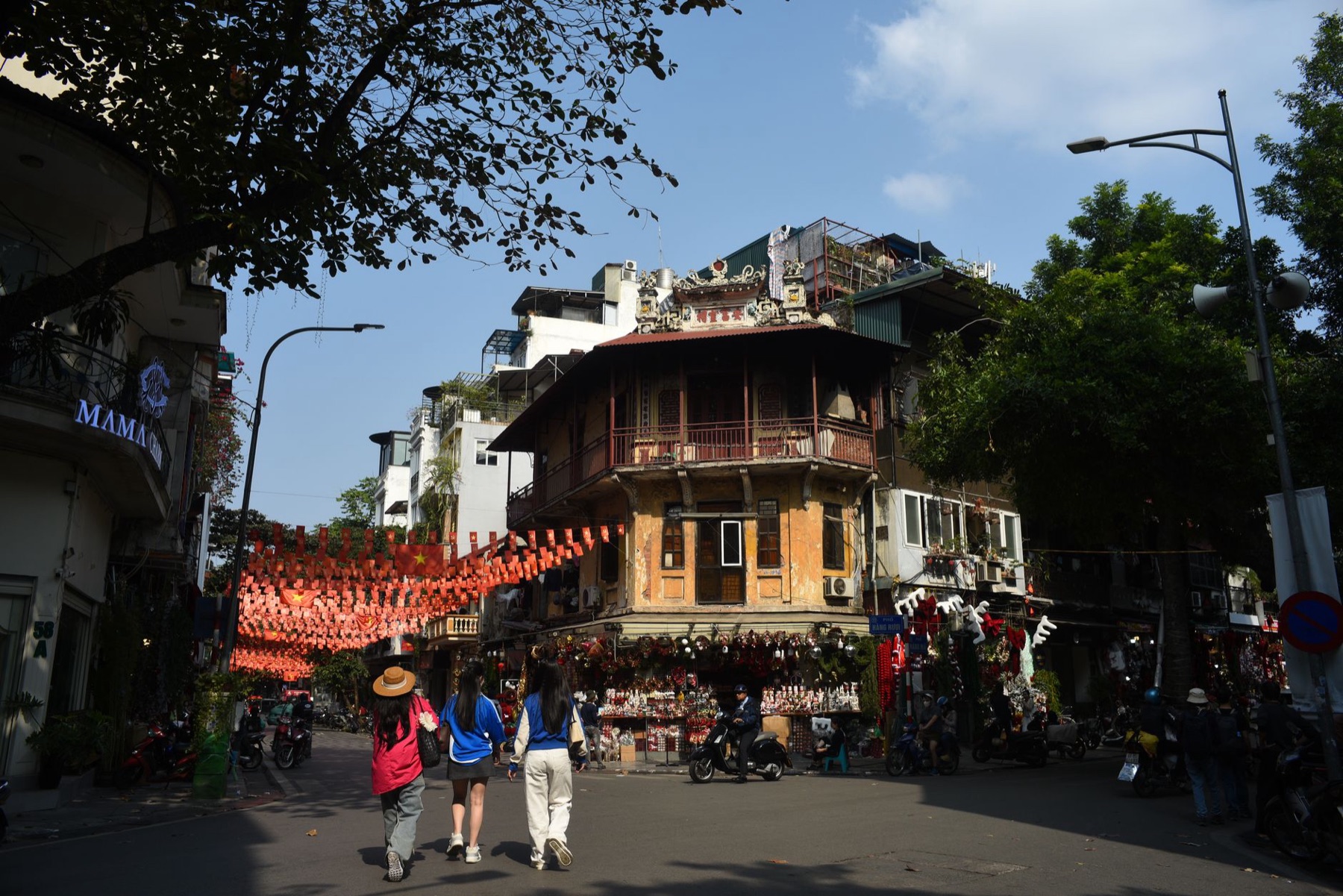
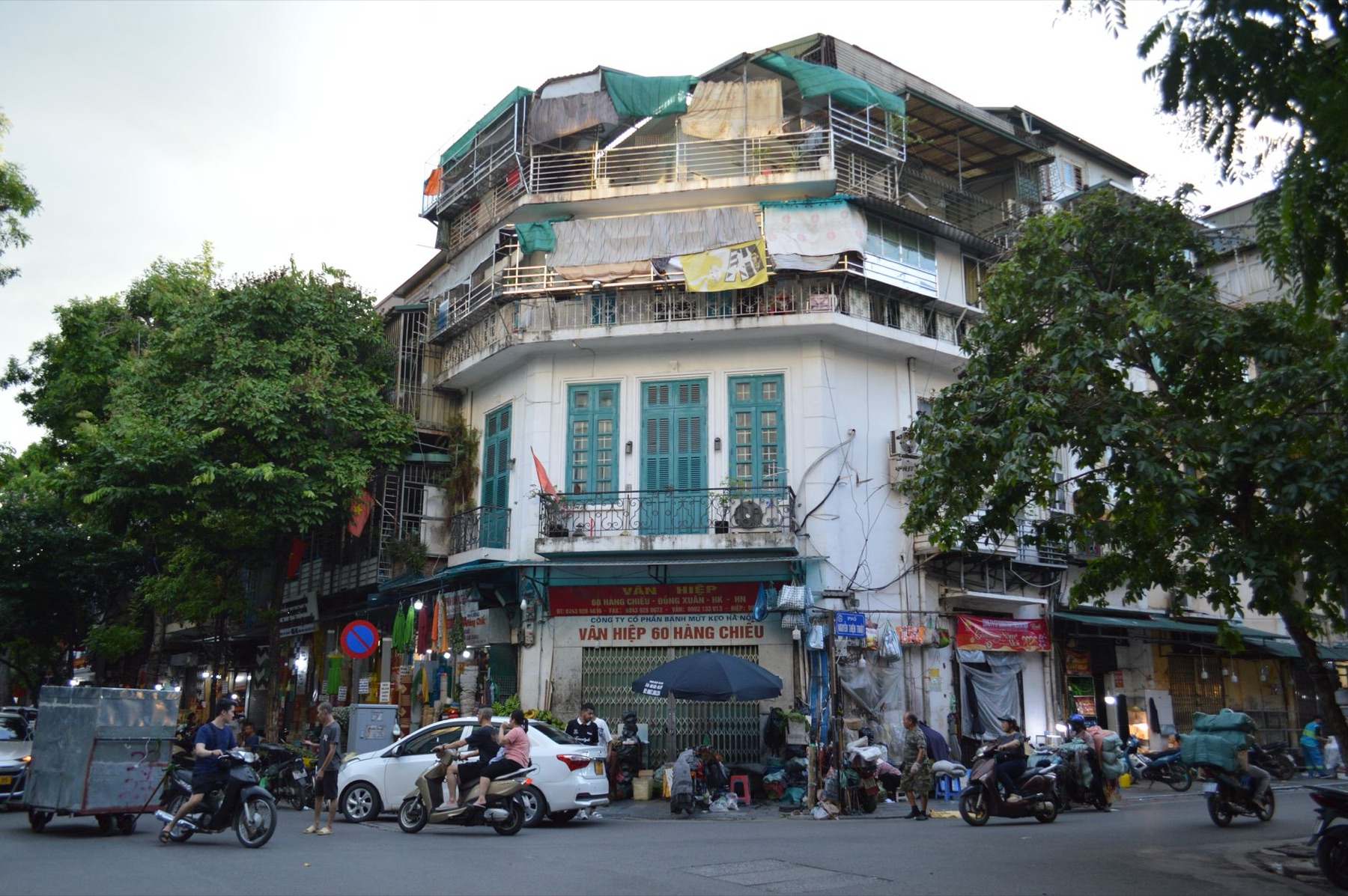
Old Quarter is loud, touristy, and overpriced for some stalls, but it's your fastest entry point. Residential neighborhoods (Tây Hồ, Cầu Giấy, Đống Đa) offer cheaper, fresher food and zero tourists—but you'll need a map or Grab to get there. We'd skip Old Quarter for repeat meals and cycle into quieter lanes by day three.
What Should You Order (and What to Avoid)?
Essential street foods to order:
- Phở: beef or chicken noodle soup, around $1–1.50 USD. Order at dawn; afternoon phở tastes reheated.
- Bánh mì: crispy baguette with pâté, cold cuts, pickled vegetables, around $0.80–1.20 USD. Ask for "bánh mì nóng" (hot) if you want it grilled.
- Bún chả: grilled pork with noodles and dipping sauce, around $1.50–2.50 USD. Evening-only stalls near lakes and parks are best.
- Cơm tấm: broken rice with pork chop or egg, around $1–2 USD. Lunch stall classic, disappears by 2 p.m.
- Bánh cuốn: steamed rice rolls with pork and mushroom, around $1–1.50 USD. Morning only; rubbery after 10 a.m.
- Egg coffee (Cà phê trứng): sweetened condensed milk and whipped egg yolk over dark coffee, around $1.50–2.50 USD. Order at Old Quarter's pedestrian zone (Hàng Mã, Hàng Gà corners).
What to skip:
- Anything sitting under a heat lamp longer than 30 minutes (pork loses texture, vegetables wilt).
- Seafood at random street stalls unless you see locals eating it; temperature control is poor.
- Smoothies made with tap water or ice from uncertain sources—stick to sealed bottled drinks.
- Any stall with no local customers and pristine appearance (they're fishing for tourists; locals eat where there's a queue).
How to Spot a Safe, Quality Vendor
Hygiene isn't obvious in Hanoi. Safe vendors have:
- High turnover: queue of locals, food replenished hourly (not sitting pre-cooked).
- One main dish: specialists make it daily; generalists serve everything badly.
- Visible cooking: see meat grilled, soup boiled, rolls steamed. Hidden kitchens signal poor conditions.
- Basic math: if it's suspiciously cheap ($0.30 USD phở) and empty, skip it. If it's crowded and $1.50 USD, order.
- Plastic stools, no frills: investment in appearance often means inflated prices for tourists.
- Locals eating standing: they know quality and speed.
Stomach issues usually come from:
- Tap water in ice or drinks (order bottled water, ask for "nước lọc").
- Eating at unfamiliar stalls late at night (vendors are tired, food sits longer).
- Reheated food left out (lunch-hour vendors are safest; dawn and dusk stalls are fresher).
Never eat at a stall if you can't see the cooking process or if food sits uncovered in hot weather.
📸 Book an ao dai photoshoot in Hanoi or Saigon (Cáo Studio)
Restaurant Dining: When to Book Formal Seating
Restaurants make sense for:
- Groups or family meals: stalls have no seating or 2–3 shared tables.
- Specific cuisines: French, Italian, Japanese in Ba Đình or French Quarter; stalls serve Vietnamese only.
- Dinner after 8 p.m.: street food closes; restaurants stay open.
- Air conditioning: July–August heat makes sitting outside brutal.
- Celebrations: birthday dinners, client meetings—stalls lack ambiance.
Popular restaurant types:
- Cơm phục vụ: casual sit-down rice-plate cafés. Around $3–6 USD per person. Lunch crowds are fast-moving; dinner is quieter.
- Nhà hàng: formal sit-down restaurants. Around $8–20 USD per person. Expect menus, service, 45-minute meals.
- Quán ốc: snail-and-beer taverns, casual, lively, loud. Around $4–10 USD per person. Evening-only, locals only.
🎟️ Compare tours & tickets for this place
Before booking a restaurant, check:
- Does it accept Grab Pay or only cash? (Many don't, carry VND).
- Is there English on the menu or do you need Google Translate?
- Do they add service charge automatically (around 10%)?
- Is it open at your preferred time? (Many close 2–3 p.m.).
What to Know Before You Buy or Order
Checklist before eating anywhere:
- [ ] See locals eating at the stall (if yes, it's safe; if no, ask why).
- [ ] Confirm price before ordering (either written or ask "bao nhiêu tiền?").
- [ ] Check food is cooked fresh, not reheated (watch the vendor).
- [ ] Carry hand sanitizer for stalls without visible handwashing areas.
- [ ] Drink bottled water only; order "nước lọc" (filtered water) or "nước cam" (orange juice).
- [ ] Avoid ice unless at a restaurant or modern café (street stalls use tap-water ice).
- [ ] Eat lunch 11 a.m.–1 p.m. or dinner 6–8 p.m. (peak times = freshest food).
- [ ] Skip anything with a long ingredient list you can't read (focus on single-dish specialists).
- [ ] Ask "đã nóng không?" (Is it hot?) to confirm soup or broth temperature.
- [ ] Tip is not required; service charge may auto-add at formal restaurants.
Common scams & how to avoid them:
- Tourist-trap phở stall: charged $3–5 USD for soup that costs $1 elsewhere. Eat in residential lanes, not tourist centers.
- Drink inflated bills: order by price first ("bao nhiêu tiền?"), not by brand. Soft drinks run around $0.50–1 USD.
- Fake "house special" upsell: vendors claim one dish is famous and costs 2× more. Everything on their menu is equally fresh if it sells fast.
- Ice water surprise: tap water served as free table water. Politely refuse and order bottled.
For gifts bringing Hanoi food home, gift boxes and keepsake collections let travelers remember meals—though instant coffee (Trung Nguyên), fish sauce, and dried chilies are lighter souvenirs than packaged snacks.
How Hanoi's Daily Food Rhythm Works
Understanding meal timing beats any menu:
- 5–8 a.m.: Breakfast stalls only. Phở, bánh mì, cháo, egg coffee. Old Quarter and residential lanes busiest now.
- 10 a.m.–2 p.m.: Lunch rush. Cơm tấm, bún chả (some stalls), cơm phục vụ restaurants. Stalls close by 2 p.m., reopen at 5 p.m.
- 2–5 p.m.: Ghost hours. Most food stalls closed. Restaurants and cafés serve slow lunch or coffee. Tourist restaurants open all day.
- 5–8 p.m.: Dinner stalls reopen. Bún chả, grilled meats, egg coffee vendors. Peak seating crowded; eat early if you want privacy.
- 8 p.m.–midnight: Late-night stalls (bánh mì, phở, noodle soups). Fewer options, some repeat lunch vendors.
Eat with locals' schedule, not tourist hours. You'll pay less and eat fresher.
---
🗺️ Start your Hanoi journey with our full city guide
Related guides for eating across Vietnam: explore Ho Chi Minh City's street food, Hoi An's markets, Ha Long Bay's seafood, and Sapa's hilltop villages. Plan multi-city meals with our Vietnam itinerary planner.
Need connectivity to find stalls? Get an eSIM for Vietnam so maps and Grab work offline and online.
FAQ
Is street food in Hanoi actually safe to eat?
Yes, if you follow hygiene cues: eat where locals queue, food is cooked fresh, and water comes bottled. Stomach trouble usually means tap-water ice, not the stall itself. Avoid late-night reheated food and always confirm price beforehand.
How much should I budget daily for food in Hanoi?
Around $5–10 USD if eating street food three meals daily. Breakfast ($1–2 USD), lunch ($1.50–3 USD), dinner ($2–5 USD at stalls or $10–20 USD at restaurants). Drinks add $1–3 USD if you buy coffee and juice separately.
When do the best street stalls open and close?
Breakfast stalls open 5–6 a.m., close 10–11 a.m. Lunch stalls open 10 a.m., close 2–3 p.m. Dinner stalls reopen 5 p.m., close 9–10 p.m. Timing varies by vendor; arriving early guarantees the best choice and freshest food.
What's the difference between Old Quarter eating and residential neighborhood eating?
Old Quarter is touristy, crowded, and 2–3× pricier at some stalls. Residential lanes (Tây Hồ, Đống Đa) offer cheaper, fresher food with zero tourists—but require navigation and no English menus. We recommend Old Quarter for day one, then shift to neighborhoods by day three.
Should I order at restaurants or stick to street stalls?
Stalls for authentic, cheap daily meals. Restaurants for groups, late dinners, air conditioning, or specific cuisines (French, Japanese). Both are good; stalls teach you Hanoi's real rhythm, but restaurants offer comfort. Mix both for best experience.
FAQ
Is street food in Hanoi actually safe to eat?
Yes, if you follow hygiene cues: eat where locals queue, food is cooked fresh, and water comes bottled. Stomach trouble usually means tap-water ice, not the stall itself. Avoid late-night reheated food and always confirm price beforehand.
How much should I budget daily for food in Hanoi?
Around $5–10 USD if eating street food three meals daily. Breakfast ($1–2 USD), lunch ($1.50–3 USD), dinner ($2–5 USD at stalls or $10–20 USD at restaurants). Drinks add $1–3 USD if you buy coffee and juice separately.
When do the best street stalls open and close?
Breakfast stalls open 5–6 a.m., close 10–11 a.m. Lunch stalls open 10 a.m., close 2–3 p.m. Dinner stalls reopen 5 p.m., close 9–10 p.m. Timing varies by vendor; arriving early guarantees the best choice and freshest food.
What's the difference between Old Quarter eating and residential neighborhood eating?
Old Quarter is touristy, crowded, and 2–3× pricier at some stalls. Residential lanes (Tây Hồ, Đống Đa) offer cheaper, fresher food with zero tourists—but require navigation and no English menus. We recommend Old Quarter for day one, then shift to neighborhoods by day three.
Should I order at restaurants or stick to street stalls?
Stalls for authentic, cheap daily meals. Restaurants for groups, late dinners, air conditioning, or specific cuisines (French, Japanese). Both are good; stalls teach you Hanoi's real rhythm, but restaurants offer comfort. Mix both for best experience.