Hanoi · Food
Hanoi Food Tours: Types, Prices & What to Book First
By Wander in Vietnam editorial team · Hanoi, Vietnam
What's the difference between a street-food tour and a cooking class?
Street-food tours are guided walks lasting 2–3 hours where a local leads you to 5–8 stops, explains each dish's history, and you taste as you go. You walk, listen, eat—minimal prep required. Cooking classes, by contrast, are hands-on: you arrive at a kitchen (someone's home, a commercial studio, or a restaurant), learn prep and technique for 2–4 dishes, then eat what you made. Street tours are social and low-effort; classes are slower-paced and educational. Pick tours if you want to cover ground and meet people; pick classes if you want to take skills home.
🎟️ Compare tours & tickets for this place
How much do Hanoi food tours actually cost?
Group street-food tours in Old Quarter or Hoan Kiem run around $20–35 USD per person. Market tours with breakfast cost around $25–45 per person. Home-based or studio cooking classes start around $40 USD and reach $80+ for private sessions. Private gastronomic tours (1–2 people, 4+ hours) begin around $60–100. Prices depend on group size (larger groups = cheaper per head), location (Old Quarter tours cost less than Tay Ho villa tours), and what's included (some add a drink, others don't). Most tour operators offer free cancellation up to 48 hours; confirm this before paying. Book directly via the operator's website or email—avoid third-party platforms that add 20–30% markup.
| Tour Type | Duration | Group Size | Cost (USD) | Best For |
|---|---|---|---|---|
| Street-food walk | 2–3 hours | 6–12 people | $20–35 | First-timers, social travelers |
| Market tour + breakfast | 2.5–3 hours | 6–10 people | $25–45 | Early risers, ingredient learners |
| Home cooking class | 3–4 hours | 2–4 people | $40–65 | Couples, small groups, skill-focused |
| Studio cooking class | 3–4 hours | 4–8 people | $35–60 | Organized learners, groups |
| Private gastronomic tour | 3–5 hours | 1–2 people | $70–120 | Serious food lovers, luxury travelers |
Where do most Hanoi food tours start and what neighborhoods do they cover?
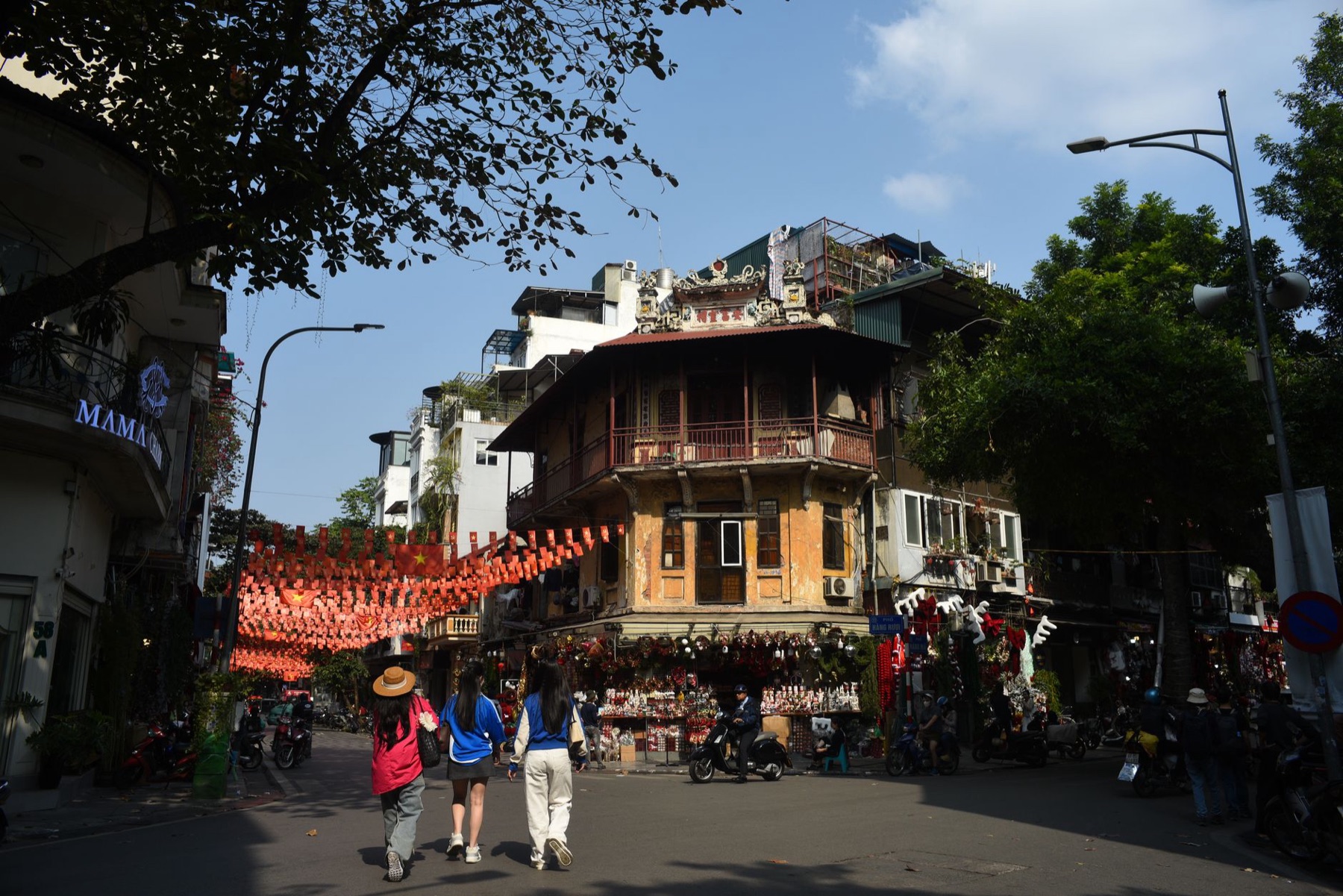
Most commercial tours depart from Old Quarter (Hoan Kiem district) because it's central and packed with street-food stalls and alley kitchens. Typical routes loop through Ta Hien Street, Ma May Street, and nearby alleyways. Some upgrade tours venture into Tay Ho (West Lake) for pho at family spots like Pho Thin or Pho Bat Dan, or into Ba Dinh and Long Bien for northern specialties. Market tours often start at Dong Xuan Market (Old Quarter's northern edge) at 6–7 a.m., when vendors are setup and activity peaks. Home cooking classes happen in neighborhoods where tutors live—often Tay Ho, Cau Giay, or Kim Ma—requiring a taxi or grab (around $2–5 USD). Be honest with the tour operator about your fitness level; Old Quarter alleys have uneven pavements and steep stairs.
🗺️ Plan your route: Vietnam itinerary
What should you actually look for before booking a Hanoi food tour?
Before committing, check these five points:
- Cancellation policy – Confirm free cancellation up to 48–72 hours. Some operators enforce "non-refundable" clauses; avoid them.
- Group size and language – If you book a "group" tour, ask the operator how many are already booked; arriving as the only person can feel awkward, or the tour may be canceled. Check if guides speak English fluently—many newer guides in Hanoi rush through explanations.
- Meal structure – Does the price include all tastings, or do you buy drinks separately? Some tours say "7 stops" but only 4 are included; the rest are "optional purchases." Ask upfront.
- Physical demands – Old Quarter tours mean walking cobblestones, climbing stairs, and standing for 2–3 hours. Market tours start at 6–7 a.m. Cooking classes require standing and basic knife skills (though guides teach). Confirm the pace matches your mobility.
- Operator reputation – Check if the guide is registered with Hanoi's tourism board (look for ID badges). Avoid unofficial "motorbike taxi" tours that claim to be food guides but are primarily fishing for commissions at shops. Reputable operators provide written itineraries and contact numbers.
How do you avoid being steered into tourist traps or scams on Hanoi food tours?
The biggest trap is the "commission scam." A street-food guide takes you to a stall, you order, and later you discover the price is 50–100% higher than locals pay—the stall owner kicks back a cut to the guide. To avoid this:
- Before joining any tour, ask the operator directly: "Do you or the stalls earn commission if I buy?" Honest operators say yes but cap commissions at 10%. Shady ones deflect.
- Price-check locally. A bowl of pho in Old Quarter should cost around 40,000–60,000 VND ($1.60–2.40 USD) for locals, around 50,000–70,000 for tourists. If quoted 100,000+ ($4 USD), walk away.
- Stick to named street-food operators and avoid hustlers on corners who approach you offering "cheap tours." These are unregistered and will pressure you into buying overpriced souvenirs or services.
- Bring small cash. Many Old Quarter stalls claim card readers are "broken," forcing you to overpay cash or buy from a nearby "ATM" at 3–5% commission. Withdraw 500,000–1,000,000 VND ($20–40 USD) from a known bank ATM before the tour.
- Book cooking classes at established studios or via guest-house recommendations. Home-based classes are cheaper but carry higher no-show or cancellation-dispute risk.
📸 Book an ao dai photoshoot in Hanoi or Saigon (Cáo Studio)
What's the honest take on group food tours vs. private ones?
Group tours are fun, social, and cost-effective (around $25–35 USD per person). You meet other travelers, guides often tell better stories when performing for a crowd, and the pace feels relaxed. Downsides: you eat what the group eats (no dietary swaps unless pre-arranged), timing is fixed, and you're stuck with whoever else books. If one person is slow or loud, the whole group suffers.
Private tours (1–2 people, around $70–120 USD total) let you customize stops, take your time at each, and ask deeper questions. The guide adjusts to your pace and dietary needs. Cost per person is higher, but you get undivided attention and a personalized experience. Best for couples, solo travelers wanting depth, or groups of friends splitting the bill.
Honest call: First-time Hanoi visitors should start with a group street-food tour to get oriented and meet people. Return visitors or food-focused travelers should invest in a private cooking class or gastronomic tour.
How far in advance should you book, and what if your tour gets canceled?
Book 2–3 days ahead for group tours; most operators won't add your name with less than 48 hours' notice. Cooking classes can be booked 3–5 days ahead, especially if the class size is small (2–4 people). During peak season (October–March), book a week early.
If a tour is canceled:
- The operator should notify you at least 24 hours before, with a full refund or reschedule option.
- If canceled with <24 hours' notice due to "low bookings," demand a refund; the operator shouldn't penalize you for their under-booking.
- If canceled due to weather (heavy rain, flooding in Old Quarter), most reputable operators offer a reschedule. Document this in email before paying.
- Avoid operators who offer a "voucher for a future tour" instead of a refund—these expire and are often hard to redeem.
What to check before you buy
- Operator identity: Name, email, phone number, registration ID. Do a quick Google search or ask your guest house.
- Itinerary: Exact start time, meeting point (usually a cafe or hotel lobby in Old Quarter), ending location, and list of 5+ stops.
- What's included: Food tastings, drinks (alcoholic or not), cooking-class ingredients, snacks. Ask if tips are expected.
- Cancellation & refund: Write down the policy. Screenshot the email confirmation.
- Language of the guide: English, French, Spanish, Chinese—confirm your comfort level.
- Accessibility: Stairs, walking distance, bathroom breaks. Tell the operator if you have mobility concerns.
---
Hanoi's food culture is one of Southeast Asia's richest, and a good tour enhances that experience—but choosing the right one matters. Start with our Hanoi food guide to understand the city's dish landscape, then decide whether a walk, class, or market tour fits. If you're planning a longer Hanoi trip, our Hanoi overview covers neighborhoods, transport, and must-see sights. For travelers weaving Hanoi into a broader Vietnam journey, build your route here. And if you want to capture the experience—especially in a traditional áo dài—book a photoshoot with Cáo Studio before or after your tour.
🎟️ Compare tours & tickets for this place
FAQ
Are Hanoi street-food tours safe for solo female travelers?
Yes, most are well-established and escort-led. Join group tours rather than hiring an unknown street hustler. Bring a small day bag, avoid displaying large cash or jewelry, and stay with the guide. If uncomfortable, leave and rejoin a later official tour.
Can you do a food tour if you're vegetarian or have allergies?
Absolutely, but notify the operator at least 5–7 days before. They'll reroute you to vegetarian stalls, tofu vendors, or adjust cooking-class recipes. Last-minute requests may not be honored—plan ahead and confirm via email.
Do Hanoi food tours include drinks, or is alcohol extra?
Most group tours include water and sometimes egg coffee or iced tea. Beer or wine is usually extra. Cooking classes vary; clarify when booking. Tip: bring a refillable water bottle to stay hydrated in Hanoi's heat.
What time of year is best for Hanoi food tours?
October to March (cool, dry season). Avoid May–September (hot, humid, peak mosquito season—and some stalls close early). Rainy season (September–October) means wet alleyways and slippery steps in Old Quarter.
Can you book a food tour in English if you don't speak Vietnamese?
Yes, all major operators offer English-language tours. Guides usually speak fluent English and know the history behind dishes. Confirm language when booking; some smaller home-cooking classes may have guides with basic English only.
Is it cheaper to find street food alone rather than book a tour?
You'll spend less total, but tours teach you why you're eating each dish, where to find quality stalls safely, and eliminate the "where next?" paralysis. Tours are worth the markup for first-timers and time-constrained travelers; solo explorers save money but lose context.
FAQ
Are Hanoi street-food tours safe for solo female travelers?
Yes, most are well-established and escort-led. Join group tours rather than hiring an unknown street hustler. Bring a small day bag, avoid displaying large cash or jewelry, and stay with the guide. If uncomfortable, leave and rejoin a later official tour.
Can you do a food tour if you're vegetarian or have allergies?
Absolutely, but notify the operator at least 5–7 days before. They'll reroute you to vegetarian stalls, tofu vendors, or adjust cooking-class recipes. Last-minute requests may not be honored—plan ahead and confirm via email.
Do Hanoi food tours include drinks, or is alcohol extra?
Most group tours include water and sometimes egg coffee or iced tea. Beer or wine is usually extra. Cooking classes vary; clarify when booking. Tip: bring a refillable water bottle to stay hydrated in Hanoi's heat.
What time of year is best for Hanoi food tours?
October to March (cool, dry season). Avoid May–September (hot, humid, peak mosquito season—and some stalls close early). Rainy season (September–October) means wet alleyways and slippery steps in Old Quarter.
Can you book a food tour in English if you don't speak Vietnamese?
Yes, all major operators offer English-language tours. Guides usually speak fluent English and know the history behind dishes. Confirm language when booking; some smaller home-cooking classes may have guides with basic English only.
Is it cheaper to find street food alone rather than book a tour?
You'll spend less total, but tours teach you *why* you're eating each dish, where to find quality stalls safely, and eliminate the "where next?" paralysis. Tours are worth the markup for first-timers and time-constrained travelers; solo explorers save money but lose context.
More: Hanoi guide · What to eat in Hanoi