Hanoi · Food
Hanoi Food: Where to Buy & What to Eat (2026 Guide)
By Wander in Vietnam editorial team · Hanoi, Vietnam
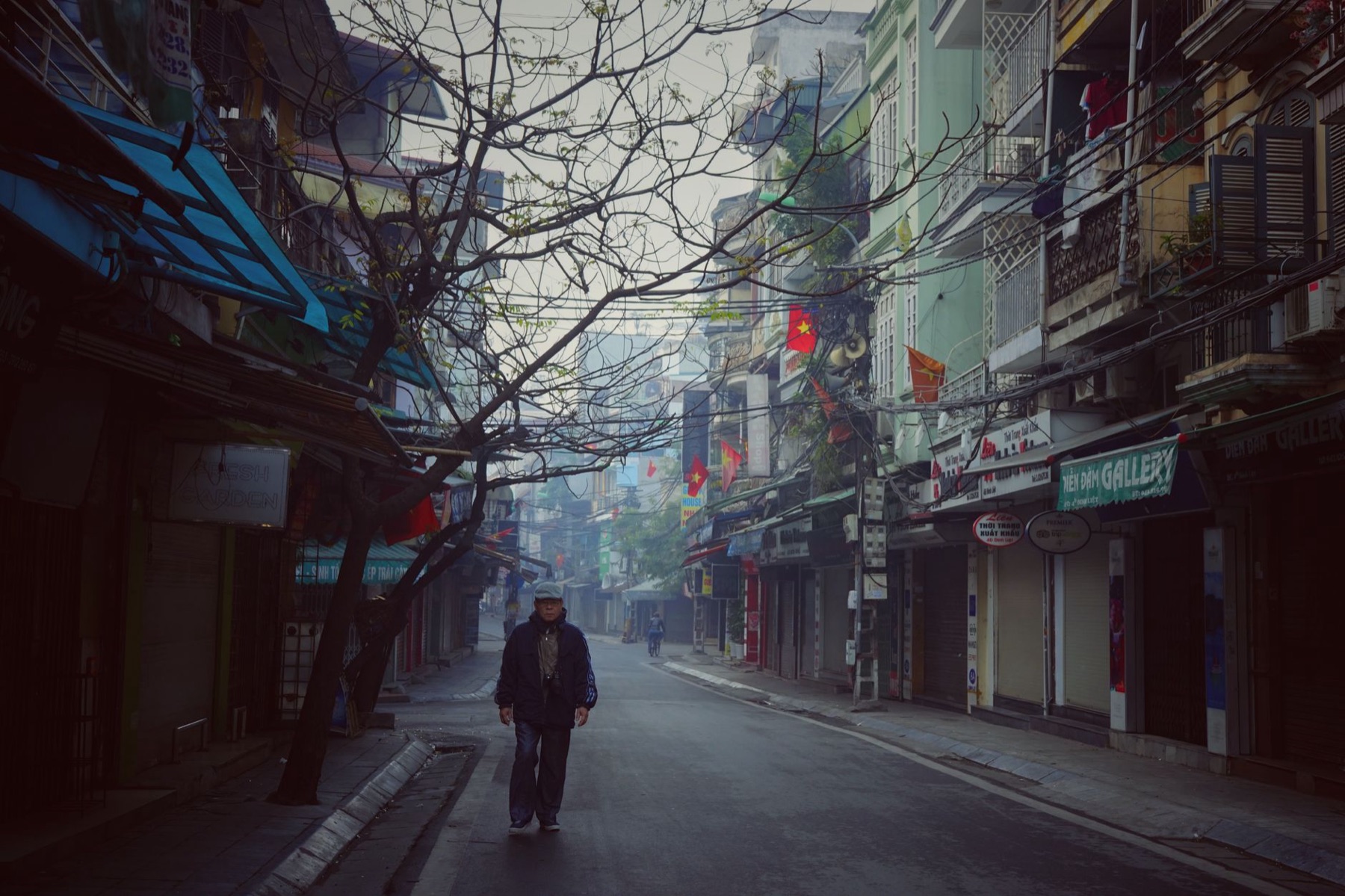
Hanoi's food identity hinges on narrow streets, neighborhood vendors, and recipes passed through families for decades. Walking into the Old Quarter at dawn, you'll see the same pho cart in the same alley for twenty years—no chain, no franchise. That's the Hanoi eating philosophy.
But here's the catch: tourism has split the city into two food worlds. One serves you real bowls at real prices. The other charges double for Instagram aesthetics. This guide walks you through both, with exact neighborhood tips, price ranges, and what to actually order.
Where do locals buy fresh ingredients in Hanoi?
Old Quarter and Hoan Kiem markets (Ba Trieu, Hang Manh, Dong Xuan) sell vegetables, meat, fish, and herbs at 30–50% below supermarket prices. Arrive 6–8 a.m. for peak selection. Vendors expect Vietnamese speakers; go with a local or learn numbers. Some stalls package nicely; most wrap in plastic or newspaper. Transport same-day to your accommodation or eat immediately—most homes lack refrigeration for long storage.
🗺️ Plan your route: Vietnam itinerary
What breakfast dish should I try first in Hanoi?
Start with pho (beef or chicken) at a crowded street cart—order "pho tai" (rare beef) or "pho ga" (chicken)—around 40,000–65,000 VND ($1.60–2.60). Add fresh herbs (mint, cilantro), chili, and vinegar yourself. Egg coffee ("ca phe trung") in Hang Manh alley costs 30,000–50,000 VND ($1.20–2.00); it's a sweet, creamy coffee with beaten egg yolk—worth trying once, though locals drink it more for ritual than daily habit. Skip fancy cafés charging 80,000 VND for the same thing.
How much does street food cost versus restaurants?
| Food type | Venue | Price (VND) | Price (USD) | Best for | Watch for |
|---|---|---|---|---|---|
| Pho, banh mi | Street cart | 40,000–65,000 | $1.60–2.60 | Breakfast, lunch, budget | Crowded spots = fresher stock |
| Bun cha | Small alley eatery | 50,000–80,000 | $2.00–3.20 | Lunch, groups | Meat char should be dark |
| Com tam (broken rice) | Neighborhood stall | 45,000–75,000 | $1.80–3.00 | Lunch | Add a grilled egg yourself |
| Banh cuon (steamed rolls) | Market or cart | 35,000–55,000 | $1.40–2.20 | Breakfast | Fillings vary; ask what's inside |
| Seafood (grilled) | Beachside or casual | 120,000–250,000 | $4.80–10.00 | Dinner, groups | Price per kg; confirm before ordering |
| Egg coffee | Specialty café | 30,000–50,000 (street) / 80,000+ (tourist) | $1.20–2.00 / $3.20+ | Once, experience | Tourist areas double the price |
Street carts beat sit-down restaurants by 30–40% on cost. Restaurants offer air-con, English menus, and predictable portions—good if you're tired or in a group. Street carts demand Vietnamese language skills or patience with hand signals; reward is authenticity and value.
What local snacks make good gifts to bring home?
Roasted peanuts, sesame brittle, and dried squid from Hang Manh or Dong Xuan are packable and last 2–3 weeks. Coffee beans (G7, Trung Nguyen, or local roasts) appeal to coffee drinkers; shop at specialty roasters in Tay Ho for single-origin options, around 150,000–300,000 VND ($6.00–12.00) per 250g bag. Salted duck egg (trứng vịt muối) travels okay for 4–5 days if refrigerated.
For something longer-lasting, look at gift collections featuring Vietnamese-made goods—artisanal honey, hand-roasted nuts, and preserved fruits appeal to travelers who want to skip food and choose keepsakes instead.
📸 Book an ao dai photoshoot in Hanoi or Saigon (Cáo Studio)
Which Hanoi neighborhoods have the best food scenes?
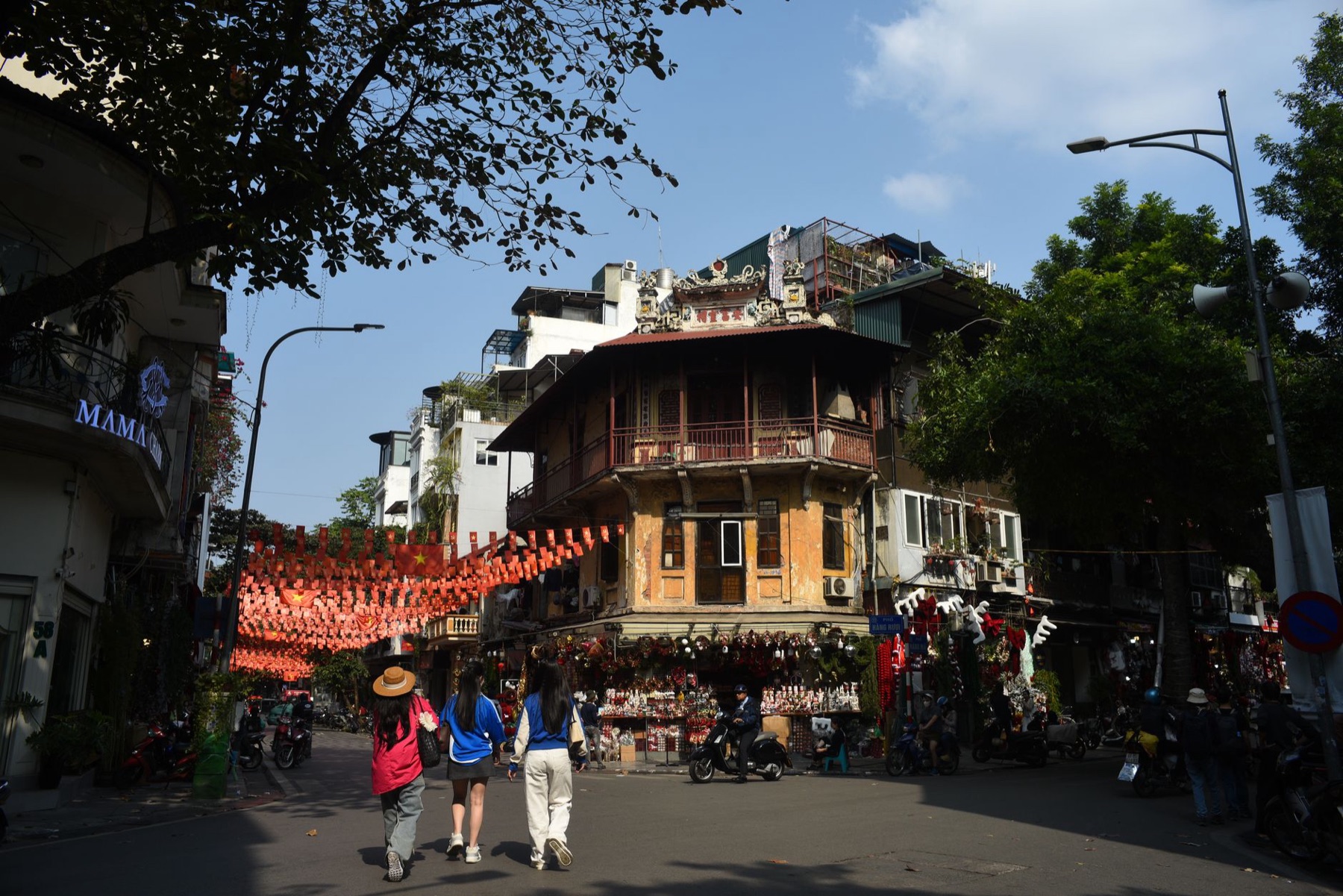
Old Quarter (Hoan Kiem): Pho in dawn alleys, banh mi at Hang Manh, egg coffee on narrow stairs. Go 6–8 a.m. or 11 a.m.–1 p.m. Avoid 6–7 p.m. (tour groups clog alleys). Expect chaos, no signage, Vietnamese-only menus.
Ba Trieu area: Market-adjacent eateries serve com tam and grilled meats at lunch. Cleaner than Old Quarter, still local. Arrive 11:30 a.m.–1 p.m.
Tay Ho (West Lake): Upscale cafés, roasted coffee, and French-influenced bistros. Prices jump to 100,000–250,000 VND ($4.00–10.00) per meal. Good for brunch if Old Quarter crowds exhaust you. Not authentic Hanoi, but comfortable.
Hang Diem (near Hoan Kiem Lake): Quieter Old Quarter extension; fewer tourists, same quality pho and banh mi.
Long Bien area (across the Red River): Industrial, less touristy; local banh mi carts and pho spots. Requires motorbike or taxi. Not essential for first-time visitors.
🎟️ Compare tours & tickets for this place
What food mistakes do tourists make in Hanoi?
- Ordering at restaurants without prices posted: Always ask "bao nhieu?" (how much?) before ordering seafood or grilled meat. Vendors charge per kg; a whole grilled fish can cost 400,000+ VND ($16+) if you don't confirm first.
- Eating at "tourist pho" on main streets: Hanoi's best pho hides in alleys; main-street bowls cost 70,000–100,000 VND ($2.80–4.00) for the same quality as 40,000 VND ($1.60) five blocks away.
- Skipping street food out of hygiene fear: Busy carts have high turnover—food is made fresh. Quiet, empty carts sitting in heat are riskier. Pick crowded spots with visible locals.
- Ordering uncooked items: Stick to hot meals and cooked vegetables. Salads and fresh juices from unclear water sources cause stomach issues.
- Paying before eating: Cash transactions only; pay after you eat or when instructed. No card readers at street stalls.
- Trusting English-language tourist menus: If a stall has posted English prices, expect 50% markup. Eat where menus are Vietnamese.
What to check before you order or buy
- Cart cleanliness: Visible hot cooking surface, clean utensils, no fly-covered meat. Walk past if it feels off.
- Ingredient freshness: Vegetables should be bright, herbs aromatic. Smell meat before ordering.
- Crowded = trusted: If locals are eating, the food moves fast. Empty carts = stale stock.
- Cash readiness: Hanoi street food rarely takes cards. Have 100,000 VND in small bills.
- Portion sizes: Street portions are small (100–150g protein); order 2–3 dishes to feel full. Don't expect Western-sized helpings.
- Language: Learn 5–10 food words (pho, banh mi, com tam, trung) or use Google Translate's camera function to point at menu items.
- Time of day: Peak lunch is 11:30 a.m.–1:30 p.m.; peak dinner 5:30–7:30 p.m. Go off-hours for shorter waits and less crowding.
---
Hanoi's food scene rewards curiosity and a willingness to eat where English speakers aren't. The city's most memorable meals cost less than a coffee in your home country. Start in Hanoi's Old Quarter, branch into Ba Trieu and Tay Ho, and return to the same cart three times—you'll earn a nod from the vendor and a better understanding of what Hanoi food actually means.
For more Hanoi essentials, explore our Hanoi guide. Planning a longer trip? Check our Vietnam itinerary planner to balance food with Ha Long Bay, Ninh Binh, and Sapa. If you're also visiting the south, Ho Chi Minh City and Hoi An have equally rich food cultures—different flavors, same philosophy.
🎟️ Compare tours & tickets for this place
FAQ
Can I order pho online in Hanoi for delivery?
Grab Food and Be (Vietnamese food apps) list pho stalls; delivery costs 15,000–25,000 VND ($0.60–1.00) and arrives 30–45 mins. Quality drops in transit—noodles soften. Order in-person for best taste.
How do I know if street food is safe to eat?
Eat where locals queue. High turnover means fresh stock. Avoid raw, unpeeled items and unclear water sources (fresh juice, salads). Hot food cooked in front of you is lowest risk. Stomach issues usually fade in 1–2 days; serious symptoms warrant a clinic visit.
What's the difference between pho and bun cha?
Pho is beef or chicken in hot broth with rice noodles; bun cha is grilled pork meat over cold rice noodles with herbs and fish sauce dip. Pho is breakfast/lunch; bun cha is lunch/dinner. Bun cha is Hanoi's signature, more local.
Do I need to book restaurants in advance?
Street carts and small eateries don't take reservations. Mid-range and upscale spots (100,000+ VND per head) accept walk-ins but get crowded 6–7 p.m. Booking via Grab or phone helps for groups larger than 4.
Can I bring food I buy from markets back to my hotel?
Yes. Keep perishables (meat, seafood) in a cooler or eat same-day. Fruits, nuts, and dried goods (coffee, peanuts) last 1–2 weeks at room temperature. Ask your hotel for storage advice.
What eSIM or connectivity do I need to use food delivery apps?
A Vietnam eSIM with data lets you run Grab Food and Be without SIM-card hassle. Download apps before arrival or use hotel Wi-Fi to set up.
FAQ
Can I order pho online in Hanoi for delivery?
Grab Food and Be (Vietnamese food apps) list pho stalls; delivery costs 15,000–25,000 VND ($0.60–1.00) and arrives 30–45 mins. Quality drops in transit—noodles soften. Order in-person for best taste.
How do I know if street food is safe to eat?
Eat where locals queue. High turnover means fresh stock. Avoid raw, unpeeled items and unclear water sources (fresh juice, salads). Hot food cooked in front of you is lowest risk. Stomach issues usually fade in 1–2 days; serious symptoms warrant a clinic visit.
What's the difference between pho and bun cha?
Pho is beef or chicken in hot broth with rice noodles; bun cha is grilled pork meat over cold rice noodles with herbs and fish sauce dip. Pho is breakfast/lunch; bun cha is lunch/dinner. Bun cha is Hanoi's signature, more local.
Do I need to book restaurants in advance?
Street carts and small eateries don't take reservations. Mid-range and upscale spots (100,000+ VND per head) accept walk-ins but get crowded 6–7 p.m. Booking via Grab or phone helps for groups larger than 4.
Can I bring food I buy from markets back to my hotel?
Yes. Keep perishables (meat, seafood) in a cooler or eat same-day. Fruits, nuts, and dried goods (coffee, peanuts) last 1–2 weeks at room temperature. Ask your hotel for storage advice.
What eSIM or connectivity do I need to use food delivery apps?
A [Vietnam eSIM](/vietnam/esim) with data lets you run Grab Food and Be without SIM-card hassle. Download apps before arrival or use hotel Wi-Fi to set up.