Hanoi · Food
Hanoi Hidden Food Gems 2026: Where Locals Really Eat
By Wander in Vietnam editorial team · Hanoi, Vietnam
Hanoi's finest meals hide in alleyways and family-run shops, not guidebook stars. Real dishes, real prices, real neighborhoods—your guide to eating where locals do. Most travelers stick to Phở Street and tourist-marked cafés; we've spent time in the neighborhoods where Hanoians actually spend their money and stomachs. The best food rarely has an English menu or Instagram photos outside.
Where Should I Look for Authentic Hanoi Food?
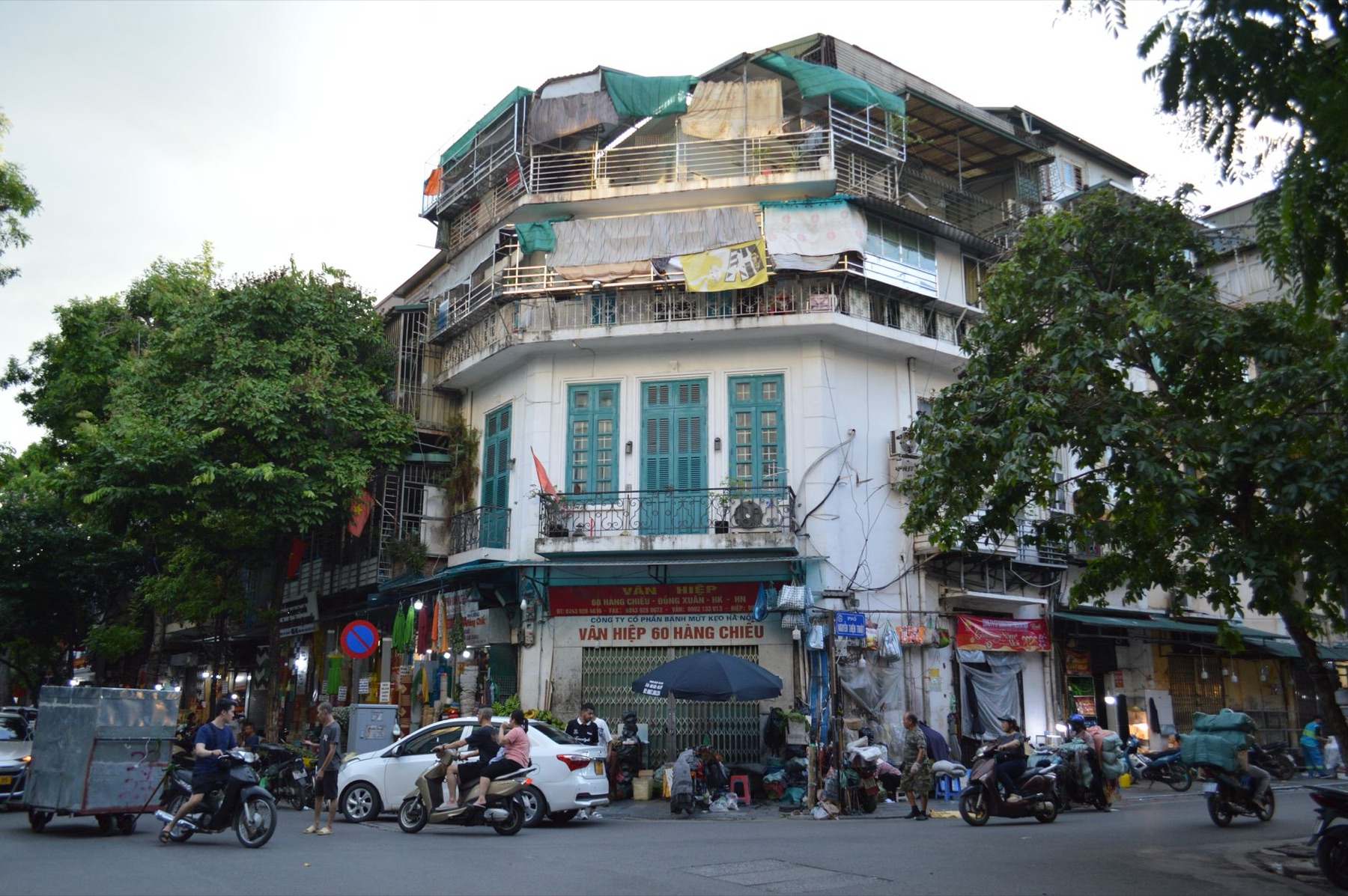
The Old Quarter's backstreets—Hàng Mành, Hàng Bộ, Phố Mới—hide single-dish specialists who've operated for decades. One block sells only bánh cuốn (rolled rice pancakes); another, just bún riêu (crab tomato noodles). Thanh Xuân District's morning markets around Chợ Hàng Mành buzz 6–8 a.m.; most close by noon. Hoàn Kiếm's Chợ Rạp Thập Phương offers breakfast chaos: chả cá vendors, bánh mì stalls, egg noodle shops. Avoid peak tourist hours (11 a.m.–1 p.m., 6–7:30 p.m.) if you want real pricing and genuine crowds. Learn more about Hanoi neighborhoods.
🗺️ Plan your route: Vietnam itinerary
What Dishes Are Worth Hunting For—and Why?
Not all Hanoi food is pho. Bánh cuốn, rice pancakes filled with pork and shrimp, cost around 25,000–35,000 VND ($1–$1.40 USD) for a plate of four; the wrapper must be silky-thin and served with fish sauce. Bún riêu cua (crab noodle soup) runs 30,000–40,000 VND ($1.20–$1.60 USD); quality depends on broth depth—real places simmer crab shells for hours. Chả cá Thăng Long (turmeric fish with herbs) is pricier, 60,000–100,000 VND ($2.40–$4 USD), but blocks a few stalls apart from each other command fiercely loyal customers. Mì Hoàng Kim (egg noodles, pork, greens) appears nameless on signs; you recognize it by the steaming vat and crowds at 7 a.m. Cost: 20,000–30,000 VND ($0.80–$1.20 USD). Skip the "famous" pho chains; quality Phở is indistinguishable at family stalls—pay 30,000–50,000 VND ($1.20–$2 USD), never more than 60,000 ($2.40 USD) for a regular bowl.
How Much Should You Actually Pay—And How to Avoid Overcharging?
| Dish | Real Price (VND) | USD | Where to Eat | Red Flags |
|---|---|---|---|---|
| Bánh cuốn | 25,000–35,000 | $1–$1.40 | Old Quarter stalls | Fewer than 4 pieces; served cold |
| Bún riêu | 30,000–45,000 | $1.20–$1.80 | Market edges | Watery broth; no crab meat |
| Phở (regular) | 30,000–50,000 | $1.20–$2 | Any stall, 6–9 a.m. | Menu in English; prices listed in USD |
| Chả cá | 60,000–100,000 | $2.40–$4 | Hanoi specialty streets | Asks upfront price; non-negotiable |
| Egg noodles | 20,000–30,000 | $0.80–$1.20 | Dawn markets | Reheated noodles; thin greens |
| Bánh mì (filled) | 15,000–25,000 | $0.60–$1 | Any corner stand | Pre-made; no warm toasting |
Golden rule: If a stall has a printed menu in English or prices in USD, walk. If the owner doesn't seat you immediately, ask the price first—locals know to confirm. Markets operate on cash-only; ATMs are 2–3 blocks away. Many stalls close 1–3 p.m. (owner's rest) and reopen 4–5 p.m.
Which Neighborhoods Have the Best Food, and How to Navigate Them?
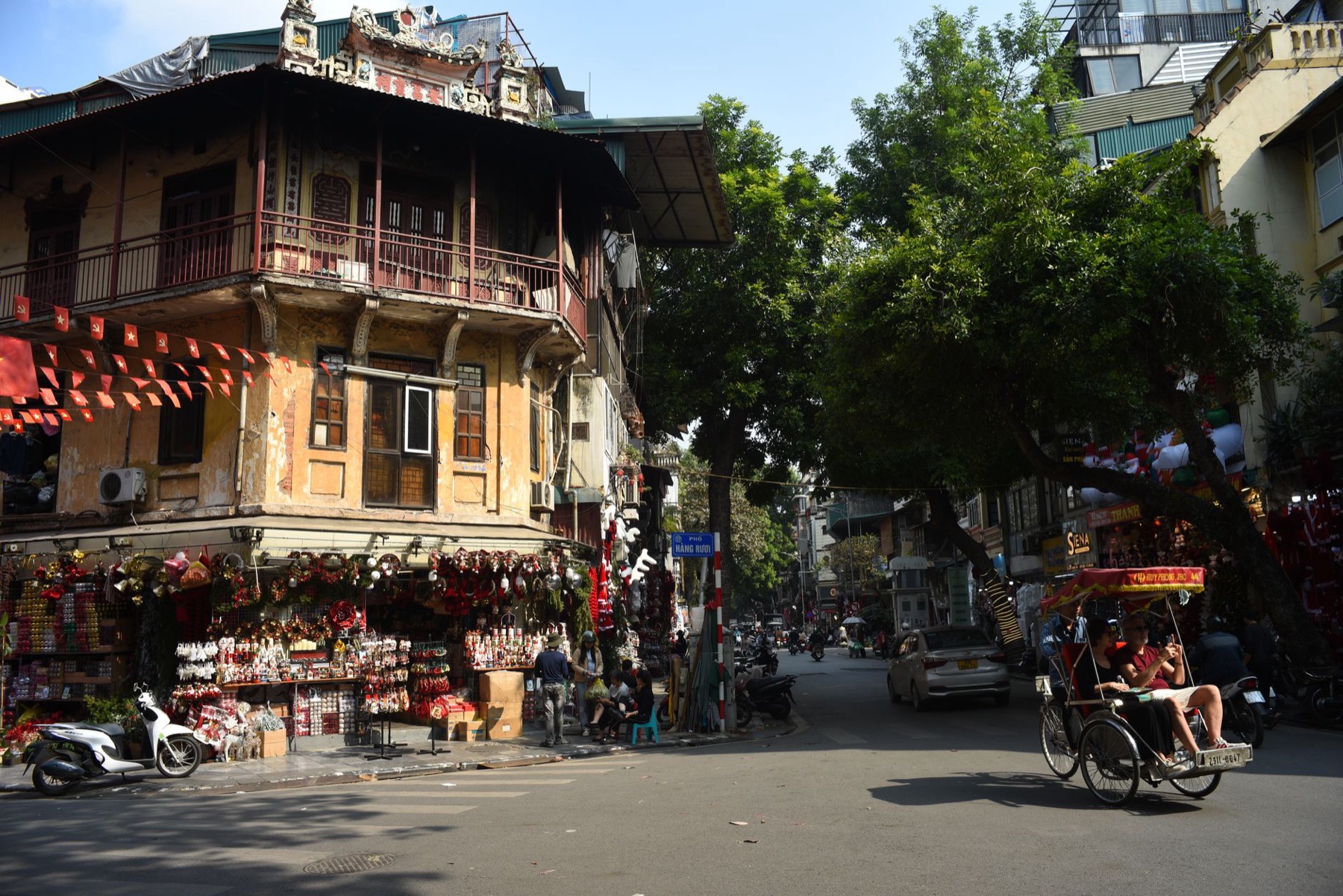
Old Quarter (Hoàn Kiếm District) Tight alleys, minimal signage, impossible to find twice. Hàng Mành specializes in bánh cuốn; arrive by 8 a.m. or walk into locals' leftover portions. Hàng Bộ has bún riêu; one stall occupies the corner for 30+ years. Phố Cổ clusters phở vendors; they're identical, so pick by crowd size. Bring small notes (10,000–20,000 VND bills); few places make change easily.
French Quarter (Hoàn Kiếm, Hai Bà Trưng Districts) Quieter, slightly pricier, but quality is consistent. Nhà hàng (family restaurants) line quiet streets near Hoàn Kiếm Lake; expect 50,000–150,000 VND ($2–$6 USD) per person. Cafés open early (6:30 a.m.) with egg coffee and fresh pastries around 30,000–50,000 VND ($1.20–$2 USD). English menus appear here; use them for translation only, not price reference.
Thanh Xuân District (Chợ Rạp Thập Phương area) Where office workers eat breakfast. Markets flood 6–7:30 a.m. with vendors; each stall has one specialty. No English, no tourists usually. Bánh mì here is 15,000–20,000 VND ($0.60–$0.80 USD) because locals buy volume. Bring a Vietnamese friend if possible; you'll eat better.
What Scams or Mistakes Should I Avoid?
Locals get it wrong too. Fake "famous" spots: Instagram-tagged pho or banh mi shops charge 2–3× normal price and serve the same food. Mark-ups jump at 11:30 a.m. and 6 p.m. when rush crowds arrive. Ordering without confirming price: Some chả cá stalls charge per ounce of fish added; a "full plate" can swing from 60,000 to 150,000 VND. Always ask "Bao nhiêu tiền?" (How much?) before ordering at unmarked stalls. Language barriers: Learn three phrases: "Một phần" (one portion), "Không cay" (not spicy), "Bao nhiêu?" (how much?). Pointing works too. Hygiene paranoia: Busy stalls move product fast; slow, empty stalls are risky. If the cook eats there, you can too—it's the best health certification.
📸 Book an ao dai photoshoot in Hanoi or Saigon (Cáo Studio) | 🎟️ Compare tours & tickets for this place
How to Maximize Your Food Budget and Explore Like an Insider?
Time your meals strategically. Breakfast (6–8 a.m.) and lunch (11:30 a.m.–1 p.m.) are cheapest; dinner inflates prices. A full day of eating—breakfast, lunch, light snack, dinner—costs 100,000–150,000 VND ($4–$6 USD) if you choose stalls over restaurants. Skip lunch rush; eat at 10:30 a.m. or 2 p.m. for shorter queues and sometimes discounts.
Hire a local guide for a morning market walk (costs 200,000–400,000 VND / $8–$16 USD for 2 hours); they'll unlock stalls you'd never find alone and negotiate prices fairly. Or download offline Google Maps, screenshot stall locations from other travelers' posts, and arrive at opening time.
Mix exploration with your broader Vietnam itinerary. If you're visiting multiple cities—Ho Chi Minh City, Hoi An, Ha Long Bay—each has distinct street food cultures. Hanoi's identity is speed and specialty; spend 2–3 mornings here eating, not 1 big meal.
What to Check Before You Buy
- Stall opening time: Ask locals or arrive 6–7 a.m.; many close by 9 a.m.
- Price confirmation: "Bao nhiêu tiền?" before ordering, especially at unmarked stalls.
- Cash only: Bring 200,000–300,000 VND (~$8–$12 USD) in small bills; ATMs are slow.
- Hygiene indicators: Busy stalls, cook eating there, no visible dirt or leftover food = safer bet.
- Flavor intensity: Ask "Cay không?" (spicy?) for chili-heavy dishes like bún riêu or bánh mì.
- Closed times: 1–3 p.m. is owner siesta; 9 p.m.–6 a.m. is fully closed except pho vendors.
🍜 Explore Hanoi food culture — and don't miss related guides: Ninh Binh, Sapa. Get local connectivity: eSIM for Vietnam. Plan ahead: Vietnam e-visa.
---
FAQ
Is street food in Hanoi safe to eat?
Yes, if you pick busy stalls where the cook eats too. Risk increases at slow, tourist-empty spots. Stick to cooked-to-order dishes (bánh cuốn, phở, chả cá) over pre-made foods. Busy stall = fast turnover = fresher ingredients. Bring hand sanitizer, but don't overthink it; millions eat here daily.
Why are "famous" Hanoi food spots so overpriced?
Tourism and Instagram made them targets. A 30,000 VND dish becomes 80,000 VND when a guidebook names it. Quality doesn't improve—just crowds and markup. Locals avoid them. Find the identical stall two blocks away with no signage; you'll pay half and eat the same food surrounded by office workers.
What's the best time to eat street food in Hanoi?
6:30–8:30 a.m. for breakfast (phở, bánh cuốn, egg noodles); 11:30 a.m.–1 p.m. for lunch if you don't mind crowds; 5–6:30 p.m. for early dinner before the dinner rush. Avoid noon–1 p.m. on weekdays; it's chaos. Most stalls close 2–4 p.m. Mid-morning (10–11 a.m.) offers calm, full menus, zero queues.
How much should I budget for food daily in Hanoi?
150,000–200,000 VND ($6–$8 USD) for three meals at stalls; 250,000–400,000 VND ($10–$16 USD) if you mix stalls with casual restaurants. Splurging on one sit-down meal (100,000–200,000 VND / $4–$8 USD) still keeps you under $15 total daily. Tourist traps can blow this in one meal.
Do I need to speak Vietnamese to order?
No. Point, say "một phần" (one), use hand signals. "Bao nhiêu?" and "Cay không?" cover 90% of interactions. Pocket translation app for complex requests. Most vendors recognize confident tourists who eat fast and tip generously; they'll slow down for you.
Where do I find these stalls if there's no signage?
Ask your hotel; locals know. Arrive 6:30–7:30 a.m. and follow crowds into alleys. Google Maps reviews (in Vietnamese, filtered by rating) reveal real stalls. Screenshot addresses before you go; offline maps work when you're lost. Chat with other travelers at your accommodation; they've scouted too.
FAQ
Is street food in Hanoi safe to eat?
Yes, if you pick busy stalls where the cook eats too. Risk increases at slow, tourist-empty spots. Stick to cooked-to-order dishes (bánh cuốn, phở, chả cá) over pre-made foods. Busy stall = fast turnover = fresher ingredients. Bring hand sanitizer, but don't overthink it; millions eat here daily.
Why are "famous" Hanoi food spots so overpriced?
Tourism and Instagram made them targets. A 30,000 VND dish becomes 80,000 VND when a guidebook names it. Quality doesn't improve—just crowds and markup. Locals avoid them. Find the identical stall two blocks away with no signage; you'll pay half and eat the same food surrounded by office workers.
What's the best time to eat street food in Hanoi?
6:30–8:30 a.m. for breakfast (phở, bánh cuốn, egg noodles); 11:30 a.m.–1 p.m. for lunch if you don't mind crowds; 5–6:30 p.m. for early dinner before the dinner rush. Avoid noon–1 p.m. on weekdays; it's chaos. Most stalls close 2–4 p.m. Mid-morning (10–11 a.m.) offers calm, full menus, zero queues.
How much should I budget for food daily in Hanoi?
150,000–200,000 VND ($6–$8 USD) for three meals at stalls; 250,000–400,000 VND ($10–$16 USD) if you mix stalls with casual restaurants. Splurging on one sit-down meal (100,000–200,000 VND / $4–$8 USD) still keeps you under $15 total daily. Tourist traps can blow this in one meal.
Do I need to speak Vietnamese to order?
No. Point, say "một phần" (one), use hand signals. "Bao nhiêu?" and "Cay không?" cover 90% of interactions. Pocket translation app for complex requests. Most vendors recognize confident tourists who eat fast and tip generously; they'll slow down for you.
Where do I find these stalls if there's no signage?
Ask your hotel; locals know. Arrive 6:30–7:30 a.m. and follow crowds into alleys. Google Maps reviews (in Vietnamese, filtered by rating) reveal real stalls. Screenshot addresses before you go; offline maps work when you're lost. Chat with other travelers at your accommodation; they've scouted too.
More: Hanoi guide · What to eat in Hanoi