Hanoi · Food
Hanoi Late-Night Food: 24-Hour Restaurants & Pho Spots
By Wander in Vietnam editorial team · Hanoi, Vietnam
Hanoi doesn't sleep when tourists expect it to. While most of Southeast Asia shuts down by 11 p.m., the capital's night food scene explodes into a parallel economy of phở cauldrons, sizzling griddles, and hand-pulled noodles. The real money—and the real flavours—happen after midnight. But navigating it without ending up at inflated tourist joints or food-safety minefields requires knowing exactly where to stand, what to order, and how much a proper bowl should cost.
We've mapped the city's working-night-shift kitchens, street-vendor routines, and 24-hour establishment patterns so you can eat like a local—not a guidebook.
Which Hanoi late-night zones actually stay open past midnight?
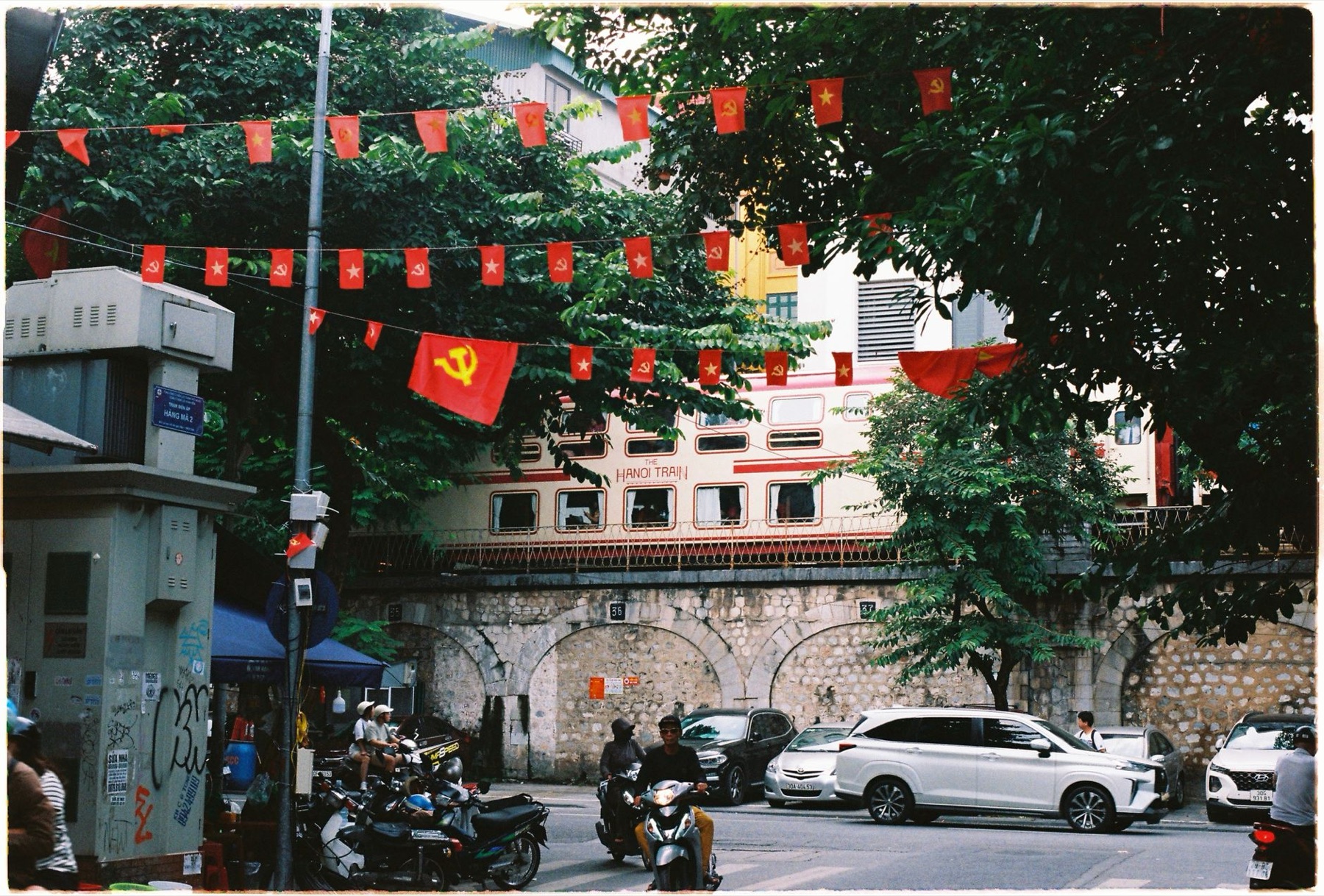
Old Quarter (Hoan Kiem district) is the default for travellers, but it's also where markup happens fastest. Phở shops on Hang Manh, Hang Gai, and the narrow lanes around Hoan Kiem Lake run 24/7 because foot traffic never stops. However, post-2 a.m., you're paying late-night premiums (10,000–15,000 VND extra per bowl). Skip the obvious tourist-fronting places; instead, hunt the unmarked wooden-door joints where locals queue at 1 a.m. Expect no English menus, cash only, plastic stools, and flavour that justifies the cramped conditions.
🗺️ Plan your route: Vietnam itinerary
Ba Dinh district (west of the Old Quarter, near the lake's north shore) has fewer foreign faces and better portion-to-price ratios. Hang Hanh and nearby side streets have 3–4 phở vendors who open 9 p.m. and run until 5 a.m. These aren't Instagram-ready; they're functional, cheap (around 35,000–45,000 VND / $1.40–$1.80), and crowded with taxi drivers and construction workers clocking out.
Tran Hung Dao Street (the main corridor south from Hoan Kiem) hosts late-night bánh mì stalls, cơm tấm counters, and noodle shops that peak 11 p.m.–3 a.m. The stretch near Dong Xuan Market intersection has a rotating cast of 5–6 vendors, most open midnight–5 a.m. Prices range 25,000–40,000 VND ($1–$1.60) for a full meal.
What's actually worth eating between 2 a.m. and 5 a.m.?
Phở—beef bone broth simmered 12+ hours—is the pillar. A proper bowl (phở bò) includes thin rice noodles, raw beef slices you push into hot broth, and fresh herbs (mint, basil, coriander). Pay 40,000–60,000 VND ($1.60–$2.40) for a large bowl with good broth clarity. Skip bowls under 35,000 VND; that's usually reheated stock. Ask for "phở bò tai" (rare beef) or "phở bò nam" (brisket); don't settle for overcooked chunks.
Bánh mì (Vietnamese sandwich) at midnight differs from breakfast versions. Night vendors use day-old baguettes (cheaper, less crispy—it's honest, not bad) and fill them with pâté, sausage, pickled vegetables, and mayo. Around 20,000–35,000 VND ($0.80–$1.40) per sandwich. Cơm tấm (broken-rice plates) come with grilled pork, egg, pâté, and pickles for 30,000–50,000 VND ($1.20–$2). The rice is fast to reheat; quality depends on how long the pork's been sitting (first hour = good; after 3 a.m. = risky).
Mì Hoàn (wonton noodle soup) opens late in pockets near Hang Dieu and Luong Ngoc Quyen; it's lighter than phở, costs 35,000–50,000 VND ($1.40–$2), and rarely appears on tourist maps.
Egg coffee (cà phê trứng) stays available at chain cafés like Giang (on Hang Manh, open 9 a.m.–11 p.m., sometimes later by request). Late-night travellers often grab one at 3–4 a.m. for a sugar hit. Around 50,000–70,000 VND ($2–$2.80).
🎟️ Compare tours & tickets for this place
| Dish | Best Time | Est. Price (VND) | Est. Price (USD) | Who It's For |
|---|---|---|---|---|
| Phở bò (large) | 11 p.m.–4 a.m. | 40,000–60,000 | $1.60–$2.40 | Serious eaters, full stomach |
| Bánh mì | midnight–5 a.m. | 20,000–35,000 | $0.80–$1.40 | Quick bite, late snack |
| Cơm tấm | 1 a.m.–4 a.m. | 30,000–50,000 | $1.20–$2 | Post-nightclub, no fuss |
| Mì Hoàn | 10 p.m.–3 a.m. | 35,000–50,000 | $1.40–$2 | Light appetite, noodle mood |
| Egg coffee | 9 a.m.–11 p.m. (negotiate late) | 50,000–70,000 | $2–$2.80 | Energy boost, dessert |
Why do prices jump after 2 a.m., and how do you avoid being overcharged?
Hanoi's night-food economy relies on surge pricing that's invisible to outsiders. After 2 a.m., demand (drunk tourists, late workers) exceeds supply (fewer vendors). A bowl that costs 40,000 VND at midnight becomes 50,000–55,000 VND by 3 a.m. at the same stall. It's not a scam; it's supply-and-demand capitalism on a plastic stool.
Avoid it by eating between 11 p.m. and 1:30 a.m. (peak value window) or waiting until 4:30 a.m. (vendors reset prices, crowds thin, food's fresher). Tourist-zone stalls (Hang Manh, Tran Hung Dao near the lake) mark up 20–30% after 1 a.m.; unmarked Old Quarter side streets (Hang Gai alleys, Hang Dao) hold steadier prices because locals patrol them.
Never order at a vendor who shows you a handwritten menu with prices in USD. That's a flag for 50%+ markup. Cash only; no card terminals ever exist at genuine late-night phở joints. Carry small notes (20,000–50,000 VND denominations) to avoid "no change" excuses.
How do you tell a clean late-night stall from a food-safety risk?
Look for broth colour and steam volume, not cleanliness aesthetics. A phở cauldron simmering at 1 a.m. has been boiling for 12+ hours; the heat kills pathogens. Cloudiness is normal (bone sediment); clarity means weak broth. If you can see the bottom of the pot, walk.
Meat that's been pre-cooked and stacked (for bánh mì or cơm tấm) is riskier post-3 a.m. in summer (April–September). Ask "này nấu bao lâu?" (how long ago was this made?). If the vendor says >2 hours, order something else. Trust your stomach: if a stall smells off, it probably is.
Verify utensils: spoons and bowls should be rinsed at the stall's water bucket visible to you. No washing = no eating. Wet napkins are standard; paper ones suggest cost-cutting.
📸 Book an ao dai photoshoot in Hanoi or Saigon (Cáo Studio)
Which late-night vendors have actually reliable hours, and where are they mapped?
Consistency is rare in Hanoi's informal economy. Most night stalls open when the owner decides (usually 10 p.m., sometimes 9 p.m.) and close when profit runs out (3 a.m.–5 a.m., depending on foot traffic). Don't plan around a single vendor.
Old Quarter phở anchors (usually 24 hours or near-close):
- Hang Manh area (Hoan Kiem district): 3–4 unnamed phở stalls, all opening 9 p.m.–4 a.m. Prices 45,000–55,000 VND. No Wi-Fi, locals only, peak 1–3 a.m.
- Hang Gai side alleys (narrow lanes east of the main drag): 2–3 phở vendors, 10 p.m.–5 a.m., 40,000–50,000 VND. Quieter than Hang Manh; better-quality broth.
Ba Dinh district (fewer tourists):
- Hang Hanh (corner of Phan Chu Trinh): phở and bánh mì, 9 p.m.–5 a.m., 35,000–45,000 VND. Cash only, no fuss.
Tran Hung Dao / Dong Xuan intersection:
- Rotating night vendors (bánh mì, cơm tấm, mì Hoàn), midnight–5 a.m., 25,000–50,000 VND. Spot-check before ordering; quality varies.
None of these have websites, phones, or set menus. We recommend wandering down Hang Gai or Hang Manh around 11:30 p.m., scanning the stalls, noting which has the clearest broth and longest queue, then committing. Peak eating hours (1 a.m.–2:30 a.m.) mean fresh stock and shorter waits than 4 a.m.
For more Hanoi dining context, check our full food guide.
What to check before you order at a late-night stall: a quick checklist
- Broth clarity: translucent = good; murky or greasy = skip.
- Steam volume: if the pot isn't actively bubbling, broth's been resting too long.
- Crowd presence: if locals are eating, food's safe. Empty stalls at 1 a.m. are suspicious.
- Vendor's age/routine: established vendors (40+) typically run tighter operations than teenagers.
- Price per bowl: 40,000–60,000 VND is normal for phở; under 30,000 VND or over 80,000 VND = tourist trap.
- Utensil rinsing: watch dishes being rinsed in visible water before serving.
- Your cash denominations: confirm price in VND, count change at the stall, carry small notes.
- Time of night: 11:30 p.m.–1:30 a.m. = best value and freshness. 4 a.m.–5 a.m. = clearance pricing but older stock.
If you're staying in Hanoi multiple nights and want a memory beyond street food, Cáo Studio offers ao dai photoshoots with professional makeup and hair in the Old Quarter or Ba Dinh; book at https://vietnamphotoshoot.com/hanoi.
For broader Hanoi itinerary planning—balancing nightlife, day temples, and food tours—use our Hanoi guide and consider our Vietnam itinerary planner if you're hitting multiple cities (Ho Chi Minh City, Hoi An, Ha Long Bay, Ninh Binh, Sapa all have distinct night-food cultures too).
Staying connected while hunting late-night spots? A Vietnam eSIM keeps your phone mapped and translating without relying on hostel Wi-Fi.
---
FAQ
Is it safe to eat at unmarked late-night stalls in Hanoi?
Yes, if broth is actively boiling and the stall is crowded with locals. The heat sterilizes food. Avoid pre-cooked meats sitting >3 hours post-3 a.m. in summer. Trust your senses: smell, steam, crowd presence. No English menu ≠ unsafe; it usually means cheaper and more authentic.
Why is phở so cheap at 2 a.m.?
Vendors buy bones in bulk (wholesale cost ~5,000–8,000 VND per serving), simmer 12+ hours (labour only), and operate on razor margins (5,000–8,000 VND profit per bowl). Late-night volume (100+ bowls per night) justifies staying open. Markup only happens in tourist-dense zones or after 3 a.m. surge pricing.
Can I find English menus or apps for late-night Hanoi food?
No apps track Hanoi's informal vendors; they appear and disappear seasonally. Google Maps shows some phở stalls with hours, but user-submitted data is unreliable. English menus exist only in touristy spots (Hang Manh, Tran Hung Dao near Old Quarter), which charge 20–30% more. Embrace pointing, photos on your phone, or asking "cái gì ngon?" (what's good?).
What's the difference between night phở and morning phở?
Night phở uses afternoon-simmered broth (8–12 hours old) or reheated morning stock. Morning phở uses fresh broth (overnight simmer, 12–18 hours). Night phở is still good but slightly less complex. Broth colour is your tell: golden = fresh, brownish = reheated. Taste the first spoonful before committing.
How much should I tip at a late-night stall?
Tipping is not customary at informal street food stalls in Hanoi, even at night. Rounding up (e.g., paying 45,000 VND for a 42,000 VND bowl) is appreciated but not expected. Hanoi stall owners rely on volume, not tips.
Are there late-night food tours or guides I can book?
Yes. Many hostels in the Old Quarter run informal late-night food walks (10 p.m.–midnight) for 200,000–400,000 VND ($8–$16). Quality varies wildly; guide knowledge and vendor relationships matter. Skip chain tour operators; ask your hostel staff for a personal recommendation, or use our tour comparison page to vet options.
FAQ
Is it safe to eat at unmarked late-night stalls in Hanoi?
Yes, if broth is actively boiling and the stall is crowded with locals. The heat sterilizes food. Avoid pre-cooked meats sitting >3 hours post-3 a.m. in summer. Trust your senses: smell, steam, crowd presence. No English menu ≠ unsafe; it usually means cheaper and more authentic.
Why is phở so cheap at 2 a.m.?
Vendors buy bones in bulk (wholesale cost ~5,000–8,000 VND per serving), simmer 12+ hours (labour only), and operate on razor margins (5,000–8,000 VND profit per bowl). Late-night volume (100+ bowls per night) justifies staying open. Markup only happens in tourist-dense zones or after 3 a.m. surge pricing.
Can I find English menus or apps for late-night Hanoi food?
No apps track Hanoi's informal vendors; they appear and disappear seasonally. Google Maps shows some phở stalls with hours, but user-submitted data is unreliable. English menus exist only in touristy spots (Hang Manh, Tran Hung Dao near Old Quarter), which charge 20–30% more. Embrace pointing, photos on your phone, or asking "cái gì ngon?" (what's good?).
What's the difference between night phở and morning phở?
Night phở uses afternoon-simmered broth (8–12 hours old) or reheated morning stock. Morning phở uses fresh broth (overnight simmer, 12–18 hours). Night phở is still good but slightly less complex. Broth colour is your tell: golden = fresh, brownish = reheated. Taste the first spoonful before committing.
How much should I tip at a late-night stall?
Tipping is not customary at informal street food stalls in Hanoi, even at night. Rounding up (e.g., paying 45,000 VND for a 42,000 VND bowl) is appreciated but not expected. Hanoi stall owners rely on volume, not tips.
Are there late-night food tours or guides I can book?
Yes. Many hostels in the Old Quarter run informal late-night food walks (10 p.m.–midnight) for 200,000–400,000 VND ($8–$16). Quality varies wildly; guide knowledge and vendor relationships matter. Skip chain tour operators; ask your hostel staff for a personal recommendation, or use [our tour comparison page](/vietnam/tours) to vet options.
More: Hanoi guide · What to eat in Hanoi