Hanoi · Food
Hanoi Must Try Food: 13 Dishes & Where to Eat Them 2026
By Wander in Vietnam editorial team · Hanoi, Vietnam
Hanoi's food reputation rests on a few timeless dishes made the same way for decades. Most appear in the Old Quarter (Hoàn Kiếm district), yet the best versions hide in side streets and wet markets where English menus don't exist. We've eaten through the neighbourhoods and tested the claims: here's what's genuinely worth your time, money, and stomach.
What makes Hanoi phở different from the rest of Vietnam?
Hanoi phở uses a clear, lighter broth than southern versions—simmered for 8–12 hours with beef bones, star anise, and cinnamon, then kept at a rolling boil. The noodles are thinner, and the bowl arrives with raw herbs and chilli on the side. A proper bowl costs around 35,000–60,000 VND ($1.40–2.40 USD) for a large at a local stall.
Skip: phở in central tourist strips (Trang Tien, Nguyen Hue area). Go for: early morning (6–9 AM) to family stalls in Hoan Kiem's residential lanes, or ask your accommodation's staff where they eat breakfast. The queue is your signal.
Key difference: phở broth should taste of bone and spice, not MSG. Taste a spoonful before paying.
🗺️ Plan your route: Vietnam itinerary
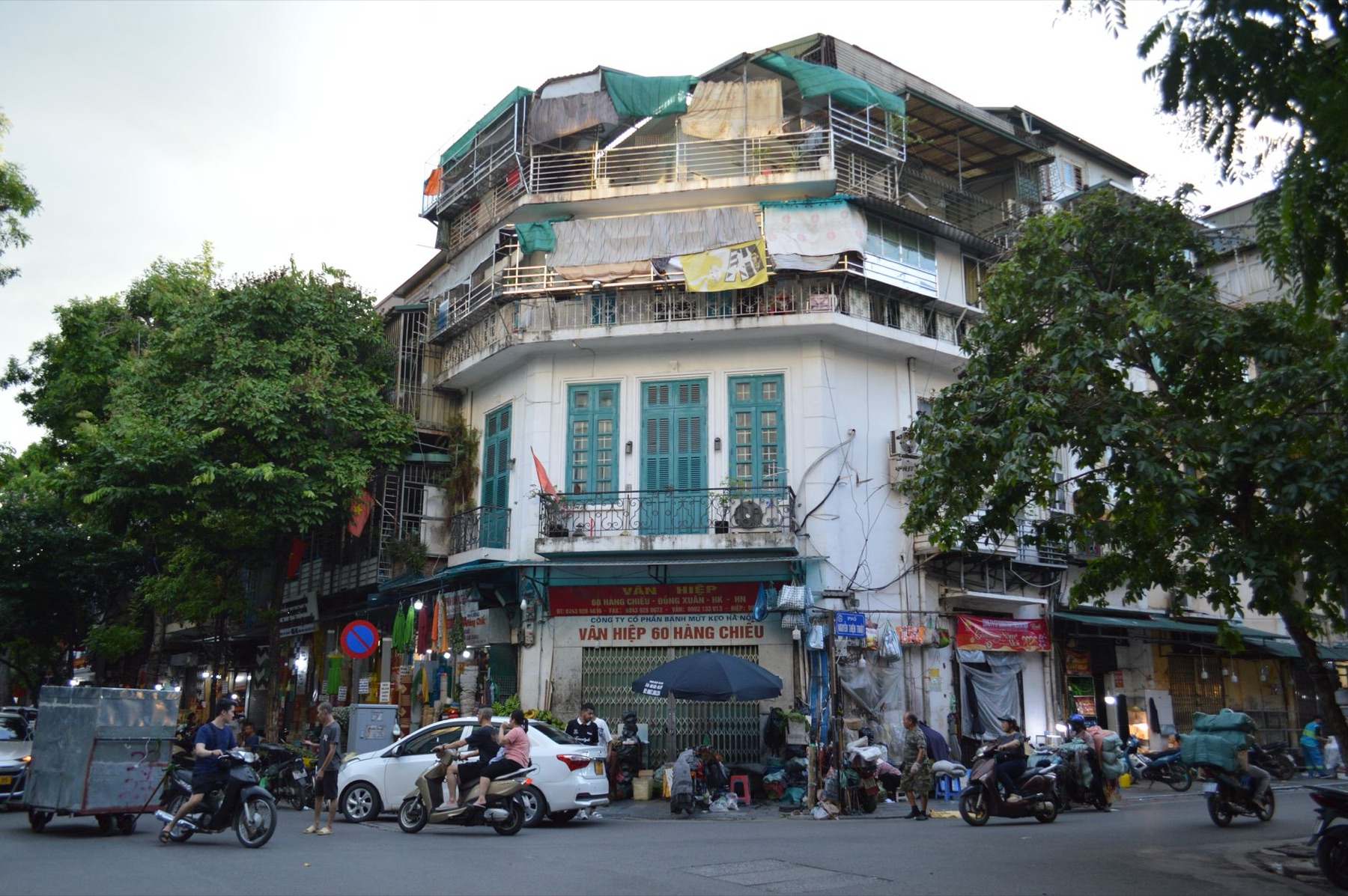
Where do locals really eat bún chả—and is it worth the hype?
Bún chả (charcoal-grilled pork patties and shrimp over cool noodles with dipping sauce) is Hanoi-born; you'll find inferior versions elsewhere. The magic is in the char—meat should smell smoky, not oily. A full plate runs around 50,000–85,000 VND ($2–3.40 USD).
Bun Cha Ta stall clusters occupy lanes off Hang Manh (near the Red River, Hoan Kiem district). You'll see tiny plastic chairs, open grills, and no signage—just a queue of workers at 11:30 AM. The dipping sauce (nuóc chám) should taste salty, sour, and faintly sweet; ask for extra chilli.
Honest note: bún chả tastes better when the street is hot and crowded. Eat sitting outside, not in a cleaned-up air-conditioned place. The stall experience is the dish.
Is Hanoi's egg coffee a gimmick or genuinely good?
Egg coffee (cà phê trứng)—whipped egg yolk, condensed milk, and dark robusta—emerged in the 1950s as a milk substitute during shortages. It's creamy, sweet, and warming. A cup costs around 30,000–50,000 VND ($1.20–2 USD) at dedicated cafés.
Genuine vs. tourist trap:
| Factor | Real Egg Coffee | Tourist Version |
|---|---|---|
| Egg freshness | Cracked same day, raw | Pre-made, sitting hours |
| Robusta quality | Bitter, earthy, poured fresh | Weak, reheated |
| Whisking | Whipped by hand, airy | Blended, oily |
| Atmosphere | Quiet, locals present | Selfie backdrops, no seating |
| Price | 30k–40k VND | 50k–80k VND |
Go to: Giang Cafe area (Hang Gai street, Hoan Kiem), but arrive before 10 AM or after 3 PM—avoid the selfie rush. Sit upstairs where locals rest between errands.
What to check: Ask if the egg is today's (hôm nay không?). If the barista hesitates, leave.
What street food should you skip, and why?
Skip:
- Bánh mì from tourist stalls (Nguyen Hue, Trang Tien). Bread goes stale by 2 PM; fillings are pre-cooked. Around 30,000–50,000 VND—overpriced for reheated meat.
- Crab soup from packaged stalls. Canned stock and frozen crab; locals make it fresh at home. Around 60,000–100,000 VND wasted.
- Pho in tourist restaurants. Broth tastes of seasoning powder. Around 80,000–150,000 VND—three times a street price for half the flavour.
Why they fail: tourists can't tell the difference, and volume beats quality. Restaurants source cheaper, pre-prepped ingredients to hit lunch rush margins.
🎟️ Compare tours & tickets for this place
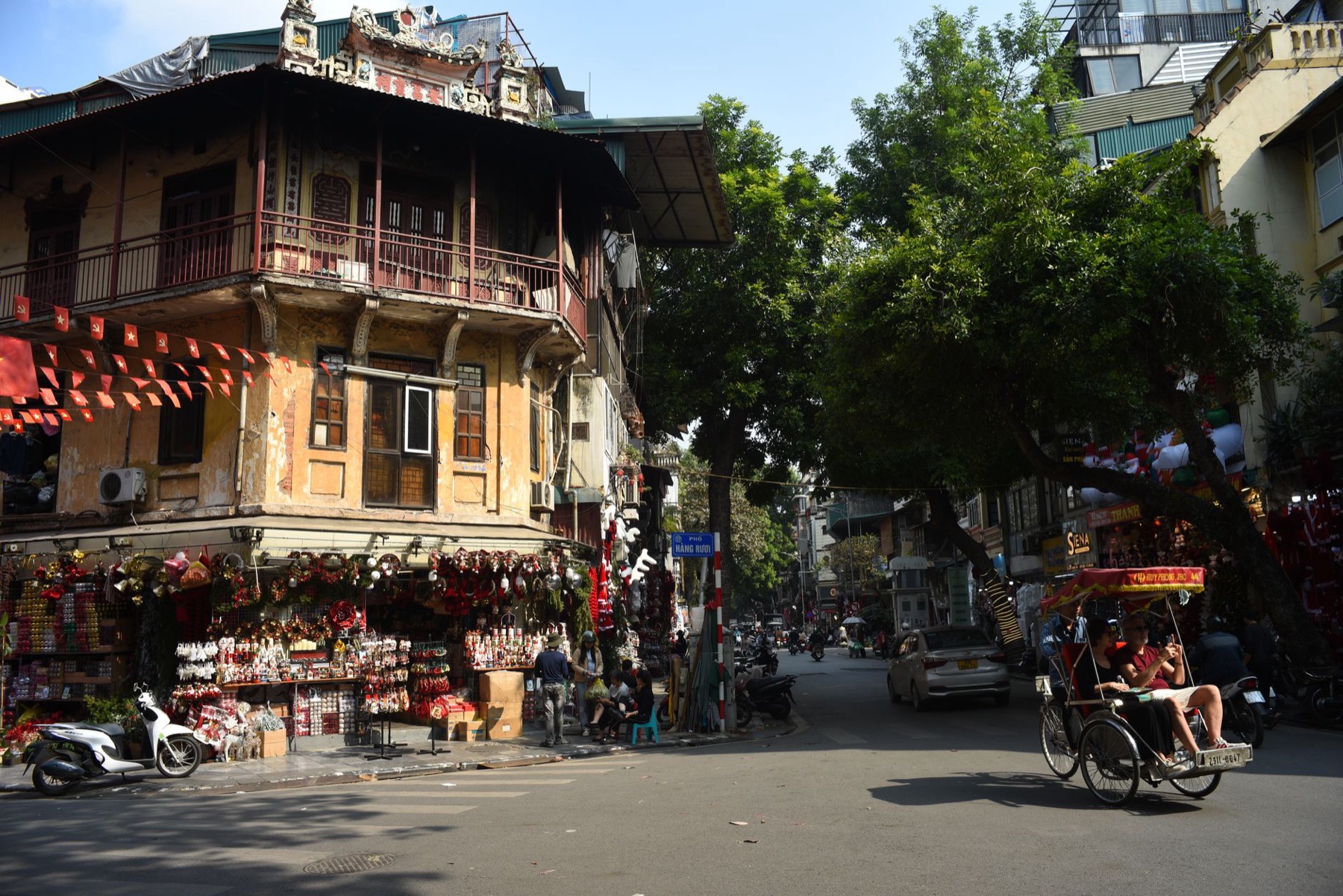
Which Hanoi neighbourhood has the best food density—and how to eat there?
Old Quarter (Hoan Kiem): Narrow lanes dedicated to single dishes. Hang Gai (egg coffee, silk), Hang Ga (poultry), Hang Dua (coconut). Stalls open 6 AM–10 AM and 5 PM–8 PM. Lunch (11 AM–2 PM) is quieter; breakfast and dinner roar.
Ta Hien Street: Famous for spring rolls and beer, but now 80% tourist—skip lunch here. Come at 6:30 AM for locals' spring roll breakfast (around 20,000–30,000 VND / $0.80–1.20 USD).
Dong Xuan Market (Hoan Kiem): Wet market, second floor has cooked food stalls. Crab, fish, offal soups; cheapest in the city. Around 40,000–70,000 VND ($1.60–2.80 USD). Go 6–8 AM before tourists arrive.
Ba Trieu Street (Hoan Kiem): Morning bánh mì and cơm tấm (broken-rice) stalls; real locals, no English. Around 25,000–50,000 VND ($1–2 USD). Open until 10 AM only.
Tây Hồ (West Lake): Perimeter path has family restaurants serving fresh fish, grilled squid, and water spinach. Pricier (around 100,000–200,000 VND / $4–8 USD per person), but quality is reliable and air-conditioned. Best at dusk.
What to check: Ask the stall owner how long they've been there. Five+ years = tried recipe. Spot where locals eat, not tourists.
🗺️ Explore Hanoi's neighbourhoods
How much should you budget for a proper Hanoi food crawl?
| Meal | Dish | Price (VND) | USD |
|---|---|---|---|
| Breakfast | Phở, side of bánh mì | 60k–80k | $2.40–3.20 |
| Mid-morning snack | Egg coffee, pastry | 40k–60k | $1.60–2.40 |
| Lunch | Bún chả + drink | 70k–100k | $2.80–4 |
| Afternoon | Chè (dessert soup) | 20k–30k | $0.80–1.20 |
| Dinner | Crab/fish stew, beer | 100k–150k | $4–6 |
| Daily total | 290k–420k | $11.60–16.80 |
Smart spending: Eat breakfast and lunch at stalls (you'll spend 35,000–50,000 VND), splurge once on a proper restaurant dinner. Markets often offer "eat here" rates if you buy from their stall.
What to check before you buy: Ask the price first in Vietnamese or point at someone else's bowl. No menu = ask "Bao nhiêu?" (How much?). Keep small notes; stalls rarely have change.
---
How does Hanoi street food compare to other Vietnamese cities?
We've written guides to Ho Chi Minh City, Hoi An, and Ha Long Bay. Hanoi's food is the most time-locked—dishes taste the way they did fifty years ago. Ho Chi Minh City's food is faster, spicier, and more Americanised. Hoi An's is tourist-friendly and refined. Ninh Binh's is rural and vegetable-heavy.
For whom Hanoi is best: history-minded eaters, early risers, those content with plastic chairs and elbows-out eating. If you need quiet, air-con, or leisurely meals, southern cities suit better.
🎟️ Compare tours & tickets for this place
---
Packing and planning: what you need to eat safely
- Cash: Stalls don't accept cards. Withdraw at 7-Eleven; ATMs charge around 4,500–5,500 VND ($0.18–0.22 USD) per transaction.
- Small notes: 10k and 20k VND notes. No change for 100k notes.
- Stomach prep: Eat cooked food, not salads from unknown sources. Peel fruit yourself.
- Phone: Get a Vietnam eSIM before arrival so you can call your accommodation if queasy.
- Timing: Breakfast 6–9 AM, lunch 11 AM–1 PM, dinner 5–8 PM. Stalls close between shifts.
What to check: Never eat from a stall that looks unused or has flies. Busy = fresh = safe.
---
📸 Book an ao dai photoshoot in Hanoi or Saigon (Cáo Studio)
FAQ
Is street food in Hanoi actually safe to eat?
Yes, if you pick busy stalls. High turnover means fresh ingredients and frequent cleaning. Avoid food sitting under sun; prefer cooked dishes over raw. Locals eat here daily without illness. Start conservative—try phở before adventurous dishes like offal soup.
How much is a typical Hanoi meal, and do stalls accept cards?
A full street meal costs 50k–100k VND ($2–4 USD). Stalls accept cash only. No cards. Withdraw at 7-Eleven before eating. Tip isn't expected but always appreciated if you leave coins.
What's the best time to eat at Hanoi street stalls?
Breakfast (6–9 AM) and lunch (11 AM–1 PM) are peak local times. Food is hottest, crowds thinnest, and stalls haven't run low. Dinner (5–8 PM) is also good. Avoid 10 AM–11 AM and 2–4 PM—stalls are closed or restocking.
Are there vegetarian options on Hanoi's street food scene?
Yes, but limited. Try chè (sweet dessert soup with beans, tapioca), cơm chay (vegetable rice), and spring rolls. Many phở stalls offer vegetarian broth—ask "phở rau" or point. Tây Hồ restaurants have wider vegetarian menus. Morning wet markets sell fresh greens to cook.
Do I need a visa before flying to Hanoi, and how do I stay connected?
US, UK, EU, Australia, and most Western passports get 90 days visa-free. If you need a visa, apply online at Vietnam e-visa. Get a Vietnam eSIM before landing to stay connected and find stalls via maps—essential when navigation is key.
How do I order food in Hanoi if I don't speak Vietnamese?
Point at what locals are eating. Learn "Một bánh / một phở / một cà phê" (one bánh / phở / coffee). Say "Bao nhiêu?" (How much?). Use Google Translate's camera to read prices. Smile—stall owners are patient with tourists who show respect and curiosity.
FAQ
Is street food in Hanoi actually safe to eat?
Yes, if you pick busy stalls. High turnover means fresh ingredients and frequent cleaning. Avoid food sitting under sun; prefer cooked dishes over raw. Locals eat here daily without illness. Start conservative—try phở before adventurous dishes like offal soup.
How much is a typical Hanoi meal, and do stalls accept cards?
A full street meal costs 50k–100k VND ($2–4 USD). Stalls accept cash only. No cards. Withdraw at 7-Eleven before eating. Tip isn't expected but always appreciated if you leave coins.
What's the best time to eat at Hanoi street stalls?
Breakfast (6–9 AM) and lunch (11 AM–1 PM) are peak local times. Food is hottest, crowds thinnest, and stalls haven't run low. Dinner (5–8 PM) is also good. Avoid 10 AM–11 AM and 2–4 PM—stalls are closed or restocking.
Are there vegetarian options on Hanoi's street food scene?
Yes, but limited. Try chè (sweet dessert soup with beans, tapioca), cơm chay (vegetable rice), and spring rolls. Many phở stalls offer vegetarian broth—ask "phở rau" or point. Tây Hồ restaurants have wider vegetarian menus. Morning wet markets sell fresh greens to cook.
Do I need a visa before flying to Hanoi, and how do I stay connected?
US, UK, EU, Australia, and most Western passports get 90 days visa-free. If you need a visa, apply online at [Vietnam e-visa](/vietnam/visa). Get a [Vietnam eSIM](/vietnam/esim) before landing to stay connected and find stalls via maps—essential when navigation is key.
How do I order food in Hanoi if I don't speak Vietnamese?
Point at what locals are eating. Learn "Một bánh / một phở / một cà phê" (one bánh / phở / coffee). Say "Bao nhiêu?" (How much?). Use Google Translate's camera to read prices. Smile—stall owners are patient with tourists who show respect and curiosity.