Hanoi · Food
Hanoi Night Street Food: Where to Eat, What to Order, Prices 2026
By Wander in Vietnam editorial team · Hanoi, Vietnam
Hanoi night street food is not about fancy plating—it's about speed, flavour, and value. The city transforms after dark: every alleyway in the Old Quarter, every corner of Ba Đình, every sidewalk near Hoàn Kiếm Lake fills with vendors who cook one dish perfectly and repeat it thousands of times. If you come hungry and curious, you'll eat better and cheaper than in any restaurant. If you wander blind, you'll overpay, get ripped off on change, or eat from a cart that hasn't been properly cleaned since breakfast.
This guide shows you where to stand, what to order, what each dish costs, and what separate genuine stalls from tourist traps.
📸 Book an ao dai photoshoot in Hanoi or Saigon (Cáo Studio)
Which neighbourhoods have the best night street food in Hanoi?
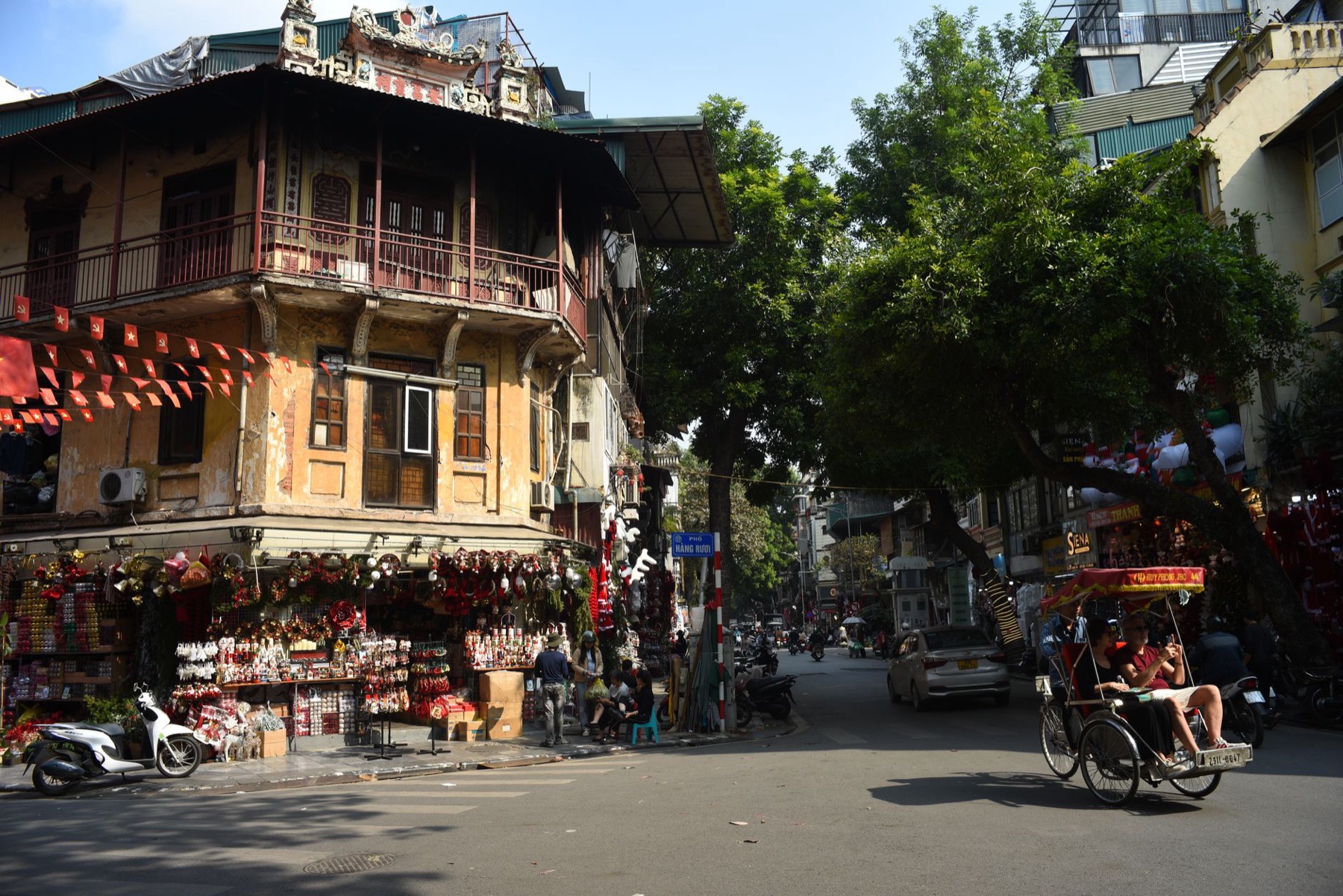
The Old Quarter (Hoàn Kiếm district, between Hàng and Tràng streets) is the tourist hub—busy, visual, and familiar. Tả Hiên Street runs food-soaked every evening. It's convenient, English-friendly, but prices lean 20–30% higher. Locals eat here only when showing visitors around.
Ba Đình district, particularly around Hàng Cốm and Triệu Khúc streets, hosts fewer backpackers and steadier crowds of office workers and students. Stalls here open earlier (5 p.m.) and close earlier (10 p.m.). Prices are genuine—no "foreigner markup" yet. Hoàn Kiếm district beyond the lake (around Quán Sứ and Chương Dương) offers pho cua (crab noodle soup) and bánh hoai (Hoi An-style pancakes) with minimal tourism infrastructure. Dong Da district, particularly near Trần Đại Nghĩa, is residential and quietest—local families cook in doorways, stalls occupy permanent corners, and tables feel semi-permanent.
If you're planning a multi-city Vietnam trip, night street food is cheapest and most authentic in secondary cities like Hoi An and Ninh Binh, where prices drop another 20–30%.
What are the real prices and portion sizes?
| Dish | Size | Price (VND) | USD | What to Know |
|---|---|---|---|---|
| Bún chả | Full bowl + pork + herbs | 45,000–65,000 | $2–3 | Lunch = smaller; dinner = tourist portions. Dipping sauce is separate. |
| Bánh mì | One sandwich | 25,000–45,000 | $1.20–2.20 | Pâté, egg, mayo inside; pickled vegetables. Bread softness = freshness gauge. |
| Egg coffee | One cup | 30,000–50,000 | $1.50–2.50 | Whipped egg foam on hot coffee; sip slowly; straw optional. Touristy cafés charge double. |
| Phở ga (chicken) | Large bowl | 35,000–55,000 | $1.70–2.70 | Broth quality varies wildly; taste before adding extras. Old vendors = better stock. |
| Meatball noodle soup | Bowl | 40,000–60,000 | $2–3 | Meatballs (made that morning) + alkaline noodles + pork broth. Chewy = fresh. |
| Spring rolls (fried) | 4–5 pieces | 30,000–50,000 | $1.50–2.50 | Crisp exterior signals fresh oil. Limp roll = day-old oil. |
| Bánh hoai (Hoi An style) | One | 15,000–25,000 | $0.75–1.20 | Rice flour base, shrimp inside. Only in certain stalls; ask locals. |
| Grilled squid skewers | 2–3 pieces | 40,000–70,000 | $2–3.50 | Char marks matter; dry squid is overcooked. Smell first. |
Old Quarter vendors charge 50,000–70,000 VND for the same bún chả that costs 40,000–50,000 in Ba Đình. Mint leaf bundles, lime, and chilies are always free. Never pay for ice water—it's complimentary everywhere.
How do you spot a safe stall versus a tourist trap?
Three signals separate safe from risky:
Crowd composition: Stalls surrounded by local families, office workers eating standing up, and delivery-bag cyclists queuing are safe. Stalls with colour-coded menus in English, glowing lanterns, and Instagram hashtags painted on the walls are pricing for tourism, not safety—risk is lower but prices are 30–50% higher.
Ingredient visibility: Walk past the stall before ordering. Can you see the pork being grilled? Are vegetables in sealed containers? Is the cook wearing gloves (rare but good)? Do ice cubes look cloudy (sign of dubious water)? Sketchy operations hide their prep. Legitimate vendors cook openly—they're proud of speed and freshness.
Water and ice: Tap water in Hanoi is not dangerous, but street-vendor ice can be questionable if made from unfiltered water. Sealed plastic bottles are always safe. Never order ice water—ask for a sealed bottle or black tea instead. This eliminates 90% of stomach issues.
Cash and change: Tourist stalls often "run out of small change" and offer you a free candy or handkerchief instead (worth 2,000 VND, not the 5,000 you're owed). Carry exact change or use a sealed packet of small bills. Mobile payment (Momo, ViettelPay) is increasingly accepted but not guaranteed.
🗺️ Plan your route: Vietnam itinerary
Which dishes should first-time visitors order?
Start with bún chả. It's the unofficial national dish of Hanoi night eating. Grilled pork (charred, slightly chewy) goes into a bowl with cold noodles, fresh herbs (mint, dill, cilantro), and a fish-sauce dipping liquid. It's balanced, visual, and forgiving—even mediocre versions taste good. Cost: 45,000–60,000 VND ($2–3) in Ba Đình or Dong Da.
Second: bánh mì. One sandwich, crusty outside, soft inside, packed with pâté, egg, pickled carrot, daikon, chilies, and cilantro. It's lunch food eaten at night, ready in 2 minutes, and calories-dense (eat it first, not last). 30,000–40,000 VND ($1.50–2) in residential areas. Old Quarter versions cost 45,000–55,000 VND ($2.20–2.70).
Third: phở ga (chicken pho) in winter, or egg coffee as a stand-alone dessert-drink in summer. Phở is a whole ritual—taste broth first, then add chili, lime, herbs. Egg coffee is Instagram-bait but tastes genuinely good if made fresh. Both force you to sit and slow down. Phở: 40,000–55,000 VND ($2–2.70). Egg coffee: 35,000–50,000 VND ($1.70–2.50) at dedicated cafés.
Skip: grilled chicken heart or liver unless you're certain of the vendor's hygiene. Organ meats are delicious but highest-risk for contamination.
What time should you go, and how long will you wait?
Peak hours are 7 p.m. to 10 p.m. Arrive at 6:45 p.m., and you'll find half-empty stools and patient vendors. Arrive at 8 p.m., and you'll queue 5–15 minutes depending on the stall. After 10 p.m., vendors start packing (some stay until 11 p.m. or midnight, especially on weekends).
Popular stalls never take reservations—it's first-come, first-served. If the stool next to you looks recently wiped and warm, someone just left; wait 30 seconds for the vendor to reset it. Vendors work fast: order → cook → eat → leave. Average table turnover is 15–20 minutes. Eating standing up at a high counter is normal and faster.
Expect 20–40 minutes total per stop if you order soup or noodles. Bánh mì and spring rolls are ready in 5 minutes. Egg coffee takes 10 minutes to prepare (whipping the egg takes time). Plan 2–3 hours for a "street food crawl" hitting 3–4 different dishes at different stalls.
🎟️ Compare tours & tickets for this place
What should you check before ordering?
Hygiene checklist:
- Water for washing hands or rinsing utensils = sealed bottle or visible filter jug (not tap)
- Stools and tables = wiped with cloth (not rinsed)
- Cooked items = covered or shielded from street dust
- Meat on display = not left in sun for hours (smell test: fresh meat has no odour)
- Vendor's hands = contact with money followed by food? Yes? Skip this stall.
Pricing checklist:
- Ask price before ordering (point to dish, ask "Bao nhiêu?" = how much?)
- Carry 100,000 VND or smaller bills; vendors sometimes claim inability to make change for 500,000 notes
- Tipping is not expected; rounding up is kind
- Agree on portion size if uncertain ("Normal size or large?")
Comfort checklist:
- Bring tissues or napkins (stalls rarely provide them)
- Wear clothes you don't mind staining with sauce
- Download offline maps or save the Hanoi guide on your phone (data connection is unreliable near crowded stalls)
- Use Vietnam eSIM for reliable mobile access if planning to navigate alone
---
Honest opinion: Street food in Hanoi is genuinely better value than restaurants—more flavour per dollar, fresher ingredients because turnover is instant, and a richer snapshot of how locals actually eat. The risk is low if you follow the crowd and use common sense. The mistake is eating in the Old Quarter under the assumption that tourism = safety and quality. It doesn't. The safest and tastiest night eating happens in Ba Đình and Dong Da, where the real Hanoi eats.
FAQ
Is street food in Hanoi safe for tourists?
Yes, if you choose busy stalls, avoid tap-water ice, and pick vendors cooking openly. Stomach issues are rare with sealed water and hand hygiene. Locals eat it daily; tourists overthink. Busy = safe. Empty = skip.
How much should I budget for night street food per meal?
40,000–70,000 VND ($2–3.50) per dish. A full evening crawl (3–4 stalls) costs 120,000–200,000 VND ($6–10). Restaurants charge 3–5× more for identical dishes.
What's the difference between Old Quarter and Ba Đình pricing?
Old Quarter vendors charge 20–50% premiums due to foot traffic and tourists. Ba Đình and Dong Da are 30–50% cheaper for identical quality. Same bún chả: 60,000 VND (Old Quarter) vs. 45,000 VND (Ba Đình).
Do I need to speak Vietnamese to order?
No. Point at what you want, show a photo on your phone, or use Google Translate's camera app. Locals are patient. A smile and "Cảm ơn" (thank you) matter more than fluency.
Which night street food dishes are best in summer vs. winter?
Summer: egg coffee, spring rolls, cold noodles (bánh chả). Winter: phở, meatball soup, hot coffee. Vendors often specialize seasonally—ask what's fresh.
Can I order delivery or takeaway, or is it eat-in only?
Most stalls are eat-in. Some wrap bánh mì for takeaway. Soup is rarely to-go (spillage risk). Grab and Be apps list some vendors, but street stalls rarely join delivery platforms—it cuts margins.
FAQ
Is street food in Hanoi safe for tourists?
Yes, if you choose busy stalls, avoid tap-water ice, and pick vendors cooking openly. Stomach issues are rare with sealed water and hand hygiene. Locals eat it daily; tourists overthink. Busy = safe. Empty = skip.
How much should I budget for night street food per meal?
40,000–70,000 VND ($2–3.50) per dish. A full evening crawl (3–4 stalls) costs 120,000–200,000 VND ($6–10). Restaurants charge 3–5× more for identical dishes.
What's the difference between Old Quarter and Ba Đình pricing?
Old Quarter vendors charge 20–50% premiums due to foot traffic and tourists. Ba Đình and Dong Da are 30–50% cheaper for identical quality. Same bún chả: 60,000 VND (Old Quarter) vs. 45,000 VND (Ba Đình).
Do I need to speak Vietnamese to order?
No. Point at what you want, show a photo on your phone, or use Google Translate's camera app. Locals are patient. A smile and "Cảm ơn" (thank you) matter more than fluency.
Which night street food dishes are best in summer vs. winter?
Summer: egg coffee, spring rolls, cold noodles (bánh chả). Winter: phở, meatball soup, hot coffee. Vendors often specialize seasonally—ask what's fresh.
Can I order delivery or takeaway, or is it eat-in only?
Most stalls are eat-in. Some wrap bánh mì for takeaway. Soup is rarely to-go (spillage risk). Grab and Be apps list some vendors, but street stalls rarely join delivery platforms—it cuts margins.
More: Hanoi guide · What to eat in Hanoi