Hanoi · Food
Hanoi Old Quarter Street Food: Guide to Cheap Eats & Where to Buy
By Wander in Vietnam editorial team · Hanoi, Vietnam
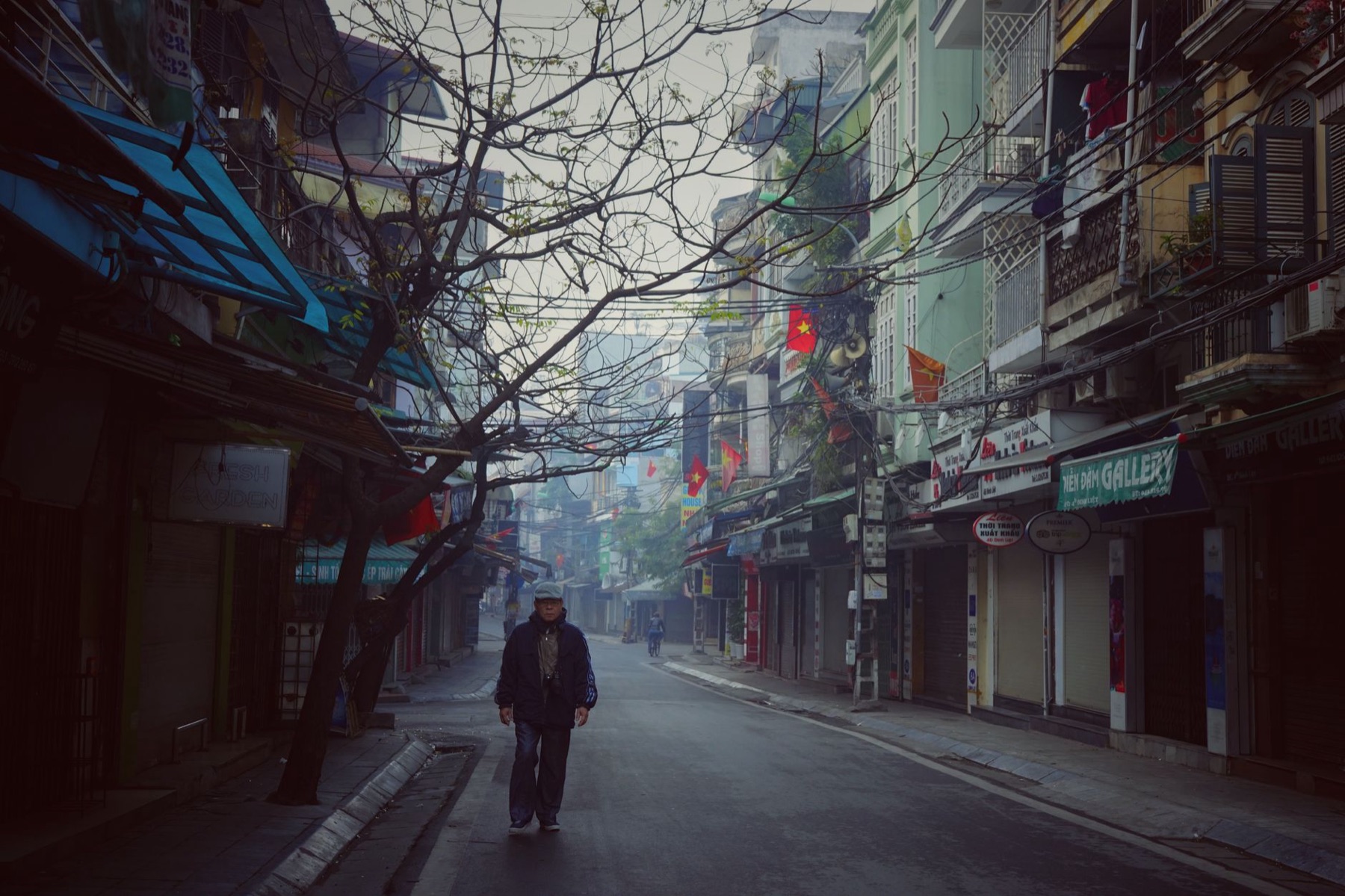
Hanoi's Old Quarter is where street food still defines daily life. You're not hunting Instagram moments; you're eating as Hanoians do—quick, cheap, standing or perched on a plastic stool that leaves your knees at chin height. The narrow lanes between Hoan Kiem Lake and the Red River hold hundreds of tiny stalls, each one often serving just one or two dishes perfected over decades. But navigating the chaos, knowing what's worth stopping for, and understanding what actually costs matters if you want authentic food and avoid waste.
We've eaten across these lanes dozens of times. We know which stalls move product so fast the raw ingredient quality never matters, which dishes carry food-safety risks for sensitive stomachs, and how much you should genuinely expect to spend. This guide strips away romance and gives you a working framework.
What exactly counts as Old Quarter street food?
Old Quarter street food is any dish sold on the street, in a narrow shophouse, or at a market stall—not a restaurant. Vendors often specialize: one stall sells only pho, another only bánh mì, a third only egg coffee or fried snails. Most have been at the same corner for 10–20 years. You order, pay cash, and eat within view of the griddle or pot.
🗺️ Plan your route: Vietnam itinerary
Which dishes are safest and best value for visitors?
| Dish | What it is | Typical price (VND) | Who it's for | Why it works | Risk level |
|---|---|---|---|---|---|
| Phở gà (chicken pho) | Broth, rice noodles, poached chicken | 35,000–50,000 (~$1.40–2) | All visitors, breakfast | Boiled to death; hard to spoil | Very low |
| Bánh mì | Baguette, pâté, pickles, herbs | 25,000–40,000 (~$1–1.60) | Budget travelers | Keeps well; filling | Low (watch mayo) |
| Bánh cuốn | Rolled rice sheet, pork, mushroom | 30,000–45,000 (~$1.20–1.80) | Adventurous; breakfast | Soft, delicate, usually fresh daily | Low–medium |
| Fried snails (ốc) | Spiral shells, garlic, turmeric broth | 40,000–70,000 (~$1.60–2.80) | Brave eaters; dinner | Chewy, intense, unique | Medium |
| Egg coffee (cà phê trứng) | Robusta, egg yolk foam, condensed milk | 30,000–50,000 (~$1.20–2) | All visitors | Rich, sweet, memorable | Very low |
| Bánh bao (steamed bun) | Dough, pork, egg, mushroom | 15,000–25,000 (~$0.60–1) | Budget travelers, breakfast | Warm, satisfying | Very low |
| Spring rolls (nem or giò cuốn) | Fried or fresh, pork, shrimp, herbs | 20,000–35,000 (~$0.80–1.40) | All visitors | Best fried; check oil | Low–medium |
The safest bet: anything that's boiled (phở, bánh cuốn, bánh bao). The riskiest: raw-ingredient dishes (gỏi) and anything with mayo kept unrefrigerated. If your stomach is sensitive, stick to pho, steamed items, and egg coffee for your first week.
📸 Book an ao dai photoshoot in Hanoi or Saigon (Cáo Studio)
How do you find the real, not-for-tourists stalls?
Real stalls share three signals: a line of locals at 7am, a chalkboard menu (or no menu at all), and plastic stools so worn they're almost sticky. If you see laminated pictures, a sign in English, or staff hovering near you, you've found a tourist trap charging 1.5x the real price. Hunt stalls on narrow side streets off Hang Dao and Hang Gai—not the main drag. If you see only tourists, walk 50 metres deeper into the lane. The breakfast crowd vanishes by 9am; dinner crowds peak at 6–7pm.
Ask your guesthouse or hostel for a hand-drawn map. Hanoians will point you; tourists will not. If a vendor doesn't have a till, that's often a good sign—cash-only, high volume, low margins.
What should you check before you order and eat?
Food safety checklist for Old Quarter street food:
- Oil colour: Fried food oil should be light gold. If it's dark brown, the oil has been reused too many times; skip it.
- Ingredient movement: Watch the stall for 2 minutes. Is someone cooking constantly? That means fresh batches every few minutes.
- Utensil washing: Do you see them dipping spoons or tongs in a bucket? If the bucket looks stagnant, order something that doesn't touch many tools.
- Your stomach prep: Eat something bland that morning. Don't arrive hungry and desperate; you'll accept lower standards.
- Condiments: Chilli paste, lime, fish sauce. Taste-test these first—vendors expect it. If they're in squeezed plastic bottles, they've likely been refilled many times.
- Meat appearance: Pork should be pale pink or white. If it's grey or has a waxy sheen, walk.
- Timing: 7–8am or 5–7pm. Avoid 11am–4pm when turnover slows and food sits.
🎟️ Compare tours & tickets for this place
Where exactly should you go—and avoid?
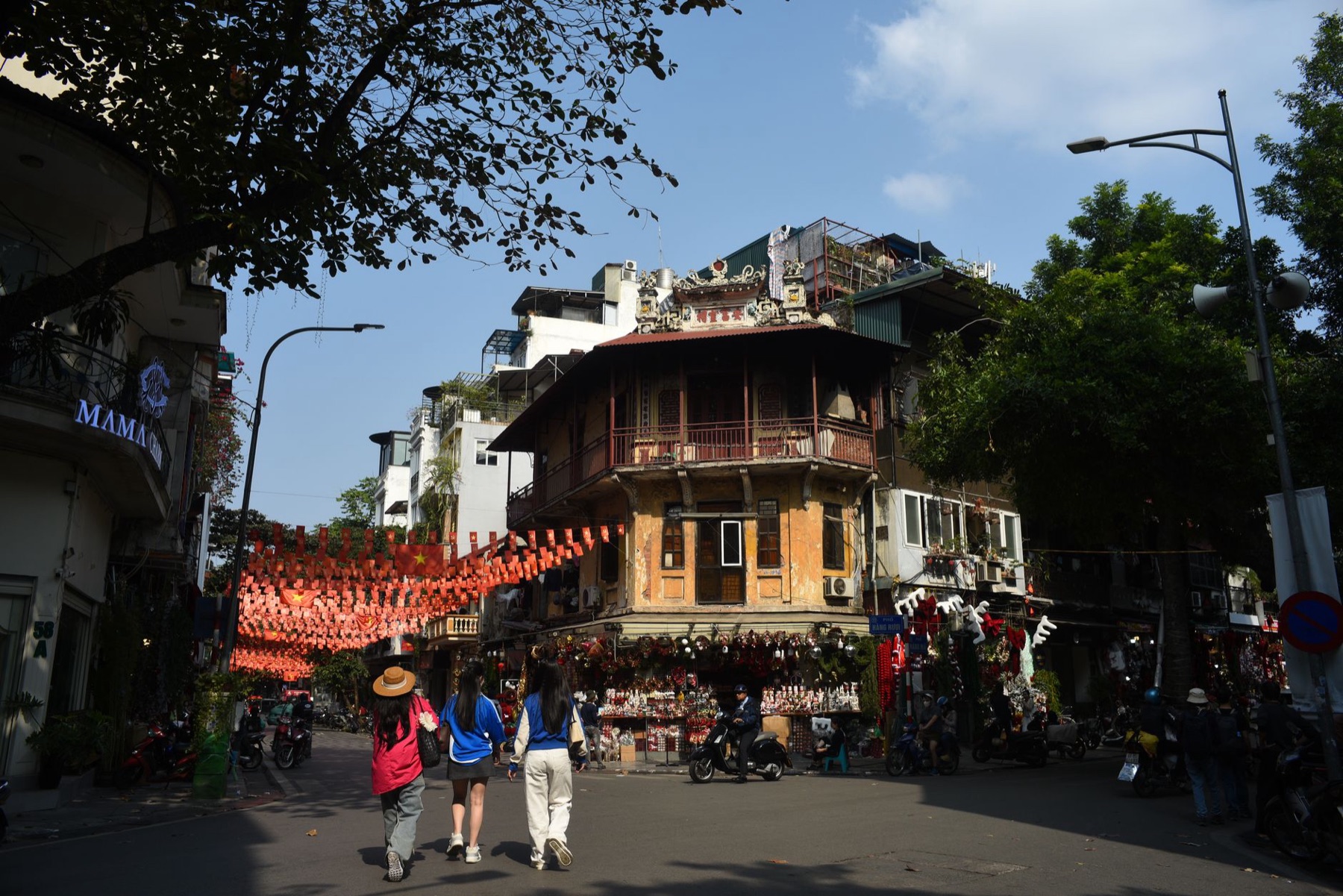
Best lanes for variety and density:
- Hang Dao (Silver Street): pho, spring rolls, bánh mì. Busy, chaotic, many tourists but real stalls still exist on side alleys.
- Hang Gai (Silk Street): bánh cuốn, phở gà, egg coffee. Slightly calmer, still authentic.
- Ta Hien (main tourist street): skip the frontage; go to the tiny alleys branching east or west.
- Dong Xuan Market: inside the covered market, north side has breakfast pho and bánh bao at local prices. Less romantic but safest for tourists with sensitive stomachs.
Avoid:
- Ta Hien tourist stall clusters: marked-up prices (50,000+ for phở), rushed service, water refilled in front of you.
- Stalls facing a photo-taking crowd: you're paying for the view, not the food.
- Places with laminated menus and prices in dollars: walk on.
How much should you realistically spend?
A full meal (main dish + drink or coffee) costs around 50,000–90,000 VND ($2–3.60) if you eat where locals eat. A tourist trap meal costs 100,000–150,000 VND ($4–6). The difference isn't quality; it's location and signage.
Budget 200,000–300,000 VND ($8–12) per day for two meals of street food plus coffee or beer, assuming breakfast and one big dinner. Lunch is optional if you sleep in.
Never let a vendor pressure you into ordering more than you want. "One phở" means one bowl. If they don't speak English, point and hold up one finger.
---
What if your stomach gets upset?
Bring oral rehydration salts (you can find them at any pharmacy for around 20,000 VND / $0.80). Eat plain rice or bread for 24 hours. Most upset stomachs from street food are dehydration, not serious infection. If symptoms last more than 36 hours, visit an international clinic; Hanoi has many in districts 1 and Ba Dinh.
To minimize risk on your first week: eat phở and egg coffee. Both are nearly impossible to spoil. By day four or five, your gut bacteria have adapted enough to handle bánh cuốn and spring rolls. By day seven, you're ready for fried snails and gỏi.
---
🗺️ Plan your route: Vietnam itinerary
Eating street food in Hanoi's Old Quarter is not performance or tourism theater. It's the cheapest, fastest, most authentic way to understand how Hanoians actually eat. You'll sit shoulder-to-shoulder with construction workers, students, and office staff. Prices are non-negotiable. Service is brusque. And the food—when you choose right—is cleaner and fresher than most restaurants.
Start with breakfast. Phở takes 15 minutes and costs less than a coffee in any Western city. By the end of your trip, you'll know three or four stalls by sight and order without pointing.
For photo memories of your street-food adventure, consider booking an ao dai photoshoot in Hanoi to capture yourself in traditional dress among the Old Quarter's lanes—makeup, hair, and professional shots included.
---
More city guides:
---
FAQ
Is Old Quarter street food actually safe for visitors from the West?
Yes, if you follow the timing and oil-colour checks above. Boiled dishes (phở, bánh cuốn) are safest. Most upsets come from mayo or oil reuse, not raw meat. Eat at busy stalls; they turn inventory fast. Your gut adapts by day three to four.
How much cash should I carry?
Bring 500,000 VND ($20) for a full day of street food, coffee, and beer. Most stalls take only cash. ATMs are on Hang Dao and Hang Gai every 100 metres. No card fees at ATMs, but your home bank may charge.
What's the difference between bánh mì and bánh cuốn?
Bánh mì is a baguette sandwich (pâté, herbs, pickles). Bánh cuốn is a thin, soft rice noodle sheet rolled with pork and mushroom, eaten with fish sauce. Bánh cuốn is softer, wetter, more delicate. Bánh mì is more substantial and keeps well if you want to eat later.
Can I haggle on price?
No. Street food prices in Hanoi are fixed, non-negotiable, and posted on chalkboards or signs. Haggling is insulting and marks you as a troublemaker. You pay what it says or you leave.
Should I eat at the same stall twice?
Yes. If you find a stall you trust, return. Vendors remember repeat customers and often give you an extra scoop or skip the rush. This builds familiarity and confidence in food safety.
What's the best time to visit the Old Quarter for food?
Early morning (6–8am) for breakfast phở and bánh bao. Early evening (5–7pm) for full meals and fried snails. Avoid 11am–3pm; stalls are slow and food sits. Late night (9pm+) catches the drunk-food crowds but quality drops.
FAQ
Is Old Quarter street food actually safe for visitors from the West?
Yes, if you follow the timing and oil-colour checks above. Boiled dishes (phở, bánh cuốn) are safest. Most upsets come from mayo or oil reuse, not raw meat. Eat at busy stalls; they turn inventory fast. Your gut adapts by day three to four.
How much cash should I carry?
Bring 500,000 VND ($20) for a full day of street food, coffee, and beer. Most stalls take only cash. ATMs are on Hang Dao and Hang Gai every 100 metres. No card fees at ATMs, but your home bank may charge.
What's the difference between bánh mì and bánh cuốn?
Bánh mì is a baguette sandwich (pâté, herbs, pickles). Bánh cuốn is a thin, soft rice noodle sheet rolled with pork and mushroom, eaten with fish sauce. Bánh cuốn is softer, wetter, more delicate. Bánh mì is more substantial and keeps well if you want to eat later.
Can I haggle on price?
No. Street food prices in Hanoi are fixed, non-negotiable, and posted on chalkboards or signs. Haggling is insulting and marks you as a troublemaker. You pay what it says or you leave.
Should I eat at the same stall twice?
Yes. If you find a stall you trust, return. Vendors remember repeat customers and often give you an extra scoop or skip the rush. This builds familiarity and confidence in food safety.
What's the best time to visit the Old Quarter for food?
Early morning (6–8am) for breakfast phở and bánh bao. Early evening (5–7pm) for full meals and fried snails. Avoid 11am–3pm; stalls are slow and food sits. Late night (9pm+) catches the drunk-food crowds but quality drops.