Hanoi · Food
Hanoi Old Quarter Street Food Stalls: What to Order & What to Skip
By Wander in Vietnam editorial team · Hanoi, Vietnam
Hanoi's Old Quarter is the city's original neighborhood for street food, where vendors have worked the same corner for decades. Stalls here serve pho, banh mi, egg coffee, and grilled meats for around 20,000–80,000 VND ($0.80–$3.20). Quality depends on turnover, cleanliness, and how long the stall has operated. Wander in Vietnam recommends choosing vendors with steady foot traffic, visible ingredient prep, and mid-meal crowds over empty storefronts.
🗺️ Plan your route: Vietnam itinerary
Which Old Quarter streets have the best food stalls?
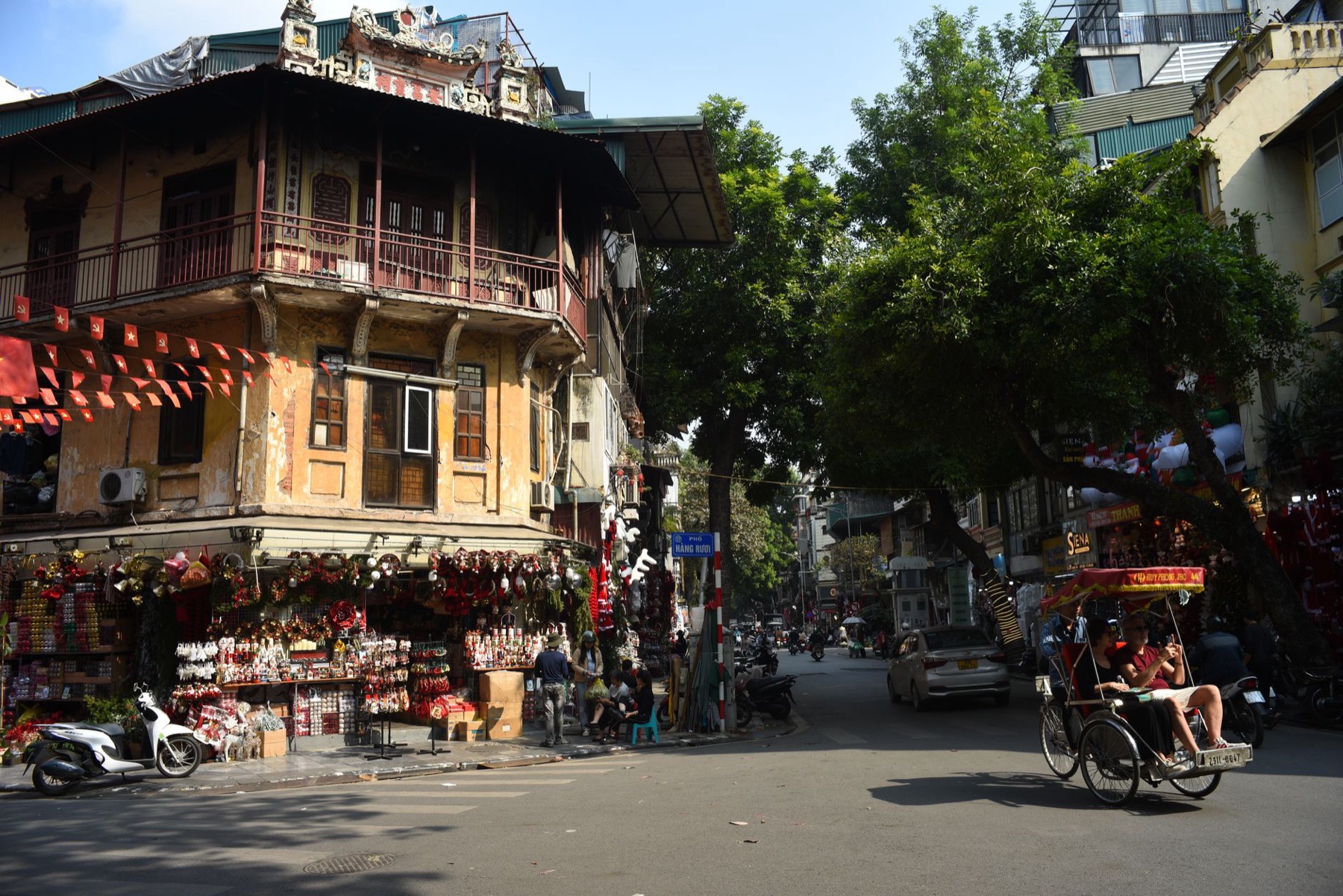
The real food action happens on Hang Dao, Hang Manh, Hang Chieu, and Ta Hien—not the main tourist drags. Hang Dao runs north–south and is packed with banh mi, pho, and snail soup vendors from 6 a.m. to noon. Hang Manh, one block east, specializes in grilled offal (thang co) and fermented shrimp paste dishes. Ta Hien is heavily touristed but has genuine operations mixed with tourist traps. Visit between 6–11 a.m. for breakfast or 4–8 p.m. for dinner; midday stalls close entirely.
What's the difference between tourist-trap and authentic stalls?
Comparison: Stall Type, Who It's For, Price, & Red Flags
| Stall Type | Who It's For | Typical Price | What to Check |
|---|---|---|---|
| High-turnover breakfast pho | Locals, early risers | 35,000–50,000 VND ($1.40–$2) | Broth smell, crowded at 7 a.m., same vendor for years |
| Banh mi cart | Budget travelers, quick eaters | 20,000–35,000 VND ($0.80–$1.40) | Fresh bread daily, meat prepped that morning, not refrigerated |
| Egg coffee sit-down | Tourists, instagrammers | 40,000–60,000 VND ($1.60–$2.40) | Air-conditioned indoor space, fixed signage, menu in English |
| Grilled meat (thit nuong) | Adventurous eaters | 50,000–100,000 VND ($2–$4) | Charcoal smell, meat over active flame, vendor using tongs not hands |
| Snail/escargot soup | Expats, repeat visitors | 60,000–80,000 VND ($2.40–$3.20) | Bubbling broth, snails added fresh, local crowd at lunch |
📸 Book an ao dai photoshoot in Hanoi or Saigon (Cáo Studio)
How do you spot a stall worth stopping at?
Look for four markers before ordering: (1) A line of locals eating at 7 a.m. or 5 p.m.—not tourists taking photos. (2) Ingredients visible and being prepped on-site: pho vendors cutting herbs, banh mi vendors slicing bread, not reheating from plastic bags. (3) A single owner or family running it for 10+ years—ask neighbors or check if the sign is faded and weathered. (4) No English menu or aggressive touting. Tourist-trap stalls wave laminated cards and quote prices in USD; real stalls have a handwritten price board in Vietnamese.
Hang Dao's north end (near Hang Chieu junction) and Hang Manh's middle blocks are where we consistently find crowds of office workers and construction crews. Ta Hien's south end, past the main bar strip, has older family operations. Avoid stalls with excessive ice, flies, or plastic-wrapped portions sitting in sun.
What's actually worth eating versus the hype?
Pho at a busy breakfast stall beats any tourist restaurant. Arrive at 7–7:30 a.m., order "pho bo" (beef), medium size, for around 40,000–50,000 VND ($1.60–$2). The broth is simmered overnight; a good stall's will be clear, not greasy. Skip stalls where broth looks cloudy or smells sour.
Banh mi (Vietnamese sandwich) costs 25,000–35,000 VND ($1–$1.40) and is genuinely excellent value. Get one with pâté, head cheese, and pickled vegetables—the filling balance is what matters. Refrigerated banh mi is old; buy from carts that bake or refresh bread daily. A fresh one will have a slight char on the crust.
Egg coffee (ca phe trung) is overrated for tourists but worth trying once, around 40,000–60,000 VND ($1.60–$2.40). It's sweet, creamy, and nothing like regular coffee. Sit down, don't take it away—the eggs deflate. Avoid stalls on Ta Hien; go to a side-street cafe where locals also order it.
Grilled offal (thang co: liver, heart, kidneys) is cheap (50,000–80,000 VND / $2–$3.20 for a plate) and genuinely delicious if the vendor's charcoal is hot and the meat is fresh. It smells sharp and metallic when cooking—that's correct. Avoid if the meat looks pre-cooked and reheated.
Escargot soup (canh ốc) is a lunch specialty, around 60,000–80,000 VND ($2.40–$3.20) a bowl. The broth should bubble actively; snails should be added to your bowl from a separate pot, not sitting in broth for hours. It's rich, salty, and very local.
🎟️ Compare tours & tickets for this place
How do you avoid food poisoning or scams at stalls?
Checklist before ordering:
- Check ice quality: Clear, not milky or yellowed. Tap the vendor's ice bucket—if it's warm, the ice is old.
- Watch prep: Meat should be cooked over visible heat, not microwaved or sitting in a warmer. Vegetables should be washed or cut fresh.
- Avoid left-overs: Order during rush hours. A stall's lunch closes at 1–2 p.m. and reopens at 4 p.m.—don't eat the stuff in between.
- Verify price upfront: Point at the dish, ask "bao nhieu?" (how much?). A vendor who mumbles or avoids eye contact may quote you double at the end.
- Skip "fresh" seafood at lunch: Escargot and shrimp are best in season (spring, autumn). Summer snails may be farmed indoors in stagnant conditions.
- Bring hand sanitizer: Use it before eating. Shared chopsticks and communal sauce pots are normal—if you're squeamish, order packaged items.
- Don't eat food left sitting in sun: Banh mi in plastic wrap at noon, pho broth left uncovered—no. Buy when the stall opens or reopens.
We've eaten at hundreds of stalls without incident by following these rules. Locals get sick far less than tourists because they know the vendors personally and eat during peak hours.
📍 Explore Hanoi's neighborhoods & culture
What's worth buying as a memento versus just eating there?
If you want to bring Hanoi street food culture home, consider gifting or buying custom food-themed prints or keepsake boxes featuring iconic dishes—these capture the aesthetic without spoiling. Check our gift collections for Vietnam-inspired travel mementos. For a deeper memory, book an ao dai photoshoot in Hanoi at a street stall location with professional styling; these pair food culture with personal keepsakes.
🌸 Send flowers to loved ones in Hanoi (Hoa Lang Thang)
For comparing street food across Vietnam, see our guides to Ho Chi Minh City, Hoi An, Ha Long Bay, Ninh Binh, and Sapa for regional specialties.
If you're staying multiple days, get a Vietnam eSIM so you can use Google Maps offline to verify stall locations and ask vendors questions in Vietnamese via translation apps. This cuts scam risk dramatically.
FAQ
Can I get food poisoning from Old Quarter street stalls?
Risk is low if you follow turnover and cleanliness rules. Eat where locals eat, during peak hours, at stalls older than five years. Skip stalls with visible flies, warm ice, or pre-cooked meat sitting at room temperature. Hand sanitizer and oral rehydration salts (ORS) are practical backup.
Which street has the cheapest food?
Hang Manh and Hang Chieu offer the lowest prices (20,000–40,000 VND / $0.80–$1.60) because vendors sell to locals, not tourists. Specialties include pho, banh mi, and grilled offal. Ta Hien is 50% pricier due to tourist demand; breakfast pho costs 50,000–60,000 VND ($2–$2.40) there.
Is it rude to ask the price before ordering?
No—it's standard. Point and say "bao nhieu?" (how much?). Vendors expect this. If they seem evasive or quote different prices to different customers, walk away. Honest stalls post prices clearly or quote immediately.
Can I eat at street stalls with a shellfish allergy?
Yes, but communicate clearly. Avoid broth-based dishes (pho, canh) unless you confirm no shellfish paste (mam tom). Banh mi, grilled meats, and rice dishes are safer. Learn "tôi bị dị ứng tôm" (I'm allergic to shrimp) and show it to the vendor.
What's the best time to visit Old Quarter food stalls?
6:30–8:30 a.m. for breakfast (pho, banh mi peak freshness) or 5–7 p.m. for dinner. Avoid 2–4 p.m. when many stalls close and leftover food sits in heat. Weekday mornings have fewer tourists and more locals; weekend breakfasts are crowded but stall quality is consistent.
FAQ
Can I get food poisoning from Old Quarter street stalls?
Risk is low if you follow turnover and cleanliness rules. Eat where locals eat, during peak hours, at stalls older than five years. Skip stalls with visible flies, warm ice, or pre-cooked meat sitting at room temperature. Hand sanitizer and oral rehydration salts (ORS) are practical backup.
Which street has the cheapest food?
Hang Manh and Hang Chieu offer the lowest prices (20,000–40,000 VND / $0.80–$1.60) because vendors sell to locals, not tourists. Specialties include pho, banh mi, and grilled offal. Ta Hien is 50% pricier due to tourist demand; breakfast pho costs 50,000–60,000 VND ($2–$2.40) there.
Is it rude to ask the price before ordering?
No—it's standard. Point and say "bao nhieu?" (how much?). Vendors expect this. If they seem evasive or quote different prices to different customers, walk away. Honest stalls post prices clearly or quote immediately.
Can I eat at street stalls with a shellfish allergy?
Yes, but communicate clearly. Avoid broth-based dishes (pho, canh) unless you confirm no shellfish paste (mam tom). Banh mi, grilled meats, and rice dishes are safer. Learn "tôi bị dị ứng tôm" (I'm allergic to shrimp) and show it to the vendor.
What's the best time to visit Old Quarter food stalls?
6:30–8:30 a.m. for breakfast (pho, banh mi peak freshness) or 5–7 p.m. for dinner. Avoid 2–4 p.m. when many stalls close and leftover food sits in heat. Weekday mornings have fewer tourists and more locals; weekend breakfasts are crowded but stall quality is consistent.
More: Hanoi guide · What to eat in Hanoi