Hanoi · Food
Hanoi Old Quarter Street Food: What to Buy & Avoid
By Wander in Vietnam editorial team · Hanoi, Vietnam
Hanoi's Old Quarter street food is a sensory overload: charcoal smoke, vendors shouting prices, locals squatting on plastic stools eating breakfast at 6 a.m. It's also where most tourists get food poisoning or ripped off. The difference between a safe, delicious meal and a three-day stomach ache often comes down to one decision: which stall, which dish, and how much cash to hand over.
We've mapped the real vendors, priced them honestly, and called out what doesn't work. This guide is for people who want to eat street food well—not just survive it.
What Street Food Actually Costs in Hanoi's Old Quarter?
You'll see wildly different prices depending on location, vendor reputation, and whether you're charged as a local or foreigner. A bánh mì from a corner stall near Hang Buom costs around 15,000–20,000 VND ($0.60–$0.80) if you're local; tourists often pay 25,000–30,000 VND ($1–$1.20). Phở bowls run 30,000–50,000 VND ($1.20–$2) for standard, up to 70,000 VND ($2.80) if you add egg or organ meat. Grilled pork skewers (thit nuong) are typically 2,000–5,000 VND ($0.08–$0.20) per stick.
The honest truth: if a vendor quotes you more than twice the local price and you're visibly foreign, walk. Competition is fierce. Another stall is 20 metres away.
🗺️ Plan your route: Vietnam itinerary
Which Neighbourhoods Have the Best Vendors?
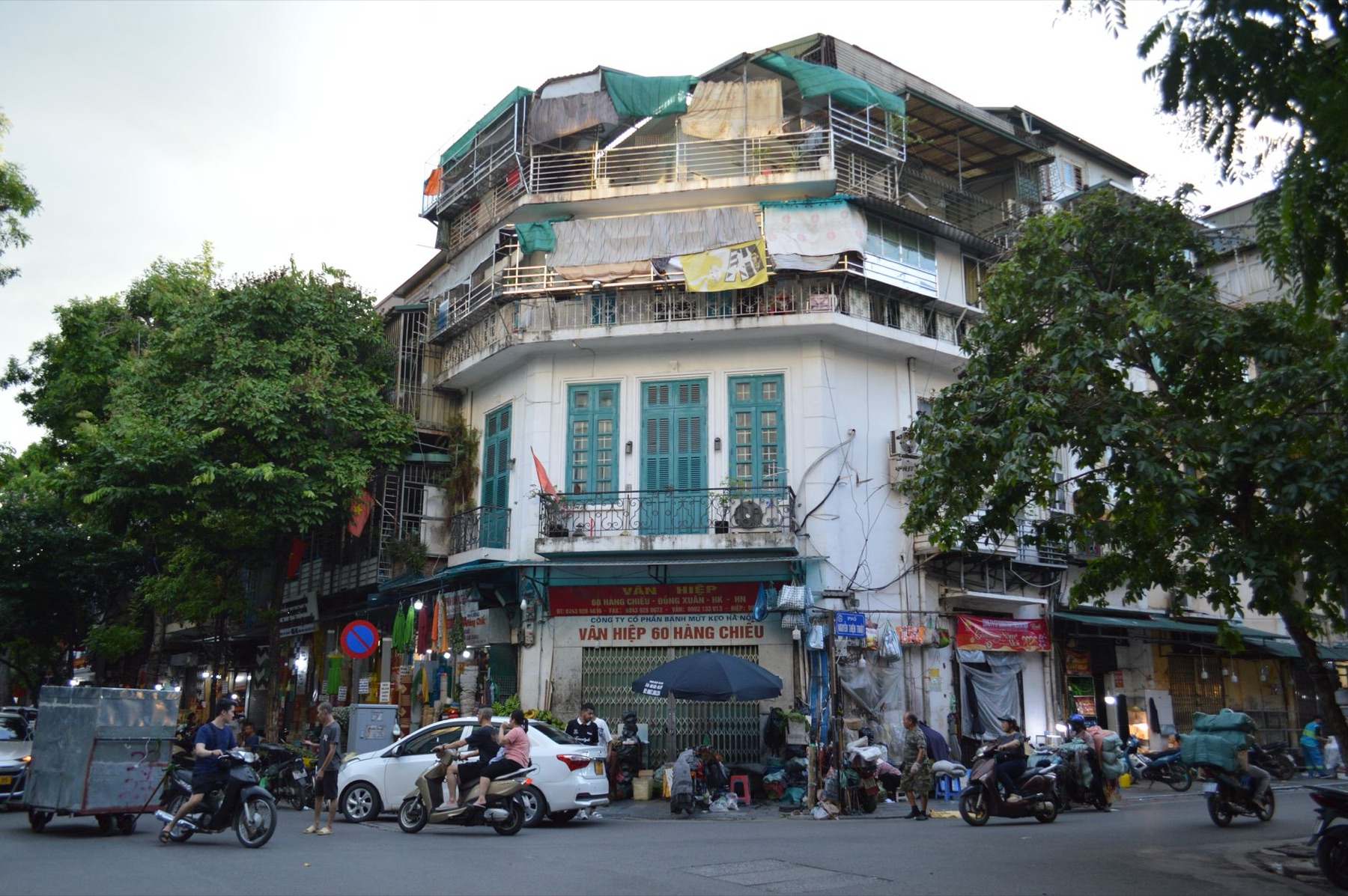
Hang Buom Street is the backbone of Old Quarter breakfast culture. Vendors cluster here from 5 a.m. to 9 a.m., selling bánh mì, cakes, and grilled pork. Hang Dao (the silk street) has fewer food stalls but pockets of quality—look for vendors with carts surrounded by locals, not phone cameras.
Around Hoan Kiem Lake's west and south edges, evening vendors set up around 5 p.m., selling egg coffee, sweetcorn, and grilled squid. These are reliably busy and used to tourists, so less likely to overcharge aggressively.
Ta Hien Street is the tourist trap zone. It's lively and atmospheric, but prices are inflated 30–50% and dishes are often made to look Instagram-friendly rather than taste authentic. Skip it unless you want colour over flavour.
Avoid "food tours" that loop through Old Quarter; you'll pay 500,000–1,000,000 VND ($20–$40) for food worth 100,000 VND ($4) and spend 3 hours standing around while a guide talks. Buy direct from vendors instead.
How to Choose a Safe Stall: The Checklist
Before you order, use this framework:
- Queue length at peak hour (6–8 a.m. or 5–7 p.m.)? If locals are eating there, it's usually safe. If only tourists are waiting, price and quality are suspect.
- Meat colour and smell. Pork should be pink-brown, not grey or purple. Chicken should be pale gold, not dark. If it smells sour or off, walk.
- How long has the stall been there? Ask nearby vendors or check Google Maps reviews in Vietnamese (English reviews are often from tourists who don't know local standards). Multi-year stalls are lower risk.
- Is ice in your drink? If yes, politely decline. Street vendors often use tap water for ice. Bottled water costs 5,000 VND ($0.20) more; it's worth it.
- Do they wear gloves or handle money then food? If money touches food prep surfaces, the stall is riskier. We're not saying never eat—locals do—but hygiene varies.
| Item | Price Range (VND) | Price (USD) | Best For | What to Check |
|---|---|---|---|---|
| Bánh mì | 15,000–30,000 | $0.60–$1.20 | Quick breakfast, budget | Bread firmness, meat freshness |
| Phở | 30,000–70,000 | $1.20–$2.80 | Sit-down meal, morning/evening | Broth colour (clear or amber, not murky), meat tenderness |
| Egg coffee (cà phê trứng) | 30,000–50,000 | $1.20–$2 | Dessert, afternoon | Egg freshness, no ice |
| Grilled pork skewers | 2,000–5,000 per stick | $0.08–$0.20 | Snack, evening | Meat firmness, charred edges (not black) |
| Corn/sweet potato | 10,000–20,000 | $0.40–$0.80 | Snack | Vendor uses clean water, no mold |
📸 Book an ao dai photoshoot in Hanoi or Saigon (Cáo Studio)
Common Street Food Scams & How to Avoid Them
The "friendly local" upsell. Someone at your hostel recommends a "secret vendor" only locals know. You pay double. Reality: busy street stalls are transparent and competitive. Secret spots are usually just expensive.
Portion switching. You order a bánh mì, vendor wraps it large, then swaps it for a smaller one when you're not looking. Watch the prep or ask them to make it in front of you.
Unclear pricing. Vendor doesn't state a price, you eat, then they name a price that feels high. Always ask "bao nhiêu?" (how much?) before ordering.
Tap water or rebottled water. Vendors refill bottles from taps and sell them as purified. Buy sealed bottles from 7-Eleven or a shop.
Undercooked meat or spoiled fish. Less common but serious. If pork looks mushy or pale, don't eat. If fish smells like ammonia, skip it. Your stomach isn't a gamble.
The "tourist tax" drink. A juice vendor offers fresh sugar cane or passion fruit juice, then charges 50,000+ VND ($2+) for what costs 15,000 VND ($0.60) at a regular stall. Stick to bottles or ask the price in Vietnamese.
What to Buy vs. What to Skip
Buy:
- Bánh mì from a vendor making them fresh (you see the process).
- Phở or bún (noodle dishes) from stalls with busy lunch or dinner rushes.
- Grilled items (pork, fish) with visible char, not pale.
- Corn or sweet potato—hard to spoil.
- Egg coffee from a café or established vendor (not street-made).
Skip:
- Pre-made salads or raw vegetables (can sit in sun, unwashed).
- Shellfish from unknown vendors (parasite risk).
- Soft drinks without sealed bottles.
- Anything that smells fermented or sour unexpectedly.
- Food from vendors who handle money then touch food without washing hands.
Eating street food is one of the truest ways to understand Hanoi. The risk is low if you use common sense: watch what's being cooked, avoid ice, pick busy stalls. Most street vendors are conscientious—they eat the same food themselves.
🎟️ Compare tours & tickets for this place
Gift Ideas for Street Food Lovers (Before or After)
If you're taking friends to Hanoi or returning home after eating your way through the Old Quarter, consider gifts that extend the experience:
- Vietnamese coffee or egg coffee kit (browse coffee collections)—recreate the ritual at home.
- Apron or kitchen textile with Vietnamese motifs (shop kitchen collections)—a reminder of Hanoi's market energy.
- Spice or condiment set (explore condiment collections)—authentic fish sauce, chilli, and sesame oil for recipes.
For a keepsake from your trip, an ao dai photoshoot in Hanoi (Cáo Studio) captures you in traditional dress at iconic Old Quarter backdrops—perfect before or after your street food crawl.
Read our full Hanoi food guide for sit-down restaurants, markets, and cooking classes.
---
What to Check Before You Buy
Before handing over cash:
- Price clarity. Ask in Vietnamese if unsure.
- Meat freshness. Colour, smell, firmness—trust your senses.
- Vendor hygiene. Clean hands, covered food, no cross-contamination.
- Peak hours. Eat when locals eat; safer turnover.
- Sealed drinks. Never unboiled water or ice from unknown sources.
If your stomach feels off after eating, hydrate with bottled water, rest, and see a doctor if symptoms persist beyond 24 hours. Most street food illnesses are mild and pass quickly.
FAQ
Is Hanoi Old Quarter street food actually safe?
Yes, if you follow basic rules: busy stalls, fresh-looking meat, sealed drinks, no ice. Locals eat street food daily without issue. The risk is real but manageable—it's not roulette.
How much should I pay for a bánh mì as a tourist?
Around 20,000–25,000 VND ($0.80–$1). If quoted 40,000+ VND ($1.60+), the vendor is testing you. Walk and find another stall; there are dozens.
When is the best time to eat street food in Old Quarter?
Breakfast (6–8 a.m.) for bánh mì and pork, dinner (5–7 p.m.) for phở and grilled items. Midday is slower; food sits longer. Peak hours = fresher, safer food.
What's the difference between a safe and unsafe street food stall?
Safe: vendor has regular customers, cooks in view, meat is coloured properly, high turnover. Unsafe: empty except for tourists, pre-cooked food sitting in sun, vendor doesn't speak to customers before eating.
Should I avoid street food or embrace it?
Embrace it with caution. Street food vendors are Hanoi's backbone; skipping them means missing the city. Use your judgment on hygiene, choose busy stalls, and eat what locals eat.
Can I get traveller's diarrhoea from Hanoi street food?
It's possible but not inevitable. Risk factors include tap water ice, unwashed vegetables, undercooked meat, and poor vendor hygiene. Millions of tourists eat street food yearly with no issues; those who get sick often drank tap water or ignored hygiene cues.
FAQ
Is Hanoi Old Quarter street food actually safe?
Yes, if you follow basic rules: busy stalls, fresh-looking meat, sealed drinks, no ice. Locals eat street food daily without issue. The risk is real but manageable—it's not roulette.
How much should I pay for a bánh mì as a tourist?
Around 20,000–25,000 VND ($0.80–$1). If quoted 40,000+ VND ($1.60+), the vendor is testing you. Walk and find another stall; there are dozens.
When is the best time to eat street food in Old Quarter?
Breakfast (6–8 a.m.) for bánh mì and pork, dinner (5–7 p.m.) for phở and grilled items. Midday is slower; food sits longer. Peak hours = fresher, safer food.
What's the difference between a safe and unsafe street food stall?
Safe: vendor has regular customers, cooks in view, meat is coloured properly, high turnover. Unsafe: empty except for tourists, pre-cooked food sitting in sun, vendor doesn't speak to customers before eating.
Should I avoid street food or embrace it?
Embrace it with caution. Street food vendors are Hanoi's backbone; skipping them means missing the city. Use your judgment on hygiene, choose busy stalls, and eat what locals eat.
Can I get traveller's diarrhoea from Hanoi street food?
It's possible but not inevitable. Risk factors include tap water ice, unwashed vegetables, undercooked meat, and poor vendor hygiene. Millions of tourists eat street food yearly with no issues; those who get sick often drank tap water or ignored hygiene cues.
More: Hanoi guide · What to eat in Hanoi