Hanoi · Food
Hanoi Old Quarter Street Food: What to Order & Where
By Wander in Vietnam editorial team · Hanoi, Vietnam
The Old Quarter isn't a museum piece—it's a living, eating organism. Thirty-six streets built around guild specialties still echo that history: one street sold silk, another silver, another rice. Today they sell breakfast, lunch, and memory. But tourist density has changed the game. You'll find four types of stall on any corner: authentic neighborhood fixtures (locals only), quality tourist-friendly spots, mediocre photo-ops, and outright tourist traps. This guide tells you which is which—and what to order so you don't waste money on underseasoned noodles or overpriced spring rolls.
🗺️ Plan your route: Vietnam itinerary
What's actually worth eating in the Old Quarter?
Street food worth your time falls into five categories: pho (rice noodle soup), bánh mì (Vietnamese banh mi), egg coffee, grilled meats on skewers, and com tam (broken rice). Pho costs around 40,000–60,000 VND ($1.60–$2.40) for a large bowl; bánh mì runs 30,000–50,000 VND ($1.20–$2.00). Egg coffee (15,000–25,000 VND / $0.60–$1.00) is a Hanoi-only invention: whipped egg yolk stirred into strong coffee. Grilled meats and com tam cost 50,000–80,000 VND ($2.00–$3.20). All are superior when eaten in the street, standing or squatting on a low plastic stool, within minutes of cooking. The heat, the noise, the crowd—these aren't obstacles. They're guarantees of turnover, which guarantees freshness.
Avoid: spring rolls at stands with a pre-made pile sitting in a heated glass case. Avoid: "fresh juice" from vendors who don't visibly wash fruit or hands. Avoid: anything grilled that's been sitting under a heat lamp more than 30 minutes.
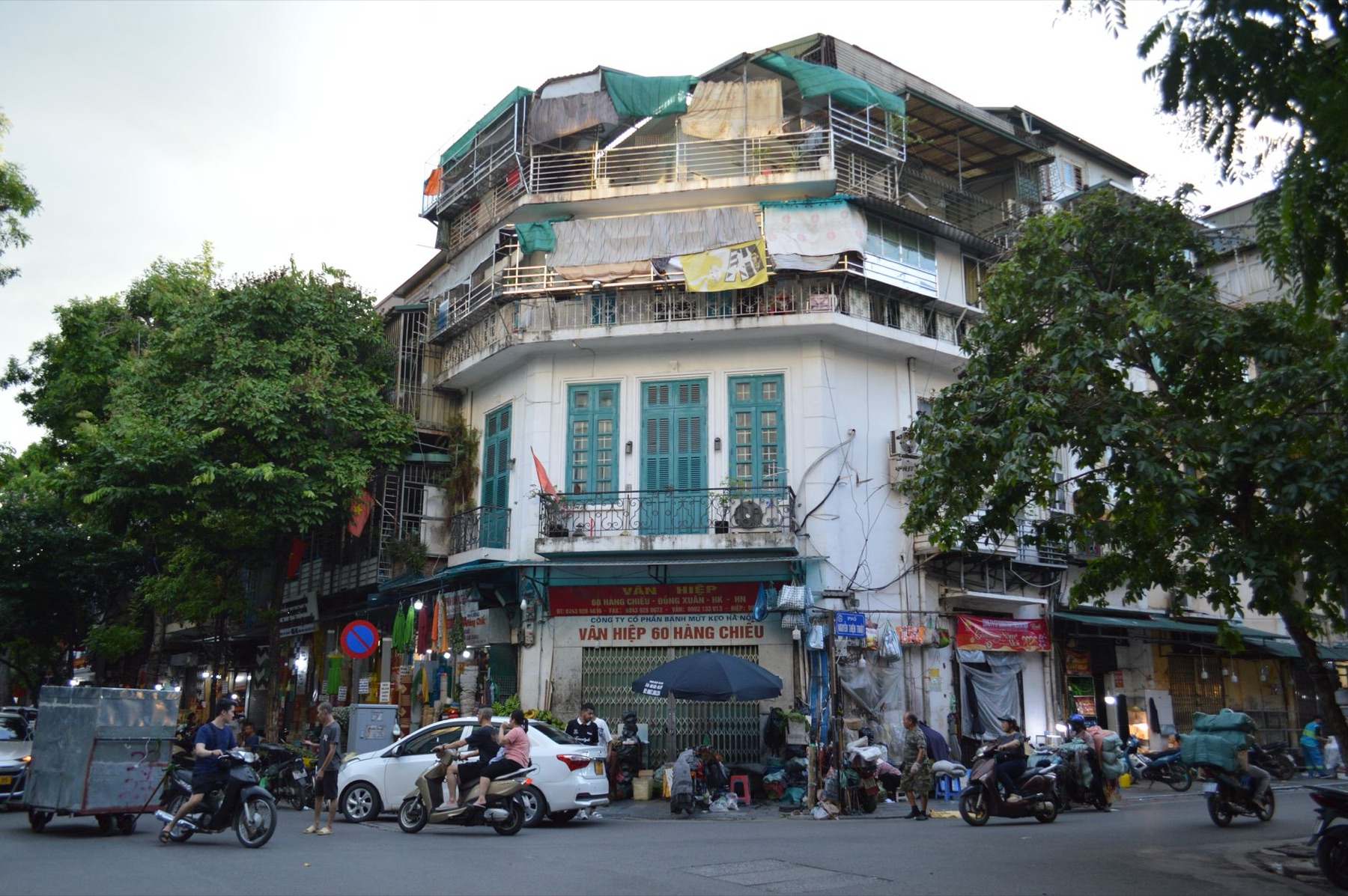
How do you spot an authentic stall versus a tourist trap?
Comparison Table: Stall Types & How to Spot Them
| Stall Type | Signs | Typical Price (VND) | Best For | Red Flags |
|---|---|---|---|---|
| Neighborhood fixture | Locals queueing, plastic stools, minimal English, no menu board | 40,000–60,000 | Breakfast pho, authentic flavour | None; this is your target |
| Quality tourist-friendly | Mix of locals & tourists, English menu, clean prep area visible, owner speaks some English | 50,000–80,000 | First-timers, groups, photos | High turnover; ask for recommendations |
| Photo-op stall | Instagram aesthetic, Western prices (120,000+), few locals eating, "famous on TikTok" sign | 100,000–150,000+ | Photos only | Overprice, mediocre taste |
| Tourist trap | Aggressive touts, "very cheap," pre-cooked food under heat lamps, no visible prep | 70,000–120,000 | None | Stomach issues, food poisoning risk |
Key marker: Watch where locals eat. If a stall has a lunch-hour queue of office workers and construction crews, it's real. If the queue is all backpackers with cameras, it's not.
Should you eat breakfast or lunch for the best experience?
Eat breakfast for pho, bánh mì, and com tam. Between 6 and 9 a.m., vendors prep fresh stock and crowds are mixed locals-tourists. By 11 a.m., many pho shops close; bánh mì stalls stay open but quality drops after midday rush. Lunch (11 a.m.–1 p.m.) is when grilled meats shine—vendors fire up charcoal at noon and work through the afternoon. Dinner (5–8 p.m.) favors skewered meats and beer stalls in alleyways. Early morning feels risky to tourists because of squat toilets and raw energy, but that's exactly why food quality is highest—vendors aren't performing for cameras. They're feeding hungry neighbors.
Pro move: Grab breakfast from a pho or bánh mì stall (30–60 minutes), then explore old streets while digesting. Return at 11:30 a.m. for lunch grilled meats.
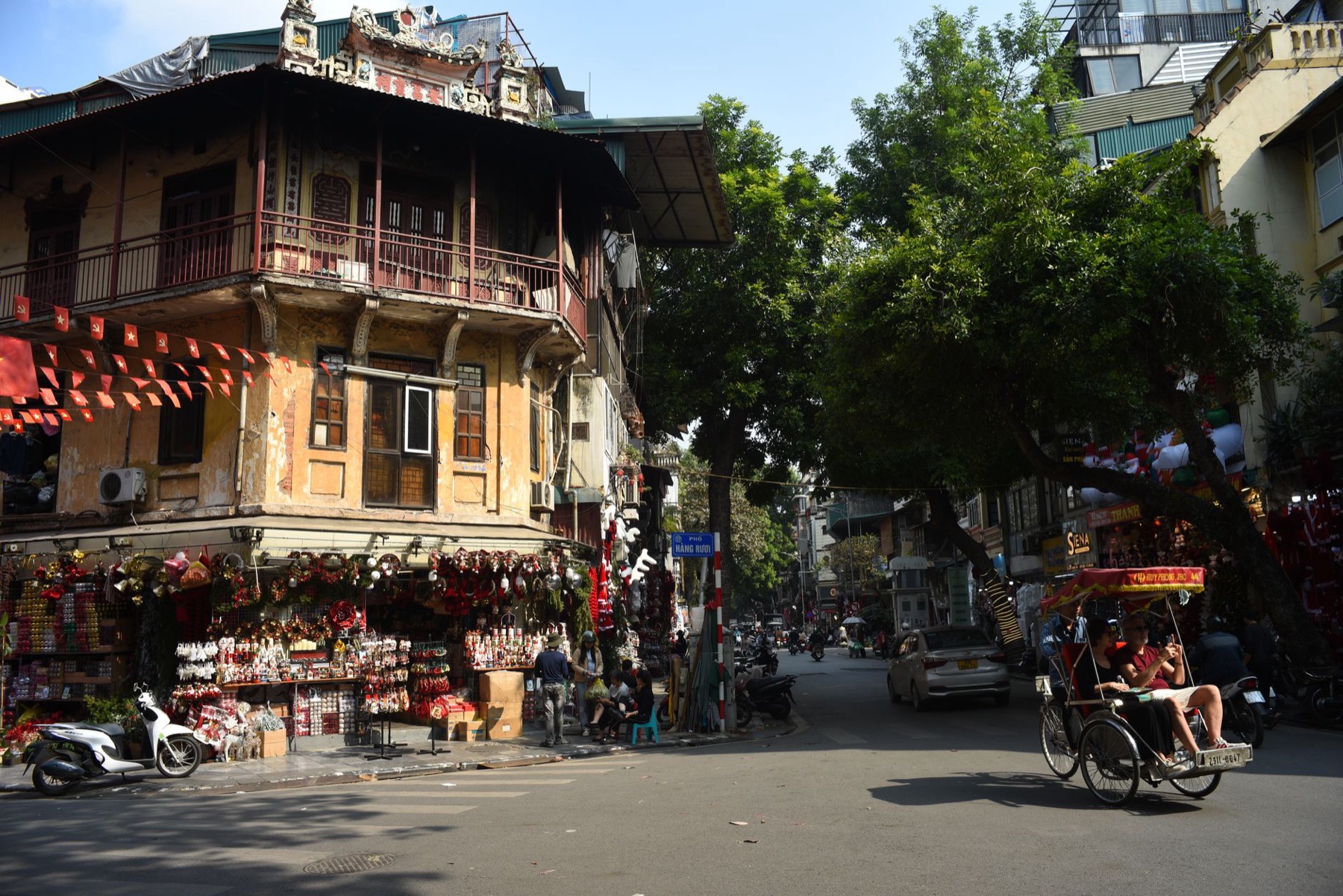
What should you check before ordering or buying?
Pre-Order Checklist:
- Visible prep? Can you see them cooking or assembling? If food is already on a plate under heat lamps, skip it.
- Busy stall? Is there a queue or constant customers? High turnover = fresh food.
- Hands & utensils? Watch the vendor. Do they wash hands between orders? Are tongs or spoons clean?
- Meat color & smell? If grilled meat looks grey or smells off, don't order.
- Soup temperature? Pho broth should be steaming hot when served. Lukewarm pho = day-old stock.
- Price clarity? Ask before ordering. "Bao nhiêu?" means "how much?" If they pause or seem evasive, leave.
- Water source? Is drinking water bottled or from a tap? Stick to bottled or boiled (pho broth counts as boiled).
If any item is unclear or makes you uncomfortable, move to the next stall. There are hundreds. Don't force it.
Which Old Quarter streets have the best street food clusters?
The 36 streets aren't equally famous for food. Here's where to focus:
- Hang Gai Street (Ba Đình District): Silk road history, now mixed tourist restaurants and stalls. Quality varies; stick to corners with queues.
- Hang Manh Street (Hoàn Kiếm District): Egg coffee stalls cluster here in morning and early afternoon. Locals still visit; prices remain fair (around 20,000 VND / $0.80 for egg coffee).
- Hang Dieu Street (Hoàn Kiếm District): Grilled meats and beer stalls dominate evenings. High crowd energy; cash only.
- Ta Hien Street (Hoàn Kiếm District): Tourist-heavy backpacker row; skip for authentic food, visit for late-night vibe and beer.
- Hang Bo Street (Ba Đình District): Pho specialists. Several 40-year-old shops still operate early morning. Arrive before 8 a.m. or lines form.
📸 Book an ao dai photoshoot in Hanoi or Saigon (Cáo Studio)
How do you avoid food poisoning and stay healthy eating street food?
Street food is actually safer than tourist restaurants if you follow two rules: eat only at busy stalls with high turnover, and drink only bottled or sealed water. Hospitals rarely see street-food illness; they see it from mid-range restaurants with poor refrigeration. Vendors who've been in place 5+ years have survived because their food is clean. That's natural selection.
Safety Rules:
- Eat hot food hot. Avoid cold salads or pre-cut fruit from ice vendors.
- Watch them cook. You're not paranoid; you're smart.
- Bring hand sanitizer or wet wipes; most stalls have limited hand-washing facilities.
- Drink only bottled water or coffee/tea (boiled water).
- Avoid ice in drinks from street vendors; ice machines vary in cleanliness.
For stomach upset mid-trip, pharmacies in the Old Quarter stock probiotics and antidiarrheal meds (brands: Smecta, Imodium); no prescription needed. Cost: 50,000–100,000 VND ($2.00–$4.00).
---
Want a souvenir or gift tied to your Hanoi street food adventure? Consider a personalized item capturing your trip—explore custom gift collections to bring the memory home.
🎟️ Compare tours & tickets for this place
For deeper Hanoi exploration beyond food, see our Hanoi guide or full food pillar. Planning a multi-city trip? Check Ho Chi Minh City, Hoi An, Ha Long Bay, Ninh Binh, or Sapa. Before travel, secure your Vietnam e-visa and eSIM for data.
FAQ
Is street food in Hanoi's Old Quarter safe to eat?
Yes, if you eat at busy, high-turnover stalls with visible cooking. Hundreds of locals eat here daily without issue. Illness comes from cold storage, not cooking heat. Stick to hot food, watch them prepare it, and avoid ice from street vendors.
What's the cheapest meal in the Old Quarter?
Bánh mì (Vietnamese sandwich) at around 30,000–40,000 VND ($1.20–$1.60) for a full meal. Egg coffee costs half that (15,000–20,000 VND / $0.60–$0.80) but isn't a complete meal.
What time should I arrive to eat pho?
Between 6:30 and 8:30 a.m. Most pho shops open at 6 a.m. and close by 11 a.m. Lines form by 7 a.m. After 9 a.m., you're eating older stock.
Do Old Quarter street food vendors accept cards or only cash?
Almost all accept cash (VND only). Some egg coffee stalls and tourist-facing spots accept Momo or cards, but don't rely on it. Withdraw cash at an ATM before entering the quarter.
How much should I budget for a full day of Old Quarter street food?
Around 150,000–250,000 VND ($6.00–$10.00) for breakfast, lunch, snacks, and coffee if you eat at local stalls. Tourist-facing stalls double this.
FAQ
Is street food in Hanoi's Old Quarter safe to eat?
Yes, if you eat at busy, high-turnover stalls with visible cooking. Hundreds of locals eat here daily without issue. Illness comes from cold storage, not cooking heat. Stick to hot food, watch them prepare it, and avoid ice from street vendors.
What's the cheapest meal in the Old Quarter?
Bánh mì (Vietnamese sandwich) at around 30,000–40,000 VND ($1.20–$1.60) for a full meal. Egg coffee costs half that (15,000–20,000 VND / $0.60–$0.80) but isn't a complete meal.
What time should I arrive to eat pho?
Between 6:30 and 8:30 a.m. Most pho shops open at 6 a.m. and close by 11 a.m. Lines form by 7 a.m. After 9 a.m., you're eating older stock.
Do Old Quarter street food vendors accept cards or only cash?
Almost all accept cash (VND only). Some egg coffee stalls and tourist-facing spots accept Momo or cards, but don't rely on it. Withdraw cash at an ATM before entering the quarter.
How much should I budget for a full day of Old Quarter street food?
Around 150,000–250,000 VND ($6.00–$10.00) for breakfast, lunch, snacks, and coffee if you eat at local stalls. Tourist-facing stalls double this.
More: Hanoi guide · What to eat in Hanoi