Hanoi · Food
Hanoi Pho Street Food: Where to Buy, What to Order, Real Prices 2026
By Wander in Vietnam editorial team · Hanoi, Vietnam
Hanoi pho is not a sit-down meal—it's a transaction at a cart, a plastic stool, a shared table in a narrow laneway. This guide strips away romance and shows exactly what to look for, where to go, and what price signals quality versus markup.
🗺️ Plan your route: Vietnam itinerary
What Makes Hanoi Pho Different From the Rest of Vietnam?
Hanoi pho broth simmers for 12–18 hours over charcoal or gas, extracting depth that southern versions (Ho Chi Minh City's sweeter style) don't attempt. The stock uses beef bones, brisket, and rock sugar—never MSG shortcuts. Northern vendors serve it in small bowls, rice noodles thinner than the south, and raw beef that cooks in 10 seconds flat. You won't find pre-cooked slices or chilled broth; if you do, walk.
Key difference: Hanoi vendors close by 10 a.m.—the broth is finished for the day, not kept warm until lunch. This isn't laziness; it's a quality gate.
Which Hanoi Neighbourhoods Have the Real Pho Vendors?
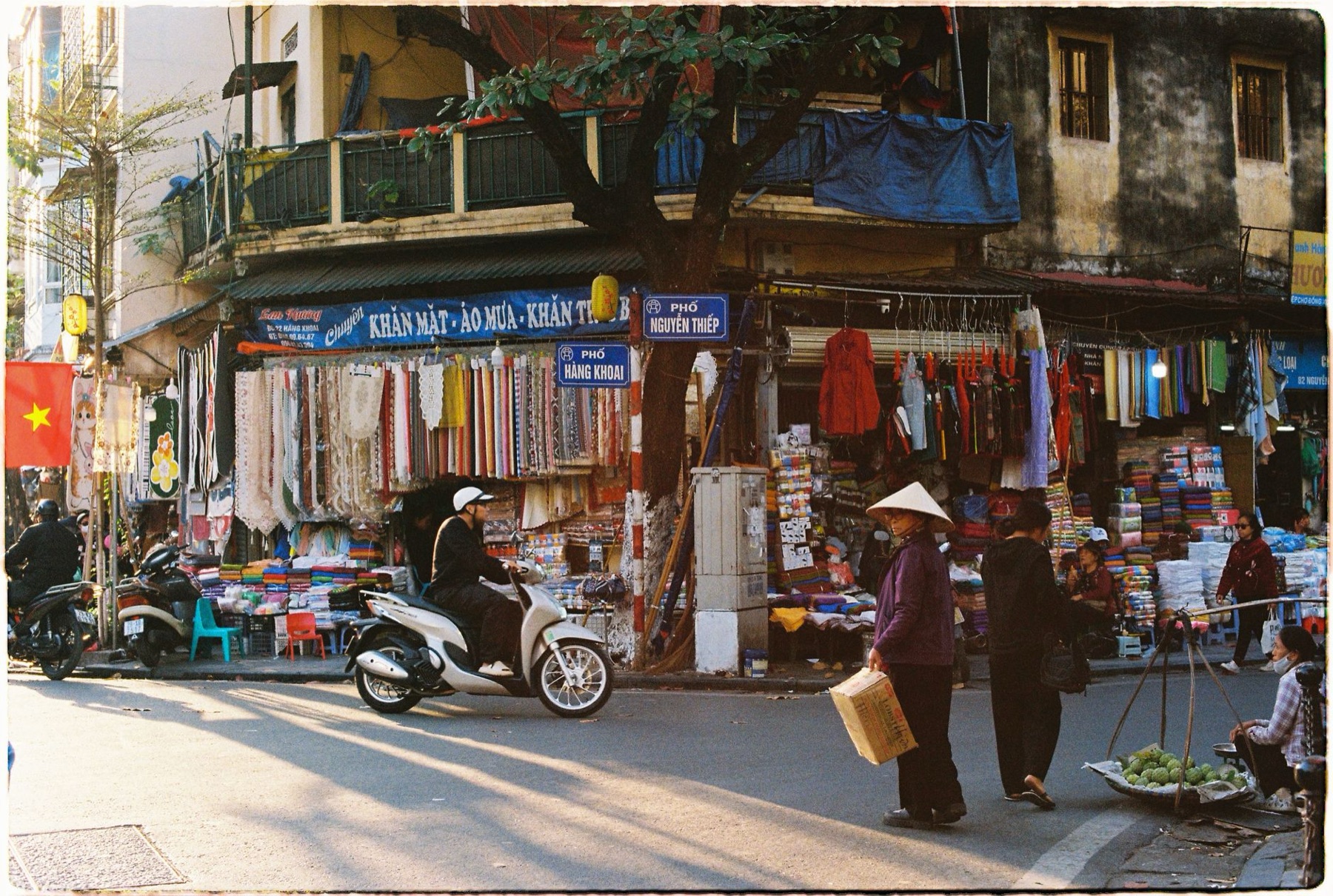
Old Quarter (Hoan Kiem District) The tourist version exists here, but locals still eat at carts on Hang Manh and around Dong Xuan Market. Prices run 50,000–80,000 VND (USD $2–$3.20) due to foot traffic. Quality varies wildly—avoid stalls with plastic chairs facing the street (setup for tourists). Look for wooden stools, Vietnamese customers, and a queue.
Dong Da District (Tay Ho, Tran Phu area) Residential pho vendors here cost 40,000–60,000 VND (USD $1.60–$2.40). Broth is thinner, less rich—don't mistake this for poor quality. You're eating what the neighbourhood wants, not what travels. Tran Phu has three competing carts within 100m; locals have loyalty, but trying all three takes 30 minutes.
Ba Dinh District (near Giang Vo, Quoc Tu Giam) University-area vendors cater to students—35,000–50,000 VND (USD $1.40–$2). Broth is lighter, noodles are standard. Turnover is high, so stock is always fresh. Not "best pho," just reliable and cheap.
Cau Giay District (Tran Duy Hung, Hoang Quoc Viet) Office workers and families eat here. Expect 50,000–70,000 VND (USD $2–$2.80). This is middle-ground pho—decent broth, consistent portions, no pretence.
| Neighbourhood | Price Range (VND) | USD Equiv. | Best For | Opening Hours | Skip If |
|---|---|---|---|---|---|
| Old Quarter | 50k–80k | $2–$3.20 | Tourists + locals mix | 5–10 a.m. | You want solitude |
| Dong Da | 40k–60k | $1.60–$2.40 | Residents, lighter broth | 5–9:30 a.m. | You crave rich stock |
| Ba Dinh | 35k–50k | $1.40–$2 | Students, budget | 6–10 a.m. | You want premium cuts |
| Cau Giay | 50k–70k | $2–$2.80 | Families, reliability | 5:30–10 a.m. | You're rushed |
📸 Book an ao dai photoshoot in Hanoi or Saigon (Cáo Studio)
How Do You Spot Fresh Pho vs. Tourist Trap Pho?
Fresh pho checklist before you sit:
- Broth clarity: Is it translucent amber or milky-white? Milky = overcooked or reheated from yesterday. Transparent = fresh.
- Meat display: Raw beef slices should be on ice, pink, not grey. Pre-cooked meat in bowls = it sat all morning.
- Vendor busy-ness: Are locals eating or is the stall empty except tourists? Empty = likely poor quality or overpriced.
- Cart cleanliness: Is the rim of the pot wiped? Are noodles in a covered pot or exposed to dust? Small signs matter.
- No laminated menu with photos: Real pho vendors have no menu. You order "mot pho" (one pho), they ask "beef or chicken?" Done.
- Price asked without hesitation: Legit vendors quote price immediately. If they pause or bargain starts, it's tourist markup.
- Condiments: Fresh calamansi (lime), chilies, basil should be piled high, not rationed. Generous condiments = vendor confident in broth quality.
Scam pattern to avoid: A cart with neon signage, English-language menu board, prices listed in USD, and a "tour guide discount card" is 100% a tourist upsell. The broth is often made in a central kitchen, reheated, and sold at 3–4× local price. You'll pay 150,000–200,000 VND (USD $6–$8) for mediocre pho.
What's the Difference Between Pho Bo (Beef) and Pho Ga (Chicken)?
Pho Bo (beef) uses beef bones and brisket for 12+ hours. The broth is richer, deeper, more complex. Raw beef slices (tai) cook in seconds from residual heat. This is the "default" pho—what tourists imagine. Cost: 50,000–80,000 VND (USD $2–$3.20).
Pho Ga (chicken) uses chicken bones and whole thighs simmered 4–6 hours. Broth is lighter, more delicate, less "meaty." Some vendors add a touch of turmeric (nghe) for colour and earthiness. Chicken broth cools faster, so you eat slower. Cost: 40,000–60,000 VND (USD $1.60–$2.40).
Which to order? If it's 6–7 a.m. and you're cold, pho bo warms you. If it's 9 a.m. and you want something gentle, pho ga works. Vendors are usually known for one or the other—ask locals which stall does what best.
Pro tip: Pho with "tai" (raw beef) is only safe if the vendor has high turnover and ice-cold meat. Low-traffic stalls = skip the raw beef; order "nam" (cooked brisket) instead.
What Do Locals Actually Eat with Their Pho?
The bowl arrives with raw garnish: basil (rau que), calamansi, chili, and sometimes mint. Locals squeeze lime, add chili, tear basil into the broth, and eat fast—pho is eaten in 10–15 minutes, not savoured.
Optional sides (not always free):
- Rice paper (bánh tráng nướng) – around 5,000–10,000 VND (USD $0.20–$0.40) if purchased separately; some stalls bundle it.
- Grilled sticky rice cakes (bánh cuon) – around 20,000–30,000 VND (USD $0.80–$1.20); a different vendor's cart.
- Crispy fried bread (bánh mi tươi) – around 5,000 VND (USD $0.20) at a nearby stand.
Most locals eat pho solo—just noodles, broth, raw beef, and herbs. The "pho experience" of multiple dishes is tourist-created. Eat what locals eat: one bowl, one beer (if morning isn't sacred), five minutes, gone.
🎟️ Compare tours & tickets for this place
How Much Should You Really Pay for Pho in Hanoi 2026?
| Bowl Type | Local Vendor | Tourist Area | Why The Gap |
|---|---|---|---|
| Pho Bo (beef) | 50k–65k VND | 120k–200k VND | Rent, perceived "experience," markup |
| Pho Ga (chicken) | 40k–50k VND | 80k–150k VND | Same structural cost, higher perceived value |
| Pho with extra meat | 70k–90k VND | 180k–250k VND | Double portions, branding |
Price reality: A bowl in Dong Da costs around 45,000 VND (USD $1.80). The same bowl in Old Quarter's Hang Manh costs 70,000 VND (USD $2.80) and 40% of customers are tourists. In a restaurant with air conditioning and a name, that same bowl is 120,000 VND (USD $4.80).
Is it worth paying more? No. Broth quality is tied to vendor reputation and morning stock, not rent or decor. Your best pho will come from a cart, not a storefront.
Avoid this trap: "Premium pho" with wagyu beef, truffle oil, or other upgrades. This is Instagram nonsense. Traditional pho has three ingredients: broth, noodles, meat. Everything else is dilution.
📸 Book an ao dai photoshoot in Hanoi or Saigon (Cáo Studio)
When Should You Eat Pho and Where Should You Sit?
Pho is breakfast (5–7 a.m.) or early lunch (7–10 a.m.). Eating it at noon is odd; the broth is depleted, quality drops, and locals have moved on to other foods like bun cha or com tam.
Seating reality: You'll sit on a plastic stool, knees-to-chest, at a wobbly shared table. Bring small change; many carts don't give change smoothly. Napkins are thin; accept this. You'll drip broth on your shirt—locals do too.
Timing for tourists: If you're jet-lagged and awake at 5 a.m., this is your opening. Walk to Dong Da or Ba Dinh, find a queue, sit, eat. By 8 a.m., vendors are running low and tourists are clogging Old Quarter. Go early.
What to bring: Small denomination VND cash, wet wipes, a plan to move on (pho isn't a "sit and chat" meal), and zero expectations of comfort. The less you expect, the better it tastes.
For deeper Hanoi eating culture, explore our Hanoi food guide and broader Hanoi travel guide. If you're visiting multiple cities, our Vietnam itinerary planner helps you balance food experiences across regions.
Traveling soon? Check visa requirements at our Vietnam e-visa guide and grab a local eSIM so you can navigate to vendors without tourist apps overcharging you.
FAQ
Is it safe to eat raw beef (tai) in Hanoi pho?
Yes, if the vendor has high turnover, meat is iced visibly, and broth reaches boiling point. Avoid early-morning meat in low-traffic stalls. Ask locals or watch—if Vietnamese are ordering tai, it's safe.
Why do some pho vendors close by 9 a.m.?
The broth is simmered overnight and finished by mid-morning. Keeping it hot past 10 a.m. degrades flavour and risks food safety. Vendors aren't lazy; they're maintaining quality gates.
Can I get pho to go in Hanoi?
No. Vendors pack it in plastic bags, but it cools fast and broth leaks. Pho is a sit-down-now meal. Eat at the stall or find a small pho restaurant.
What's the difference between Hanoi and Ho Chi Minh City pho?
Hanoi pho broth is clear, savoury, and beef-driven. Ho Chi Minh City pho is sweeter, milky, and uses more spice. Northern is minimalist; southern is generous. Both are authentic.
Are there vegetarian pho options in Hanoi?
Some vendors offer pho chay (vegetable broth) but it's rare and usually weaker. Better options: explore vegetarian restaurants in Tay Ho or Ba Dinh, or stick to non-meat meals like bánh cuon or bun cha. Pho broth is built on animal bones.
Do I tip at pho carts?
No. Rounding up or leaving 1,000–2,000 VND (USD $0.04–$0.08) is nice but not expected. Most vendors have slim margins and won't expect a percentage tip.
FAQ
Is it safe to eat raw beef (tai) in Hanoi pho?
Yes, if the vendor has high turnover, meat is iced visibly, and broth reaches boiling point. Avoid early-morning meat in low-traffic stalls. Ask locals or watch—if Vietnamese are ordering tai, it's safe.
Why do some pho vendors close by 9 a.m.?
The broth is simmered overnight and finished by mid-morning. Keeping it hot past 10 a.m. degrades flavour and risks food safety. Vendors aren't lazy; they're maintaining quality gates.
Can I get pho to go in Hanoi?
No. Vendors pack it in plastic bags, but it cools fast and broth leaks. Pho is a sit-down-now meal. Eat at the stall or find a small pho restaurant.
What's the difference between Hanoi and Ho Chi Minh City pho?
Hanoi pho broth is clear, savoury, and beef-driven. Ho Chi Minh City pho is sweeter, milky, and uses more spice. Northern is minimalist; southern is generous. Both are authentic.
Are there vegetarian pho options in Hanoi?
Some vendors offer pho chay (vegetable broth) but it's rare and usually weaker. Better options: explore vegetarian restaurants in Tay Ho or Ba Dinh, or stick to non-meat meals like bánh cuon or bun cha. Pho broth is built on animal bones.
Do I tip at pho carts?
No. Rounding up or leaving 1,000–2,000 VND (USD $0.04–$0.08) is nice but not expected. Most vendors have slim margins and won't expect a percentage tip.
More: Hanoi guide · What to eat in Hanoi