Hanoi · Food
Hanoi Street Food Bun Cha: What to Buy, Where, and How Much
By Wander in Vietnam editorial team · Hanoi, Vietnam
Bun cha is Hanoi's signature lunch: charred pork patties and ribs over rice noodles in tangy broth. We'll show you where to find it authentically and what to avoid paying too much for.
Hanoi's street food culture runs on bun cha—grilled pork, rice noodles, and broth are the holy trinity. But pricing, quality, and actual location matter hugely. We eat it weekly at different stalls and have watched tourist prices inflate while local vendors hold the line. This guide cuts through that noise.
Which vendor type delivers real bun cha, not a tourist version?
Cart-based vendors operating 11 a.m.–1 p.m. serve the most authentic bun cha. These are single-person or two-person operations: one grilling pork over charcoal, one prepping noodles and broth. They have no signage, sit in alleys, and move or close if foot traffic dips. Small plastic stools, dipping sauce in bowls, and a queue of office workers—that's the signal.
Sit-down restaurants with menus, A/C, and English signs are second-tier: cleaner, slower, pricier (often 80,000–150,000 VND or USD $3.20–$6), and the pork can taste mass-produced or reheated. Some are fine for comfort, but they're not where bun cha happens.
🗺️ Plan your route: Vietnam itinerary
Where in Hanoi do locals actually queue for bun cha?
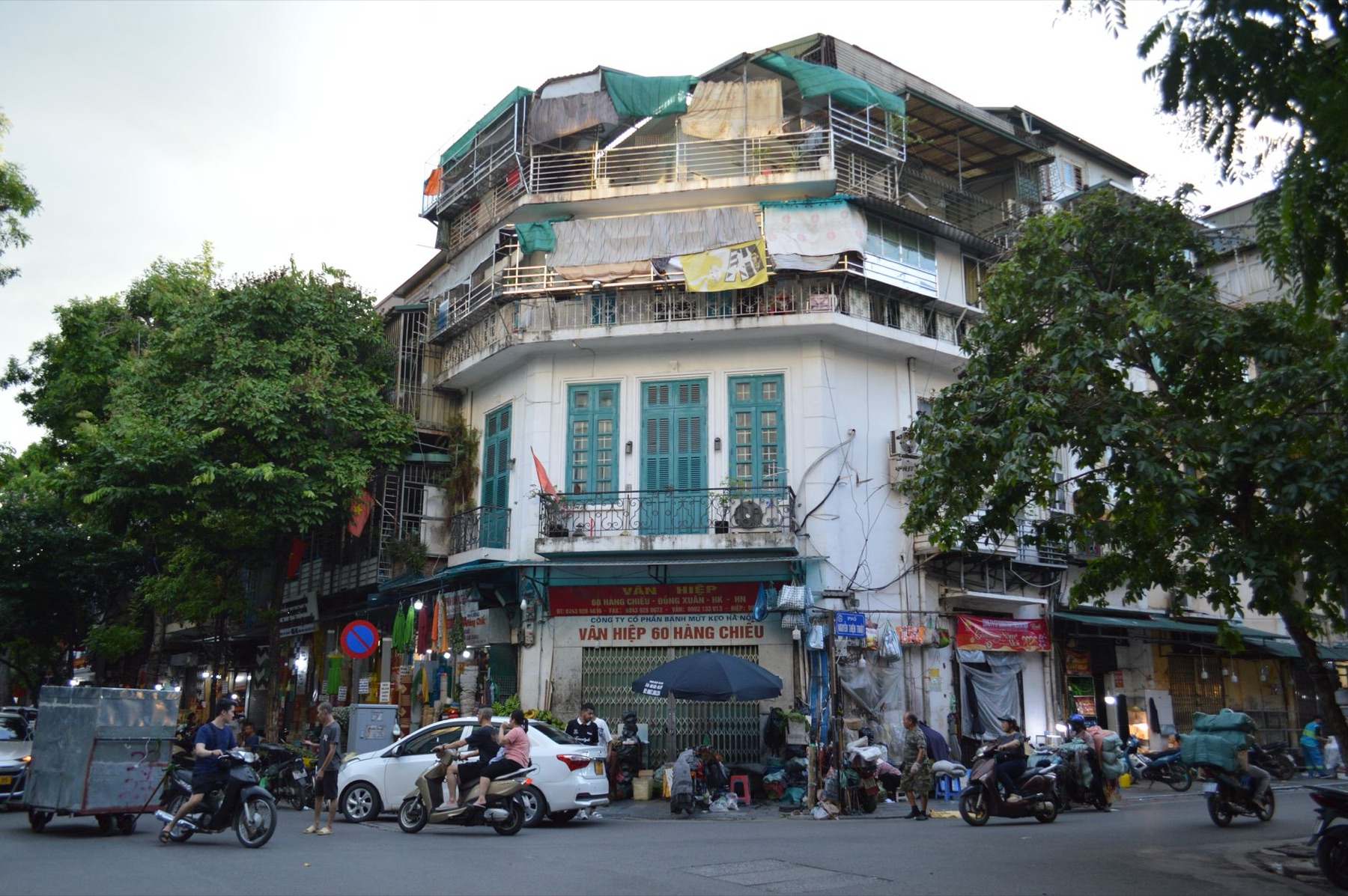
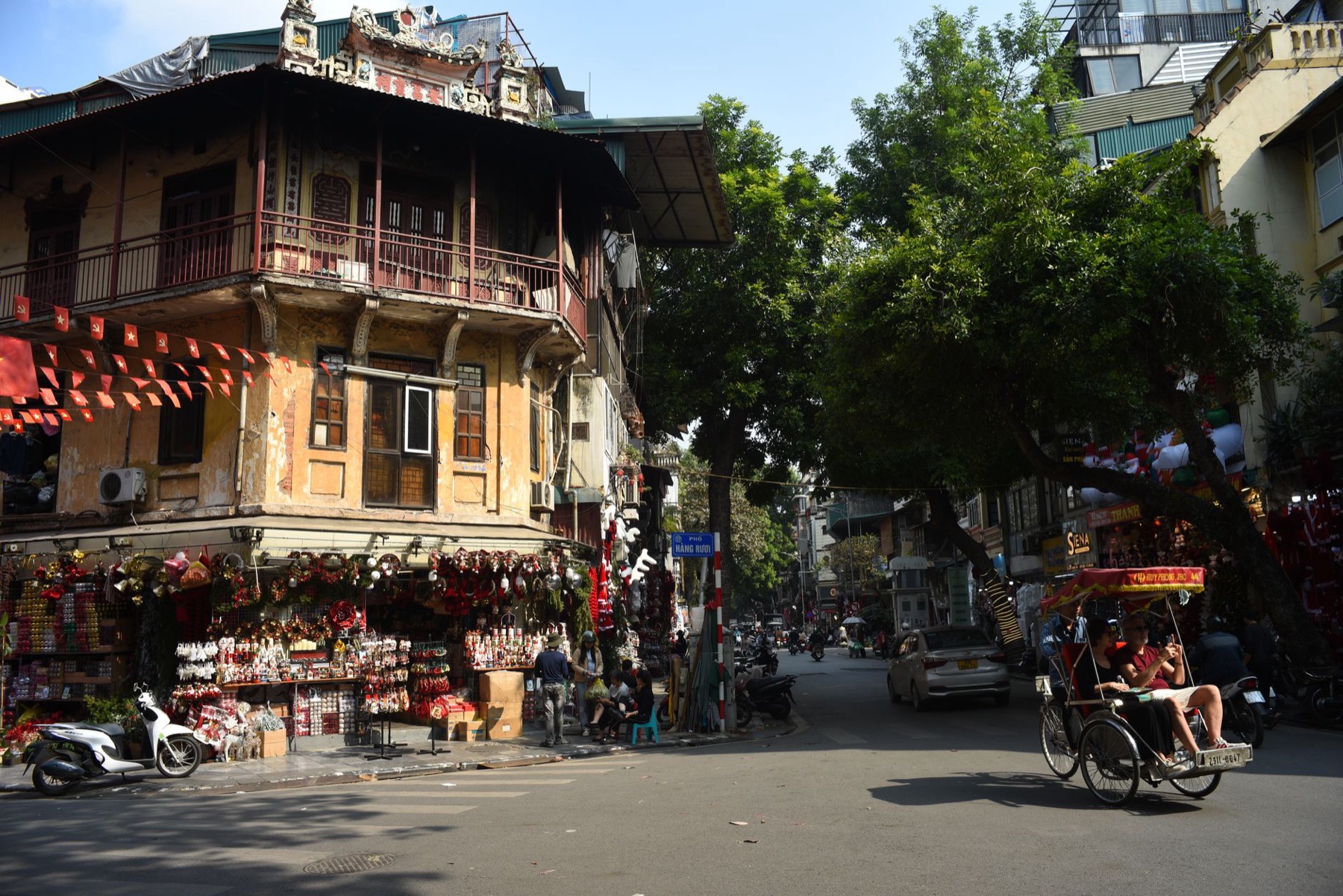
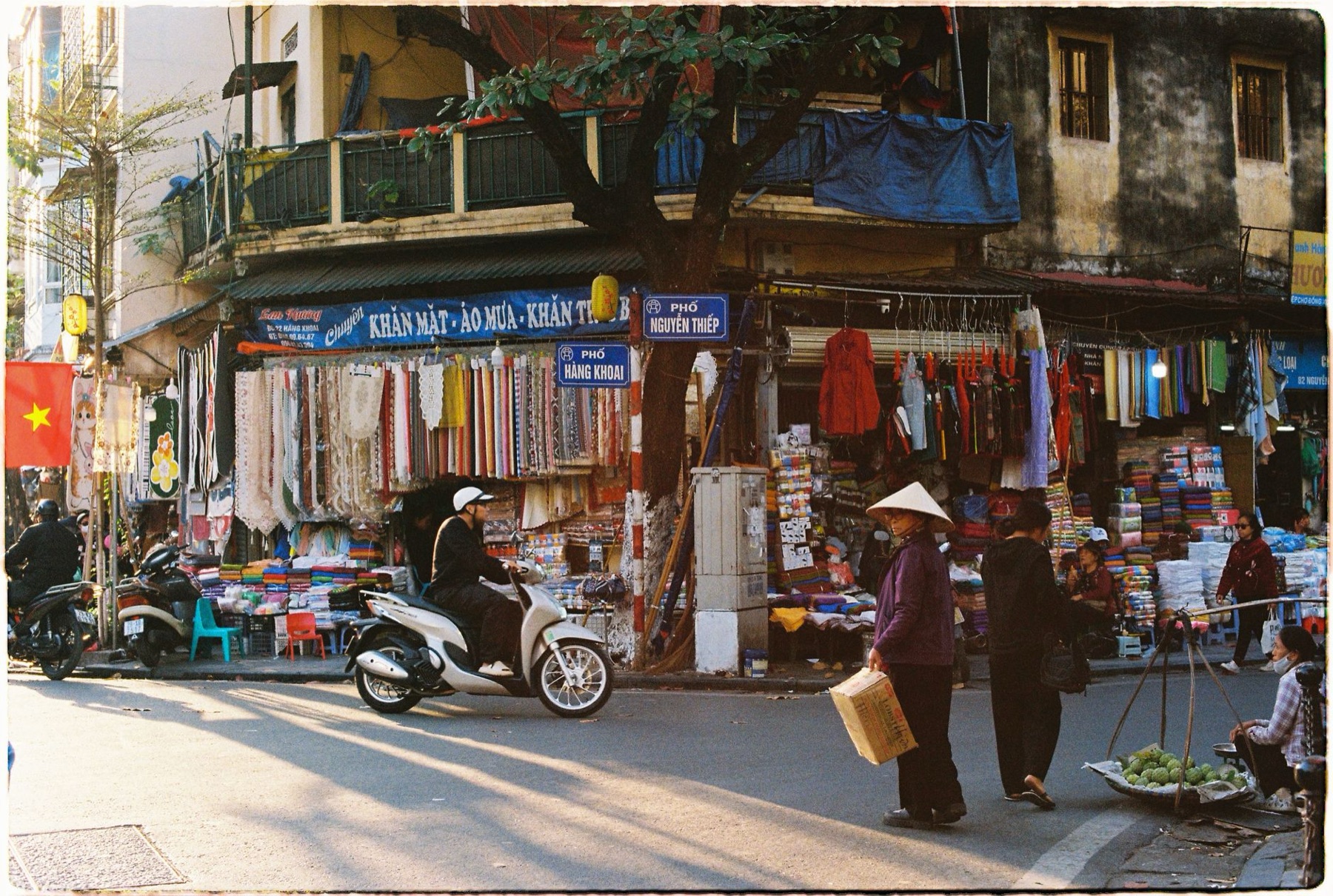
Hang Manh Street (near Hang Dao, Old Quarter) has three established carts that operate consistently at lunch—arrive by 11:45 a.m. or 30-minute waits are normal. Ly Quoc Su Street, just south, has one cart with very fresh herbs and lower charring (for people who dislike heavily burnt pork). Cha Ca La Ong Street (famous for cha ca, but bun cha vendors set up nearby on weekdays) offers variety. Ta Hien Street and surrounding alleys draw tourists but still have working locals' stalls at the north end. Avoid the southern tourist cluster near St. Joseph Cathedral unless you're already in the area and don't mind paying 100,000–120,000 VND (USD $4–$4.80).
Dong Xuan Market's prepared-food section (ground floor, north end) sells bun cha from 7 a.m.–noon at around 40,000–50,000 VND (USD $1.60–$2). It's less theatrical than street carts but reliable.
What exactly am I ordering, and why does price swing so much?
Bun cha comes in two parts: the pork and the broth.
Pork: Vendors grill two types—nem (ground pork, pressed into patties, softer) and suon (rib segments, meatier, smokier). A standard serving includes both. Quality swings on freshness (should smell charred, not greasy) and charring ratio (some stalls burn it deliberately; others grill gently). Local carts burn it more; tourist-zone restaurants often under-grill.
Broth: Fish sauce, water, lime juice, sugar, garlic, and often minced chili. This is where vendors cut corners—some broth tastes thin or overly salty. The best broths have balance: salty, slightly sweet, acidic, warm.
Price reality:
- Street cart: 30,000–50,000 VND (USD $1.20–$2). The pork may be grilled that morning; broth is fresh.
- Sit-down local restaurant (Hang Manh area): 50,000–80,000 VND (USD $2–$3.20). Cleaner environment, portion might be slightly larger.
- Tourist restaurant: 100,000–200,000 VND (USD $4–$8). Plating is prettier; pork quality often lower.
Why the gap? Rent, staff, menu overhead, and market positioning. Tourist restaurants need table turnover; street carts need raw-material margin. The difference is real—you're not just paying for ambiance; you're subsidizing overhead.
📸 Book an ao dai photoshoot in Hanoi or Saigon (Cáo Studio)
How do I spot a bun cha stall about to disappoint me?
Before you sit (or squat), check three things:
1. Smell test. Approach the cart. If charcoal is actively burning and pork has a brown, almost blackened crust, that's correct. If it smells old, greasy, or fishy in a bad way, leave. Fish sauce broth should smell pungent but not rancid.
2. Crowd composition. Are office workers and school kids eating, or only tourists with phones out? The former is a strong signal. If the cart has been operating 5+ years in the same spot and locals know it, the owner has no reason to cut corners.
3. Broth clarity. Peek at the pot. Good broth looks clear to light amber, not cloudy or dark brown. Ask to taste a spoon of broth before ordering—vendors at good stalls will offer without offense.
Red flags: plastic-wrapped pork sitting in a warmer (should be grilled fresh each batch), broth served cold, missing lime or herbs, prices posted on a laminated menu for foreign-only pricing, or vendors who don't speak Vietnamese to locals.
What to order and how much to expect to pay
| What to order | Best for | Rough cost | Key check |
|---|---|---|---|
| Nem + suon combo | First-timers, meat lovers | 35,000–50,000 VND (USD $1.40–$2) | Pork should sizzle when broth pours; fragrant charring |
| Nem only (lighter appetite) | Lunch, lighter eaters | 25,000–35,000 VND (USD $1–$1.40) | Patties firm, not mushy |
| Suon + rice (no noodles) | Carb-averse | 40,000–60,000 VND (USD $1.60–$2.40) | Less common; some carts may decline |
| Bun cha + ca (pork + grilled fish) | Local restaurants only | 80,000–120,000 VND (USD $3.20–$4.80) | Fish should be whole or chunked, fresh smell |
Order like a local: Ask for "bun cha hai mon" (two-pork combo). Specify nem or suon if you have a preference. Vendors will ask sugar level in broth (say "binh thuong"—normal—unless you like it sweeter). Add extra fresh herbs (dill, mint, cilantro) freely; they're included.
Is bun cha in other Hanoi neighborhoods worth the trip?
Bun cha is street-food-specific, so it clusters where daytime foot traffic is dense. Ba Dinh District (near Tran Quoc Pagoda or the Red River) has occasional carts but less consistency than Old Quarter. Hoan Kiem (tourist center) has many sit-down versions, most overpriced. Cau Giay (university area) has student-oriented stalls, cheaper (25,000–40,000 VND or USD $1–$1.60) but smaller portions and less care on broth balance.
Skip: any restaurant claiming "Hanoi's most famous bun cha" with a storefront and review count on Google. Those are marketing, not tradition.
🎟️ Compare tours & tickets for this place
We recommend experiencing bun cha in the Old Quarter on a weekday morning (Mon–Fri, 11 a.m.–1:30 p.m.), then moving on to other Hanoi food (cha ca, pho, banh mi) to build a real sense of Hanoi's lunch culture. If you're planning a longer Vietnam trip, check our itinerary planner for food-focused routes through Hoi An, Ninh Binh, and Sapa.
Photography note: Street carts and busy lunch crowds make for great travel photos. If you'd like professional shots in traditional áo dài before or after your food tour, Cáo Studio offers makeup, hair, and ao dai photoshoots in Hanoi.
Bring small notes (10,000–20,000 VND notes are ideal for street vendors; some carts still don't take Vietcombank cards reliably). A Vietnam eSIM is helpful for maps, translation, and calling vendors if you're hunting a specific stall.
FAQ
How much should bun cha actually cost in Hanoi in 2026?
Street-cart bun cha runs 30,000–60,000 VND (USD $1.20–$2.40). Sit-down restaurants charge 60,000–150,000 VND (USD $2.40–$6). Anything over 150,000 VND without a tourist-premium reason is overpriced. Always compare the broth and pork quality, not just the menu price.
Is bun cha safe to eat from street carts, or should I go to a restaurant?
Street carts are safe if the vendor has a consistent crowd and fast turnover. High volume means fresh ingredients and no sitting food. Dirty stools or stagnant broth smell strong—walk away. Restaurants are safer for nervous stomachs but often less flavorful. Trust your nose and the crowd around the cart.
What's the difference between nem and suon in bun cha?
Nem is ground pork pressed into patties—soft, smoky, and absorbs broth quickly. Suon is rib segments—meatier, chewier, slower to cook, and keeps texture longer. Order both in one serving for balance. Nem alone feels incomplete; suon alone can feel heavy.
Can I get bun cha outside the Old Quarter?
Yes, but consistency drops. Carts appear around universities, markets, and office-dense streets at lunch only. The Old Quarter (Hang Manh, Ly Quoc Su, Ta Hien) is where vendors stake permanent or semi-permanent spots and know regulars. Elsewhere, you're gambling on timing and quality.
Should I arrive early or late for the best bun cha?
Arrive 11:45 a.m.–12:30 p.m. for peak freshness and liveliest atmosphere. After 1:30 p.m., pork may be left over (reheated or day-old) and carts close. Morning preparation starts around 10 a.m., but vendors don't serve until 11 a.m. Late afternoon is rare; most street vendors pack up by 2 p.m.
FAQ
How much should bun cha actually cost in Hanoi in 2026?
Street-cart bun cha runs 30,000–60,000 VND (USD $1.20–$2.40). Sit-down restaurants charge 60,000–150,000 VND (USD $2.40–$6). Anything over 150,000 VND without a tourist-premium reason is overpriced. Always compare the broth and pork quality, not just the menu price.
Is bun cha safe to eat from street carts, or should I go to a restaurant?
Street carts are safe if the vendor has a consistent crowd and fast turnover. High volume means fresh ingredients and no sitting food. Dirty stools or stagnant broth smell strong—walk away. Restaurants are safer for nervous stomachs but often less flavorful. Trust your nose and the crowd around the cart.
What's the difference between nem and suon in bun cha?
Nem is ground pork pressed into patties—soft, smoky, and absorbs broth quickly. Suon is rib segments—meatier, chewier, slower to cook, and keeps texture longer. Order both in one serving for balance. Nem alone feels incomplete; suon alone can feel heavy.
Can I get bun cha outside the Old Quarter?
Yes, but consistency drops. Carts appear around universities, markets, and office-dense streets at lunch only. The Old Quarter (Hang Manh, Ly Quoc Su, Ta Hien) is where vendors stake permanent or semi-permanent spots and know regulars. Elsewhere, you're gambling on timing and quality.
Should I arrive early or late for the best bun cha?
Arrive 11:45 a.m.–12:30 p.m. for peak freshness and liveliest atmosphere. After 1:30 p.m., pork may be left over (reheated or day-old) and carts close. Morning preparation starts around 10 a.m., but vendors don't serve until 11 a.m. Late afternoon is rare; most street vendors pack up by 2 p.m.
More: Hanoi guide · What to eat in Hanoi