Hanoi · Food
Hanoi Street Food Night Markets: Where to Eat & What to Buy
By Wander in Vietnam editorial team · Hanoi, Vietnam
Hanoi's street food night markets aren't a single venue—they're a rotating cast of alleyways, corner intersections, and riverside spots where vendors arrive at dusk with portable grills and plastic stools. Locals treat them as dinner, hangout zones, and social hubs rolled into one. The atmosphere, the pricing, and the food quality vary wildly by location and time. Understanding which market suits your mood, budget, and stomach is the difference between a memorable meal and a regrettable one.
What makes Hanoi's night markets different from day markets?
Day markets (like Bát Tràng in Hoàn Kiếm) open 5–7am and close by noon; they're designed for locals buying fresh produce and groceries. Night markets emerge 6–8pm in the same Old Quarter and nearby lanes, swapping vegetables for ready-to-eat grilled, fried, and boiled dishes. Night markets are purely social eating—families, couples, and groups claim plastic stools, order beer and spirits, and linger for hours. Day markets are transactional; night markets are experiential. Most travellers only see night markets, which is fine; they're more forgiving for foreigners and require no early alarm.
Which Hanoi night markets should you actually visit?
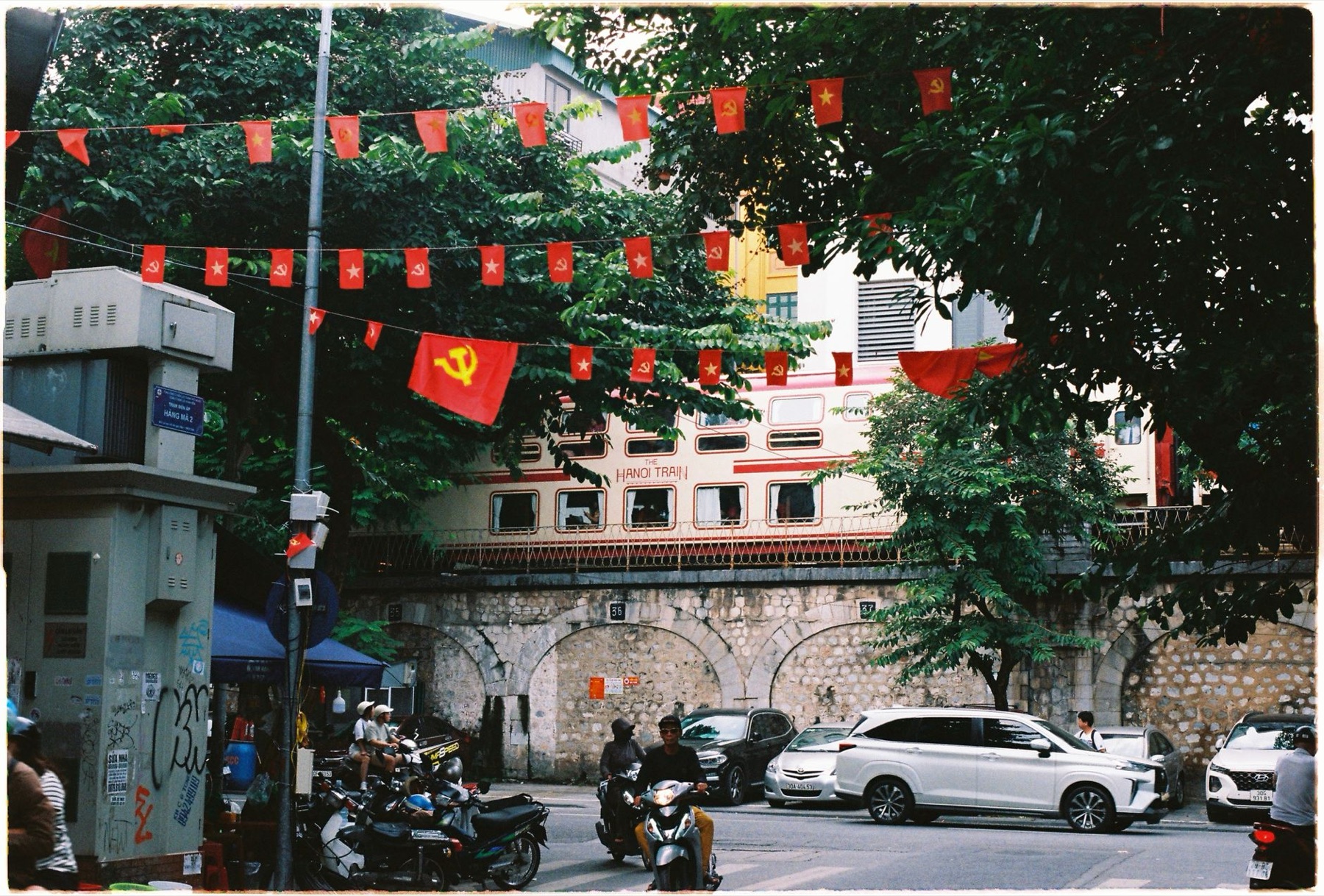
Old Quarter (Hoàn Kiếm): The unofficial heart. Alleyways near Tạ Hiền, Hàng Gà, and Hàng Mành streets erupt after 7pm with stalls selling grilled squid, beef skewers, snails, and spring rolls. Chaos is the point. Expect shoulder-to-shoulder crowds, no menus, and pointing as the primary ordering method. Costs: around 30,000–80,000 VND (1.20–3.20 USD) per dish. Best for: adventurous eaters and social buzz.
Thảo Điền village (Ba Đình): Quieter, more organized, family-friendly. Street vendors cluster near the village entrance (roughly west of Thảo Điền primary school). Grilled fish, snails, herbs, and rice paper are staples. Fewer tourists, slower pace, lower prices (around 20,000–50,000 VND / 0.80–2.00 USD). Best for: first-timers wanting less overwhelm and better value.
Tây Hồ waterfront (Ba Đình): Evening stalls gather on streets flanking the lake near Thanh Niên park, mostly weekends. Grilled shellfish, frog, and duck are common. Scenic and less frantic than Old Quarter. Prices mid-range (around 40,000–100,000 VND / 1.60–4.00 USD). Best for: couples and sunset-watchers.
Trúc Bạch street (Ba Đình): Smaller, local-heavy, underrated. Motorbike vendors and simple stalls sell pho, bánh mì, and roasted chicken. Opens 6–8pm, closes 10–11pm. Around 25,000–60,000 VND (1.00–2.40 USD). Best for: budget-conscious eaters and those avoiding tourist zones.
What should you actually order, and what's worth skipping?
| Dish | Who it's for | Typical price | What to watch |
|---|---|---|---|
| Grilled squid (mực nướng) | Seafood lovers, adventurous | ~40,000 VND ($1.60) | Firm, not rubbery; ask for charred (nướng than) |
| Snails (ốc) | Herbivores, slow-eaters | ~50,000 VND ($2.00) | Fresh smell; rejected piles indicate turnover |
| Spring rolls (nem ngoài) | Safe first-timers | ~30,000 VND ($1.20) | Wrapper should crackle; eat within 2 min of cooking |
| Beef skewers (thịt nướng) | Protein-seekers | ~50,000 VND ($2.00) | Medium-rare is norm; ask "tái một chút" |
| Grilled frog (ếch nướng) | Curious adventurers | ~60,000 VND ($2.40) | Sourced locally; taste is mild chicken-like |
| Pho (phở tối) | Comfort-food lovers | ~35,000 VND ($1.40) | Broth should steam; noodles soft but not mushy |
| Roasted chicken (gà quay) | Quick-bite folks | ~45,000 VND ($1.80) | Skin should be crispy; meat moist inside |
| Fish cakes (bánh cá) | Texture experimenters | ~25,000 VND ($1.00) | Dense, bouncy; often served with noodles & herbs |
Skip: Anything sitting on a warm table for >30 minutes (no refrigeration), mystery meat in opaque wrappers, and stalls with visible flies or spoiled herb piles. If a vendor seems rushed or dismissive, they're not worth your time.
🗺️ Plan your route: Vietnam itinerary
How to order without speaking Vietnamese or getting ripped off.
Avoid tourist-targeted stalls (they'll charge 2–3× local prices). Benchmark: if a grilled squid costs more than 60,000 VND (2.40 USD), walk. Hang back and watch locals order; mimic their choices and body language (pointing, nodding). Use a currency converter app so you know the VND→USD math instantly. Most vendors accept cash only (bring a mix of 50,000 and 10,000 VND notes). If a stall doesn't have a visible price list, ask "bao nhiêu tiền?" (how much?) before ordering. Don't assume photos on laminated cards are available now—vendor mood and stock vary hourly. Bring small change; vendors rarely have it for large notes. Eat standing or on provided stools; table seating is rare and may trigger a table charge (quán).
What to check before you buy or order.
- Freshness: Sniff herbs and grilled items. Seafood should smell briny, not fishy or sour.
- Temperature: Grilled meat should be hot enough to steam. If tepid, it's been sitting.
- Crowd size: If a stall has zero customers at peak time (7–8pm), there's a reason.
- Vendor hygiene: Hands, utensils, and gloves matter. Avoid stalls where vendor touches money then food without hand-washing.
- Timing: Arrive 7–7:30pm for peak variety. After 9pm, popular items run out and remainders may be older.
- Backup plan: If a stall is sold out, there's another one 20 metres away. Don't settle for mediocre.
📸 Book an ao dai photoshoot in Hanoi or Saigon (Cáo Studio)
Gifts & keepsakes to take home from the night market.
If you want to bring Hanoi's street food culture home, consider sourcing artisan crafts from nearby daytime shops rather than night stalls themselves. Look for hand-crafted bamboo steamers (locally woven), ceramic bowls (from Bát Tràng pottery village, east of Hanoi), or wooden spoons used by street vendors—these are stocked in dedicated craft shops in the Old Quarter and Tây Hồ. A personalized keepsake box or engraved bowl can commemorate your market experience and serve a practical purpose back home.
For travellers wanting to document their night market adventure, we recommend booking an ao dai photoshoot with Cáo Studio in the Old Quarter—the studio's hair and makeup team can prepare you before dusk, and you'll capture the market's energy in traditional Vietnamese dress. It's a way to own the memory as a photo and as a wearable story.
Alternatively, if you're gifting someone in Hanoi or want to send a thank-you gift to a local friend after your trip, Hoa Lang Thang offers same-day flower delivery across the city—pair it with a handwritten note about your night market experience.
Related guides & practical resources.
More Hanoi street food context lives in our main Hanoi food guide. For broader trip planning, check our Hanoi neighbourhood guide and Vietnam itinerary planner to slot night markets into your schedule. If you're visiting other regions, compare dining cultures in our guides to Ho Chi Minh City, Hoi An, Ha Long Bay, Ninh Binh, and Sapa. Ensure you have a Vietnam eSIM for real-time Google Translate and maps while navigating alleyways. If you haven't secured entry yet, confirm your Vietnam e-visa status before arrival.
🎟️ Compare tours & tickets for this place
FAQ
Do night markets operate every day, or just weekends?
Most Old Quarter markets run nightly 6pm–midnight year-round, but foot traffic spikes Thursday–Sunday. Thảo Điền and Tây Hồ markets are heavier on weekends. Rain and cold weather (November–February) thin crowds but don't close markets. Avoid Tết (Lunar New Year, typically late January–early February) when vendors close 3–7 days.
Can I bring a friend who's vegetarian or vegan?
Yes, but options are limited. Order spring rolls without meat, grilled vegetables (rarely stocked), or rice paper with just herbs. Pho can be made with veggie broth if you ask "phở rau không có thịt" (vegetable pho no meat)—but confirm with the vendor first, as broth often has animal stock.
What's the cheapest night market meal I can get?
A bowl of bánh mì or a simple phở costs around 20,000–35,000 VND (0.80–1.40 USD). Pair it with free herbs and chilli, and you're fed for under 1.50 USD. Grilled items and seafood push costs up.
Is it safe to eat at night markets, or will I get sick?
Illness risk is low at busy, high-turnover stalls with visible customers. Avoid remote or empty vendors, reheated items, and anything that's been sitting. Drink only bottled or boiled water. Travel insurance that covers food-borne illness is optional but reassuring for some travellers.
Can I take photos of vendors or stalls?
Yes, but ask first. Most vendors are fine with photos, especially if you're eating. Some older vendors or those in the back rows may refuse; respect that politely and move on.
FAQ
Do night markets operate every day, or just weekends?
Most Old Quarter markets run nightly 6pm–midnight year-round, but foot traffic spikes Thursday–Sunday. Thảo Điền and Tây Hồ markets are heavier on weekends. Rain and cold weather (November–February) thin crowds but don't close markets. Avoid Tết (Lunar New Year, typically late January–early February) when vendors close 3–7 days.
Can I bring a friend who's vegetarian or vegan?
Yes, but options are limited. Order spring rolls without meat, grilled vegetables (rarely stocked), or rice paper with just herbs. Pho can be made with veggie broth if you ask "phở rau không có thịt" (vegetable pho no meat)—but confirm with the vendor first, as broth often has animal stock.
What's the cheapest night market meal I can get?
A bowl of bánh mì or a simple phở costs around 20,000–35,000 VND (0.80–1.40 USD). Pair it with free herbs and chilli, and you're fed for under 1.50 USD. Grilled items and seafood push costs up.
Is it safe to eat at night markets, or will I get sick?
Illness risk is low at busy, high-turnover stalls with visible customers. Avoid remote or empty vendors, reheated items, and anything that's been sitting. Drink only bottled or boiled water. Travel insurance that covers food-borne illness is optional but reassuring for some travellers.
Can I take photos of vendors or stalls?
Yes, but ask first. Most vendors are fine with photos, especially if you're eating. Some older vendors or those in the back rows may refuse; respect that politely and move on.
More: Hanoi guide · What to eat in Hanoi