Hanoi · Food
Hanoi Street Food Pho: Where to Buy, What to Order & Real Prices
By Wander in Vietnam editorial team · Hanoi, Vietnam
Hanoi street food pho isn't just a dish—it's the city's baseline breakfast ritual. Walk any street at 6 a.m. and you'll find plastic stools, aluminum pots steaming on charcoal braziers, and queues of commuters hunched over bowls. But which stall deserves your time? And what's actually worth the money versus hype?
We've tasted pho across Hanoi's neighborhoods for years. Here's what separates authentic, clean, delicious bowls from tourist traps and stomach-risking shortcuts.
What's the actual difference between north and south Hanoi pho?
Northern pho—the authentic Hanoi style—uses a clear, delicate bone broth simmered 12–18 hours with minimal aromatics. It arrives with rice noodles, raw beef (bò tái), cooked beef shank, and almost no garnish: maybe a leaf or two of mint. Southern pho drowns in fresh herbs, bean sprouts, chili, and hoisin sauce on the side. Hanoi's version trusts the broth; the south trusts flavor additives.
Northern pho costs around 50,000–80,000 VND ($2.50–$4). Southern-style bowls in Hanoi run 60,000–100,000 VND ($3–$5). The price reflects broth quality and portion size, not ambiance.
🗺️ Plan your route: Vietnam itinerary
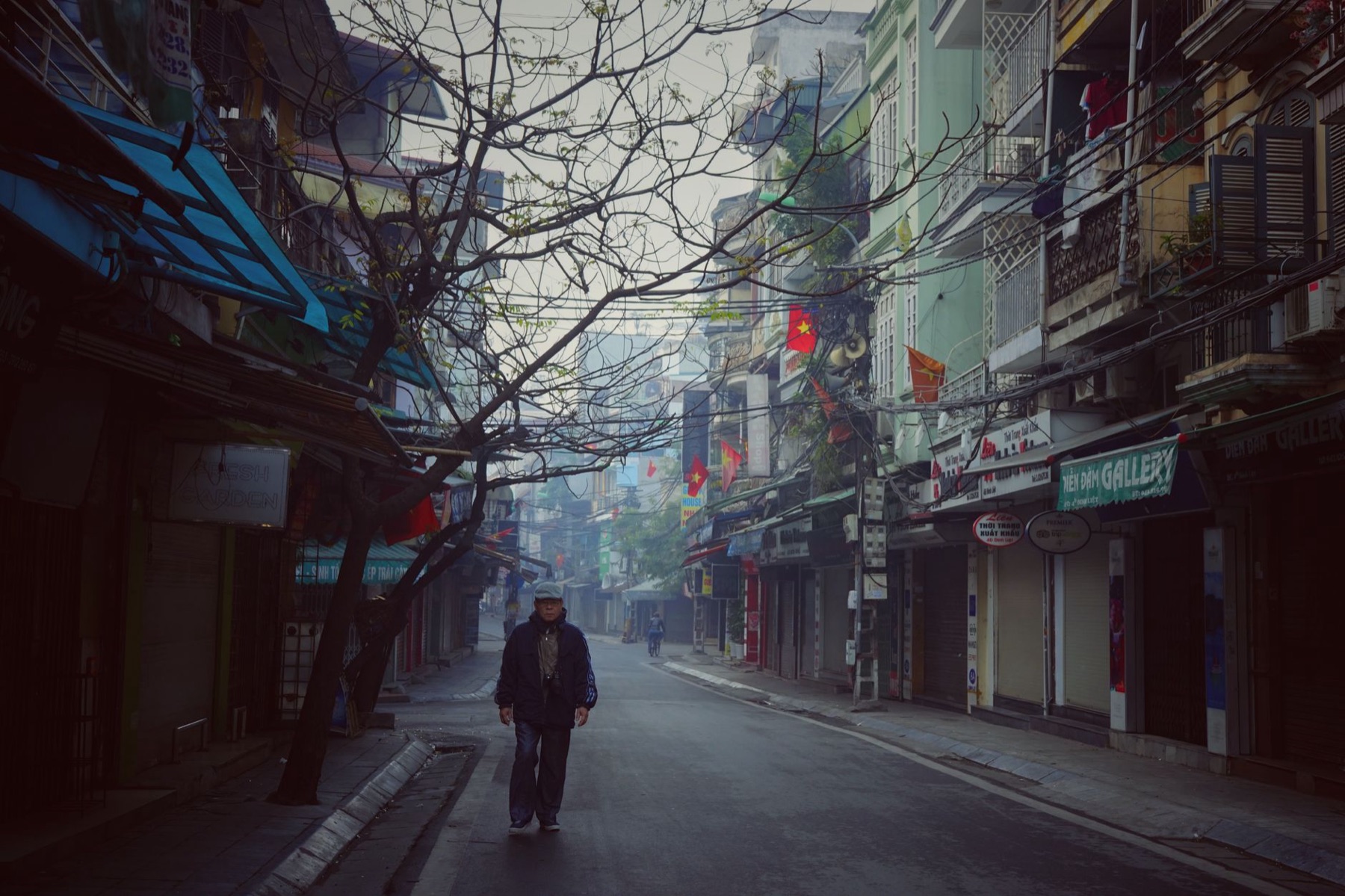
Where should you actually eat pho in Hanoi—and what to skip?
Hanoi's most famous pho street sits in the Old Quarter (Quán Chả Lane, Phố Tạ Hiện area), but it's become a tourist zoo. Plastic bottles, loud touts, and mediocre broth dominate. Skip it unless you're after a photo op.
Real pho happens in neighborhood stalls without English menus:
- Hoàn Kiếm District: Pho stalls cluster around Thanh Nên Street early morning (5:30–9 a.m.). The broth here runs clear and savory. Arrive by 7 a.m. or bowls sell out. Cost: 55,000 VND ($2.75).
- Bà Đình District: Smaller, calmer spots near Thanh Xuân Road serve locals only. English-speaking tourists are rare; broth quality is consistent. 50,000–70,000 VND ($2.50–$3.50).
- Hai Bà Trưng District: Morning-only stalls (closing by 10 a.m.) on side streets near Tôn Đức Thắng. Beef is butchered fresh daily. 60,000 VND ($3).
Tourist-focused venues (Pho Gia Truyen, chain-style restaurants in tourist zones) use pre-made broth, rushed service, and inflate prices to 120,000–150,000 VND ($6–$7.50) for the same quality you'd get for half that.
🎟️ Compare tours & tickets for this place
How do you spot a clean pho stall before ordering?
This matters for your stomach. Here's a real checklist:
- Broth clarity: Peek into the pot. Authentic northern broth is amber and see-through, not cloudy. Cloudiness means rushed cooking or old stock.
- Meat storage: Is raw beef on a cutting board or in a cooler? Meat left at room temperature in Hanoi's heat spoils fast. If it smells sour or looks gray, leave.
- Noodle freshness: Fresh rice noodles smell neutral and bounce slightly. Stale noodles smell fermented or plasticky.
- Customer turnover: Busy stalls (long queue, fast serving) guarantee fresh ingredients. Quiet stalls at lunch might be reheating yesterday's broth.
- Visible waste: Do you see flies, trash piles, or standing water near the stall? That's a hard pass.
- Utensil washing: Bowls and spoons should be dunked in boiling water between customers. If they're rinsed in cold water, the stall cuts corners elsewhere too.
Only order at stalls where you see these practices. It takes 30 seconds to assess.
What should you order, and what are the real price tiers?
| Bowl Type | What It Is | Price (VND) | Price (USD) | Who It's For | Red Flag? |
|---|---|---|---|---|---|
| Phở bò tái (rare beef) | Raw beef, light broth, minimal garnish | 50k–70k | $2.50–$3.50 | Broth purists, adventurous eaters | Meat not pink/raw = reheated |
| Phở bò nạm (cooked shank) | Stewed beef shank, richer flavor, northern style | 60k–80k | $3–$4 | Travelers nervous about raw meat | Meat tough/grey = old stock |
| Phở gà (chicken) | Chicken broth (lighter), less common, seasonal | 50k–65k | $2.50–$3.25 | Lighter appetite, stomach-sensitive | Broth should be clear yellow, not white |
| Phở đặc biệt (special) | Mixed beef (raw, shank, offal), tourist-heavy | 80k–120k | $4–$6 | Those wanting everything in one bowl | Usually diluted broth to fit volume |
| Southern-style phở (Hanoi vendor) | Extra herbs, bean sprouts, chili, hoisin | 70k–100k | $3.50–$5 | Herb lovers, southern visitors | Often masks weak broth with condiments |
Real talk: "Special" bowls are upsell traps. The broth gets stretched thin to cover extra meat. Order phở bò tái or phở bò nạm for the truest Hanoi experience.
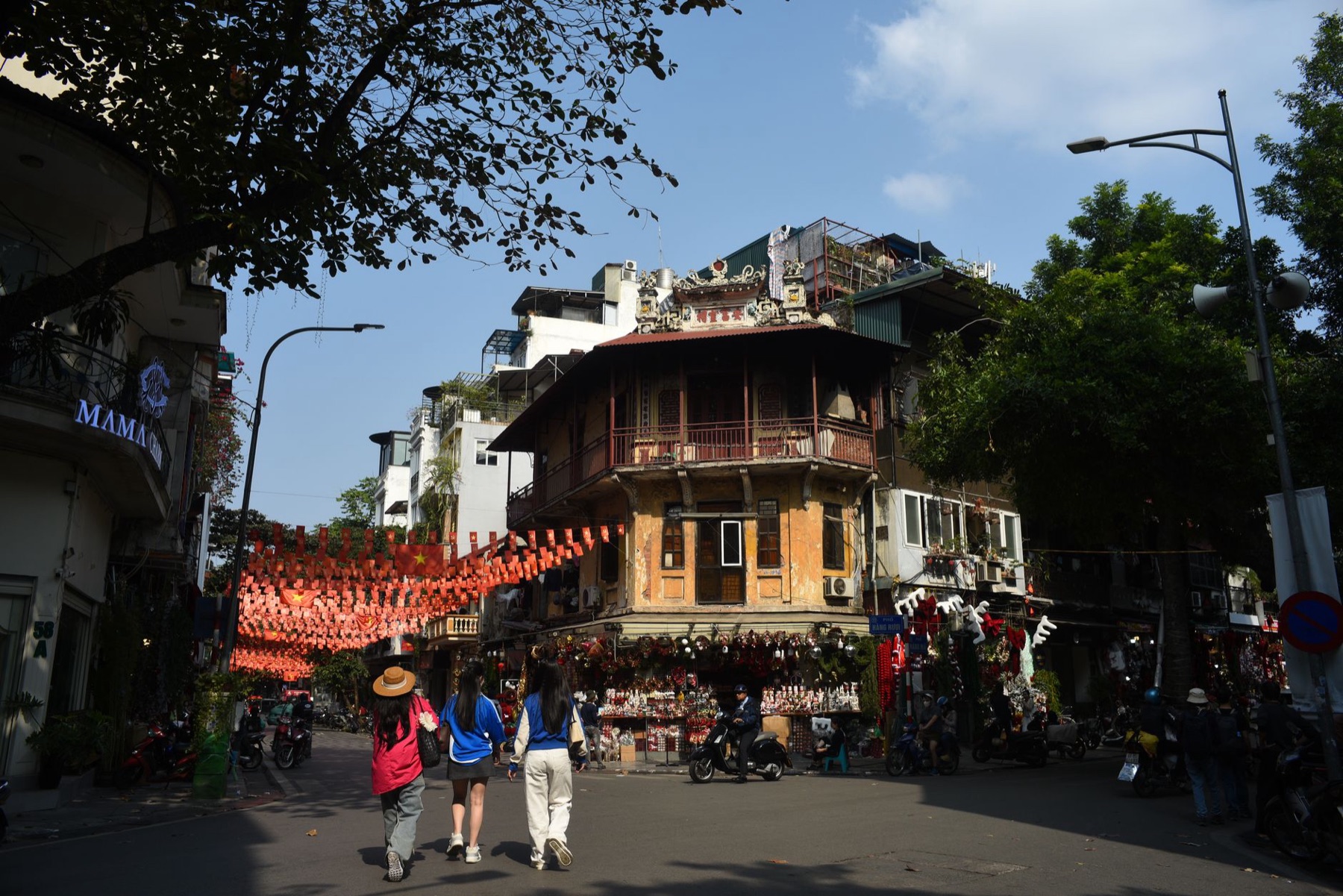
What's the honest scam risk, and how do you avoid it?
Pho scams exist but are rare at street stalls (they make profit on volume, not tricks). The real risks:
- Inflated tourist prices: A 50,000 VND bowl becomes 150,000 VND when a foreigner sits down. Sit on the street with locals, not at plastic tables facing tourists.
- Broth reheating: Some stalls simmer the same pot for 3–4 days, topping it up with water. Ask "Nồi này nấu từ khi nào?" (When was this pot started?). Answer should be "this morning" or "last night."
- Fake "famous" stalls: Guides and touts push one specific stall and claim it's legendary. It's usually mediocre and expensive. Wander instead—the best pho has no sign in English.
- Meat age: Offal (organs) spoils first. If a stall is selling special bowls at suspiciously low prices, the offal is old.
Avoidance rule: Eat where construction workers and office staff eat at 6–8 a.m., not where backpackers gather. Price = quality at Hanoi's street level.
📸 Book an ao dai photoshoot in Hanoi or Saigon (Cáo Studio)
Should you take pho stall recommendations from guides, or find your own?
Most Hanoi street food guides recommend the same 3–5 stalls repeatedly. These places were good 10 years ago. Now they're touristy, rushed, and inconsistent. Quality has declined as volume increased.
Better strategy: Walk into a neighborhood you're staying in at 6–7 a.m. Sit at whichever stall has the longest line of locals. You'll pay the same 50,000–70,000 VND ($2.50–$3.50), get better broth, and have a genuine morning in Hanoi.
The stalls worth knowing by area (no hype names—just types):
- Hoàn Kiếm: Corner stalls on quiet alleys near Thanh Nên (Old Quarter edge).
- Ba Đình: Residential street vendors, gone by 9 a.m.
- Hai Bà Trưng: Early-morning-only carts near government offices.
Each has 2–3 core vendors who appear daily. Loyal customers call ahead (ask a local for the phone number).
---
What to check before you order pho (quick checklist)
- Time: Arrive 6:30–8 a.m. for fresh broth; avoid lunch and evening.
- Broth color: Clear amber, not white, cloudy, or brown.
- Meat temperature: Raw beef should be cold and bright red; cooked beef should smell neutral.
- Stall traffic: Busy = fresh; quiet = reheated.
- Hygiene: Bowls rinsed in boiling water, no visible flies, clean cutting board.
- Price check: Northern pho: 50k–80k VND ($2.50–$4); southern style: 70k–100k VND ($3.50–$5). Anything higher is markup for tourists.
- Language barrier: Carry a photo or point. Vendors know "phở" across Hanoi—accent doesn't matter.
Ordering is simple: "Một tô phở bò tái, không rau" (One bowl rare beef pho, no extra herbs) or "Một tô phở bò nạm" (One bowl cooked beef pho). Both work for beginners.
---
For more on Hanoi food culture, explore neighborhood eating guides and market tours. If you're planning a broader trip, check our Hanoi neighborhood guide, Vietnam itinerary planner, or street food guides for Ho Chi Minh City and Hoi An.
Consider timing pho visits with an ao dai photoshoot in Hanoi—many visitors capture morning street scenes in traditional dress, a meaningful way to document the experience.
---
FAQ
Is it safe to eat raw beef pho on Hanoi streets?
Yes, if the stall is clean and broth is boiling. Raw beef sits in the bowl for only seconds before boiling broth cooks it. Check meat color (bright red) and stall hygiene (busy, flies absent, clean cutting board). Avoid if meat smells sour or looks gray.
What's the cheapest real pho in Hanoi, and how much should I expect to pay?
Northern-style phở bò tái (rare beef) costs 50,000–70,000 VND ($2.50–$3.50) at authentic street stalls in residential neighborhoods. "Special" bowls and tourist zones charge 2–3× more for the same quality. Lunch and evening add a small markup; early morning (6–8 a.m.) is always cheapest and freshest.
How long has the broth been simmering, and does it matter?
Ask "Nồi này nấu từ khi nào?" (When was this pot started?). Authentic northern pho broth simmers 12–18 hours—ideally made fresh the night before or very early morning. Broth reheated for more than one day tastes flat. If a vendor says "three days," the broth is old; leave.
Why is my pho sometimes cloudy instead of clear, and is it bad?
Cloudy broth means rushed cooking (boiling too hard, agitating solids) or stock from the previous day. Northern Hanoi pho should be crystal-clear amber—that clarity took hours to achieve. Cloudy broth isn't necessarily unsafe, but it signals less care in preparation. Clear broth = better quality, every time.
Can I get pho outside early morning hours, or should I skip lunch and dinner?
You can get pho all day, but quality drops after 10–11 a.m. Morning batches are fresh; afternoon and evening pho comes from reheated morning broth or second-day stock. Best bowls: 6–9 a.m. Acceptable: 9 a.m.–noon. Avoid: after 1 p.m. Many stalls close mid-morning anyway—pho is Hanoi's breakfast, not lunch or dinner staple.
Do I need to speak Vietnamese to order pho, or can I use English?
Most street pho vendors speak no English and expect no tourists. Carry a photo of the bowl you want (your phone camera works), point, or say "Một tô phở bò tái" (one bowl rare beef pho)—vendors recognize "phở" internationally. Write the price limit in your notes app if nervous: "100,000 VND max." Gesture works for everything else.
Should I add condiments (chili, hoisin, fish sauce), or is that disrespectful?
Northern Hanoi style: minimal condiments (respect the broth). Southern style or weaker broths: condiments expected. At a street stall, observe what locals do. If no bottles sit on the table, the broth is already balanced—don't add. If bottles are there, use them freely. Most vendors don't care; they want you fed and happy.
FAQ
Is it safe to eat raw beef pho on Hanoi streets?
Yes, if the stall is clean and broth is boiling. Raw beef sits in the bowl for only seconds before boiling broth cooks it. Check meat color (bright red) and stall hygiene (busy, flies absent, clean cutting board). Avoid if meat smells sour or looks gray.
What's the cheapest real pho in Hanoi, and how much should I expect to pay?
Northern-style phở bò tái (rare beef) costs 50,000–70,000 VND ($2.50–$3.50) at authentic street stalls in residential neighborhoods. "Special" bowls and tourist zones charge 2–3× more for the same quality. Lunch and evening add a small markup; early morning (6–8 a.m.) is always cheapest and freshest.
How long has the broth been simmering, and does it matter?
Ask *"Nồi này nấu từ khi nào?"* (When was this pot started?). Authentic northern pho broth simmers 12–18 hours—ideally made fresh the night before or very early morning. Broth reheated for more than one day tastes flat. If a vendor says "three days," the broth is old; leave.
Why is my pho sometimes cloudy instead of clear, and is it bad?
Cloudy broth means rushed cooking (boiling too hard, agitating solids) or stock from the previous day. Northern Hanoi pho should be crystal-clear amber—that clarity took hours to achieve. Cloudy broth isn't necessarily unsafe, but it signals less care in preparation. Clear broth = better quality, every time.
Can I get pho outside early morning hours, or should I skip lunch and dinner?
You *can* get pho all day, but quality drops after 10–11 a.m. Morning batches are fresh; afternoon and evening pho comes from reheated morning broth or second-day stock. Best bowls: 6–9 a.m. Acceptable: 9 a.m.–noon. Avoid: after 1 p.m. Many stalls close mid-morning anyway—pho is Hanoi's breakfast, not lunch or dinner staple.
Do I need to speak Vietnamese to order pho, or can I use English?
Most street pho vendors speak *no* English and expect no tourists. Carry a photo of the bowl you want (your phone camera works), point, or say *"Một tô phở bò tái"* (one bowl rare beef pho)—vendors recognize "phở" internationally. Write the price limit in your notes app if nervous: "100,000 VND max." Gesture works for everything else.
Should I add condiments (chili, hoisin, fish sauce), or is that disrespectful?
Northern Hanoi style: minimal condiments (respect the broth). Southern style or weaker broths: condiments expected. At a street stall, observe what locals do. If no bottles sit on the table, the broth is already balanced—don't add. If bottles are there, use them freely. Most vendors don't care; they want you fed and happy.
More: Hanoi guide · What to eat in Hanoi