Hanoi · Food
Hanoi Street Food: Real Costs, Best Stalls & What To Order
By Wander in Vietnam editorial team · Hanoi, Vietnam
Hanoi's street food culture runs deeper than novelty. It's survival economy, family tradition, and precision all at once. A vendor might spend three hours prepping one broth. Their rent costs ₫100,000 a month. They serve 200 bowls a day at ₫35,000 each. That's a life, not a photo op.
We've eaten from carts in rain, watched vendors refuse to cut corners when they could charge tourists triple, and learned which stalls fail health checks every year. This guide strips away the Instagram myth and shows you where to spend your money wisely.
What Are the Real Prices of Hanoi Street Food?
Hanoi street food costs vary by dish, location, and vendor reputation. A bowl of pho (beef noodle soup) at a respected stall in Old Quarter runs around 35,000–50,000 VND ($1.40–$2). Banh mi (Vietnamese sandwich) from a corner shop: 15,000–25,000 VND ($0.60–$1). Grilled meat skewers (nem nuong): 5,000–8,000 VND per stick ($0.20–$0.32), usually bought in sets of 5–10. Spring rolls (cha gio): 2,000–4,000 VND each ($0.08–$0.16). Egg coffee in Hoan Kiem: 30,000–40,000 VND ($1.20–$1.60).
Tourist-heavy areas inflate prices 30–50%. A pho at Hoan Kiem Lake costs ₫60,000–₫75,000; the same bowl in Ba Dinh district, two km away, costs ₫35,000–₫40,000. Vendors near major hotels (Metropole, Sofitel) apply the foreigner tax. Avoid stalls on walking streets during peak hours (11:30 a.m.–1 p.m., 5 p.m.–7 p.m.) unless you're happy to overpay for the convenience.
🗺️ Plan your route: Vietnam itinerary
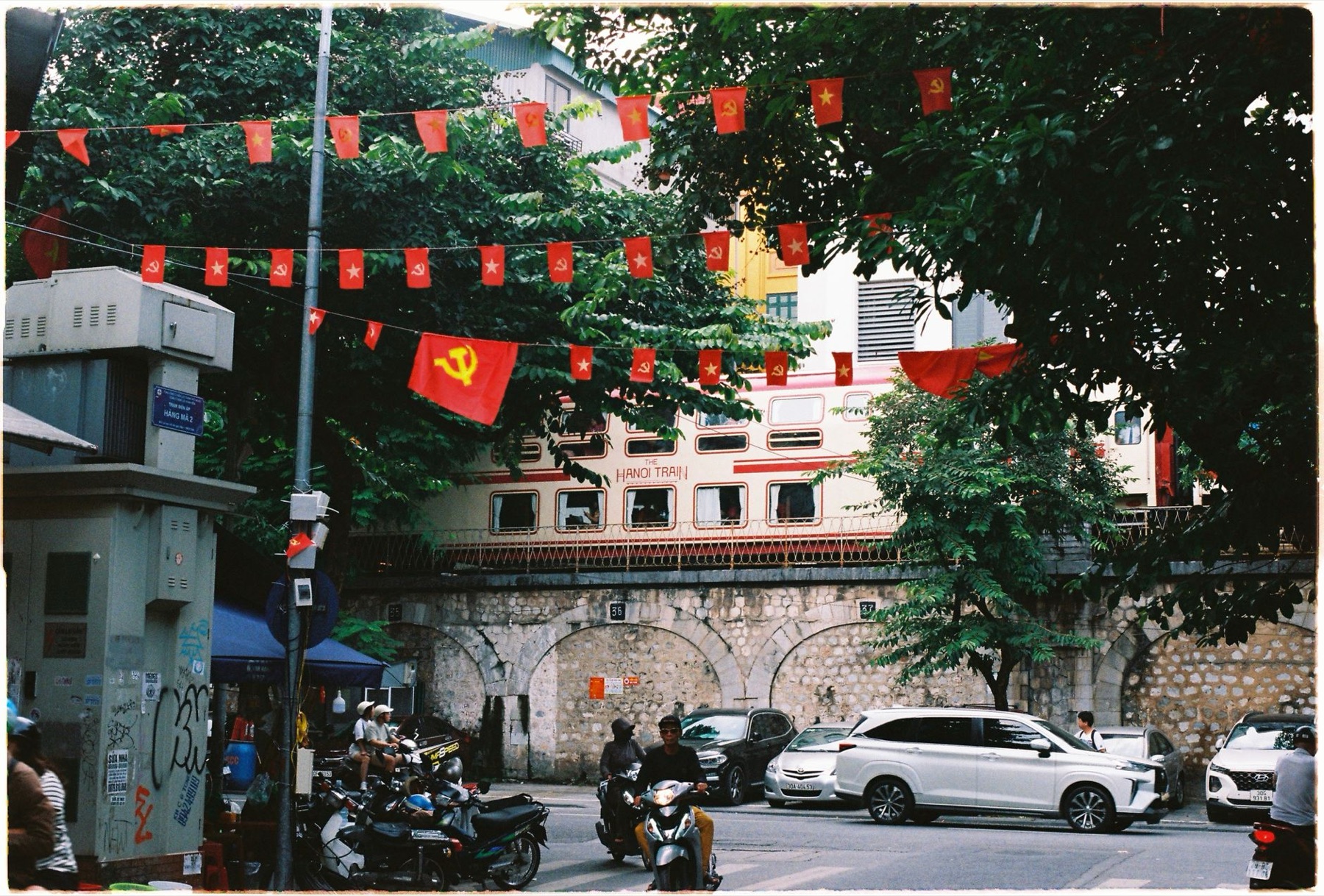
Which Neighborhoods Have the Best Stall Density?
Old Quarter (Hoan Kiem district, around Hang Gai, Hang Be, Ta Hien streets): highest concentration. Chaotic, noisy, mixed quality. Expect crowds and tourist markup. Go early (7–9 a.m.) or late (8–10 p.m.) to eat with residents.
Ba Dinh district (near Ho Tay Lake, Thao Dien area): quieter, cheaper, locals-only vibe. Less English, more authentic. Vendors open 6 a.m.–10 a.m. for breakfast, close midday, reopen 4 p.m.–9 p.m. for dinner.
Tay Ho ward (north of Ho Tay): expat-friendly but still genuine. Banh mi carts appear around 6 a.m. Grilled pork stalls cluster near markets. Prices 10–20% higher than Ba Dinh, lower than Old Quarter.
Dong Xuan Market area (central, Hoan Kiem): wholesale market food court upstairs. Cheap, fast, no frills. Breakfast broth around 20,000–30,000 VND. Most stalls open 5:30–9 a.m. only.
Thanh Xuan district (east, near universities): student-oriented, ultra-cheap. Pho from budget stalls: 20,000–25,000 VND. Hygiene varies. Eat at busy stalls with fast turnover.
Map these zones on Google Maps before you go. Mark stalls with high foot traffic and morning queues—they're reliable proxy signals for freshness and safety.
How Do You Spot a Safe vs. Risky Stall?
| Safety Signal | Risky Sign | Action |
|---|---|---|
| Long local queue, fast turnover | Empty stall, flies, old cooked meat visible | Walk away |
| Vendor washing hands frequently | Vendor touching money, then food | Find another stall |
| Ingredients prepped fresh that morning | Meat sitting uncovered in heat >2 hours | Avoid entirely |
| Broth simmering actively | Cold broth, reheated | Order only dry dishes (banh mi, spring rolls) |
| Clean utensils, single-use spoons | Shared spoon, wet floor, no trash bin | Don't order |
| Vendor knows regulars by name | Vendor ignores quality, rushes orders | Low sign of care |
| Cash-only, receipts offered | No receipt, vague pricing | Harder to report if sick |
The turnover rule: A busy stall cooks fresh; a quiet one recycles old stock. Breakfast pho should be made that morning. Grilled meat should be cooked to order, not sitting on a wire rack. If you watch and see the vendor flame-grilling right then, order. If the meat looks pre-cooked and tired, skip it.
Hepatitis A is real in Hanoi. Typhoid exists. Avoid raw herbs at street stalls unless you've verified the vendor washes vegetables in filtered water—most don't. Cooked food, eaten hot, is safer. Cold salads and raw accompaniments increase risk.
📸 Book an ao dai photoshoot in Hanoi or Saigon (Cáo Studio)
What Dishes Should First-Time Visitors Actually Order?
Pho bo (beef noodle soup): The iconic entry point. Order from a stall with its own broth pot. Broth should be clear, fragrant, and simmered for hours. Around ₫40,000–₫50,000. Eat at the stall, standing or on a low stool. The experience is the point.
Banh mi: Crispy baguette, pâté, cold cuts, pickled daikon, cilantro, chili. ₫15,000–₫25,000. Quality depends on bread freshness (should crack when bitten) and pâté sourcing. A good banh mi vendor has a line by 7 a.m.
Nem nuong (grilled pork meatballs): Minced pork, tamarind, shrimp paste, grilled over charcoal. Wrap in rice paper with herbs. Around ₫40,000–₫60,000 per 5-stick set. Watch the vendor make them—if he's adding cheap fillers or overseasoning to hide age, walk away.
Cha gio (fried spring rolls): Pork, crab, vermicelli inside. Crispy exterior. ₫2,000–₫4,000 each. Safest option because heat kills pathogens. Dip in fish sauce. Eat immediately after frying.
Egg coffee (ca phe trung): Beaten egg yolk, condensed milk, strong coffee. Hanoi invention. Around ₫35,000–₫40,000. Widely available at small coffee stalls (not chains). Creamy, rich, addictive.
Bun cha (grilled pork with rice noodles): Charcoal-grilled pork patties served with cold rice noodles and dipping sauce. Around ₫35,000–₫45,000. A proper bun cha stall grills each order fresh. Don't order if meat is sitting out.
Cơm tấm (broken-rice dish): Fragmented rice (cheaper cut) topped with grilled pork, fried egg, pate. Ultra-cheap, ₫20,000–₫30,000. A working-class classic. Quality rises with vendor reputation, not ingredients.
Bánh cuốn (steamed rice rolls): Thin rice crepes filled with pork and mushroom, served with dipping sauce. Around ₫15,000–₫25,000 per set. Usually eaten at breakfast. Seek out vendors who steam to order.
Skip: raw beef dishes (steak tartare / tai), raw vegetables at street stalls, anything that's been sitting uncovered for >3 hours.
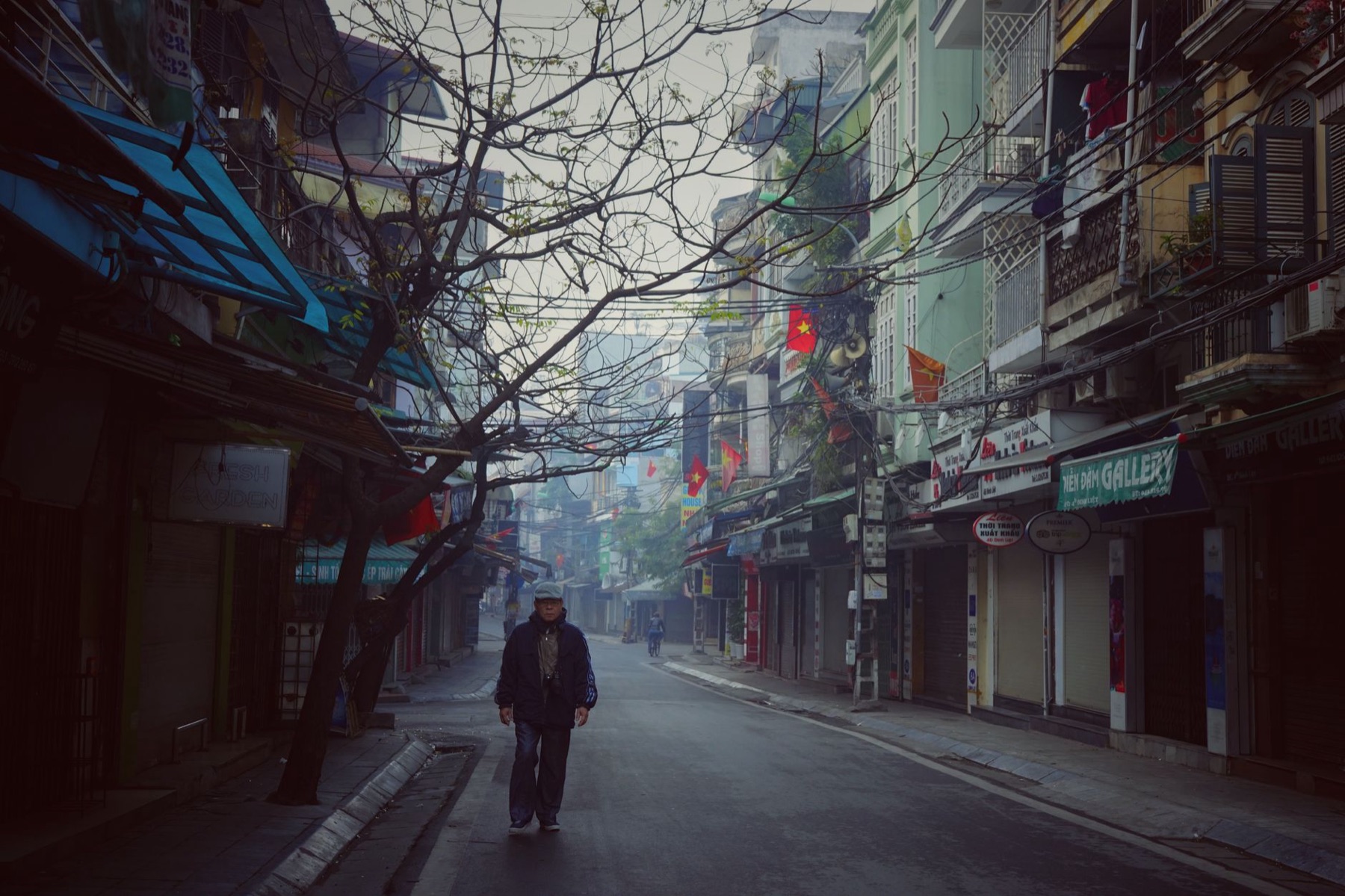
How Do Hanoi Street Vendors Actually Make and Sell Food?
Most operate in one of three formats:
Carts & Portable Setups: No license, no storefront. A vendor arrives at 5 a.m. with a cart or tarp, sets up on a sidewalk or corner, and leaves by 10 a.m. or when sold out. Pho carts, banh mi stands, spring-roll pushcarts fall here. Rent: often none (informal arrangement) or ₫50,000–₫150,000/month to a "local protector." No receipts, cash only. You eat standing or squatting. Popular because low overhead = low prices.
Fixed Stalls (Small Storefronts): Permanent location, tiny shop (3m × 4m). Serves breakfast or lunch, then closes or transitions to dinner prep. Rent: ₫100,000–₫300,000/month depending on district. The vendor usually owns the recipes. A bowl of pho costs ₫35,000–₫50,000, but the stall stays open 12+ hours. Multiple vendors may operate the same stall in shifts.
Market Stalls: Inside Dong Xuan, Hom Market, or wet markets. Vendor rents a counter spot. Cheap rent (₫50,000–₫100,000/month) because foot traffic is guaranteed. Hygiene oversight exists (inconsistently). Food court seating above or nearby. Prices rock-bottom: ₫20,000–₫30,000 for a meal.
Cooking method: Most street food is cooked to order or in batches visible to you. Pho broth simmers for 12+ hours before dawn; noodles are fresh. Grilled items char in front of you. Fried food cooks in shared oil (potential cross-contamination if allergen-sensitive). Some vendors prep ingredients morning-only; others reheat lunch stock into dinner. The faster the turnover, the fresher the food.
Margins: A vendor selling pho at ₫40,000 with ingredients costing ₫12,000–₫15,000 gross ₫25,000–₫28,000 per bowl. After rent (₫100,000/month ÷ 200 bowls/day ÷ 25 days = ₫20/bowl), utilities, and tax (often paid informally), net profit is ₫3,000–₫5,000 per bowl. That's why they serve volume, not margins. They can't afford to throw out old stock.
What Scams and Mistakes Should You Avoid?
Tourist-trap markup: Stalls on Hang Gai or near Hoan Kiem Lake charge 2–3× normal prices. A "deluxe" pho for ₫80,000 isn't better; it's just in a tourist zone. Avoid by walking 3–5 blocks off major streets.
Hidden charges: Some stalls quote a base price for soup, then add ₫3,000–₫5,000 for extra meat or noodles after you've eaten. Ask total price upfront. Demand a verbal confirmation or a menu with prices written down.
Fake "local recommendations": A hostel or tour guide may recommend a specific stall, which then gives the hostel commission. The stall isn't bad, but you're overpaying. Ignore recommendations and follow the queue rule instead.
Misunderstanding portion sizes: A "small" pho in one stall is a "large" in another. Clarify if unsure. In Old Quarter, a small bowl is often only 60% of what you'd get in Ba Dinh for the same price. Ask the vendor to show a bowl before ordering.
Mixing alcohol and street food: Vendors rarely refrigerate prepared side dishes (herbs, sauces). Alcohol impairs your gut's defense system. If you're drinking heavily, stick to hot-cooked items and bottled drinks.
Eating at midnight: Street vendors close 9–10 p.m. for a reason—they've cleaned and restocked. Anything open after 11 p.m. is usually reheated stock or lower hygiene. If starving late, choose a 24-hour convenience store or a proper restaurant.
Ordering "special" or "premium" versions: A vendor's "special banh mi" (usually with extra pâté) costs 40–50% more and isn't actually better. Stick to the standard unless you watch them prepare it.
Check before ordering:
- Is the vendor actively cooking or reheating?
- Are ingredients visible and fresh-looking?
- Are other customers eating without issue?
- Does the vendor wash hands between customers?
- Is the utensil (spoon, fork) clean and single-use when possible?
- Can you see the total price before eating?
🎟️ Compare tours & tickets for this place
Where Should You Travel to Experience Other Vietnamese Street Food?
Hanoi is the starting point, but regional variety matters. Head to Ho Chi Minh City for southern banh mi, bánh tráng nướng (grilled tapioca cakes), and street-level seafood soups. Hoi An specializes in cao lau and bánh hoai (crispy pancakes) that exist nowhere else—these are tourist draws, but authentic. Ninh Binh and the Ha Long Bay region offer fresh seafood at dock stalls. Sapa brings hill-tribe pork and sticky rice into the mix.
Stay connected with a Vietnam eSIM so you can map stalls in real time and avoid getting lost between neighborhoods. If you're building a route across the country, use the Vietnam itinerary planner to balance street food exploration with sightseeing.
📸 Book an ao dai photoshoot in Hanoi or Saigon (Cáo Studio)
FAQ
Why is Hanoi street food so much cheaper than restaurants?
Street vendors have zero storefront rent or labor costs. A cart costs ₫2–5 million to build; a restaurant's fit-out costs ₫100+ million. Vendors cook volume at low margins; restaurants need higher prices to cover overhead. You're not getting lower quality—you're cutting out middleman costs.
Is street food in Hanoi actually safe to eat?
Street food carries the same risk as any unregulated food preparation. Heat kills most pathogens; cold items (salads, raw herbs) are riskier. Busy stalls with high turnover are safer than quiet ones. Hepatitis A and typhoid are real but preventable: eat cooked, hot food, avoid raw vegetables, and drink bottled water. Many expats eat street food daily without issue.
How do you know when a street stall is open?
Breakfast stalls (pho, banh mi, bánh cuốn) open 5–7 a.m. and close by 10 a.m. Lunch stalls peak 11 a.m.–2 p.m. Dinner stalls open 4–5 p.m. and close 9–10 p.m. Some operate all day, but quality drops midday. Ask at your hotel or use Google Maps to check opening hours (often listed by locals).
Should you tip Hanoi street vendors?
Tipping is not expected or traditional. Round up if paying cash—₫35,000 becomes ₫40,000—but vendors won't chase you for it. Politeness (saying "Cam on"—thank you) matters far more than money. Don't overpay "out of kindness"; it inflates prices for locals.
What's the difference between pho and other Hanoi noodle soups?
Pho uses beef broth, flat rice noodles, and beef slices. Bun cha uses pork, is served cold with a dipping broth, and includes charred meat. Bánh canh uses tapioca or rice flour noodles (thicker) and pork bone or seafood broth. Hu tieu uses pork and shrimp broth with rice noodles. Each has a distinct flavor profile and regional origin. Order all four to understand Hanoi's soup culture.
Can you haggle prices at Hanoi street stalls?
No. Prices are fixed because margins are razor-thin. Haggling is rude and won't work. If a price seems outrageous (₫150,000 for a pho), walk away and find another stall—don't negotiate. Vendors in tourist zones set high prices knowing some tourists will pay; locals simply go elsewhere.
What are the best times to eat street food in Hanoi?
6:30–8:30 a.m. for breakfast (pho, banh mi fresh and hot). 11 a.m.–12:30 p.m. for lunch (widest variety, peak turnover). 5–7 p.m. for dinner (evening stalls open, ingredients still fresh). Avoid 2–4 p.m. (vendors closed or reheating) and after 9 p.m. (day-old stock).
How much should you budget daily for street food in Hanoi?
₫100,000–₫150,000 ($4–$6) per person for 3 meals (breakfast, lunch, snack). You can eat cheaper (₫60,000/$2.40 if you pick budget stalls) or spend more (₫200,000/$8 if you eat touristy areas or add coffee/desserts). Most travelers average ₫120,000/day. Street food is one of Hanoi's best budget advantages.
FAQ
Why is Hanoi street food so much cheaper than restaurants?
Street vendors have zero storefront rent or labor costs. A cart costs ₫2–5 million to build; a restaurant's fit-out costs ₫100+ million. Vendors cook volume at low margins; restaurants need higher prices to cover overhead. You're not getting lower quality—you're cutting out middleman costs.
Is street food in Hanoi actually safe to eat?
Street food carries the same risk as any unregulated food preparation. Heat kills most pathogens; cold items (salads, raw herbs) are riskier. Busy stalls with high turnover are safer than quiet ones. Hepatitis A and typhoid are real but preventable: eat cooked, hot food, avoid raw vegetables, and drink bottled water. Many expats eat street food daily without issue.
How do you know when a street stall is open?
Breakfast stalls (pho, banh mi, bánh cuốn) open 5–7 a.m. and close by 10 a.m. Lunch stalls peak 11 a.m.–2 p.m. Dinner stalls open 4–5 p.m. and close 9–10 p.m. Some operate all day, but quality drops midday. Ask at your hotel or use Google Maps to check opening hours (often listed by locals).
Should you tip Hanoi street vendors?
Tipping is not expected or traditional. Round up if paying cash—₫35,000 becomes ₫40,000—but vendors won't chase you for it. Politeness (saying "Cam on"—thank you) matters far more than money. Don't overpay "out of kindness"; it inflates prices for locals.
What's the difference between pho and other Hanoi noodle soups?
Pho uses beef broth, flat rice noodles, and beef slices. Bun cha uses pork, is served cold with a dipping broth, and includes charred meat. Bánh canh uses tapioca or rice flour noodles (thicker) and pork bone or seafood broth. Hu tieu uses pork and shrimp broth with rice noodles. Each has a distinct flavor profile and regional origin. Order all four to understand Hanoi's soup culture.
Can you haggle prices at Hanoi street stalls?
No. Prices are fixed because margins are razor-thin. Haggling is rude and won't work. If a price seems outrageous (₫150,000 for a pho), walk away and find another stall—don't negotiate. Vendors in tourist zones set high prices knowing some tourists will pay; locals simply go elsewhere.
What are the best times to eat street food in Hanoi?
6:30–8:30 a.m. for breakfast (pho, banh mi fresh and hot). 11 a.m.–12:30 p.m. for lunch (widest variety, peak turnover). 5–7 p.m. for dinner (evening stalls open, ingredients still fresh). Avoid 2–4 p.m. (vendors closed or reheating) and after 9 p.m. (day-old stock).
How much should you budget daily for street food in Hanoi?
₫100,000–₫150,000 ($4–$6) per person for 3 meals (breakfast, lunch, snack). You can eat cheaper (₫60,000/$2.40 if you pick budget stalls) or spend more (₫200,000/$8 if you eat touristy areas or add coffee/desserts). Most travelers average ₫120,000/day. Street food is one of Hanoi's best budget advantages.