Hanoi · Food
Hanoi street food vendors night: what to order, where, prices 2026
By Wander in Vietnam editorial team · Hanoi, Vietnam
Night street food vendors in Hanoi cluster in Old Quarter, Tran Hung Dao, and around Hoan Kiem Lake; they sell pho, banh mi, grilled meat skewers, and egg coffee from carts and makeshift stalls. Prices run 20,000–80,000 VND (around $0.80–$3.20 USD) per dish. We recommend arriving after 8 p.m., checking vendor cleanliness, and carrying small notes to avoid overpayment.
Street food in Hanoi after dark is not a tourist trap—it's how locals actually eat. Unlike sit-down restaurants, you're buying directly from the source, paying less, and tasting recipes unchanged for decades. But timing, location, and knowing what to order matter. This guide walks you through the vendors worth your time, compares what you'll actually pay, and shows you the pitfalls that catch every first-timer.
Where do the best night vendors set up, and what time should I arrive?
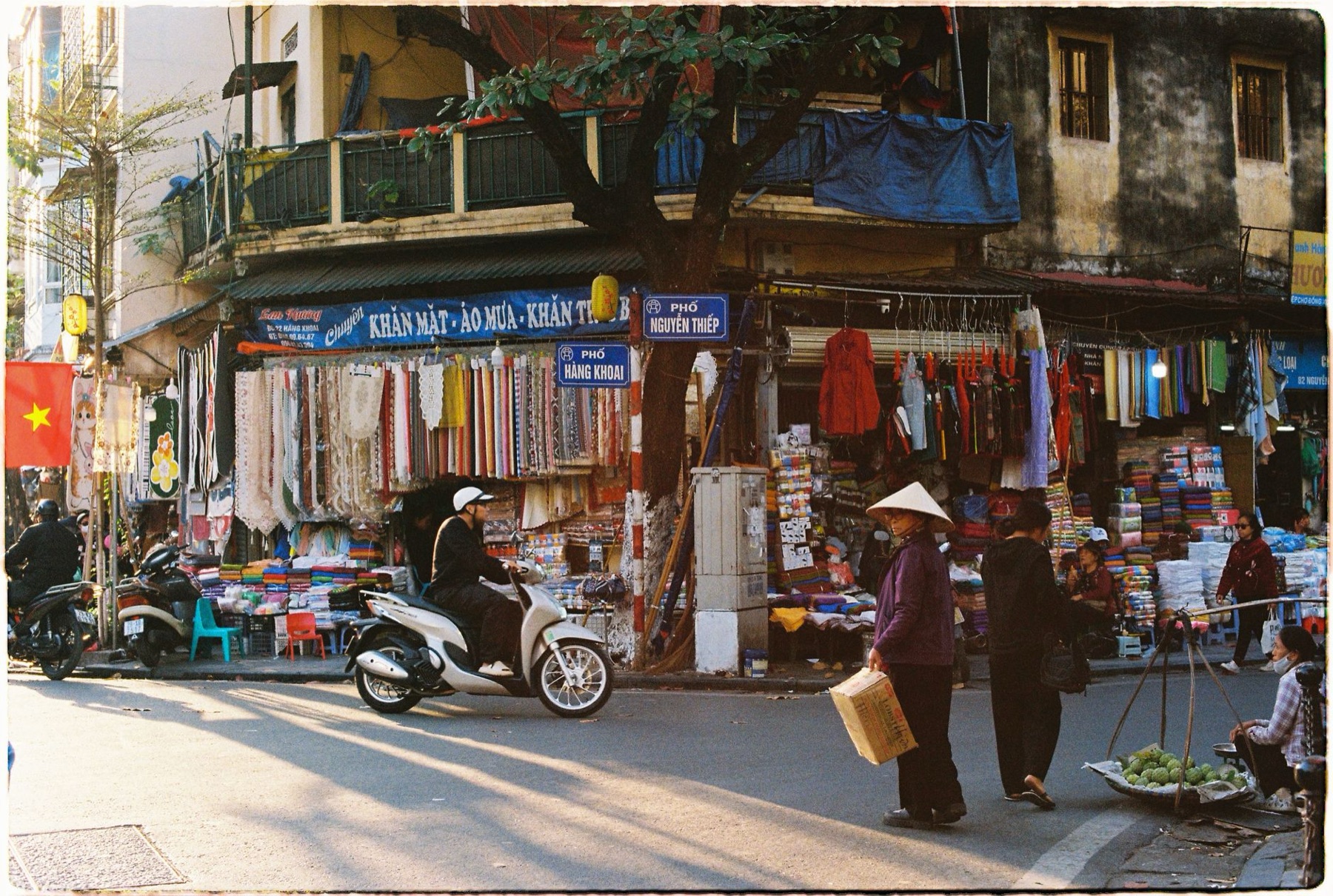
The Old Quarter (Hoan Kiem district) is the densest vendor zone after 8 p.m., especially Ta Hien Street and the lanes branching from Hang Gai. Tran Hung Dao Street (running south from the lake) fills with carts around 7 p.m. and stays busy until 11 p.m. Pho sellers typically start 6–7 p.m., banh mi and grilled meat vendors peak 8–10 p.m., and egg coffee stalls run until midnight or later. Arrive between 8–10 p.m. for the widest vendor selection and least wait time.
Don't confuse the organized night markets (like Hang Be Night Market, which caters to tourists and charges more) with street-level vendors. The real deals are the solo carts and folding tables on public sidewalks—no fancy setup, no English menus, lower prices.
How much should I expect to spend, and what are the real prices per dish?
| Dish type | Typical price (VND) | USD equivalent | Who orders it |
|---|---|---|---|
| Pho (small bowl) | 25,000–35,000 | ~$1.00–$1.40 | Locals at dawn/late night |
| Banh mi (single) | 20,000–40,000 | ~$0.80–$1.60 | Everyone, lunchtime crowding |
| Grilled meat skewers (5–6) | 30,000–50,000 | ~$1.20–$2.00 | Groups, evening vendors |
| Egg coffee | 30,000–50,000 | ~$1.20–$2.00 | Tourists, specialty stall |
| Spring rolls (5) | 15,000–25,000 | ~$0.60–$1.00 | Appetizer, cheap entry point |
| Bun cha (pork + noodle bowl) | 35,000–55,000 | ~$1.40–$2.20 | Lunch tradition, fewer night vendors |
Note: Vendors don't use menus. Point at what you want or say the Vietnamese name. Prices are fixed but negotiation is culturally rare—what you see is what you pay. Foreign accent may add 10,000–20,000 VND (around $0.40–$0.80 USD) to the total, but haggling wastes time and damages reputation.
📸 Book an ao dai photoshoot in Hanoi or Saigon (Cáo Studio)
Which vendors should I prioritize, and what's unique about their food?
Pho vendors (typically 6–11 p.m.): Appear late because locals work until 7–8 p.m. Best pho uses bone broth simmered 12+ hours; night vendors often run smaller batches, so arrive before 9 p.m. to get full flavor. Look for steam rising from the broth pot—sign of freshness.
Banh mi carts (4 p.m.–11 p.m., peak 8–9 p.m.): Bread quality varies wildly. A good banh mi vendor bakes or buys fresh daily; stale bread = skip. The filling (pâté, cold cuts, pickled vegetables, cilantro, chili) should smell tangy and fresh. Most vendors crowd Ta Hien and Hang Gai Streets.
Grilled meat skewers (7–11 p.m.): Cooked to order, usually chicken, beef, or offal (liver, heart). Vendor should grill over charcoal, not gas; charcoal adds smoky flavor. Ask for "thit nuong" (grilled meat) or "gan nuong" (grilled liver). Meat should char on edges, stay juicy inside. Groups go for 5–6 skewers shared.
Egg coffee stalls (6 p.m.–12 a.m.): Found around Hoan Kiem Lake and old quarter cafes. A vendor whips egg yolk with condensed milk until creamy, then pours over hot coffee. Taste is sweet, dense, savory—not for black-coffee drinkers. Cost is around 30,000–50,000 VND (around $1.20–$2.00 USD).
Spring rolls and nem (4 p.m.–10 p.m.): Fried versions (nem) appear at night; fresh versions (spring rolls) sold throughout the day. Night vendors often sell nem because oil and fried goods keep longer. Look for golden color, firm texture, no grease pooling at the base.
What are the common scams, and how do I avoid overpaying?
The inflated-price trap: A vendor quotes a price in Vietnamese to a local (35,000 VND), then quotes a foreign customer 60,000 VND (around $2.40 USD) for the same bowl. Avoid: ask a local to confirm the price, or observe what locals pay before ordering. If the vendor's English is too fluent, it's a warning sign.
The hidden extra charge: You order one pho; vendor adds a spring roll, condiment bowl, or drink you didn't ask for, then charges extra. Avoid: before paying, confirm the total matches the number of items you see. Point and count.
The broken-change scam: Vendor claims they have no small change and suggest you leave a bigger tip or buy more food. Avoid: carry 1,000–5,000 VND coins; use a banking app (MoMo, Vietcombank) to pay directly if available. Most young vendors accept mobile pay.
Tourist-only stall inflation: Night markets and stalls near hotels charge 2–3× street prices. Avoid: walk 100 meters into the Old Quarter away from hotels and Hoan Kiem Lake. Locals eat on backstreets, not main tourist corridors.
Questionable hygiene: Vendor uses the same towel to wipe hands, bowls, and counter. Raw meat sits at room temperature all evening. Avoid: watch how long meat's been on the grill before it's cooked. If a stall looks visibly dirty (trash underfoot, water pooling), skip it.
🗺️ Plan your route: Vietnam itinerary
What's the best decision framework for choosing a vendor, and which ones should first-timers start with?
Decision checklist before you order:
- Cleanliness: Watch the vendor's hands, the prep surface, and the utensils for 30 seconds. Dirty nails, unwashed cutting boards, or standing flies = walk.
- Customer base: Locals queueing = good sign. Empty stall at 8:30 p.m. = red flag. Locals know.
- Ingredient visibility: Can you see the raw meat, broth pot, or fresh vegetables? Vendors hiding ingredients often use lower quality.
- Price confirmation: Point at the item, ask "bao nhiêu?" (how much?), and repeat the number back. No surprises at the register.
- Freshness cues: Pho should steam; grilled meat should char fresh; banh mi bread should bend, not crack. If ingredients look leftover from lunch, move on.
Beginner-friendly starting vendors:
- Pho vendors on Tran Hung Dao Street (7–11 p.m.): Fixed prices, familiar dish, hard to mess up. Order "pho bo" (beef) or "pho ga" (chicken). Budget around 35,000 VND (around $1.40 USD).
- Banh mi carts in Old Quarter (8–9 p.m.): Single vendor, one product, quick transaction. Prices 25,000–40,000 VND (around $1.00–$1.60 USD). Ask for "banh mi thit"—pork banh mi.
- Grilled meat skewers on Ta Hien Street (8–10 p.m.): Vendors grill in front of you (transparency), usually friendly with tourists, prices obvious. Order 5–6 skewers, around 30,000–50,000 VND (around $1.20–$2.00 USD) total.
Avoid egg coffee on the first trip—it's an acquired taste and overpriced for first-timers. Avoid offal (organs) unless you've eaten them before; adventurousness is good, but digestive surprises ruin nights.
How does Hanoi's night street food compare to restaurant dining, and when should I choose each?
| Aspect | Night street vendor | Sit-down restaurant | When to choose vendor |
|---|---|---|---|
| Price (per dish) | 20,000–80,000 VND | 60,000–250,000 VND | Budget-conscious, local experience |
| Portion | Small–medium (1 bowl/plate) | Large (shared plates typical) | Solo travelers, light appetite |
| Timing | Ordered, cooked in 5–10 min | Ordered, cooked in 10–20 min | Time-pressed, wandering mood |
| Atmosphere | Chaotic, street noise, standing/plastic stool | Calm, seated, air-conditioned | Social experience, photos |
| Authenticity (old recipes) | High; unchanged decades | Medium; adapted for tourists | Hunting family recipes |
| Cleanliness variability | High risk (depends on vendor) | Medium risk (restaurants inspected) | Risk-tolerant, adventurous |
| Freshness (ingredient turnover) | Very high (cook-to-order) | Medium (some prep in advance) | Picky about freshness |
| Best for groups | No (limited seating) | Yes (social, menu variety) | Solo or pair preferred |
Recommendation: Start with vendors for the first 2–3 nights to understand neighborhood food culture. Switch to restaurants once you've identified your favorite dishes (your pho preference, banh mi style) and want to eat them in a controlled setting. Many locals do both—vendor for quick breakfast/late night, restaurant for lunch with friends.
🎟️ Compare tours & tickets for this place
What to check before you buy: a real vendor inspection guide
Before you hand over money, spend 20 seconds observing:
- Hands & nails: Vendor has visibly clean hands, trimmed nails, no open wounds. If not, walk.
- Prep surface: Table or cart is wiped down, not sticky, not covered in yesterday's crumbs.
- Ingredient containers: Meat, broth, vegetables in lidded pots or sealed bags. Open buckets sitting in heat = skip.
- Cooking method: Grilling = charcoal fire or clean gas burner. Frying = oil looks clear, not brown/murky. Boiling = broth is actively steaming, not lukewarm.
- Utensils: Spoons, tongs, chopsticks in a clean holder, not lying on the dirty counter.
- Vendor demeanor: Friendly, not annoyed when you take time to decide. Pushy vendors often have low-quality product to move fast.
- Price visibility: Prices written on a sign or quoted immediately. No haggling with tourists = honest.
If 3 or more of these fail, move to the next stall. Hanoi has thousands of vendors—your stomach is not worth the gamble.
---
Related guides on Wander in Vietnam: Explore the full Hanoi food scene to understand morning pho traditions, coffee culture, and daytime markets. Plan your overall Hanoi itinerary to balance street food with temples, lakes, and museums.
If you're eating street food in traditional áo dài (Vietnam's signature dress), consider booking an ao dai photoshoot in Hanoi with Cáo Studio to capture the moment—makeup and hair included. Flower delivery in Hanoi via Hoa Lang Thang is a thoughtful way to thank local shop owners who've shared their best vendor tips.
Extending your trip? Ho Chi Minh City has its own night food scene; Hoi An offers lantern-lit street food; and Ha Long Bay, Ninh Binh, and Sapa each have regional specialties. Get a Vietnam eSIM to navigate and chat with vendors, or confirm your Vietnam e-visa status before arrival.
FAQ
Are Hanoi night street vendors safe to eat from?
Hygiene varies by vendor. Watch preparation, check ingredient freshness, and observe local customers. Markets near hotels are riskier; backstreet vendors serving locals are usually safer. Trust your instincts—if something looks off, move on.
Do I need to speak Vietnamese to order from vendors?
No. Point, nod, and hold up fingers to indicate quantity. Many vendors near Hoan Kiem Lake speak basic English. Learning "banh mi" (sandwich), "pho," and "bao nhiêu?" (how much?) covers 80% of orders.
What time do the best vendors start and finish?
Pho vendors (6–11 p.m.); banh mi carts (4 p.m.–11 p.m., peak 8–9 p.m.); grilled meat (7–11 p.m.); egg coffee (6 p.m.–midnight). Arrive 8–10 p.m. for maximum selection and shorter waits.
Should I carry cash or can I use mobile payment with vendors?
Carry both. Older vendors don't accept apps; younger vendors (especially in Old Quarter) accept MoMo or Vietcombank transfers. Cash is safer; avoid large notes to prevent change scams.
Which street food dishes are most popular with first-timers, and which should I avoid?
Start with pho (familiar), banh mi (quick), and grilled chicken skewers (visual). Avoid offal, fish intestine, and blood cakes on day one unless adventurous. Egg coffee is an acquired taste—try it once but don't expect to like it immediately.
FAQ
Are Hanoi night street vendors safe to eat from?
Hygiene varies by vendor. Watch preparation, check ingredient freshness, and observe local customers. Markets near hotels are riskier; backstreet vendors serving locals are usually safer. Trust your instincts—if something looks off, move on.
Do I need to speak Vietnamese to order from vendors?
No. Point, nod, and hold up fingers to indicate quantity. Many vendors near Hoan Kiem Lake speak basic English. Learning "banh mi" (sandwich), "pho," and "bao nhiêu?" (how much?) covers 80% of orders.
What time do the best vendors start and finish?
Pho vendors (6–11 p.m.); banh mi carts (4 p.m.–11 p.m., peak 8–9 p.m.); grilled meat (7–11 p.m.); egg coffee (6 p.m.–midnight). Arrive 8–10 p.m. for maximum selection and shorter waits.
Should I carry cash or can I use mobile payment with vendors?
Carry both. Older vendors don't accept apps; younger vendors (especially in Old Quarter) accept MoMo or Vietcombank transfers. Cash is safer; avoid large notes to prevent change scams.
Which street food dishes are most popular with first-timers, and which should I avoid?
Start with pho (familiar), banh mi (quick), and grilled chicken skewers (visual). Avoid offal, fish intestine, and blood cakes on day one unless adventurous. Egg coffee is an acquired taste—try it once but don't expect to like it immediately.