Hanoi · Food
Hanoi Vietnam Food: What to Buy, Where, and How to Avoid Tourist Traps
By Wander in Vietnam editorial team · Hanoi, Vietnam
Hanoi's food economy is built on contradiction. Walk down Hang Manh (Old Quarter) and a bowl of phở costs 35,000 VND ($1.40). Two blocks into a hotel's breakfast menu, the same bowl is 120,000 VND ($4.80). The difference isn't quality—it's zip code and footfall. We've spent years eating in every district, comparing prices, tracking scams, and identifying which food products actually hold up for gifts or resale. This guide cuts through the romance and gives you a decision framework.
What foods should I buy as gifts from Hanoi?
Hanoi-made specialty foods work as gifts only if they travel well and hold their identity. Vacuum-sealed items beat fresh: coffee beans from coffee collections, dried shrimp from Hai Phong (sold at Dong Xuan Market), tamarind candy, and candied ginger last 2–3 months without refrigeration. Avoid fresh herbs, uncooked meat, and fish sauce (liquid, spillage risk, airline restrictions). Budget 80,000–200,000 VND ($3.20–$8 USD) per packaged gift. Customs red flags: any animal product without clear labeling.
🎟️ Compare tours & tickets for this place
Where do locals actually buy food in Hanoi?
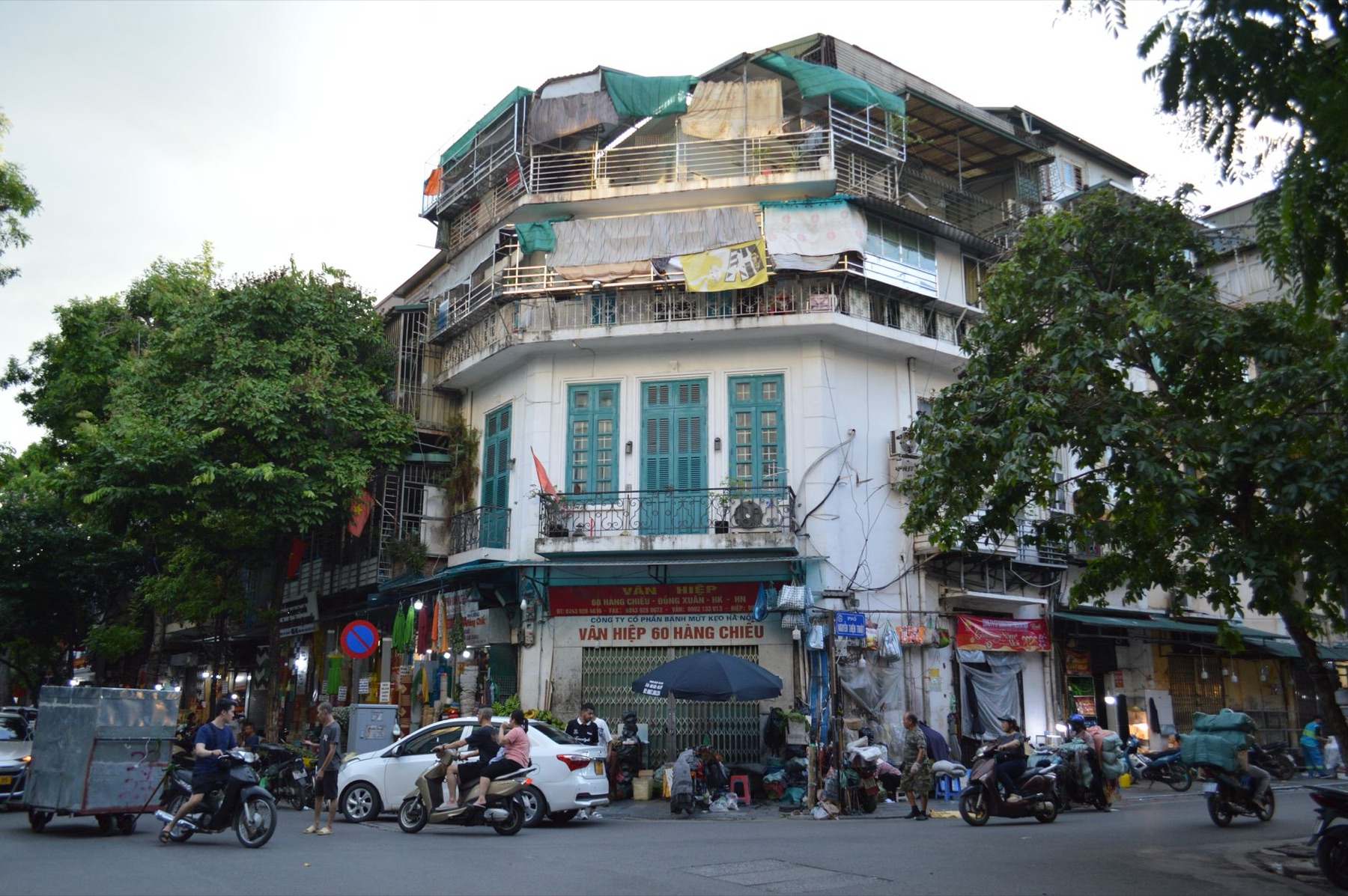
Dong Xuan Market (near Long Bien Bridge, Hoan Kiem district) is the wholesale hub for everything: dried goods, fresh produce, packaged snacks, coffee. Prices here run 30–40% lower than tourist zones. Prices vary wildly by stall—compare three vendors before buying. Old Quarter street stalls (Hang Manh, Hang Gai) are cheaper than sitting cafés but dirtier (stomach risk if you're not acclimated). For safe packaged goods, Intimex supermarkets in Ba Dinh and Thanh Nhan are air-conditioned, labeled, pricier but transparent. Hanoians shop by district: avoid the walking streets (Hang Luong, Nguyen Hue equivalent in Ho Chi Minh City) unless you enjoy paying double.
What's the price difference between districts in Hanoi?
| District | Phở bowl | Coffee (small) | Sticky rice | Tourist markup |
|---|---|---|---|---|
| Thanh Nhan | 35,000 | 25,000 | 10,000 | ~10% |
| Ba Dinh | 40,000 | 30,000 | 12,000 | ~20% |
| Hoan Kiem (Old Quarter) | 45,000 | 35,000 | 15,000 | ~30% |
| Walking streets | 65,000 | 50,000 | 25,000 | ~80% |
This table shows rough 2026 pricing. A phở in Thanh Nhan (local residential) runs 35,000 VND; the same thing in Hoan Kiem Old Quarter costs 45,000, and on a walking street (Hang Luong vicinity) climbs to 65,000. Multiply across 10 meals and you've saved 300,000 VND ($12). Coffee is even starker: 25,000 in a side street café versus 50,000 near Sword Lake. Sticky rice vendors (traditional glutinous rice with pork) are cheaper in Hai Ba Trung district (10,000 VND) than Ba Dinh (12,000). The rule: walk two blocks from any landmark and prices drop 20%.
📸 Book an ao dai photoshoot in Hanoi or Saigon (Cáo Studio)
Which Hanoi food products get scammed or marked up most?
Coffee and dried shrimp top the scam list. Coffee: vendors mix robusta (cheaper, bitter) with arabica; ask for origin (Dak Lak or Lam Dong real; anything vague is blended). Buy from coffee collections or certified roasters, not street hawkers. Dried shrimp: sold by weight but often water-logged before drying—squeeze it; real shrimp is light and brittle. Tamarind paste: labeled "Thai tamarind" is cheaper than "Hanoi tamarind"; both are fine but pricing is inflated 50% near hotels. Candied ginger: inspect for mold (white spots mean moisture ingress). Honey: very commonly fake; real Hanoi honey is darker, crystallizes; clear golden honey is usually sugar syrup. Avoid any "honey" sold in unlabeled glass jars. Nuts (cashews, peanuts): roasted goods absorb moisture in humid Hanoi—buy vacuum-packed and check seal integrity. Rule: if it's loose or in an unlabeled container, assume markup of 100%+.
How do I decide what food to order online versus buy in person?
Order online (from gift & food collections):
- Packaged, shelf-stable goods (coffee, candy, nuts).
- Risk of damage in transit is low.
- Need a gift shipped internationally (5–10 days to US/UK/Australia).
- Avoid negotiating street prices or language barriers.
- Budget: typically 15–30% markup for convenience and shipping, but free over $35 (to US).
Buy in person:
- Fresh items (herbs, sticky rice, live crabs) for same-day use.
- Want to compare prices across vendors (Dong Xuan, street stalls).
- Haggling comfort level is high.
- Bulk-buy coffee, shrimp, or candy at wholesale rates (Dong Xuan: 30–40% cheaper).
Hybrid approach (best value): Walk to Dong Xuan Market yourself, buy 5–10 vacuum-sealed coffee packs at 45,000–60,000 VND ($1.80–$2.40 each), then use online gift collections for non-food travel souvenirs (keepsakes, textiles, art prints). This avoids tourist-tax phở while securing packaged gifts fast.
What should I check before ordering or buying Hanoi food products?
Checklist before you spend:
- Expiry date / best-by: All packaged goods must show Vietnamese or English labeling. If there's no date, don't buy.
- Sealed packaging: Vacuum-sealed is gold. If the seal is crinkled or broken, moisture has entered; refuse it.
- Smell test (in-person only): Coffee should smell bold and slightly acidic. Shrimp should smell sweet, not fishy. Candy should smell like fruit or sugar, not chemical.
- Origin labeling: "Hanoi," "Dak Lak," "Ha Giang" are real. "Vietnam" alone is vague. Avoid.
- Price sanity check: Compare this table. If a coffee is 60,000 VND in Ba Dinh, it's marked up 140% if the wholesale is 25,000. Walk away.
- Currency & payment: Cash (VND) is always cheapest. Card adds 3–5% surcharge, though many vendors hide it until payment.
- Storage after purchase: Coffee goes stale in heat and humidity within 3 weeks if unsealed. Seal it in an airtight jar or vacuum bag immediately.
For international shipping, order from gift & souvenir collections to avoid customs issues with fresh goods. Hanoi customs is strict on live animals, unpackaged meat, and fish sauce over 12 oz.
---
Real neighborhoods to explore for food
Thanh Nhan (southwest of Hoan Kiem): Local residential area, zero tourist infrastructure, phở and cơm tấm (broken-rice) stalls line side streets. Prices 20% below Old Quarter. Difficult if you don't speak Vietnamese; no English menus. Best for: self-reliant eaters wanting authenticity, not ambiance.
Hai Ba Trung (east of Hoan Kiem): Sticky rice vendors (bánh chưng, bánh dày) cluster along side alleys in early morning (5–8 a.m.). Sticky rice warmed, pressed, served on banana leaf: 10,000–15,000 VND ($0.40–$0.60). Vendors often sell out by 9 a.m. Best for: early risers, locals' breakfast culture.
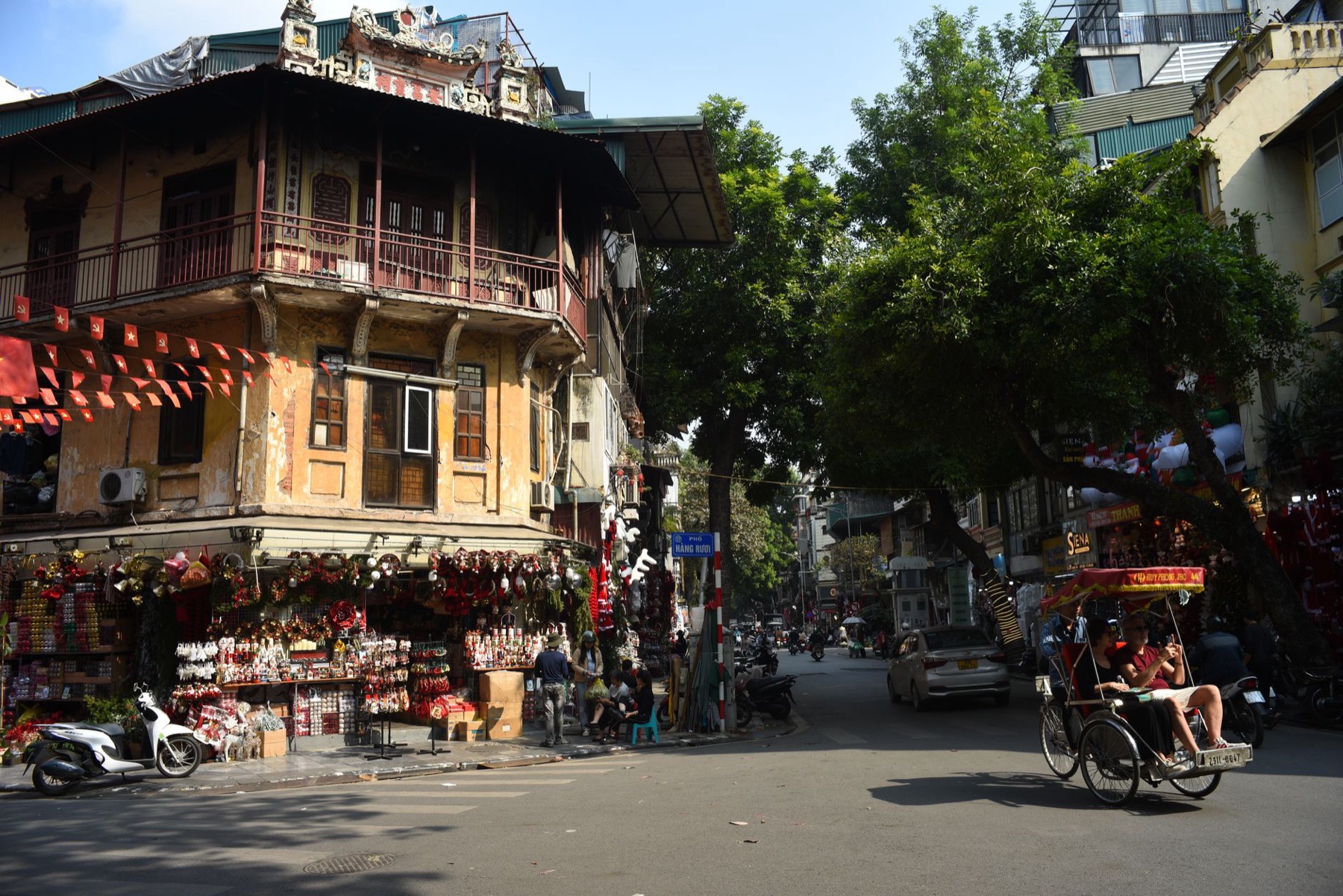
Dong Xuan Market (northeast Old Quarter): Multi-story market, chaotic, humid, real wholesale hub. Coffee, dried shrimp, nuts, candy, textiles. Prices 30–40% below retail. Pickpocketing risk is real (crowded ground floor); keep bags zipped, valuables in pockets. Best for: bulk-buyers, price hunters, language-confident travelers.
Ba Dinh (northwest, near Ho Tay lake): Mid-range residential and university area. Phở and bánh mì stalls, modern Intimex supermarkets, some expat-oriented cafés. Slightly pricier than Thanh Nhan but safer for non-Vietnamese speakers. Best for: comfort + value trade-off.
---
🗺️ Plan your route: Vietnam itinerary
Compare these options with our Hanoi food guide for neighborhood maps and street-level context. If you're exploring beyond Hanoi, check Ho Chi Minh City, Hoi An, Sapa, and Ninh Binh guides for regional food specialties.
---
What to skip: overrated Hanoi food items
Phở on walking streets (Hang Luong area, Old Quarter): Prices triple due to foot traffic; quality stays average. Same bowl, 40 blocks away, costs half as much. Skip unless you need the photo op.
"Traditional" north lake (Ho Tay) restaurants: Expensive, mediocre fish, heavy on monosodium glutamate. Locals avoid them. Real equivalent: smaller district stalls for one-third the price.
Branded coffee chains in hotels: Local brands (Cà Phê Trứng, Hanoi home roasters) are cheaper and better. Avoid hotel-lobby café markup.
Candied ginger from tourism shops: Mark-ups are 200%+. Buy from Dong Xuan for 30,000–50,000 VND instead of 100,000+ in Old Quarter boutiques.
"Artisan honey" sold in jars near Sword Lake: 90% fake. Real honey is rare, expensive, and only sold by specific producers with certification. If it's in a random jar near a tourist site, it's sugar.
---
Practical notes: payment, language, and safety
Payment: Street stalls and markets are cash-only (Vietnamese Dong). ATMs in Old Quarter charge 20,000 VND ($0.80) per withdrawal; use fewer, larger withdrawals. Cards add 3–5% surcharge at supermarkets. No Venmo, PayPal, or crypto.
Language: "Bao nhiêu tiền?" (How much?) and "Quá đắt" (Too expensive) are your power phrases. Most vendors in tourist areas speak basic English; markets do not. Download Google Translate's camera function for menu reading.
Health: Tap water is not safe. Bottled water is 5,000–10,000 VND (50-cent bottles everywhere). Street food hygiene varies wildly; stomach issues are common. If eating street stalls, choose busy ones (high turnover = fresher). Avoid ice from unknown sources.
🎟️ Compare tours & tickets for this place
---
Need a gift shipped fast?
Browse our gift collections, food & beverage collections, or artisan collections for Hanoi-made or Vietnam-sourced items. Free shipping to US over $35, 5–10 days. 30-day smile guarantee: if it doesn't wow them, we refund. Packaging is designed to arrive intact even in tropical humidity.
For a keepsake tied to your Hanoi trip, book an ao dai photoshoot with Cáo Studio—professional makeup, hair, and Hanoi locations (Sword Lake, Old Quarter backdrops). Or arrange same-day flower delivery via Hoa Lang Thang to surprise someone in Hanoi.
FAQ
Is Hanoi street food safe to eat as a tourist?
Busy street stalls with high daily turnover (50+ orders per shift) are safer than slow cafés. Choose vendors with queues, eat during lunch/dinner rush, avoid raw vegetables and ice from unknown sources. Stomach issues are common but usually mild. Ginger tea and oral rehydration salts (buy in pharmacies) help recovery.
How much should I budget per day for food in Hanoi?
Eating street phở, bánh mì, and sticky rice: 100,000–150,000 VND ($4–$6 USD) daily. Mid-range local restaurants: 200,000–300,000 VND ($8–$12). Tourist-zone cafés and hotels: 400,000+ VND ($16+). Hanoi's cost of living is 50% cheaper than Ho Chi Minh City for equivalent food.
What's the best Hanoi food to bring home as a gift?
Vacuum-sealed coffee (Dak Lak arabica), dried shrimp from Hai Phong, tamarind candy, and candied ginger. Avoid fresh items, fish sauce (liquid, spillage risk), and unpackaged goods. Customs clears vacuum-sealed items easily; fresh items may be confiscated at entry.
How do I avoid paying tourist prices at markets and stalls?
Walk 2+ blocks from landmarks (Sword Lake, Old Quarter walking streets). Learn "Quá đắt" (too expensive) and walk away—vendors will often call you back with a lower offer. Shop during off-peak (2–4 p.m., late evening). Compare three vendors before buying bulk items. Use Vietnamese if possible; English triggers markups.
Where can I buy authentic Hanoi food products online safely?
Verify expiry dates, origin labeling (Dak Lak, Ha Giang, Hai Phong), and seal integrity before purchase. Buy from our gift & food collections to guarantee quality and packaging. Avoid unlabeled or loose goods. Customs is strict: stick to vacuum-sealed, labeled items for international shipping.
FAQ
Is Hanoi street food safe to eat as a tourist?
Busy street stalls with high daily turnover (50+ orders per shift) are safer than slow cafés. Choose vendors with queues, eat during lunch/dinner rush, avoid raw vegetables and ice from unknown sources. Stomach issues are common but usually mild. Ginger tea and oral rehydration salts (buy in pharmacies) help recovery.
How much should I budget per day for food in Hanoi?
Eating street phở, bánh mì, and sticky rice: 100,000–150,000 VND ($4–$6 USD) daily. Mid-range local restaurants: 200,000–300,000 VND ($8–$12). Tourist-zone cafés and hotels: 400,000+ VND ($16+). Hanoi's cost of living is 50% cheaper than Ho Chi Minh City for equivalent food.
What's the best Hanoi food to bring home as a gift?
Vacuum-sealed coffee (Dak Lak arabica), dried shrimp from Hai Phong, tamarind candy, and candied ginger. Avoid fresh items, fish sauce (liquid, spillage risk), and unpackaged goods. Customs clears vacuum-sealed items easily; fresh items may be confiscated at entry.
How do I avoid paying tourist prices at markets and stalls?
Walk 2+ blocks from landmarks (Sword Lake, Old Quarter walking streets). Learn "Quá đắt" (too expensive) and walk away—vendors will often call you back with a lower offer. Shop during off-peak (2–4 p.m., late evening). Compare three vendors before buying bulk items. Use Vietnamese if possible; English triggers markups.
Where can I buy authentic Hanoi food products online safely?
Verify expiry dates, origin labeling (Dak Lak, Ha Giang, Hai Phong), and seal integrity before purchase. Buy from [our gift & food collections](/collections/food) to guarantee quality and packaging. Avoid unlabeled or loose goods. Customs is strict: stick to vacuum-sealed, labeled items for international shipping.
More: Hanoi guide · What to eat in Hanoi