Hanoi · Food
Hanoi Vietnam Restaurants: Where to Eat & What to Skip
By Wander in Vietnam editorial team · Hanoi, Vietnam
Hanoi's food culture isn't built on Instagram-friendly plating—it's built on repetition, precision, and unwritten family recipes passed down decades. The city has roughly 6,000 registered restaurants, but the ones worth your time cluster in specific neighbourhoods, operate on schedules that confuse first-time visitors, and cost wildly different amounts depending on where you sit.
This guide compares restaurant types by neighbourhood, price, and genuine utility. We'll help you skip the tourist-trap upcharge zones and land in places where locals eat.
Which neighbourhood has the most affordable, authentic street food?
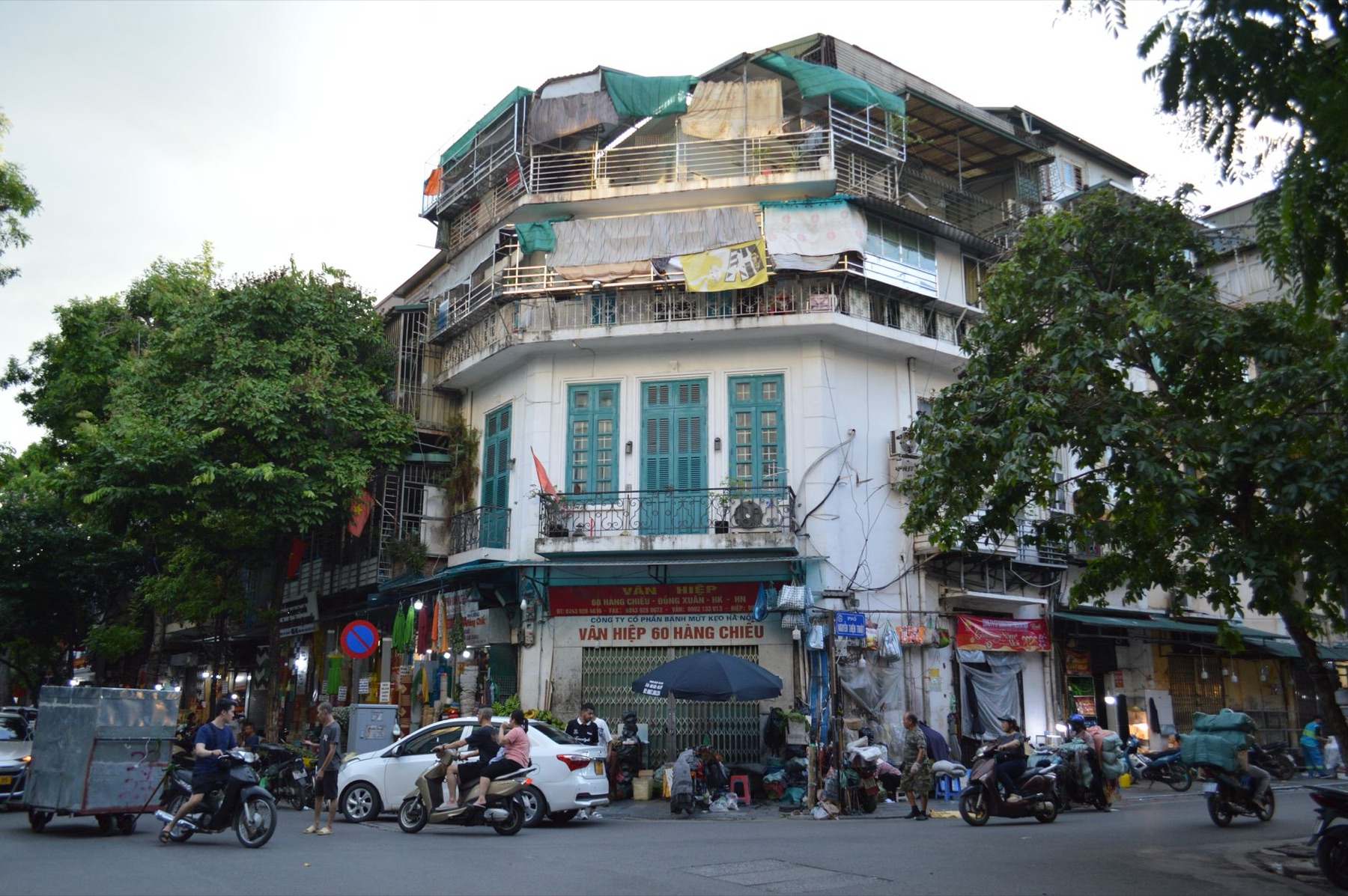
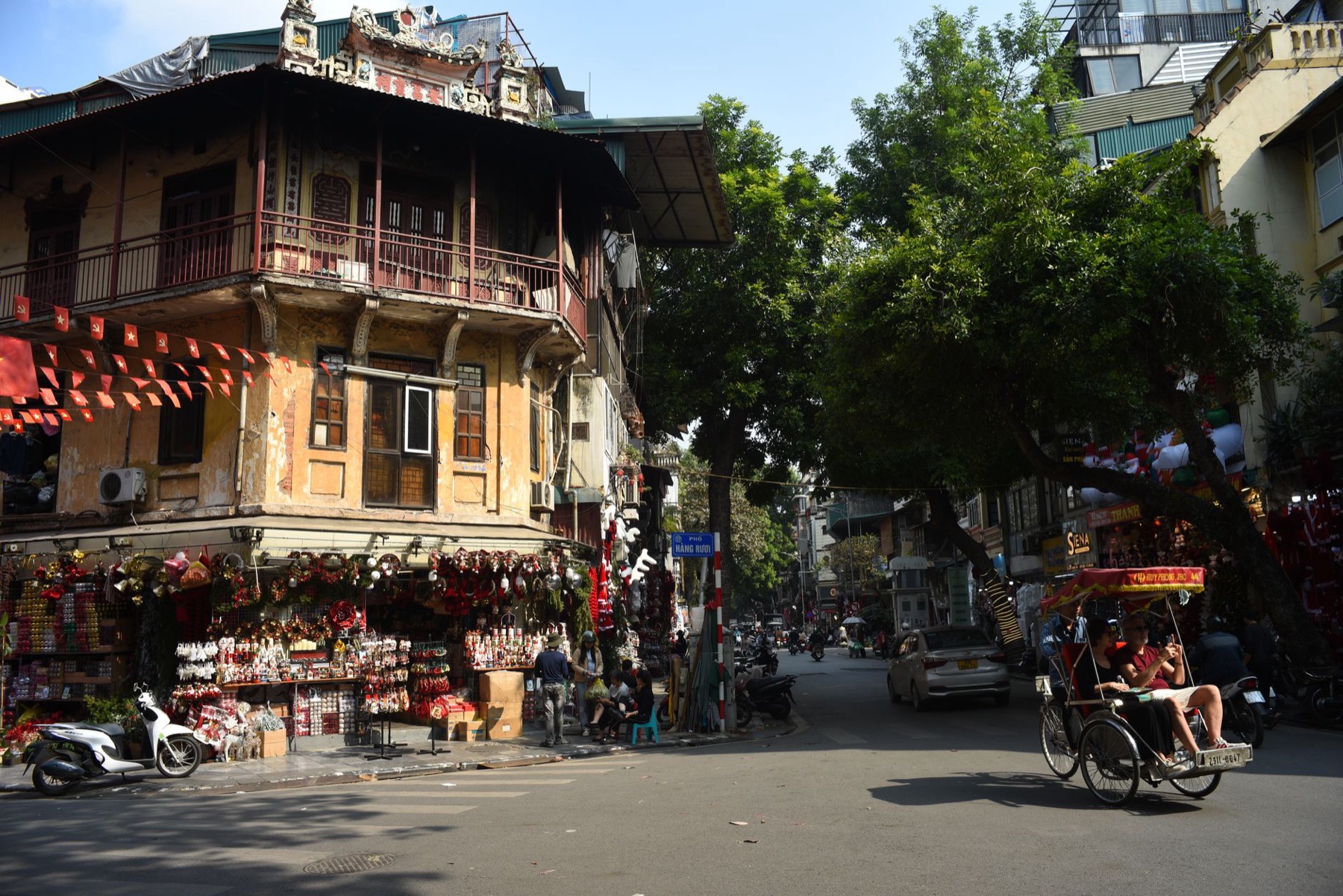
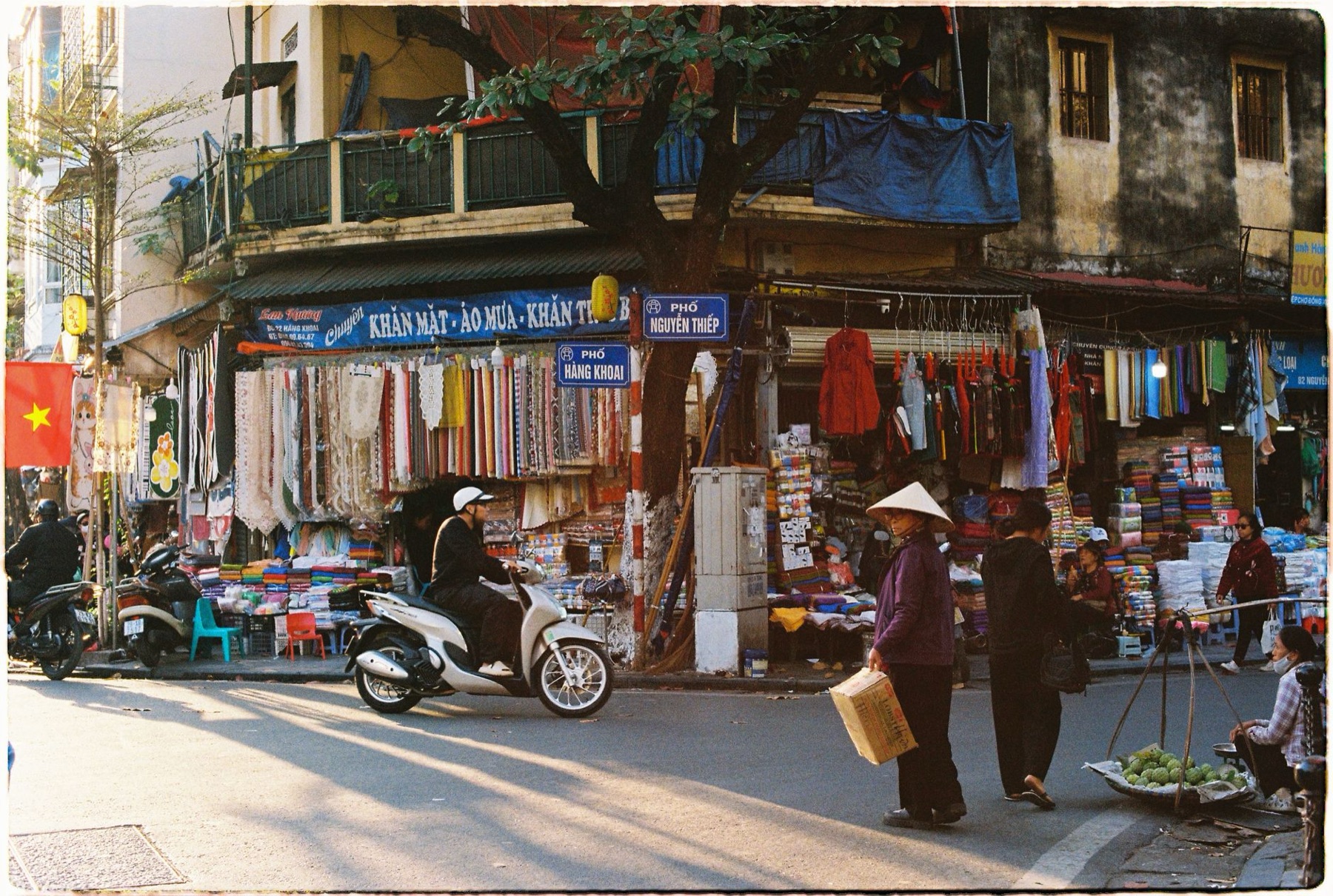
The Old Quarter (Hoan Kiem district, bounded by Hang Dao, Tran Hung Dao, Lo Duc, and the Red River) remains the highest density of no-frills pho, banh mi, and com tam shops. Expect to pay 30,000–60,000 VND ($1.20–$2.40) per dish. However, tourist concentration here means some stalls inflate prices by 20–30% after 6 p.m. or for non-Vietnamese speakers. Tay Ho (the lakeside western zone) is quieter, with local pho shops around 40,000–70,000 VND ($1.60–$2.80) and fewer English menus—a sign quality hasn't been diluted for abroad visitors.
📸 Book an ao dai photoshoot in Hanoi or Saigon (Cáo Studio)
What's the price difference between street-food stalls and sit-down restaurants?
A bowl of pho at a sidewalk plastic-stool shop: 40,000–50,000 VND ($1.60–$2). A modern pho restaurant in Ba Dinh or near Hoan Kiem Lake: 90,000–150,000 VND ($3.60–$6). A contemporary Vietnamese dining concept (white tablecloths, cocktails, plated dishes): 250,000–500,000 VND ($10–$20 per course). The gap isn't only seating—modernised spots hire trained staff, manage inventory waste, and pay rent in upscale zones. But flavour doesn't necessarily improve; many travellers find the 40,000-VND pho objectively equal or superior. Choose based on ambiance need, not assumed quality correlation.
How do I avoid overcharging and tourist-trap restaurants?
Before entering, check three things:
- Menu display outside. Legitimate neighbourhood restaurants post prices openly. Hidden menus or vague pricing = red flag.
- Seat mix. Do you see locals eating lunch? If only tourists and touts crowd the entrance, skip it.
- Opening hours. Many pho shops close by 2 p.m. after lunch rush. Authentic com tam and banh mi places operate 7 a.m.–noon, then reopen 4–6 p.m. Checking hours before arrival saves wasted trips.
Common scams:
- Touts in the Old Quarter steering you to "family restaurants" that charge 3× normal prices for mediocre food.
- Beer stalls adding unexpected snacks to your bill (always confirm price before accepting dishes).
- Tip-jar culture doesn't exist in Vietnam—tips are optional and small (10,000 VND / $0.40 maximum).
| Restaurant Type | Neighbourhood | Price Range (USD) | Best For | What to Check |
|---|---|---|---|---|
| Pho stall (plastic stools) | Old Quarter, Tay Ho | $1.20–$2 | Budget breakfast, lunch | Menu posted; locals eating |
| Com tam shop | Ba Dinh, Cau Giay | $1.50–$2.50 | Casual lunch, rice dishes | Saucepans visible (fresher = hotter) |
| Modern pho/noodle café | Hoan Kiem, Ba Dinh | $3.50–$6 | Comfort + local feel | English menu; staff explain broth origin |
| International fusion | Tay Ho, Ba Dinh | $8–$16 | Date, lunch meetings | Reservation needed; confirm kitchen hours |
| Contemporary Vietnamese | Ba Dinh, French Quarter | $12–$24+ per course | Special dinners | Online booking system; menu online |
🗺️ Plan your route: Vietnam itinerary
Which districts should I focus on, and which to skip?
Go:
- Hoan Kiem district (Old Quarter): Highest density of pho, banh mi, and street stalls. Noisy, crowded, but essential. Avoid peak tourist hours (11:30 a.m.–1:30 p.m. and 6–7:30 p.m.).
- Ba Dinh district: More balanced. Mix of local com tam, pho shops, and modern Vietnamese restaurants. Less overwhelming than Old Quarter.
- Tay Ho (West Lake): Upscale, quieter, better for expats and romantic dinners. Fewer walk-ins; many places expect reservations.
- Cau Giay district: Local neighbourhood with strong com tam, pho, and banh mi culture. Few tourists; prices genuinely lower.
Skip (or visit with tempered expectations):
- Hoan Kiem Lake perimeter: Tourist-density inflation on prices and portion size. You'll pay 2× for identical dishes 200 metres inland.
- Branded chain zones near Trang Tien, Dong Khoi: Designed for package tours. Quality is standardised, not distinctive.
Refer to our complete Hanoi guide for neighbourhood maps and transport tips.
What's the honest take on pho quality and where to find the best?
Pho is ritualistic in Hanoi—the same shop has likely been run by the same family for 15–30 years, using identical broth recipes. Quality hinges on broth depth and freshness of garnish, not plating. Avoid anywhere broth tastes thin or beef lacks flavour.
How to judge a pho shop in 30 seconds:
- Peek at the broth pot. Is it actively simmering and opaque (milk-white or amber, not clear water)?
- Check beef display. Cooked beef should be sliced thick and stacked neatly; raw beef (tai) should be pinked and glistening.
- Ask "Mấy giờ nấu nước dùng?" (What time was broth started?). Legit shops braised overnight or pre-dawn; they'll answer.
Expect around 40,000–70,000 VND ($1.60–$2.80). Pricier pho (100,000+ VND / $4+) often reflects location rent, not broth superiority. Some of Hanoi's best pho sits in plastic stools under tin roofs in Tay Ho or Cau Giay.
How do I navigate menus, portion sizes, and dietary needs?
Menu navigation: Most street stalls and family shops lack English menus. Use Google Translate on your phone camera or carry a photo card (printable online) listing common Vietnamese dishes. Staff appreciate the effort and often offer off-menu items.
Portion expectations:
- A pho bowl fills a large ceramic bowl, roughly 400 ml broth + noodles; very filling.
- A banh mi sandwich is palm-sized, heavy with fillings; one is lunch for most.
- Com tam (broken-rice) plates are small-bowl servings; locals order 2–3 sides.
Dietary constraints:
- Vegetarian (Kinh ngu lau): Many pho shops offer vegetarian broth, but clarify "no fish sauce" (không nuoc mam) as some sneak it in.
- Halal: Few pho shops certify halal; stick to fish-based broths without meat, or seek modern Vietnamese restaurants in Ba Dinh that label halal options.
- Allergies: Peanut, shellfish, and sesame are common in garnishes and sauces. Point directly to ingredients and say "khong co" (no).
🎟️ Compare tours & tickets for this place
What to check before you order
- Broth freshness: Broth should smell aromatic (star anise, cinnamon) and taste savoury, never sour or flat.
- Meat quality: Beef should never smell gamey; chicken should be white and tender.
- Hygiene markers: Stools and tables should be wiped between customers; avoid stalls with flies or uncovered food.
- Water source: Ask if water is filtered or bottled (nuoc loc hay nuoc chai?). Tap water isn't safe for travellers.
- Payment method: Check if card is accepted. Many stalls are cash-only; ATMs are sparse in Old Quarter alleys.
---
For deeper neighbourhood explorations, compare options across our Hanoi guide. If you're eating while travelling further afield, check restaurant coverage in our Ho Chi Minh City, Hoi An, Ha Long Bay, Ninh Binh, and Sapa guides—each region has distinct cuisine styles and price baselines.
Consider documenting your food journey: book an ao dai photoshoot with traditional dress and makeup to capture Hanoi memories, or arrange flower delivery for local hosts who recommend restaurants.
Ensure you have local data before exploring: check our eSIM guide so you can verify addresses, call restaurants, and translate menus on the go.
---
FAQ
Is it safe to eat at street food stalls in Hanoi?
Yes, if you follow hygiene markers: busy stalls with high turnover, visible broth activity, and staff using tongs (not bare hands). Avoid raw vegetables at unbusy stalls. Start with cooked-broth dishes (pho, banh canh) before graduated to cold items. Most traveller illness comes from ice or tap water, not cooked food.
Do I need to tip in Hanoi restaurants?
No. Tipping is not expected and rarely added to bills. A small courtesy tip (10,000 VND / ~$0.40) for exceptional service is appreciated but entirely optional. No percentage-based tip culture exists.
What's the best time to eat pho in Hanoi?
Breakfast (6:30–8 a.m.) offers fresh broth and least crowding. Lunch (11:30 a.m.–1:30 p.m.) is packed. Dinner (6–7 p.m.) works if you avoid Old Quarter tourist zones. Many pho shops close by 2–3 p.m. and reopen around 5 p.m., so plan accordingly.
How much should I budget daily for food in Hanoi?
Budget $4–$8 per person daily for street food and local restaurants (3 meals); $15–$25 if mixing local with 1–2 modern or international venues. Fine dining runs $20–$40 per person. Alcohol adds 20,000–80,000 VND ($0.80–$3.20) per drink.
Are there good restaurants for groups or private dining?
Yes. Modern Vietnamese restaurants in Ba Dinh and Tay Ho offer private rooms (khong rieng) for groups 6+, typically with set menus 300,000–600,000 VND ($12–$24 per person). Reserve 1–2 days ahead. Street stalls and small pho shops don't accommodate groups comfortably; stick to sit-down venues for groups 8+.
What's a realistic meal budget if I want to eat like a local?
Breakfast pho 40,000 VND ($1.60), lunch com tam or banh mi 50,000 VND ($2), dinner pho or noodles 60,000 VND ($2.40) = roughly $6–$7 daily. Add 20,000–30,000 VND ($0.80–$1.20) for coffee or tea. This excludes snacks and alcohol.
FAQ
Is it safe to eat at street food stalls in Hanoi?
Yes, if you follow hygiene markers: busy stalls with high turnover, visible broth activity, and staff using tongs (not bare hands). Avoid raw vegetables at unbusy stalls. Start with cooked-broth dishes (pho, banh canh) before graduated to cold items. Most traveller illness comes from ice or tap water, not cooked food.
Do I need to tip in Hanoi restaurants?
No. Tipping is not expected and rarely added to bills. A small courtesy tip (10,000 VND / ~$0.40) for exceptional service is appreciated but entirely optional. No percentage-based tip culture exists.
What's the best time to eat pho in Hanoi?
Breakfast (6:30–8 a.m.) offers fresh broth and least crowding. Lunch (11:30 a.m.–1:30 p.m.) is packed. Dinner (6–7 p.m.) works if you avoid Old Quarter tourist zones. Many pho shops close by 2–3 p.m. and reopen around 5 p.m., so plan accordingly.
How much should I budget daily for food in Hanoi?
Budget $4–$8 per person daily for street food and local restaurants (3 meals); $15–$25 if mixing local with 1–2 modern or international venues. Fine dining runs $20–$40 per person. Alcohol adds 20,000–80,000 VND ($0.80–$3.20) per drink.
Are there good restaurants for groups or private dining?
Yes. Modern Vietnamese restaurants in Ba Dinh and Tay Ho offer private rooms (khong rieng) for groups 6+, typically with set menus 300,000–600,000 VND ($12–$24 per person). Reserve 1–2 days ahead. Street stalls and small pho shops don't accommodate groups comfortably; stick to sit-down venues for groups 8+.
What's a realistic meal budget if I want to eat like a local?
Breakfast pho 40,000 VND ($1.60), lunch com tam or banh mi 50,000 VND ($2), dinner pho or noodles 60,000 VND ($2.40) = roughly $6–$7 daily. Add 20,000–30,000 VND ($0.80–$1.20) for coffee or tea. This excludes snacks and alcohol.