Hanoi · Food
Hanoi Vietnam Street Food: Where to Buy, What to Eat, Real Prices
By Wander in Vietnam editorial team · Hanoi, Vietnam
Hanoi's street food ecosystem is fractured into tiers: morning market vendors who pack up by 10 a.m., lunch-hour clusters that appear 11 a.m.–2 p.m., and evening grill specialists who set up after 4 p.m. Each operates on thin margins and reputation. You won't find printed menus or credit-card readers. Cash only. No reviews on Google. Vendors live or die by repeat customers walking past their cart daily.
We eat here. It's cheaper than restaurants, fresher because turnover is brutal, and the flavour is sharper because nobody's diluting recipes for mass appeal.
Where Do Locals Actually Buy Street Food in Hanoi?
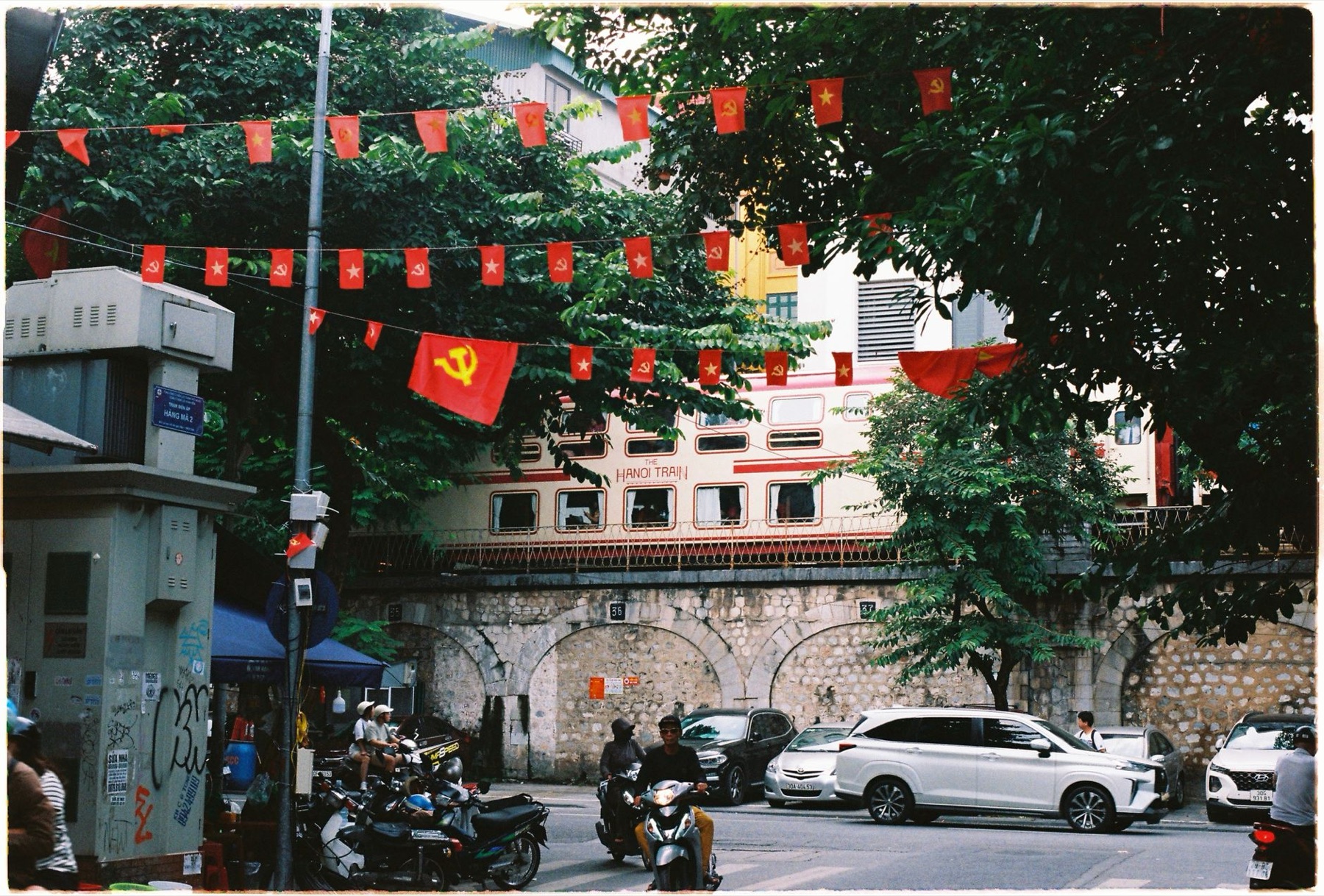
Morning markets (chợ sáng) open 5–8 a.m. and close by 9 a.m. Old Quarter alleyways (especially around Hàng Gà, Hàng Mành, Hàng Dưa) pack vendors shoulder-to-shoulder. Ba Mí market in Hai Ba Trung District runs 24 hours. Night markets (chợ đêm) on Hang Dao Street activate 6 p.m. onwards. Lakeside around Hoan Kiem is overpriced and marketed; skip it unless you want the Instagram background.
🗺️ Plan your route: Vietnam itinerary
| Vendor Type | Hours | Typical Dishes | Price Range (VND) | Best For |
|---|---|---|---|---|
| Market stalls (morning) | 5–9 a.m. | Bánh cuốn, cơm tấm, phở | 25k–45k | Breakfast, freshest ingredients |
| Pushcart (lunch clusters) | 11 a.m.–2 p.m. | Bún chả, bánh mì, egg coffee | 30k–50k | Quick lunch, casual eat-standing |
| Sidewalk shop (lunch/dinner) | 10 a.m.–10 p.m. | Phở, bún riêu, meatballs | 35k–60k | Sit down, full meal |
| Grilled meat stalls (evening) | 5 p.m.–11 p.m. | Thịt nướng, cơm nướng | 40k–70k | Group meals, social eating |
| Night market (roaming) | 6 p.m.–midnight | Crepes, desserts, drinks | 20k–40k | Snacks, sweet treats |
What Should You Actually Order and Why?
Phở (beef or chicken noodle soup): The broth simmers 12+ hours. A medium bowl costs around 35,000–50,000 VND ($1.40–2 USD). Best at dedicated phở stalls, not tourists traps. Morning and evening are peak; midday phở is often yesterday's broth reheated.
Bún chả (grilled pork with herb noodles): Vendors grill over charcoal 30 minutes before service. Around 40,000–55,000 VND ($1.60–2.20 USD) for a full plate. Eaten with fresh herbs, pickled vegetables, and dipping sauce. Go for the stall with the longest queue at noon—turnover means fresher meat.
Bánh mì (Vietnamese sandwich): Crusty baguette, pâté, grilled meat, pickled veg, mayo. Around 25,000–35,000 VND ($1–1.40 USD). Buy from a vendor who bakes their own bread or sources it daily; pale, soft bread = day-old stock.
Cơm tấm (broken rice with grilled meat, egg, tomato): Around 35,000–50,000 VND ($1.40–2 USD). Filling, cheap. Most vendors prep this fresh at lunch; avoid after 1 p.m. when rice sits under heat lamps.
Bánh cuốn (steamed rice crepes with pork and mushroom): Around 20,000–30,000 VND ($0.80–1.20 USD) for three. Eaten warm with fish sauce. Buy only from stalls that steam them fresh in front of you; pre-made ones harden fast.
Egg coffee (whipped egg yolk over hot coffee): Around 25,000–35,000 VND ($1–1.40 USD). Tourist-friendly, but genuinely good. Popular spots in the Old Quarter near Hoan Kiem get crowded 9–11 a.m.; go early or expect a queue.
📸 Book an ao dai photoshoot in Hanoi or Saigon (Cáo Studio)
How Much Should You Budget and Where Does Your Money Go?
A single street-food meal: 25,000–60,000 VND ($1–2.40 USD).
A full day of street eating (breakfast, lunch, snack, dinner): 150,000–200,000 VND ($6–8 USD).
Vendor margins are 30–40% of the selling price. They pay for ingredients (pork, rice, gas, charcoal), market stall rent or pushcart license (5,000–15,000 VND daily), and labor. They don't mark up for "atmosphere" or rent. Prices vary by vendor skill, ingredient quality, and neighbourhood. Old Quarter prices are 15–20% higher than suburban alleys. Ba Dinh and Tay Ho districts (near expats) charge 20–30% more than Hai Ba Trung or Long Bien.
Never negotiate price. These margins don't allow haggling. If you think it's expensive, find another stall.
What Mistakes Do Tourists Make—And How to Avoid Them?
Eating from a cart that's just arrived. Vendors pre-prep ingredients hours ahead. Ask in Vietnamese (or point) when the broth was made or the meat was grilled. If they hesitate, walk.
Assuming "busy = safe." Popular doesn't mean hygienic. Look for: clean hands, covered food storage, hot water for washing, separate cutting boards for raw and cooked items. If you see raw chicken next to cooked noodles, leave.
Drinking their water or eating ice. Always bring bottled water. Most street stalls use tap water. Bottled water costs 5,000–10,000 VND ($0.20–0.40 USD) at any stall.
Ordering at dusk without checking the vendor. Evening carts often sell yesterday's prep. Lunch-time vendors are more reliable because turnover is faster.
Getting suckered by "tourist markets." Night markets on Hang Dao and lakeside phở spots near Hoan Kiem add 50% markup. Go to Ba Mí market or Hang Gà alley instead. Same food, half the price.
Eating alone at night in unfamiliar lanes. Solo dining after 9 p.m. in quiet areas draws attention. Stick to busy streets, well-lit stalls, or go in a group.
Which Neighbourhoods Have the Best Street-Food Vendors?
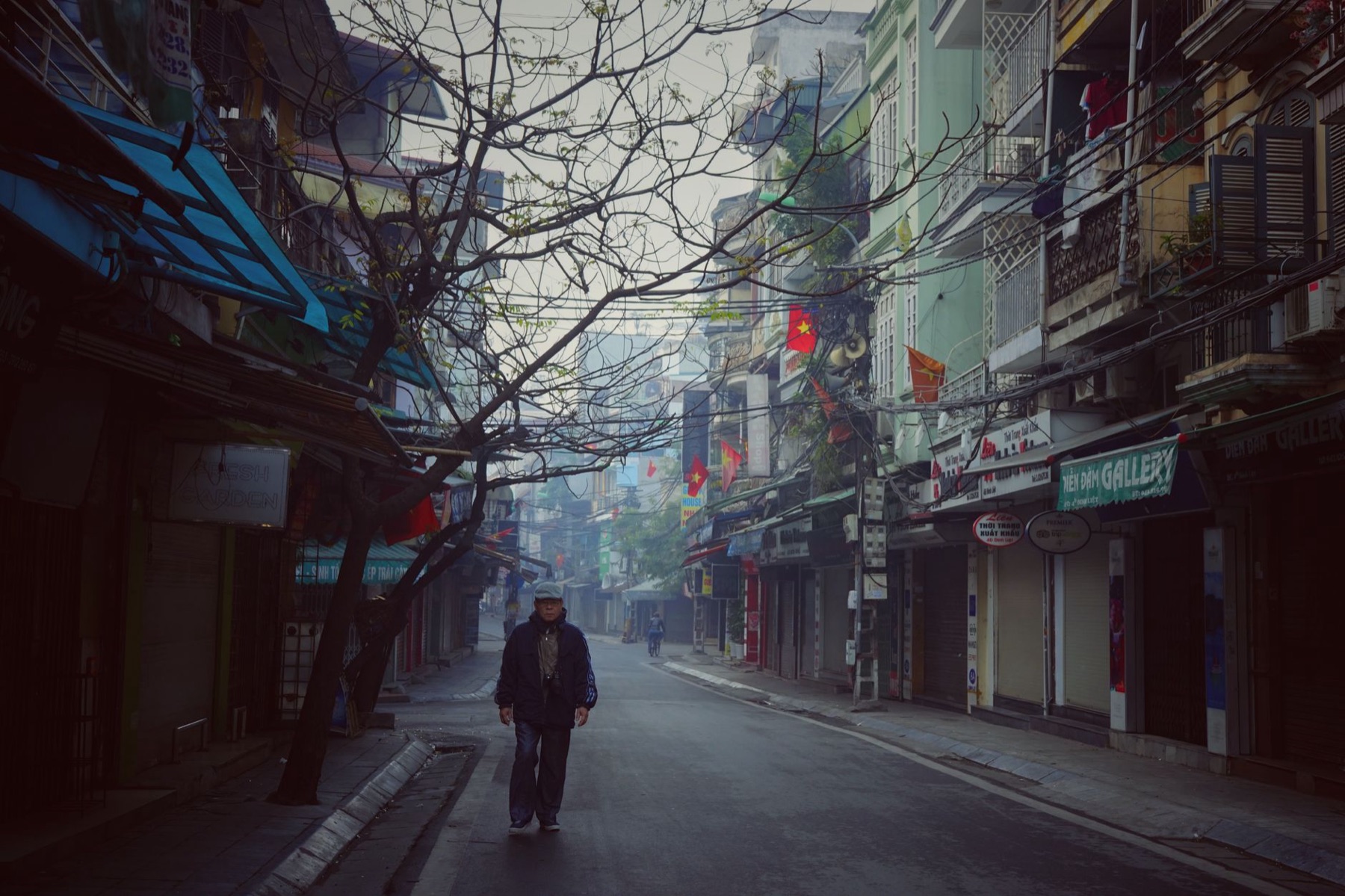
Old Quarter (Hoan Kiem District): Hàng Gà street for phở, Hàng Mành for bánh cuốn. Crowded, overpriced for tourists, but genuine. Go 6–7 a.m. or 4–5 p.m. to avoid the tour-group rush.
Hai Ba Trung District: Ba Mí market (open 24 hours). Less touristy. Cơm tấm stalls, phở vendors, grilled meat. Prices 20% cheaper than Old Quarter.
Dong Da District: Nhân Hoa market and surrounding alleys. Locals-only vibe. Morning bánh cuốn, afternoon bún chả. No English spoken; bring Google Translate.
Long Bien District: Street food clusters near Long Bien Bridge. Grilled meat specialists, morning noodle soups. Rough neighbourhood; go with a local or in daylight.
Ba Dinh District: Giang Vo market. Fewer stalls but higher-quality ingredients. Prices higher. Worth it if you want premium bánh mì or fresh herbs.
Tay Ho District: Pricey. Mostly for expats. Skip unless you want a "safe" version of street food.
🎟️ Compare tours & tickets for this place
How Do You Know If the Food Is Actually Fresh?
Check these three things before you eat:
- Smell. Fresh phở broth has a clean, meaty aroma. Sour or off smells = old stock.
- Vendor speed. If they're cooking dozens of bowls per hour, ingredients turn over fast. Slow stalls = leftovers.
- Presentation. Fresh bánh cuốn glistens. Dull, stiff ones are hours old. Fresh herbs are bright green, not wilted.
Ask when they started their shift and how long ago the broth was made. Most vendors will tell you honestly. If they deflect, find another stall.
---
📸 Book an ao dai photoshoot in Hanoi or Saigon (Cáo Studio) | 🗺️ Plan your route: Vietnam itinerary | 🎟️ Compare tours & tickets for this place
Related Guides
Explore more of Hanoi's food scene and travel essentials:
- Full Hanoi food guide
- Hanoi overview and neighbourhood guide
- Vietnam itinerary planner
- Vietnam e-visa and entry requirements
- eSIM for Vietnam: staying connected
- Ho Chi Minh City guide
- Hoi An guide
- Ha Long Bay guide
- Ninh Binh guide
- Sapa guide
Consider capturing memories of your street-food adventure. Book an ao dai photoshoot in Hanoi (Cáo Studio) to document your trip with professional styling and makeup.
FAQ
Is street food in Hanoi safe to eat?
Yes, if you follow basic rules: eat where locals queue, avoid ice and tap water, check for clean hands and separate food storage. Thousands of expats and tourists eat street food daily with no issues. Your stomach needs adjustment time if you're new to Vietnam—start with cooked, hot foods.
Do I need to speak Vietnamese to order?
No. Point at what others are eating, hold up fingers for quantity, or use Google Translate. Most vendors understand "one" and "two" in English. Smile and patience go far. Never raise your voice or act impatient.
Why is street food cheaper than restaurants?
Vendors have zero overhead: no rent (they pay market fees or park illegally), no staff beyond family, minimal waste. Restaurants pay rent, utilities, and wages. Street vendors plow profits back into ingredients, not decor.
What time is best to eat street food?
6–8 a.m. for breakfast items (bánh cuốn, phở). 11 a.m.–1:30 p.m. for lunch (bún chả, cơm tấm). 5–7 p.m. for dinner and grilled meat. Avoid 2–4 p.m. when most carts restock.
Can I get food poisoning from street vendors?
It's statistically rare. Thousands eat daily. Your risk is low if you watch the vendor, eat hot food, and avoid raw vegetables from stalls with questionable water. Traveler's diarrhea is usually from tap water or ice, not the food itself. Bring electrolyte sachets.
Which dishes are safest for first-time visitors?
Phở, bánh mì, cơm tấm, and bún chả (all cooked hot). Avoid uncooked herbs and raw vegetables from unfamiliar stalls. Egg coffee and bánh cuốn are safe and delicious entry points.
FAQ
Is street food in Hanoi safe to eat?
Yes, if you follow basic rules: eat where locals queue, avoid ice and tap water, check for clean hands and separate food storage. Thousands of expats and tourists eat street food daily with no issues. Your stomach needs adjustment time if you're new to Vietnam—start with cooked, hot foods.
Do I need to speak Vietnamese to order?
No. Point at what others are eating, hold up fingers for quantity, or use Google Translate. Most vendors understand "one" and "two" in English. Smile and patience go far. Never raise your voice or act impatient.
Why is street food cheaper than restaurants?
Vendors have zero overhead: no rent (they pay market fees or park illegally), no staff beyond family, minimal waste. Restaurants pay rent, utilities, and wages. Street vendors plow profits back into ingredients, not decor.
What time is best to eat street food?
6–8 a.m. for breakfast items (bánh cuốn, phở). 11 a.m.–1:30 p.m. for lunch (bún chả, cơm tấm). 5–7 p.m. for dinner and grilled meat. Avoid 2–4 p.m. when most carts restock.
Can I get food poisoning from street vendors?
It's statistically rare. Thousands eat daily. Your risk is low if you watch the vendor, eat hot food, and avoid raw vegetables from stalls with questionable water. Traveler's diarrhea is usually from tap water or ice, not the food itself. Bring electrolyte sachets.
Which dishes are safest for first-time visitors?
Phở, bánh mì, cơm tấm, and bún chả (all cooked hot). Avoid uncooked herbs and raw vegetables from unfamiliar stalls. Egg coffee and bánh cuốn are safe and delicious entry points.
More: Hanoi guide · What to eat in Hanoi