Hanoi · Food
Hanoi Walking Food Tour: Which Style Suits You?
By Wander in Vietnam editorial team · Hanoi, Vietnam
A Hanoi walking food tour is a guided or self-led exploration of street-food neighbourhoods—typically Old Quarter, French Quarter, or Hang Dao market areas—where you sample authentic dishes at stalls, learn vendor stories, and taste regional specialties. Wander in Vietnam recommends choosing by group size, budget (around 250,000–2,000,000 VND per person), and whether you want logistics handled or prefer wandering freely.
Most visitors face the same choice: join an organised tour, hire a private guide, or walk on your own with a map and appetite. Each has trade-offs in cost, depth, and control. The wrong pick wastes money or leaves you eating tourist-marked-up phở at 11 a.m. when the real crowds peak at 7 p.m.
What's the Real Difference Between Free, Budget, and Premium Tours?
Free walking tours (pay-what-you-wish) typically cover Old Quarter streets and 3–4 stops in 2.5 hours. You'll taste egg coffee, pho, and fried dumplings at busy vendors—often in English-heavy zones. Budget paid tours (250,000–500,000 VND / around $10–$20 USD) add a local guide, fewer tourists, and neighbourhood storytelling. Premium options (1,000,000–2,000,000 VND / around $40–$80 USD) include a chef or food historian, market access before breakfast rush, and smaller groups (4–8 people). Free tours save money but risk tourist-trap routing. Paid guides know which stall has been run by the same family for 40 years and when it closes.
🎟️ Compare tours & tickets for this place
Which Neighborhoods Are Worth Eating In?
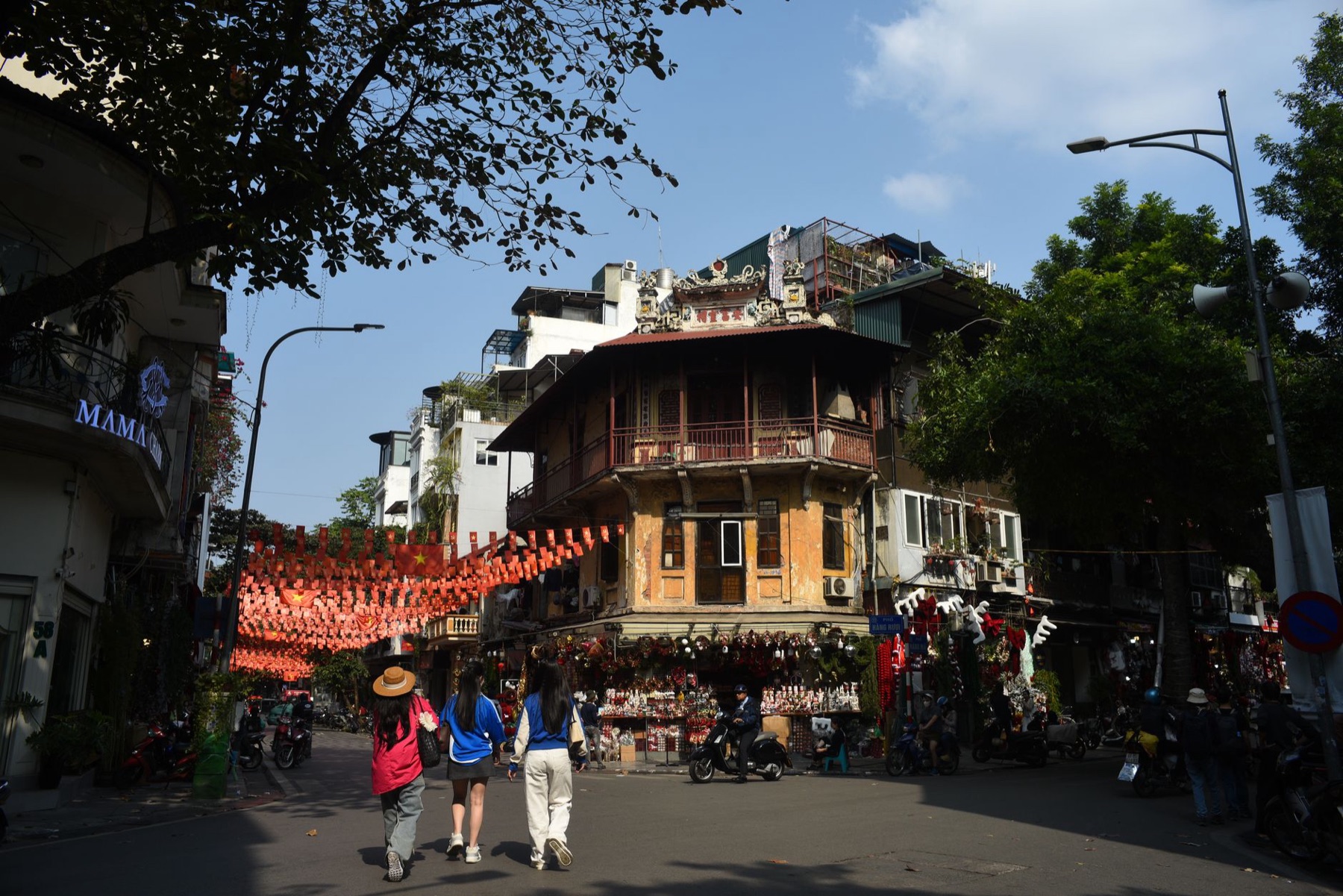
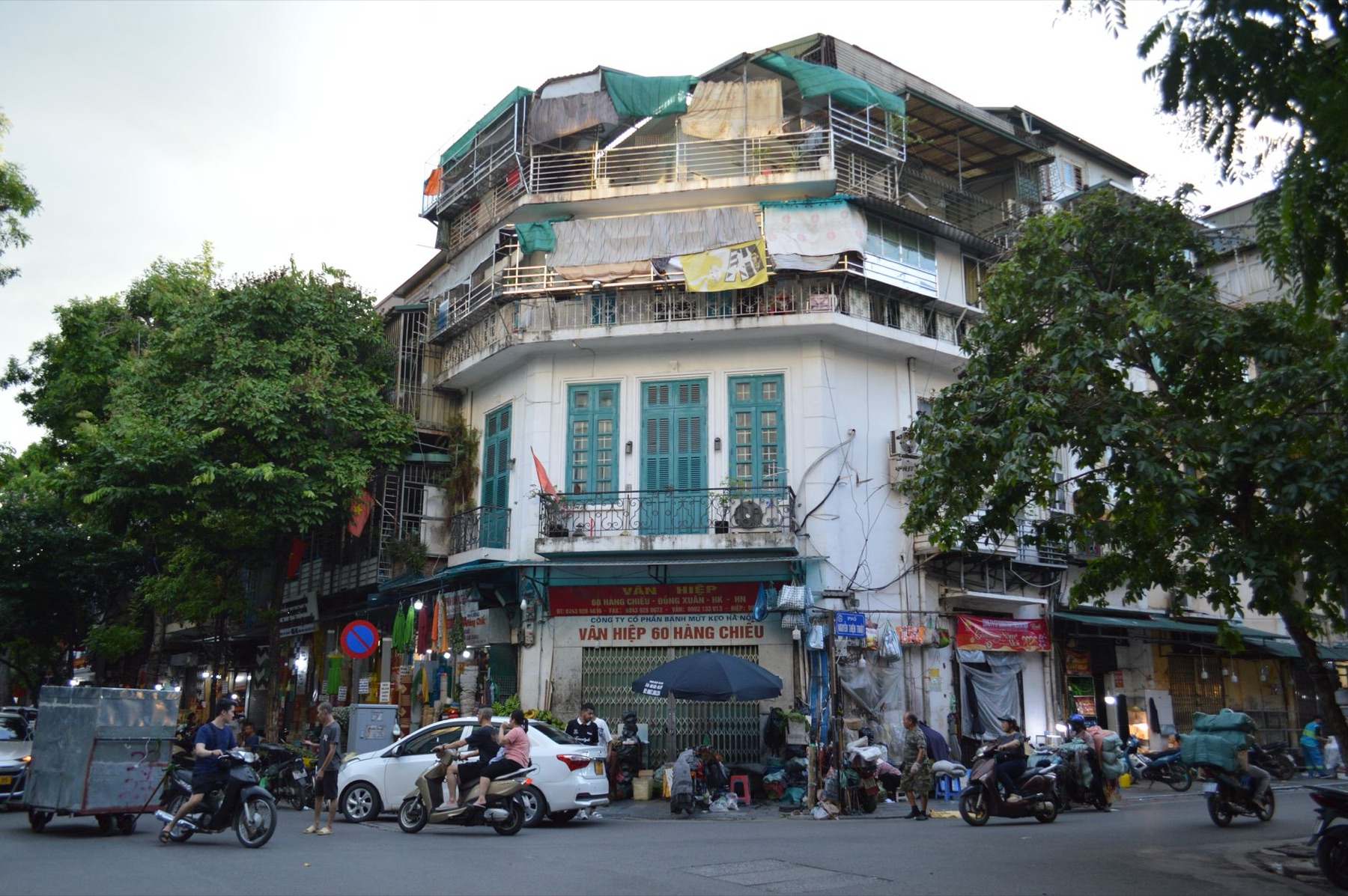
Old Quarter (Hoàn Kiếm district, north and east of Hoàn Kiếm Lake). Chaotic, crowded, and every second stall sells phở or bánh mì. Good for first-timers, intense sensory experience. Street names reflect past trades: Hang Gai (silk), Hang Dau (oil), Hang Chiếu (mats). Expect shoulder-to-shoulder seating and plastic stools. Tourist density highest 7–10 a.m. and 5–8 p.m.
Hang Dao neighbourhood (still Hoàn Kiếm, east side). Less packed than central Old Quarter. Specialty-focused: bánh mỳ (Vietnamese bread sandwiches), miến (vermicelli soups), snail dishes. Morning markets (5–7 a.m.) show food prep before tourists arrive. Easier to photograph.
French Quarter (near St. Joseph Cathedral, Ba Đình district west of Hoàn Kiếm Lake). Quieter, colonial architecture. Fewer cheap eats; mix of upmarket cafés and mid-range restaurants. Good for a slower, less overwhelming introduction or if you dislike standing-room-only crowds.
Tây Hồ / West Lake area (Ba Đình district). Waterfront restaurants, evening strolls, relaxed tempo. Food is pricier and less street-focused; better for drinks-and-snacks walks than serious eating tours.
How Much Should You Budget, and What's Included?
| Tour type | Price (VND) | Price (USD) | Includes | Best for |
|---|---|---|---|---|
| Free walk | Pay-what-you-wish | $0–5 | 3–4 stops, group guide, tips only | Budget travelers, first visit, group energy |
| Budget local guide | 250k–500k | $10–20 | 4–6 stops, personal guide, market intro, snacks only | Solo travelers, neighborhood feel, deeper stories |
| Semi-private (4–6 people) | 600k–900k | $25–35 | 5–7 stops, chef or historian guide, coffee/water, small group | Couples, small groups, specific cuisines |
| Private (2 people) | 1.2m–1.8m | $50–70 | Customized route, private guide, timing to your pace, beverage | Families, dietary needs, time-constrained visitors |
| Premium (market + dining) | 1.5m–2m | $60–80 | Early-morning market access, prep-to-plate guide, sit-down meals, photos | Food lovers, cooking interest, full breakfast experience |
Real costs to add: 50,000–150,000 VND per dish at street stalls (around $2–6 USD). Coffee 15,000–30,000 VND ($0.60–$1.20). Bottled water 10,000 VND ($0.40). Most tours don't include meals; you pay per dish direct to vendors. Watch for "included" language—some say "6 stops" but charge for each plate separately.
📸 Book an ao dai photoshoot in Hanoi or Saigon (Cáo Studio)
What Should You Check Before Booking?
Group size cap. Tours advertised as "small group" can mean 12 people. Ask: max 6–8 is genuinely walkable for Q&A. Over 10 and half the group misses the vendor's story.
Stop count vs. meal size. "6 stops" might mean 6 stalls but one spoon of each. Ask: will you feel full? What are the dishes? If none appeal (no seafood, vegetarian), ask if the guide swaps stops.
Guide language level. Free tours use English guides who know English phrases but may not answer "how long has this vendor been here?" or "what province is this spice from?" Paid guides invest in training; ask how many years they've done this.
Walking distance and pace. Old Quarter is dense—"2 km" can take 2 hours if crowded. Ask: will we stop for photos? What's the terrain (uneven streets, steps, slippery when wet)? Are bathroom breaks included?
Timing. Morning tours (6–9 a.m.) catch peak vendor hours and market action. Evening tours show street kitchens and crowds but fewer breakfast specialties. Lunch tours (11 a.m.–1 p.m.) are less crowded but vendors are post-rush and may close early.
Transparency on "included." Tours that claim "all food included" often skip drinks, tips, or market entry (if any). Read reviews on Viator, GetYourGuide, or local Facebook groups—ask past guests: did you pay extra and how much?
🗺️ Plan your route: Vietnam itinerary
Which Tour is Right for Your Travel Style?
Backpacker (tight budget, social, fast): Free Old Quarter walk or a budget local guide (250k–400k VND). You'll meet other travelers, eat fast, and save money for drinks later. Downside: tourist crowds, rushed explanations, less neighbourhood context.
Couple (mid-budget, slower pace, memories): Semi-private tour (4–6 people, 600k–900k VND) or private guide. You get breathing room, photo stops, conversation time. Book a guide through Airbnb Experiences or a local agency; ask them to avoid other couples if possible.
Family (kids, dietary concerns, flexibility): Private guide or a semi-private with advance notice of children's preferences. Public tours can be chaotic for kids under 10; vendors' English varies. A private guide pauses for bathroom breaks and finds kid-friendly dishes (mild phở, spring rolls).
Food enthusiast (depth, preparation, cooking interest): Premium market-to-table tour (1.5m–2m VND). These start 5–6 a.m., walk a wet market with a chef, pick ingredients, and cook or eat prep-to-plate. You understand sourcing, technique, and flavour pairing. Usually half-day (3–4 hours); fewer stops but much deeper.
Solo traveler (safety, connection, independence): Budget local guide. Safer than alone at night; you meet a local and other tourists. Guides are vested in your safety—they earn tips. Or join a free tour for social energy without commitment.
---
How to Avoid Food-Tour Scams and Letdowns
Scam: the "special" stall that pays the guide commission. A guide steers everyone to a restaurant ("my friend's place") where prices are double street-market rates and the guide gets 20–30% commission. It's obvious: "special" stalls are always packed with tour groups, not locals. Avoid: ask the guide upfront, "do you get commission anywhere?" Honest guides admit it. Also ask where locals eat breakfast—if the guide names a tourist restaurant, you've found the problem.
Scam: vague "included" promises. "All food and drinks included" sometimes means one drink per person and dishes chosen by the guide, not you. You end up hungry or eating something you dislike. Check: ask for a sample itinerary with dish names, not "Vietnamese breakfast."
Letdown: overcrowded free tours. Popular free-walking companies operate 2–3 tours daily with 20+ people. You're a herd, not guests. You won't hear the guide, won't taste food properly (rushed), and will spend 20 minutes waiting while others pose for photos. Better: pay for a small (max 8-person) tour instead.
Letdown: timing misses the real action. Tours at 9 a.m. find most breakfast vendors closing. Phở vendors peak 6:30–8:30 a.m. Book morning. Evening tours (5–8 p.m.) can work for street snacks (bánh mỳ, grilled items, bia hơi / draft beer). Midday tours (11 a.m.–2 p.m.) are slower but less overwhelming.
Safety: street crossing and scooters. Old Quarter streets have heavy scooter traffic. Tours should assign a guide to stop traffic while crossing. Lone walkers get honked at constantly. Solo tip: walk with locals, cross in groups, and use zebra crossings (though scooters don't stop completely—walk steadily, not suddenly).
For deeper city explorations, see our Hanoi guide or Hanoi food & dining pillar. Thinking beyond Hanoi? Compare food scenes in Ho Chi Minh City, Hoi An, or Ha Long Bay.
🎟️ Compare tours & tickets for this place
FAQ
Is a Hanoi walking food tour actually worth the money, or can I just eat alone?
Solo eating is cheaper and flexible, but a guide explains vendor histories, ingredient sourcing, and why a dish tastes different here than elsewhere. You'll also eat dishes locals choose, not tourist-marked versions. A budget local guide (250k–500k VND / $10–20) pays for itself in better recommendations and safety.
What if I'm vegetarian or have allergies?
Most tours can adapt—tell the guide when booking. However, vegetarian options in Old Quarter are limited (egg rolls, tofu phở, vegetable spring rolls). Premium or private guides manage this better. Free tours often can't reroute. Advance notice is essential; don't assume the guide can improvise on the day.
Should I book online (Viator, GetYourGuide) or directly with a local guide?
Online platforms charge 20–30% commission, raising prices. Local guides (booked via local tourism offices, hotels, or Facebook groups) cost less and give guides full payment. Check reviews carefully; newer independent guides have fewer reviews but often better personalised service.
How long does a typical Hanoi walking food tour last?
2–3 hours for free/budget tours (covers Old Quarter and 4–6 stops). Private or premium tours run 3–4 hours (market + deeper neighbourhood exploration). Full market-to-table experiences are 4–5 hours but start before dawn.
What should I wear and bring?
Comfortable shoes (uneven cobblestones), light layers (Old Quarter is humid and shaded), a hat, and a small bag. Bring cash (most vendors don't take cards) and a reusable water bottle. Avoid white clothes—street stalls have splashing oil and sauce. Consider an eSIM for Vietnam if your phone needs data to check the guide's route or translation apps.
Can I combine a food tour with other Hanoi activities on the same day?
Yes. Morning food tour (6–9 a.m.), lunch break, then afternoon temple/museum visits or cyclo tour. Evening bia hơi (draft beer) crawls work after afternoon rest. See our Vietnam itinerary planner for sample Hanoi day schedules.
FAQ
Is a Hanoi walking food tour actually worth the money, or can I just eat alone?
Solo eating is cheaper and flexible, but a guide explains vendor histories, ingredient sourcing, and why a dish tastes different here than elsewhere. You'll also eat dishes locals choose, not tourist-marked versions. A budget local guide (250k–500k VND / $10–20) pays for itself in better recommendations and safety.
What if I'm vegetarian or have allergies?
Most tours can adapt—tell the guide when booking. However, vegetarian options in Old Quarter are limited (egg rolls, tofu phở, vegetable spring rolls). Premium or private guides manage this better. Free tours often can't reroute. Advance notice is essential; don't assume the guide can improvise on the day.
Should I book online (Viator, GetYourGuide) or directly with a local guide?
Online platforms charge 20–30% commission, raising prices. Local guides (booked via local tourism offices, hotels, or Facebook groups) cost less and give guides full payment. Check reviews carefully; newer independent guides have fewer reviews but often better personalised service.
How long does a typical Hanoi walking food tour last?
2–3 hours for free/budget tours (covers Old Quarter and 4–6 stops). Private or premium tours run 3–4 hours (market + deeper neighbourhood exploration). Full market-to-table experiences are 4–5 hours but start before dawn.
What should I wear and bring?
Comfortable shoes (uneven cobblestones), light layers (Old Quarter is humid and shaded), a hat, and a small bag. Bring cash (most vendors don't take cards) and a reusable water bottle. Avoid white clothes—street stalls have splashing oil and sauce. Consider an [eSIM for Vietnam](/vietnam/esim) if your phone needs data to check the guide's route or translation apps.
Can I combine a food tour with other Hanoi activities on the same day?
Yes. Morning food tour (6–9 a.m.), lunch break, then afternoon temple/museum visits or cyclo tour. Evening bia hơi (draft beer) crawls work after afternoon rest. See our [Vietnam itinerary planner](/vietnam/itinerary) for sample Hanoi day schedules.
More: Hanoi guide · What to eat in Hanoi