Hanoi · Food
Japanese Food Hanoi: Where to Eat, What to Order & Real Prices
By Wander in Vietnam editorial team · Hanoi, Vietnam
Japanese food in Hanoi has shifted dramatically in the past five years. Cheap ramen joints have multiplied, but so have genuinely skilled kitchens run by Japanese chefs or serious Vietnamese cooks trained abroad. The price range is now wide enough that you can eat well on a budget or spend heavily without guarantee of quality. This guide cuts through the noise and tells you exactly what to order, where, and what to check before you sit down.
Why Hanoi's Japanese food scene matters (and doesn't)
Hanoi is not Tokyo. Don't expect authentic kaiseki or rare omakase at local prices. What you get instead is a mix: some restaurants follow Japanese recipes closely; others adapt to local tastes and ingredient availability. The fish arrives daily from Da Nang or import from Japan, but it's not all sushi-grade. Ramen is the backbone here—affordable, filling, and easier to execute well than sushi with limited local fish supply. Honesty: most "Japanese" curry rice and gyudon (beef rice bowls) are competent but generic. Focus on ramen, some specific sushi rolls if the kitchen looks clean, and yakitori (grilled chicken skewers) where you can watch it cook.
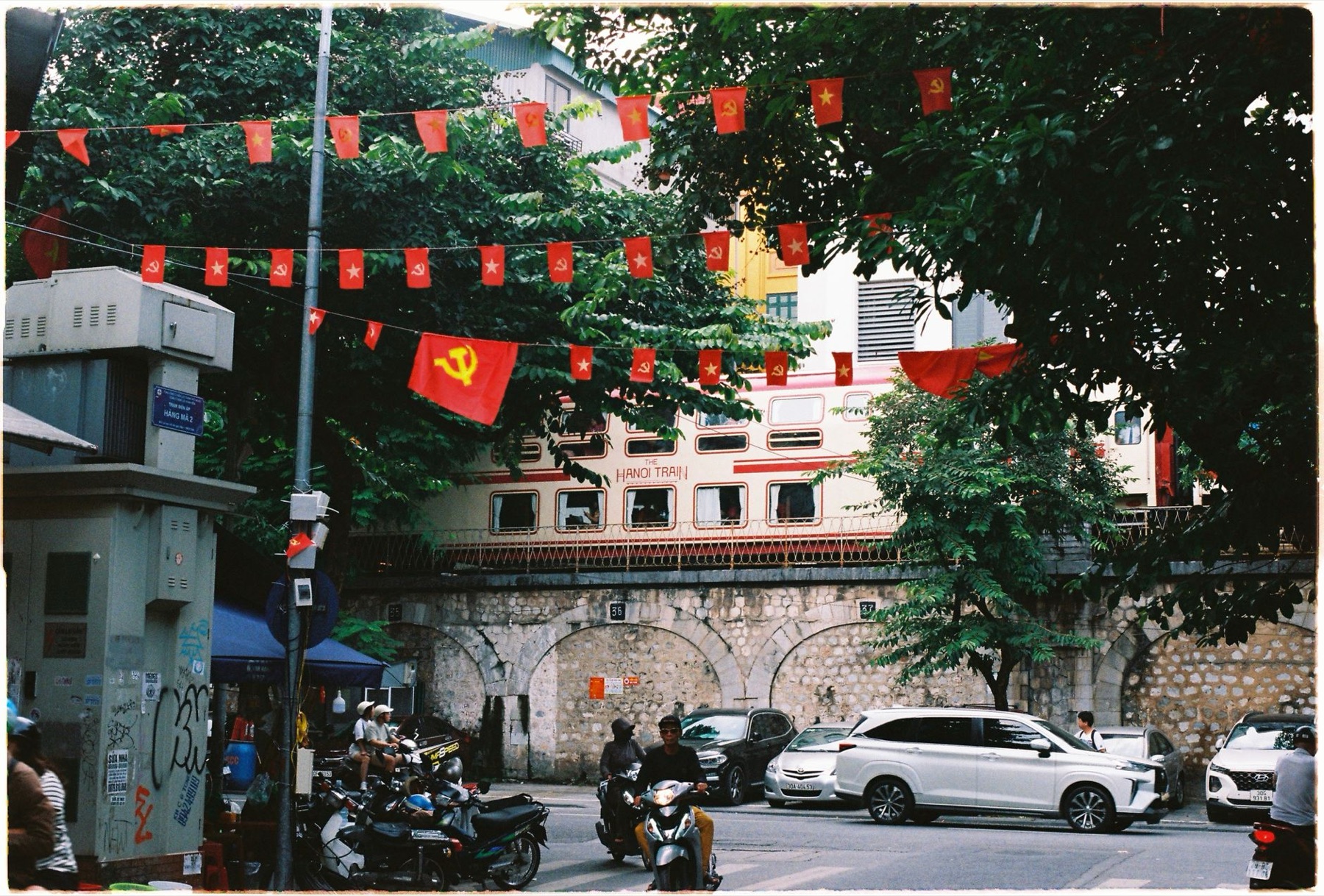
Where to find Japanese food in Hanoi by neighbourhood
Ba Đình district (west of Hoàn Kiếm Lake) hosts the highest concentration of casual ramen and donburi shops. Streets like Trần Hưng Đạo and side lanes off Ngô Quyền hold five or six small places within walking distance. Expect plastic chairs, open kitchen, ramen bowls under 100,000 VND ($4 USD). Staff often speak limited English; menus usually have photos.
Tây Hồ district (north, lakeside) skews upmarket. Restaurants here sit in renovated villas or modern buildings, serve sushi and kaiseki-style multi-course meals, and charge 300,000–800,000 VND ($12–32 USD) per person. These attract expats and affluent locals. Parking is easier; English menus are standard. Quality is more consistent but you're paying for ambiance and imported ingredients.
Hoàn Kiếm district (central) mixes both: mid-range sushi-and-ramen spots aimed at office workers and tourists, usually 150,000–250,000 VND ($6–10 USD) per dish. Streets near Hàng Gai and Tràng Tiền have several. Foot traffic is high; authenticity varies wildly.
Cầu Giấy district (southwest) has a cluster of newer, Instagram-popular ramen and fusion spots. Quality is newer but sometimes style over substance. Prices trend toward the higher end of ramen (120,000–180,000 VND / $5–7 USD).
🗺️ Plan your route: Vietnam itinerary
What to order and real prices (2026 estimates)
| Dish | Typical Price (VND) | USD Equivalent | What to Check | Who It's For |
|---|---|---|---|---|
| Tonkotsu ramen (pork broth) | 90,000–140,000 | $3.60–5.60 | Broth simmered ≥4 hours; noodles chewy, not mushy | Budget travellers, noodle lovers |
| Shoyu ramen (soy broth) | 80,000–130,000 | $3.20–5.20 | Clear, balanced saltiness; toppings fresh | Lighter appetite, first-timers |
| Miso ramen | 95,000–150,000 | $3.80–6 | Rich but not greasy; miso paste melted evenly | Cold days, rich-broth fans |
| Gyudon (beef rice) | 70,000–120,000 | $2.80–4.80 | Beef tender, onion translucent, rice fluffy | Quick lunch, budget eaters |
| Chicken katsudon | 80,000–140,000 | $3.20–5.60 | Breading crisp, chicken moist inside, panko fresh | Comfort-food fans |
| Sushi set (6–8 pieces) | 200,000–400,000 | $8–16 | Fish cold (not ice-cold), rice warm, nori snaps | Sushi-specific craving |
| Spicy tuna roll (8pc) | 150,000–280,000 | $6–11.20 | Tuna sushi-grade colour, mayo creamy, no brown edges | Roll enthusiasts |
| Yakitori (5 skewers) | 120,000–200,000 | $4.80–8 | Charred on outside, juicy inside, grilled to order | Social eaters, drink pairers |
| Edamame | 40,000–70,000 | $1.60–2.80 | Pods plump, lightly salted, served warm | Appetizer, side order |
| Soft-shell crab tempura | 180,000–300,000 | $7.20–12 | Crab just-moulted, batter light, served with dipping sauce | Special occasion, splurge |
Honest take: Ramen and gyudon are your safest bets; they're hard to ruin and cost little. Sushi is only worth ordering if the restaurant has high turnover (lunch crowds are a good sign) and the kitchen is visibly clean. Avoid "Japanese curry" at random pho shops—it's rarely authentic.
How to spot a kitchen worth eating at
Walk past the kitchen or sit at the counter. Real red flags: frozen noodles in a pot (should be boiled fresh), broth that smells thin or one-dimensional, fish that looks dull or has a brown tinge, staff that can't answer basic questions about ingredients. Green lights: a chef or cook clearly managing portions by hand, customers eating slowly and returning, visible prep work (chopping vegetables, working with fish), and a menu that changes seasonally or daily.
Most tourist-area restaurants will rush you and serve acceptable food. Hanoi residents eat at small neighbourhood ramen spots where the owner has been running the same kitchen for three or five years. These are harder to find if you don't speak Vietnamese, but worth it: ask your hotel staff or guesthouse owner where they eat ramen.
🎟️ Compare tours & tickets for this place | 📸 Book an ao dai photoshoot in Hanoi or Saigon (Cáo Studio)
What to avoid and what to skip
Skip: All-you-can-eat sushi buffets. Hanoi has a few; they're loss-leader pricing (around 250,000–350,000 VND / $10–14 USD) because ingredient quality is very low and turnover is high. Fish is often a day or two old.
Skip: "Japanese fusion" at upscale Vietnamese restaurants. Sushi with mango, wasabi mayo, and cream cheese is not Japanese and usually costs 2–3 times the price of honest sushi for lower ingredient quality.
Avoid: Ordering sushi at places without visible sushi chefs or prep. A ramen shop that adds sushi to the menu as an afterthought will not source fish correctly.
Be cautious: Sashimi and raw fish in Hanoi's heat. If it's been sitting in a display case for more than a few hours, the quality drops fast. Eat sashimi at lunch, not late evening. Cooked items (ramen, katsudon, yakitori) have no such risk.
🗺️ Explore Hanoi's full food scene — a guide to street food, coffee, and dining by neighbourhood.
Pairing Japanese food with Hanoi's wider food culture
Hanoi's food identity is Vietnamese, and Japanese sits alongside it. You don't need to choose. A good week might include ramen lunch, pho dinner, and a banh mi snack. Japanese restaurants here are also used to pairing with local drinks: some serve Japanese beer (Asahi, Sapporo), but many locals order Vietnamese bia (beer) or bia chanh (lemonade beer). Hot tea is standard and free.
If you're planning a longer stay, consider visiting Hoi An, Ha Long Bay, or Sapa, which have smaller but growing Japanese food options. Hanoi remains the centre, though. The expat and tourist population here sustains more kitchens and higher competition, which pushes quality up.
For a complete picture of eating well in Hanoi, read our full Hanoi food guide, which covers street markets, Vietnamese specialities, and area-by-area recommendations.
What to check before you order
- Ask about the fish source. Reputable restaurants will say "Da Nang today" or "imported Japan yesterday." Vague answers mean lower quality.
- Watch the rice temperature. Japanese rice should be warm, not hot and not cold. If it's microwaved from the fridge, leave.
- Check the noodle firmness. Ramen noodles should have slight resistance when bitten (called "al dente" in Italian; "ba chìa" in Vietnamese cooking terms). Mushy = overcooked or old batch.
- Inspect the kitchen cleanliness. You're eating raw or lightly cooked food. Dirty prep surfaces are a dealbreaker.
- Ask how long dishes take. Honest kitchens will say "ramen 12–15 minutes," not five. Ramen is slow because broth matters; fast ramen is usually reheated.
- Notice other customers. Are locals eating there? Are plates coming back half-eaten? These tell you more than any review.
---
FAQ
Is Japanese food in Hanoi authentic?
Partially. Ramen and gyudon follow Japanese methods well. Sushi is usually competent but fish sourcing is limited. Avoid expecting kaiseki-level refinement at local prices. Eat with the understanding that Hanoi's Japanese food is Vietnamese-adapted Japanese.
How much should I budget per meal for Japanese food?
Ramen and rice bowls run 70,000–150,000 VND ($2.80–6 USD). Sushi sets cost 200,000–400,000 VND ($8–16 USD). Upscale multi-course meals in Tây Hồ start at 500,000 VND ($20 USD) and go much higher. Casual lunches are cheap; dinner at nicer places, budget mid-range.
Which district has the best Japanese food in Hanoi?
Ba Đình has the highest ramen concentration and best prices. Tây Hồ has the most upscale options. Hoàn Kiếm is most convenient for tourists. All three are worth visiting depending on your budget and style.
Is raw fish safe to eat in Hanoi?
Yes, if the restaurant has high turnover and good cold storage. Eat sashimi and sushi at lunch when fish is freshest. Avoid late-evening raw fish. Cooked options (ramen, katsudon) have zero risk.
Can I get Japanese food delivery in Hanoi?
Yes, major apps like Grab Food and Be list Japanese restaurants. Quality during delivery is lower for sushi (it deteriorates in heat). Ramen and rice bowls hold better. Pick up in person for sushi if you can.
FAQ
Is Japanese food in Hanoi authentic?
Partially. Ramen and gyudon follow Japanese methods well. Sushi is usually competent but fish sourcing is limited. Avoid expecting kaiseki-level refinement at local prices. Eat with the understanding that Hanoi's Japanese food is Vietnamese-adapted Japanese.
How much should I budget per meal for Japanese food?
Ramen and rice bowls run 70,000–150,000 VND ($2.80–6 USD). Sushi sets cost 200,000–400,000 VND ($8–16 USD). Upscale multi-course meals in Tây Hồ start at 500,000 VND ($20 USD) and go much higher. Casual lunches are cheap; dinner at nicer places, budget mid-range.
Which district has the best Japanese food in Hanoi?
Ba Đình has the highest ramen concentration and best prices. Tây Hồ has the most upscale options. Hoàn Kiếm is most convenient for tourists. All three are worth visiting depending on your budget and style.
Is raw fish safe to eat in Hanoi?
Yes, if the restaurant has high turnover and good cold storage. Eat sashimi and sushi at lunch when fish is freshest. Avoid late-evening raw fish. Cooked options (ramen, katsudon) have zero risk.
Can I get Japanese food delivery in Hanoi?
Yes, major apps like Grab Food and Be list Japanese restaurants. Quality during delivery is lower for sushi (it deteriorates in heat). Ramen and rice bowls hold better. Pick up in person for sushi if you can.