Hanoi · Food
Restaurant in Hanoi: Where to Eat, What to Book, How Much to Pay
By Wander in Vietnam editorial team · Hanoi, Vietnam
Hanoi's restaurant ecosystem isn't one thing. A pho bowl in Ba Đình costs around 40,000–60,000 VND ($1.60–$2.40). The same spot in the Old Quarter tourist strip: 90,000–120,000 VND ($3.60–$4.80). Fine dining in Tây Hồ: 300,000–800,000 VND ($12–$32) per head without drinks. And street-level imperial roll carts: 20,000–30,000 VND (80¢–$1.20) for two.
We've eaten through central and outer Hanoi across seasons. Here's how to choose, book, and eat without overpaying or wasting an evening on Instagram fiction.
🗺️ Plan your route: Vietnam itinerary
Which neighbourhood fits your budget and style?
The Old Quarter (Hoàn Kiếm district) draws crowds for a reason: density, history, cheap beer. But "cheap" is relative. A beer sits at 50,000–80,000 VND ($2–$3.20) in a tourist lane versus 30,000 VND ($1.20) two streets over. Street food is genuine; sit-down restaurants often gimmick up portions and prices. Best for: one-night visitors, first-time eaters, groups.
Ba Đình (west side) is residential, less heaving, same food quality, 20–30% lower prices. Locals eat here. Queues form at lunch, then vanish by 14:00. Best for: repeat travellers, solo diners, patient eaters.
Tây Hồ (northern lake zone) leans upscale: lakeside cafés, fusion joints, rooftop bars. Prices jump. A pasta or grilled fish dish: 150,000–250,000 VND ($6–$10). Drinks double street-stall cost. Best for: dates, celebrations, sunset, couples, non-backpacker budgets.
Thanh Xuân (southeast, near Gia Lâm) and outer Ba Đình host university students, young professionals, no tourists. Pho, bún chả, Com tam (broken rice): 30,000–50,000 VND ($1.20–$2). Hygiene varies; ask locals which cart they use daily. Best for: adventurous eaters, those with Vietnamese friends, long-term visitors.
| Neighbourhood | Typical Price Range (USD per head) | Best Dishes | Best Time to Go | Tourist Factor |
|---|---|---|---|---|
| Old Quarter (Hoàn Kiếm) | $3–$8 | Pho, imperial rolls, egg coffee | Lunch 11–13:00 | High |
| Ba Đình (residential west) | $2–$5 | Grilled meat, bún chả, phở | Lunch 11:30–13:30 | Low–Medium |
| Tây Hồ (lakeside north) | $6–$15 | Grilled fish, pasta, Vietnamese fusion | Evening 18:00–21:00 | Medium |
| Thanh Xuân (southeast) | $1.50–$3 | Com tam, pho, street snacks | Lunch 11–14:00 | Very low |
📸 Book an ao dai photoshoot in Hanoi or Saigon (Cáo Studio)
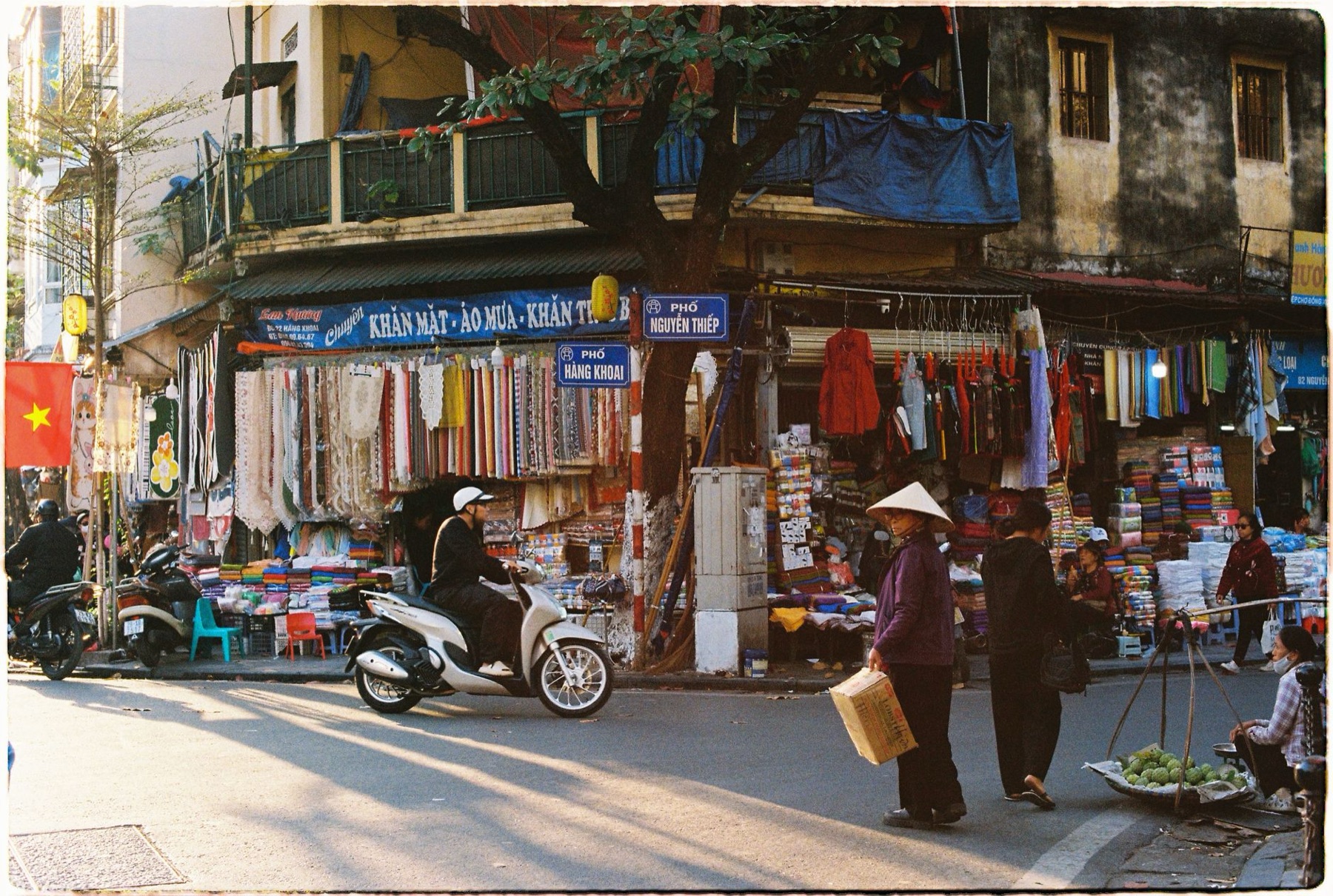
What dishes should you actually order?
Phở (beef or chicken noodle soup): the baseline. Order phở bò (beef) or phở gà (chicken). Size: nhỏ (small, around 60,000 VND / $2.40) or lớn (large, around 75,000 VND / $3). Broth should taste simmered 8+ hours; if it tastes thin or MSG-heavy, leave. Best eaten before 10:00 AM or after 21:00 when vendors reset pots.
Bún chả (charred pork patties, noodles, dipping sauce): $2–$3.50 per bowl. Order at lunch. Meat should char outside, stay soft inside. The sauce (fish, lime, chilli) matters most. Weak sauce = low effort. Ask for cá cốt (extra sauce) if offered.
Com tam (broken rice, pork, egg, pickled vegetables): $1.50–$2.50. Ordered at lunch by construction workers and students. Pork cốt (ribs) or thịt nạc (lean) are reliable. Avoid noon on Mondays; vendors restock then, prep quality dips.
Cơm tấm chiên (fried broken rice): similar price, heavier. Order if you want to sit longer; pho is eat-and-go.
Bánh mì (Vietnamese sandwich, pâté, cured pork, pickled veg): 25,000–35,000 VND (around $1–$1.40). Best near a good bánh mì cart in Ba Đình or outer districts. Tourist ones: 60,000–80,000 VND ($2.40–$3.20) and smaller portions.
Egg coffee (avocado or regular in the Old Quarter): 50,000–70,000 VND ($2–$2.80) if you sit; 40,000 VND ($1.60) for takeaway. It's sweet, rich, one per person. Order once as an experience, then move on to street coffee (black, iced, 15,000–20,000 VND / 60¢–80¢) if you're staying longer.
Grilled meats (nướng): Skewers, fish, squid, prawn at street-level vendors. Price by weight or piece (around 10,000–25,000 VND / 40¢–$1 per stick). Quality varies by vendor reputation. Ask locals which cart they use; follow them.
Fish and seafood: Fresh-caught daily in Hanoi's restaurant zones. A grilled fish fillet (300–400g): 80,000–150,000 VND ($3.20–$6) depending on species and vendor. Prawns jump to 200,000+ VND ($8+) per 100g at sit-down places.
How do you book and get seated without wasting time?
Direct phone calls beat apps. Most Hanoi restaurants don't use reservation apps; staff answer phones during hours. Learn a few Vietnamese phrases:
- "Tôi muốn đặt bàn cho [number] người lúc [time]" (I want to book a table for X people at Y time).
- "Có bàn không?" (Do you have a table?).
- "Bao lâu chờ?" (How long is the wait?).
Expect broken English or none. Speak slowly, repeat.
Street stalls and small sits have no reservation system. Arrive 11:30–12:30 or 17:30–18:30 to beat queues. Lunch is 11:00–13:30; dinner is 17:00–21:00. After 21:30, many close. Sunday afternoons (15:00–17:00) are dead; use that window.
Fine dining (400,000+ VND / $16+ per head) requires booking. Call the day before or morning-of. Credit card or deposit may be needed. Check if service charge and VAT are included in the menu price.
Walk-in etiquette: Stand and wait to be seated. Don't grab tables. Smile. Sit where pointed. Staff will come; patience required (5–15 minutes on busy days). Order quickly once seated; they work in rotations.
Payment: Most restaurants accept cash (VND). Cards work at mid-range and up. Tipping is not expected, but rounding up change (5,000–10,000 VND / 20¢–40¢) is appreciated and common.
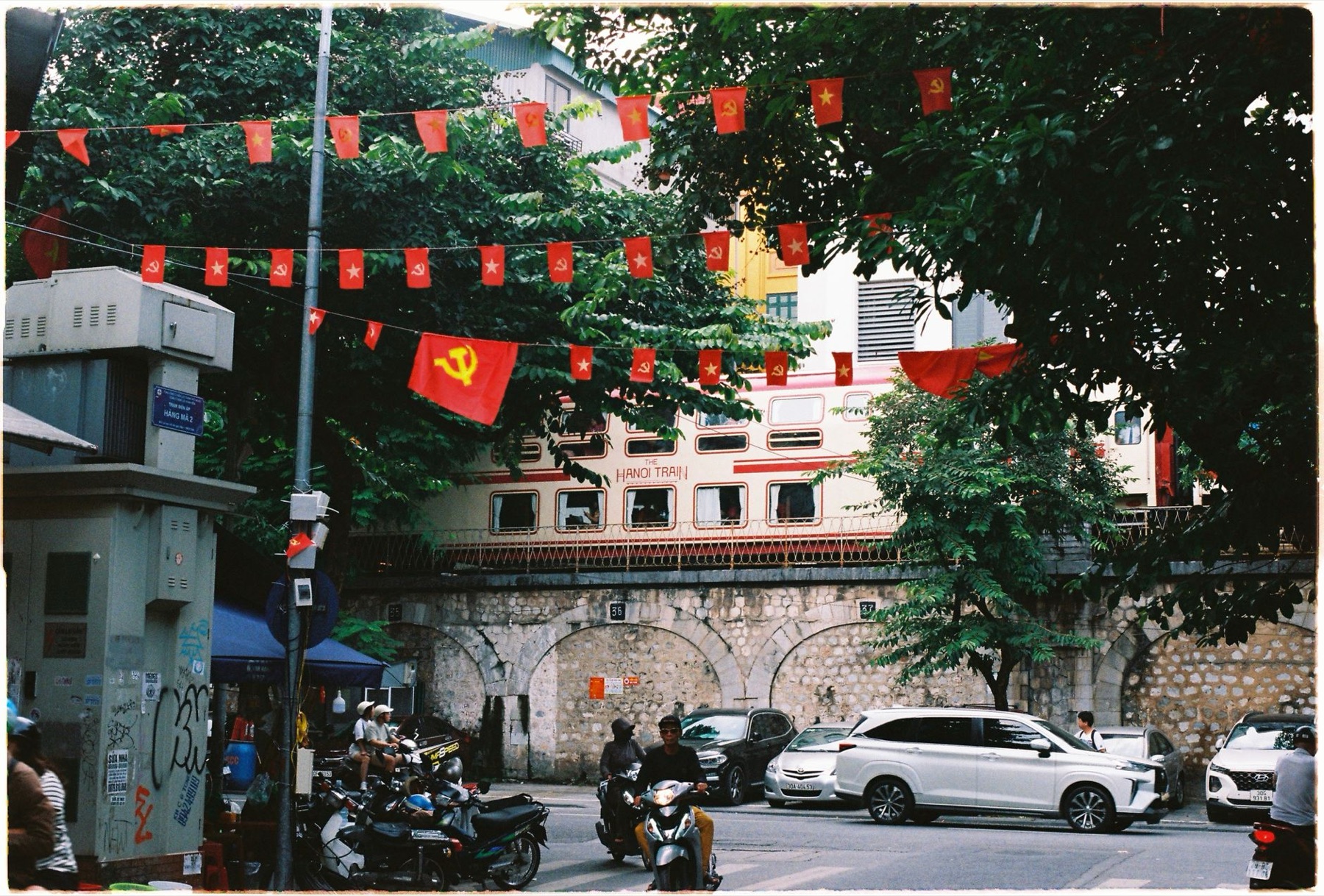
What's genuinely worth the trip versus tourist overrated?
Worth it:
- Pho carts in Ba Đình at 06:00–10:00. Real, cheap, locals-only vibe.
- Grilled seafood near the Red River in outer zones (Thanh Xuân, Hoài Đức).
- University area canteens (Thanh Xuân, Cầu Giấy) for lunch. No English menus; point at others' plates.
- Bún chả restaurants in Ba Đình (look for outdoor plastic stools, charcoal smell, local crowds).
Overrated:
- Egg coffee in the Old Quarter (first time: photogenic; repeat: gimmick pricing).
- "Authentic Hanoi street food tours" at 60–90 USD. Guides take markup cuts; prices triple. Go solo, use Google Maps + translation app.
- High-end fusion spots near Hoan Kiem Lake (Instagram-heavy, mediocre food, 500,000+ VND / $20+).
- "Famous pho shops" with English signs and queues outside. Queues exist because tourists queue; locals know quieter versions two blocks over.
🎟️ Compare tours & tickets for this place
What to check before you order or book
Before entering:
- Ask a local or hotel staff which dishes are good today, not a guidebook recommendation.
- Check if the kitchen is visible. Opaque kitchens signal low quality.
- Look at other diners' plates. If they're being ignored, walk.
When seated:
- Ask about today's specials (hôm nay có gì tươi?—what's fresh today?).
- Confirm prices before ordering; point to menu, ask "Bao nhiêu tiền?" (How much?). Some stalls use hand signals or verbal quotes that don't match bills.
- Request no MSG if you're sensitive (không có mì chính), though many won't honour it.
Red flags:
- Heavy, salty broth with no aroma = old stock.
- Meat smelling of ammonia or garlic-heavy masks = not fresh.
- Greasy surfaces, wet floors in non-rainy weather = poor drainage and hygiene.
- Pressure to order extras or drinks you didn't ask for; politely refuse.
- Prices written in English first, Vietnamese second (often inflated for tourists).
Visa and connectivity: Book a Vietnam e-visa before travel. Use eSIM for Vietnam to call or message restaurant phone numbers without roaming fees.
When should you eat out in Hanoi, and what else is nearby?
Extend your Hanoi trip with our full Hanoi guide covering temples, museums, lakes, and day trips. After eating in Ba Đình, walk to Trúc Bạch Lake (10 minutes). Post-lunch coffee, visit Hoan Kiem Lake in the Old Quarter (5 minutes by foot).
Longer trips: Combine Hanoi with Ninh Binh (2 hours south, limestone scenery, boat tours) or Ha Long Bay (3.5 hours east, UNESCO site). Or Sapa (5 hours northwest, mountain town, hiking, minority markets).
Still in the capital? Book an ao dai photoshoot in Hanoi at Cáo Studio—photographs you in traditional dress across Old Quarter and lakeside backdrops. Hair, makeup, and styling included. Then order a celebration meal.
Or send a flower delivery in Hanoi via Hoa Lang Thang to your hotel after a special dinner.
---
FAQ
Is it safe to eat street food in Hanoi?
Yes. Busy carts with fast turnover = fresh ingredients. Avoid quiet stalls with rotting vegetables or slow customers. Choose places where you watch them cook. Use common sense: if locals eat there at lunch, it's vetted. Avoid raw vegetables at cheap stalls; cooked items are safer if the cart has been running all morning.
How much should I budget per day for food in Hanoi?
$6–$15 per day if you eat street level 3 meals. $15–$30 if you mix street food with one sit-down restaurant daily. $40+ if you eat mid-range every meal. Budget-conscious travellers spend $5–$8; couples on dates: $20–$40 shared per evening.
What's the best time of year to eat in Hanoi?
October–November and March–April. Cooler temps mean pho stalls run longer without wilting ingredients. Summer (May–August) brings humidity and food spoils faster; avoid seafood then. Winter (December–February) is clear but cold; broth-based dishes shine. Avoid Lunar New Year (late Jan–early Feb); restaurants close 3–7 days, or raise prices 30–50%.
Do I need to speak Vietnamese to order?
No. Use Google Translate's camera feature to photograph menus. Point at other diners' plates. Learn 3–5 key words: phở, bún, cơm, nước, tiền (pho, noodles, rice, drink, money). Smile, be patient. English speakers cluster in tourist zones; outer areas require nonverbal ordering.
Should I book through apps like Grab Food or go in person?
Go in person for quality control. Delivery apps take 25–40% commission; restaurants cut corners or use older stock. Prices on apps are higher. Sit-down dining tastes fresher and costs less. Exception: late-night cravings or hotel exhaustion; then Grab Food is acceptable.
FAQ
Is it safe to eat street food in Hanoi?
Yes. Busy carts with fast turnover = fresh ingredients. Avoid quiet stalls with rotting vegetables or slow customers. Choose places where you watch them cook. Use common sense: if locals eat there at lunch, it's vetted. Avoid raw vegetables at cheap stalls; cooked items are safer if the cart has been running all morning.
How much should I budget per day for food in Hanoi?
$6–$15 per day if you eat street level 3 meals. $15–$30 if you mix street food with one sit-down restaurant daily. $40+ if you eat mid-range every meal. Budget-conscious travellers spend $5–$8; couples on dates: $20–$40 shared per evening.
What's the best time of year to eat in Hanoi?
October–November and March–April. Cooler temps mean pho stalls run longer without wilting ingredients. Summer (May–August) brings humidity and food spoils faster; avoid seafood then. Winter (December–February) is clear but cold; broth-based dishes shine. Avoid Lunar New Year (late Jan–early Feb); restaurants close 3–7 days, or raise prices 30–50%.
Do I need to speak Vietnamese to order?
No. Use Google Translate's camera feature to photograph menus. Point at other diners' plates. Learn 3–5 key words: *phở, bún, cơm, nước, tiền* (pho, noodles, rice, drink, money). Smile, be patient. English speakers cluster in tourist zones; outer areas require nonverbal ordering.
Should I book through apps like Grab Food or go in person?
Go in person for quality control. Delivery apps take 25–40% commission; restaurants cut corners or use older stock. Prices on apps are higher. Sit-down dining tastes fresher and costs less. Exception: late-night cravings or hotel exhaustion; then Grab Food is acceptable.
More: Hanoi guide · What to eat in Hanoi