Hanoi · Food
Restaurants Hanoi: Find Your Meal by Neighborhood & Budget
By Wander in Vietnam editorial team · Hanoi, Vietnam
Hanoi's restaurant culture isn't one market—it's dozens. Every district has its own price point, vibe, and peak hours. We've sat in plastic stools at 5 a.m. phở counters and booked tables weeks ahead for chef-driven tasting menus. Here's how to navigate it without wasting time or money.
What's the actual price range for meals in Hanoi?
A proper breakfast phở or bún chả runs around $1.50–$2.50 USD at casual stalls in Hoàn Kiếm or Ba Đình districts. Mid-range sit-down restaurants (spring rolls, grilled fish, rice) cost $4–$8 USD per person. Upscale Vietnamese, fusion, or foreign-run spots charge $12–$30 USD per entrée. A street bánh mì sandwich is $0.80–$1.50 USD. Coffee at a local cà phê ranges from $0.50–$1.50 USD; at a café-bar on Ly Thai To or in Tay Ho, expect $2–$4 USD.
Meal type | Typical cost (USD) | Typical cost (VND) | Where to find it ---|---|---|--- Street phở or bún chả | $1.50–$2.50 | 38k–60k | Old Quarter, Ba Đình, Hai Ba Trung Casual sit-down restaurant | $4–$8 | 95k–190k | Side streets in districts 1, 2, 3 Rooftop/lakeside Vietnamese | $10–$18 | 240k–430k | Tay Ho, Ly Thai To, Yen Phu Western brunch or fusion | $8–$15 | 190k–360k | Tay Ho, Old Quarter, Truc Bach Fine dining (tasting menus) | $25–$50 | 600k–1.2m | Ba Dinh, Hoan Kiem (limited)
Street stalls are fastest, cheapest, and safest if you watch the cook. Sit-down restaurants often take longer; peak lunch (11:30–13:00) and dinner (18:00–20:00) mean queues. Tourist-heavy spots charge 2–3× more for the same dish.
Which Hanoi neighborhoods have the best value for each food type?
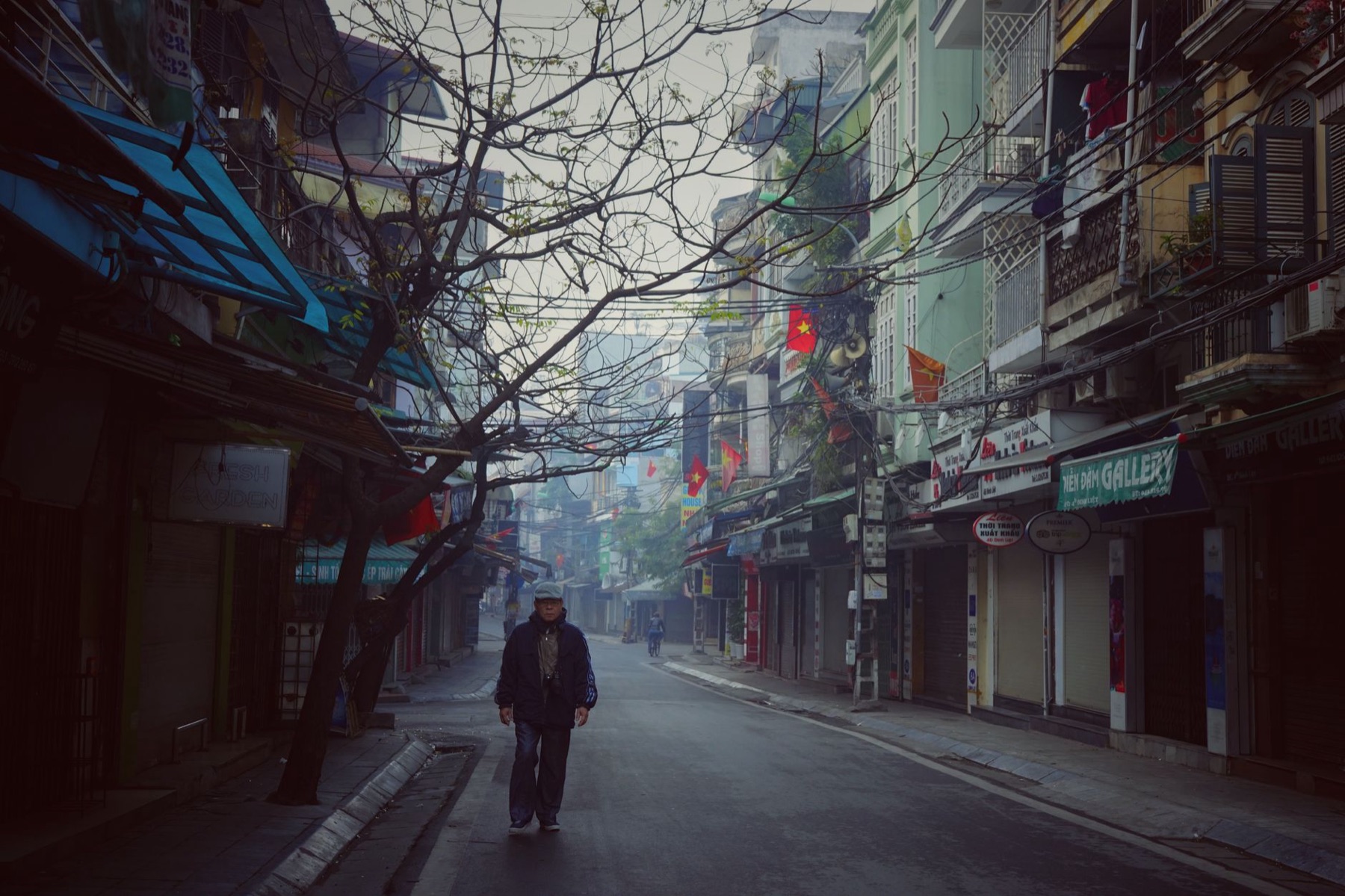
Old Quarter (Hoàn Kiếm district): Phở, bánh mì, egg coffee, and bún chả. Narrow alleys mean crowded stalls; eat shoulder-to-shoulder on plastic stools. Prices around $1–$3 USD. Watch for tourist-targeted corners (Hang Dao, Hang Buom) charging double; stick to side alleys like Hang Gai. Peak hours 7–9 a.m. and 11 a.m.–1 p.m.
Ba Đình district: Government workers' favorite. Quieter than Old Quarter, more seating. Phở, bánh mì, grilled meat (nướng) stalls around $2–$4 USD. Try lanes near Quán Sứ or Hàng Thùng. Less touristy; real pricing.
Tay Ho (West Lake): Upscale cafés, Western brunch, lakeside Vietnamese. $6–$15 USD per person. Expect boutique coffee, pastries, fresh spring rolls. Yen Phu Road has street stalls alongside restaurants. Go for sunset; reservations suggested on weekends.
Hai Ba Trung district: Budget pho, bánh mì, and local lunch spots. $1.50–$3 USD. Quieter; locals eat here, not tourists. A steady neighborhood choice.
Thanh Xuan district (university area): Student-priced food. Bánh mì, phở, cơm tấm (broken-rice bowls) $1–$2 USD. Casual, busy, no-frills.
🗺️ Plan your route: Vietnam itinerary
What scams or mistakes should I watch for when eating out?
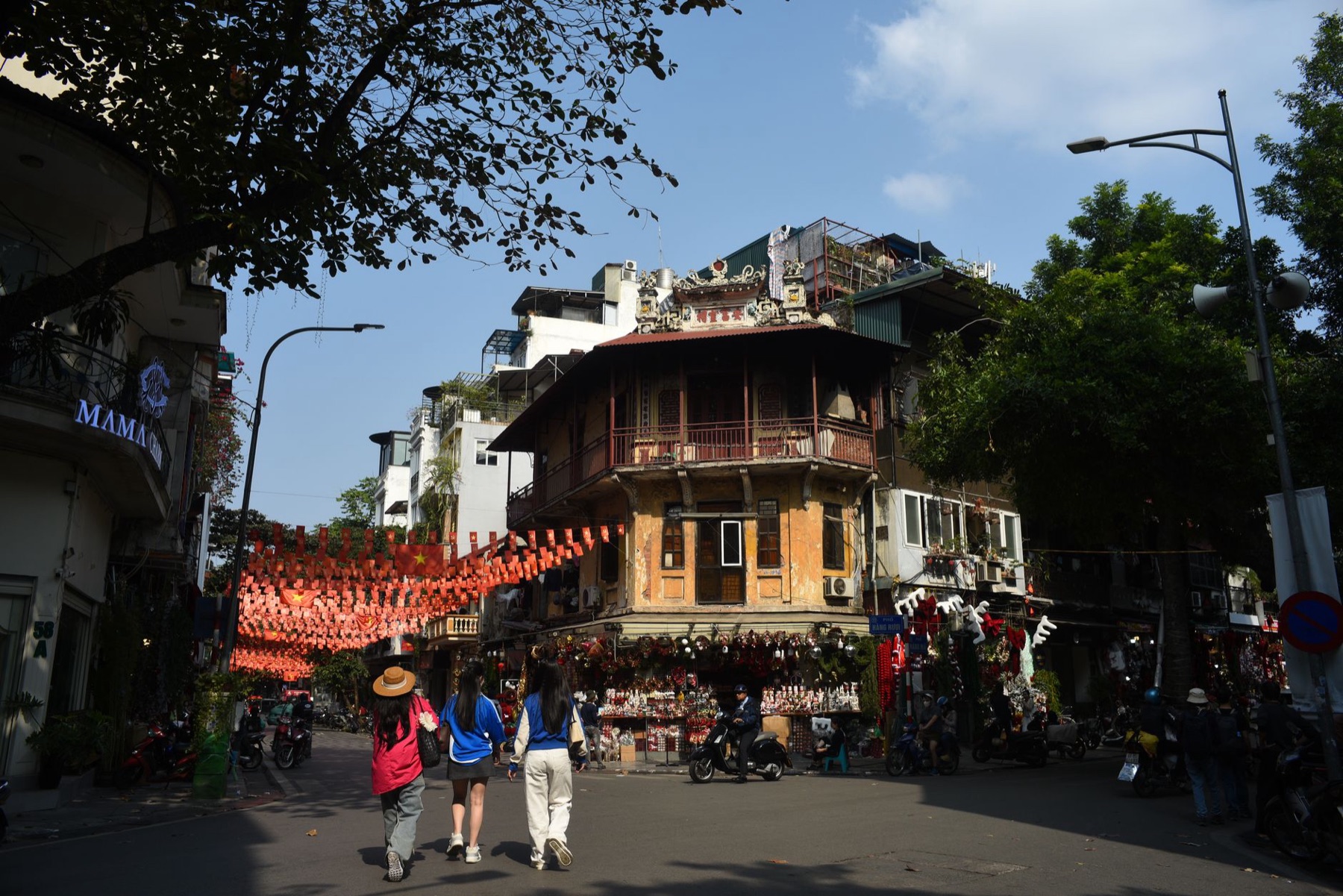
Tourist-area price inflation: Old Quarter restaurants on main corners (Hang Dao, Hang Buom, Ta Hien Street) list prices in USD or mark them up 50–100%. Eat on side alleys or in less visible lanes; prices drop immediately.
"Fresh" seafood markup: Lakeside or riverside "grilled fish" restaurants may charge by weight at the end. Ask the price per kg up front, watch the weighing, or order a set menu instead.
Added charges for condiments: Some mid-range spots charge for extra fish sauce, lime, or chili. Ask what's included before ordering.
Unregistered taxis to restaurants: Use Grab (ride-hailing app) instead. If taking a cab, agree on a price first or use the meter.
Street stall hygiene: Cook-to-bowl (visible cooking) is safest. If meat or broth sits uncovered, skip it. Early morning (6–8 a.m.) stalls rotate fresh stock; midday stalls may reuse broth.
Drink pricing in tourist bars: Rooftop cocktail bars on Ly Thai To or around Hoan Kiem Lake charge $8–$12 USD per drink—sometimes $15 USD for premium spirits. Domestic beer (Bia Hanoi) is $1–$2 USD at street stalls, $3–$5 USD in restaurants.
Reservations uncertainty: Most local spots don't take bookings; eat early or expect a wait. Upscale places need advance notice, especially weekends.
How do I know if a restaurant is genuinely good or just popular with tourists?
Check who's eating there. Locals come midday or early evening (11–13:00, 17:00–18:30). If tourists outnumber locals at dinner, it's probably overpriced. Vietnamese families eating at 6 p.m. is a green flag.
Watch the menu language. One menu in Vietnamese, one in English or multiple languages: tourist-focused. Pricing often differs between them. Ask for the Vietnamese menu and observe prices.
Read the kitchen setup. Open, visible cooking (phở, bánh mì, grilled meat) means fresher food and less room to hide corners cut. Enclosed kitchens in casual spots may signal prep shortcuts.
Price logic: If bánh mì costs $3 USD when the stall next door charges $1 USD for the same thing, location premium or inflated tourism pricing applies. Both can be good, but know the gap.
Reviews from locals: Ask your hotel staff or ask on Reddit's r/Hanoi or Facebook Hanoi expat groups what they actually eat. Tourist review sites often highlight novelty or Instagrammability, not taste.
Peak-hour absence: Busy lunch spots at noon, empty at dinner, mean they rely on speed, not quality. Good restaurants hold steady traffic.
📸 Book an ao dai photoshoot in Hanoi or Saigon (Cáo Studio)
Which restaurant types are most worth trying in Hanoi specifically?
Phở (beef or chicken noodle soup): The definition of Hanoi breakfast. $1.50–$2.50 USD. Go at 6–8 a.m. to a stall with a line; broth quality peaks early. Phở Hà Nội (red bowl) and Phở Hà Tây (clear) are regional styles worth trying. Hoan Kiem and Ba Dinh districts have reliable spots.
Bún chả (grilled pork with noodles, broth): Lunch classic. $2–$3.50 USD. Eaten at plastic stalls, often family-run for 20+ years. Hoàn Kiếm district, especially alleys near Nhà Thờ (St. Joseph Cathedral), holds the originals.
Cơm tấm (broken-rice bowls): Fast lunch. $2–$4 USD with grilled fish, pork, or meatballs. Usually noon–2 p.m. Hai Ba Trung and Thanh Xuan districts.
Bánh mì (Vietnamese sandwich): $0.80–$1.50 USD. Cheap street food, best eaten immediately. Old Quarter has chains; side-street stalls are fresher. Watch the cook; avoid stalls where meat sits uncovered.
Egg coffee (cà phê trứng): Hanoi-specific dessert. $1.50–$2 USD. A whipped egg foam-topped coffee. Giang family (Hang Gai Street area) popularized it; many stalls now sell it. Morning or afternoon; not actually a meal but quintessentially Hanoi.
Cha cá (turmeric fish): A dish made only in Hanoi, now harder to find authentically. $6–$10 USD per bowl. Requires advance notice at traditional spots. Modern restaurants serve faster versions.
Grilled meat (nướng): Pork, beef, or fish on charcoal. $4–$8 USD. Evening stalls (17:00–22:00) on alleys. Ba Dinh or Hai Ba Trung districts. Social, casual, order by weight.
Modern Vietnamese fusion: $12–$20 USD. Tay Ho and Ly Thai To neighborhoods. Chefs remix traditional dishes with international techniques. Better for dinner than lunch.
Before you book or walk in—what should you verify?
1. Opening hours: Most street stalls open 6–9 a.m. (breakfast), close 10–11 a.m., reopen 11 a.m.–2 p.m. (lunch), close 3–5 p.m., reopen 5–10 p.m. (dinner). Few stay open all day. Check locally or ask your accommodation.
2. Menu languages: Ask to see the Vietnamese menu and local price. Compare. If a second menu exists, ask why prices differ.
3. Payment method: Many small stalls are cash-only (VND). Larger places accept Momo (Vietnamese payment app) or cards, but assume cash. ATMs are widespread (Standard Chartered, Techcombank, BIDV); Grab and Momo work on your phone.
4. Seating: Do you need a reservation? Most don't, but rooftop restaurants, fusion spots, and upscale places should be booked 2–7 days ahead, especially weekends.
5. Hygiene red flags: No visible running water, cook not washing hands between customers, meat left uncovered for hours, flies. Walk away.
6. Portion size: Street stall bánh mì is one sandwich (fills one person). Sit-down restaurant spring rolls are 4–6 per order. Ask before ordering if unsure.
7. Spice level: Hanoi food is less fiery than Southern Vietnam, but ask "Cay không?" (Spicy?) and clarify your tolerance. They can adjust.
🎟️ Compare tours & tickets for this place
---
If you're new to Hanoi, start in Hanoi's food guide for deeper neighborhood walks. Planning a whole Vietnam trip? Use our Vietnam itinerary planner to balance eating time across Ho Chi Minh City, Hoi An, Ha Long Bay, and Sapa. Grab a Vietnam eSIM for instant data to use Grab, maps, and Momo payments.
Traveling solo or as a couple? A Vietnam e-visa takes 3–5 days online. If you're staying a few days in Hanoi and want a keepsake, consider a personalized photo gift of your favorite meal or a custom wall art piece of a neighborhood map. Hoa Lang Thang also offers flower delivery in Hanoi if you're celebrating a meal with someone special—same-day options available.
FAQ
Is it safe to eat at street stalls in Hanoi?
Yes, if you watch the cook and the stall is busy (high turnover). Visible cooking (phở, bánh mì, grilled meat) is safer than pre-prepared food sitting uncovered. Eat at popular stalls during peak lunch (11:30–13:00) or breakfast (7–9 a.m.) when ingredients are freshest. Avoid if you have a weak stomach; build tolerance over a few days.
How much should I budget daily for food in Hanoi as a visitor?
$10–$20 USD per day if eating street stalls and casual sit-down restaurants (phở $2, lunch $5, dinner $5–$8, coffee $1). $30–$50 USD if mixing in rooftop bars, Western brunch, or upscale Vietnamese. Budget an extra $10–$15 USD per person for a fine-dining experience once during your stay.
Do restaurants in Hanoi take credit cards or only cash?
Street stalls and small eateries are cash-only (VND). Sit-down restaurants and rooftop bars accept cards and Momo (Vietnamese payment app). Download Momo or Grab for easy transfers; ATMs are plentiful (BIDV, Techcombank, Standard Chartered). Carry 500k–1m VND (~$20–$40 USD) in small notes for street vendors who don't have change.
What's the best time of day to eat in Hanoi to avoid queues and crowds?
Breakfast (6–8 a.m.) is fastest; phở stalls are uncrowded early. Lunch (11:30–13:30) is peak and crowded. Late lunch (13:30–15:00) is calmer. Dinner (17:00–18:30) is busy; after 20:00 many stalls close. For rooftop bars, 17:00–18:30 (sunset) is packed; go at 19:00–20:00 for shorter waits. Street stalls operate on tight schedules; miss their window and they're gone.
Are there vegetarian or vegan options readily available in Hanoi?
Yes, especially on Buddhist days (lunar calendar). Many phở and noodle stalls offer vegetable versions. Say "Tôi ăn chay" (I eat vegetarian) or point to vegetable options on the menu. Tofu, mushroom, and bean dishes are common. Upscale restaurants offer clear vegetarian menus. Casual stalls may cook vegetarian and meat in the same pot; clarify if cross-contamination matters to you. Central Hanoi has dedicated vegetarian restaurants, especially near temples.
How do I find a good bánh mì or phở stall if I'm wandering without a guide?
Look for a line of locals (Vietnamese diners, not tourists) at 6–8 a.m. or 11:30–13:00. Follow the queue. Avoid stalls on main tourist streets (Ta Hien, Hang Dao); eat on side alleys (Hang Gai, Hang Buom alleys, lanes near Ba Đình Park). Ask your hotel or Grab driver for the nearest "quán phở tốt" (good phở stall). Ask Reddit Hanoi groups for current neighborhood favorites—stalls change owners or close regularly.
FAQ
Is it safe to eat at street stalls in Hanoi?
Yes, if you watch the cook and the stall is busy (high turnover). Visible cooking (phở, bánh mì, grilled meat) is safer than pre-prepared food sitting uncovered. Eat at popular stalls during peak lunch (11:30–13:00) or breakfast (7–9 a.m.) when ingredients are freshest. Avoid if you have a weak stomach; build tolerance over a few days.
How much should I budget daily for food in Hanoi as a visitor?
$10–$20 USD per day if eating street stalls and casual sit-down restaurants (phở $2, lunch $5, dinner $5–$8, coffee $1). $30–$50 USD if mixing in rooftop bars, Western brunch, or upscale Vietnamese. Budget an extra $10–$15 USD per person for a fine-dining experience once during your stay.
Do restaurants in Hanoi take credit cards or only cash?
Street stalls and small eateries are cash-only (VND). Sit-down restaurants and rooftop bars accept cards and Momo (Vietnamese payment app). Download Momo or Grab for easy transfers; ATMs are plentiful (BIDV, Techcombank, Standard Chartered). Carry 500k–1m VND (~$20–$40 USD) in small notes for street vendors who don't have change.
What's the best time of day to eat in Hanoi to avoid queues and crowds?
Breakfast (6–8 a.m.) is fastest; phở stalls are uncrowded early. Lunch (11:30–13:30) is peak and crowded. Late lunch (13:30–15:00) is calmer. Dinner (17:00–18:30) is busy; after 20:00 many stalls close. For rooftop bars, 17:00–18:30 (sunset) is packed; go at 19:00–20:00 for shorter waits. Street stalls operate on tight schedules; miss their window and they're gone.
Are there vegetarian or vegan options readily available in Hanoi?
Yes, especially on Buddhist days (lunar calendar). Many phở and noodle stalls offer vegetable versions. Say "Tôi ăn chay" (I eat vegetarian) or point to vegetable options on the menu. Tofu, mushroom, and bean dishes are common. Upscale restaurants offer clear vegetarian menus. Casual stalls may cook vegetarian and meat in the same pot; clarify if cross-contamination matters to you. Central Hanoi has dedicated vegetarian restaurants, especially near temples.
How do I find a good bánh mì or phở stall if I'm wandering without a guide?
Look for a line of locals (Vietnamese diners, not tourists) at 6–8 a.m. or 11:30–13:00. Follow the queue. Avoid stalls on main tourist streets (Ta Hien, Hang Dao); eat on side alleys (Hang Gai, Hang Buom alleys, lanes near Ba Đình Park). Ask your hotel or Grab driver for the nearest "quán phở tốt" (good phở stall). Ask Reddit Hanoi groups for current neighborhood favorites—stalls change owners or close regularly.
More: Hanoi guide · What to eat in Hanoi