Hanoi · Food
Restaurants in Hanoi: A Real Diner's Guide to Costs & Choices 2026
By Wander in Vietnam editorial team · Hanoi, Vietnam
Hanoi's restaurant landscape rewards locals' knowledge and punishes tourist assumptions. We've eaten across the city—from morning cơm tấm vendors to Michelin-tracked kitchens—and learned exactly which tables deliver honest value and which trade on location hype. This guide strips marketing myth and gives you real prices, real hours, real trade-offs.
What does "affordable" actually mean in Hanoi restaurants?
A bowl of phở at a street stall (no sign, plastic stools) runs 30,000–50,000 VND ($1.20–$2). A proper restaurant phở—clean seating, broth simmered on-site—costs 50,000–80,000 VND ($2–$3.20). Mid-range spots (wood tables, printed menus, air-con) charge 100,000–250,000 VND ($4–$10) per dish. Fine-dining tables start $15 and climb. The jump from stall to restaurant is texture and consistency, not flavor; taste often runs opposite to price.
Where should you eat by neighborhood—and why it matters?
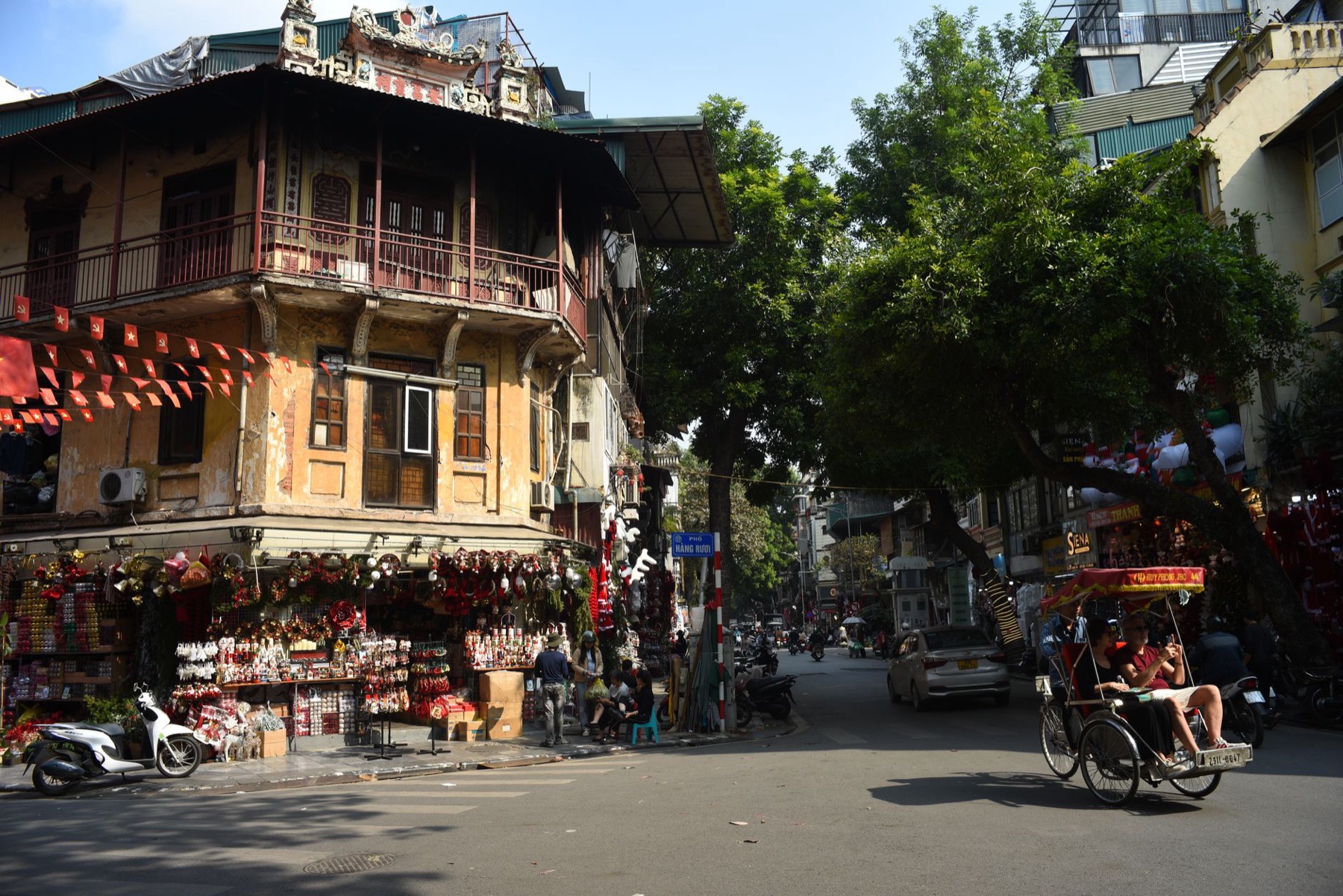
Old Quarter (Hoan Kiem District): Tourist-heavy, marked-up prices, but reliable hygiene. Expect 80,000–150,000 VND ($3.20–$6) for phở, $5–$12 for Western fusion. Come before 11:30 AM or after 2 PM to avoid queues.
Ba Dinh District: Where Hanoians lunch. Local com tam (broken-rice) shops, bánh mì stands, and unfussy noodle houses. 40,000–100,000 VND ($1.60–$4). English menus rare; order by pointing.
Tay Ho (West Lake): Sunset views, higher prices ($8–$20 mains), younger crowd, 7–11 PM peak. Good for dates, not bargain hunting.
Thanh Xuan District: Emerging food hub. Startup cafes, experimental pho, craft beer. $4–$15 mains. Twenty-somethings' turf.
Dong Da District: Student neighborhood. Cheap pho, bánh chưng (sticky rice cake), zero ambiance, maximum flavor. 30,000–60,000 VND ($1.20–$2.40).
| Neighborhood | Meal Cost (VND) | Meal Cost (USD) | Best For | Crowd |
|---|---|---|---|---|
| Old Quarter | 80,000–150,000 | $3.20–$6 | First-timers, Instagram | Mixed tourists + locals |
| Ba Dinh | 40,000–100,000 | $1.60–$4 | Budget, authentic | Office workers, students |
| Tay Ho | 250,000–500,000 | $10–$20 | Drinks, dates, views | Young professionals |
| Thanh Xuan | 100,000–300,000 | $4–$12 | Trendy dining | Students, twentysomethings |
| Dong Da | 30,000–80,000 | $1.20–$3.20 | Rock-bottom tasty | Students, locals |
Which cuisines are cheap vs. overpriced in Hanoi right now?
Cheap & Good: Phở, bún chả (grilled pork with noodles), bánh mì, cơm tấm, bánh chưng, Hanoian egg coffee. 30,000–80,000 VND ($1.20–$3.20). Street and humble stalls nail these; no markup for ambiance.
Mid-Range Value: Crab dishes (cua cà chua—tomato crab), shrimp cakes, grilled fish. 120,000–250,000 VND ($5–$10) in restaurants. Worth sitting down.
Overpriced: Pricey "traditional" phở in Old Quarter (paying $6 for a $1.50 bowl). Western breakfasts (avocado toast, açai). "Fusion" phở (bacon phở, truffle phở)—gimmick markup. Avoid.
What to Watch: Restaurants near Hoan Kiem Lake and Hanoi Old Quarter double prices for location. Alcohol markup is 200–300%. Vegetarian dishes—ask first; meat broth is standard.
We skip overrated tourist traps in favor of unmarked alleyway shops where the owner cooks the same recipe as their parent did. A 45,000 VND phở bowl here beats a 150,000 VND "artisanal" version every time.
How do opening hours, reservations, and ordering work?
Most Hanoi restaurants open 7–10 AM (breakfast), 11 AM–2 PM (lunch), 5–11 PM (dinner). Many close 2–5 PM. Street stalls vanish by 9 PM. Check Google Maps hours (often updated by locals) or call ahead (most staff speak minimal English; ask a hotel concierge to help).
Peak times: Noon–1:30 PM, 6–8 PM. Arrive early to grab a table. Mid-range and fine-dining spots take phone reservations (popular restaurants 1–2 days ahead). Wander in Vietnam suggests booking if you're a group of 4+ or dining Friday–Sunday.
Ordering: Print menus + pictures (Google Translate on phone works). Point. Smile. No tipping is expected (10% is kind but rare). Cash (VND) and e-wallets (Momo, ZaloPay) are accepted; cards at restaurants only. Never assume credit cards work.
Payment traps: No hidden service charges in casual spots; upmarket places add 5% service fee. Alcohol is cheap (local beer 20,000–40,000 VND / $0.80–$1.60 per can); wine and cocktails jump to $8–$20. Ask price before ordering wine.
What are the real risks and how do you avoid them?
Hygiene at street stalls: Look for high turnover (busy = fresh). Avoid raw greens if you're new to Vietnam. Cooked food is safer than salads at unmarked stalls. Stomach trouble is rare if you're cautious and hydrated.
Tourist menus, tourist prices: Restaurants with color photos, English text, and prime-view seating mark up 50–200%. Eat where locals eat (no English menu, plastic stools, long queues at lunch). Same phở, a quarter of the price.
Hidden charges: Confirm portion size and price before ordering (especially seafood). Drinks are often à la carte, not free water. Some upmarket spots charge for bread or dipping sauce; ask.
Language barriers: Download Google Translate's camera feature. Snap the menu, translate in real-time. Point and nod.
Alcohol upsell: A beer is cheap; wine is not. Buy from 7-Elevens if budget-conscious. Cocktails at tourist bars ($8–$15) vs. local bia hoi (beer gardens, $1 per glass). Know where you're going.
Reservation no-shows: Call back 2 hours before to reconfirm. Popular spots overbook; arrive 10 minutes early to secure your slot.
We've been stuck with a dry fish or an overcooked pancake exactly once. The owner replaced it without fuss. Assume good faith; most are proud of their craft.
🗺️ Explore more Hanoi food spots on our food guide
How do you pick between a stall, a restaurant, and a nice dinner out?
Use this decision tree:
- Budget $1–$3, no frills? Street vendor. Old Quarter alley or Ba Dinh residential blocks. Phở, bánh mì, cơm tấm. 20 minutes, cash only.
- Budget $4–$10, sit down, no reservations? Local restaurant (2–3 tables, no English sign). Ba Dinh, Dong Da. Crab, fish, noodles. Ask a tuk-tuk driver to point you.
- Budget $10–$20, English menu, atmosphere, group of 4+? Mid-range restaurant (tiled floors, AC, phone booking). Thanh Xuan, Tay Ho. Reserve 1–2 days ahead.
- Budget $20+, fine dining, special occasion? Upscale restaurant (Tay Ho or Old Quarter waterfront). Book 3–5 days ahead. Expect 1.5–2 hour meal, wine pairings, English service.
What to Check Before You Order:
- Is the kitchen visible or sealed off? Transparent = higher confidence.
- Do locals eat there at lunchtime? Yes = good sign.
- Does the menu have pictures? No = probably authentic. Yes = could be tourist-angled (not bad, just pricier).
- Ask the price of one dish out loud and listen to the answer (no surprise totals).
- Check your phone bill before sitting—some establishments overcharge on wifi-linked payment apps.
📸 Celebrate your meal with an ao dai photoshoot (Cáo Studio)
Which dishes absolutely warrant a detour?
Bún chả (Dong Da / Ba Dinh): Grilled pork, fresh noodles, dipping broth. 60,000–90,000 VND ($2.40–$3.60). Go to an unmarked shop with outdoor grills. Pricier restaurants don't improve the dish.
Cua cà chua (crab tomato stew): High-end but worth one splurge. Order at a fine-dining spot ($12–$18) or buy live crab at a market and hire a cook (ask your hotel). The broth is what you're paying for.
Phở Hanoi style: Thin rice noodles, clear broth, minimal herb. Not pho Ho Chi Minh (heavy bone broth). 40,000–60,000 VND ($1.60–$2.40) from a dawn-opening stall in Old Quarter.
Bánh chưng (sticky rice cake): Sold at Tet; otherwise year-round. 15,000–25,000 VND ($0.60–$1). Street vendor near Hoan Kiem or Dong Da.
Egg coffee: A Hanoi invention (whipped egg yolk, sweetened milk, dark coffee). 40,000–60,000 VND ($1.60–$2.40). Seek out a coffee shop in Ba Dinh or Old Quarter advertising it by name.
Cơm tấm: Broken-rice plate with fried egg, meat, dipping sauce. 50,000–80,000 VND ($2–$3.20). Midday only at Ba Dinh stalls.
Shrimp cakes (bánh tôm): Deep-fried sweet potato + shrimp. 40,000–70,000 VND ($1.60–$2.80). Street vendor near markets or Thanh Xuan.
One plate of hot bún chả outdoes three "premium" bowls of tourist phở. Invest your money where locals do.
🎟️ Compare tours & tickets for Hanoi restaurants
Planning a Multi-City Food Route? Start Here.
If you're building a broader Vietnam itinerary, Hanoi is act one. Plan your full route to include Ho Chi Minh City (southern dishes, pho layers), Hoi An (cao lau noodles, banh mi fusion), Ninh Binh (river crab, fresh herbs), and Sapa (highland greens, ethnic cuisine). Each region cooks its signature phở or rice differently.
For seamless travel, grab a Vietnam eSIM (data for Google Translate on the go) and confirm your e-visa before booking domestic flights.
---
FAQ
Is it safe to eat at street stalls in Hanoi?
Yes, if there's high turnover and the vendor looks clean. Avoid raw salads if you're new to Vietnam; cooked food is safer. Stomach trouble is rare with hydration. Stick to busy morning hours when food is freshest. Ask a local or your hotel concierge for their favorite stall.
How much should I budget per meal?
Street phở: 30,000–50,000 VND ($1.20–$2). Local restaurant: 100,000–200,000 VND ($4–$8). Mid-range with ambiance: 200,000–400,000 VND ($8–$16). Fine dining: $20–$40+. Three meals a day can cost $5–$50 depending on your choices.
What's the biggest restaurant scam in Hanoi?
Tourist-area menus with inflated prices (phở for $6 instead of $2). Unmarked alcohol charges at upscale bars (confirm drink price before ordering). Always ask or point to confirm the price in VND before eating.
Do I need to make reservations?
No for stalls and casual restaurants. Yes for groups of 4+, Friday–Sunday, or fine-dining. Call 1–2 days ahead. Popular spots overbook; arrive 10 minutes early. Most take phone reservations despite language barriers; ask your hotel to call.
What's the difference between Old Quarter and Ba Dinh restaurants?
Old Quarter prices are 50–100% higher due to tourism but offer consistent quality and English menus. Ba Dinh serves locals at half the price with identical or better dishes; expect plastic seating and minimal English. Both are safe; Ba Dinh rewards adventurousness with better value.
FAQ
Is it safe to eat at street stalls in Hanoi?
Yes, if there's high turnover and the vendor looks clean. Avoid raw salads if you're new to Vietnam; cooked food is safer. Stomach trouble is rare with hydration. Stick to busy morning hours when food is freshest. Ask a local or your hotel concierge for their favorite stall.
How much should I budget per meal?
Street phở: 30,000–50,000 VND ($1.20–$2). Local restaurant: 100,000–200,000 VND ($4–$8). Mid-range with ambiance: 200,000–400,000 VND ($8–$16). Fine dining: $20–$40+. Three meals a day can cost $5–$50 depending on your choices.
What's the biggest restaurant scam in Hanoi?
Tourist-area menus with inflated prices (phở for $6 instead of $2). Unmarked alcohol charges at upscale bars (confirm drink price before ordering). Always ask or point to confirm the price in VND before eating.
Do I need to make reservations?
No for stalls and casual restaurants. Yes for groups of 4+, Friday–Sunday, or fine-dining. Call 1–2 days ahead. Popular spots overbook; arrive 10 minutes early. Most take phone reservations despite language barriers; ask your hotel to call.
What's the difference between Old Quarter and Ba Dinh restaurants?
Old Quarter prices are 50–100% higher due to tourism but offer consistent quality and English menus. Ba Dinh serves locals at half the price with identical or better dishes; expect plastic seating and minimal English. Both are safe; Ba Dinh rewards adventurousness with better value.
More: Hanoi guide · What to eat in Hanoi