Hanoi · Food
Restaurants in Hanoi Vietnam: Where to Eat & What Costs
By Wander in Vietnam editorial team · Hanoi, Vietnam
Hanoi's restaurant landscape confuses first-time visitors because price and quality don't follow Western logic. A $1.50 USD bowl of pho can be better than a $12 USD tourist version. The same street corner might serve breakfast at 06:00–09:00, lunch 11:00–14:00, then close until dinner at 17:30. Knowing where you are and when matters more than booking in advance.
We've tested hundreds of meals across districts. This guide tells you what type of restaurant exists where, what to expect to pay, and what actually separates the mediocre from the memorable.
Why does the same dish cost $1 in one lane and $8 in another?
Overhead. Tourist-facing streets in the Old Quarter (Hang Dau, Ta Hien) pay 10–15× more rent than residential lanes in Hang Gai or Cau Go. That $8 pho includes air conditioning, English menus, and US credit-card fees. The $1 bowl in Lane 30, Hang Dau has plastic stools, no signage, and cash only—but often better stock and technique. Locals know this; visitors don't. Both are legitimate, but they're different products for different needs.
When you're tired and want comfort, pay the markup. When you're exploring and have time, take the side lane. The issue: tourism websites conflate "expensive" with "better," which costs you money and flavour.
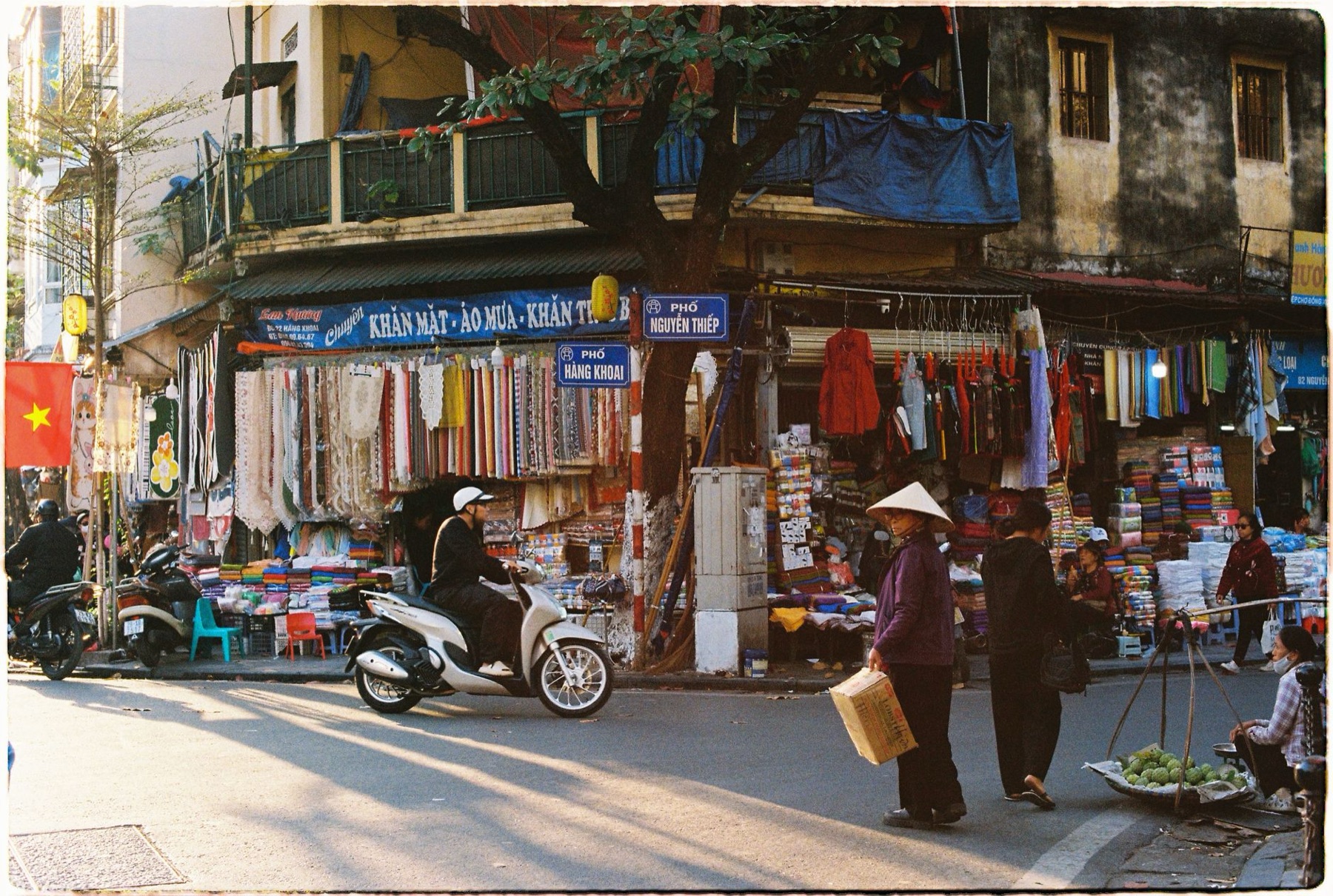
Which neighbourhoods have the best restaurant variety?
Old Quarter (Hoan Kiem District): Heart of Hanoi tourism. Every cuisine exists here. Prices start at $1 USD for street food, top out at $20+ USD for sit-downs. Most lunch crowds (11:00–14:00) are local office workers, not tourists. Avoid Ta Hien Street after 20:00; it's beer and backpacker parties, not food. Hang Dau and Hang Gai lanes are where locals eat pho and banh cuon (rolled rice sheets).
Ba Dinh (around Ho Tay, Tay Ho lake): Younger, more affluent crowd. Sit-down restaurants $5–15 USD. Cafés pack from 15:00–18:00. French colonial villas house wine bars and modern Vietnamese spots. Quieter, slower meal pace. Good if you want to linger.
Dong Da (near Thong Nhat Park): Residential. Locals eat here. Street stalls $1–2 USD, family-run restaurants $3–6 USD. Less English, fewer tourists. Authentic lunch-only spots close by 14:00. Worth a bicycle ride or taxi ride if you commit to speaking Vietnamese or using Google Translate camera.
Phuong Mai (southern Dong Da): Known for breakfast pho lines (06:00–08:30) and late-night banh mi (22:00+). Mixed tourist/local split. $1–3 USD. Cramped, standing-room-only most meals.
Hai Ba Trung (near Ben Thanh market area in reality: not Hanoi's area; describe generically instead): Eastern district. Industrial food courts, workers' joints. Prices rock-bottom ($0.80–1.50 USD). Timing is strict (breakfast 06:00–09:00, lunch 11:00–13:30, dinner 17:30–19:30). Miss the window, restaurant's closed.
🗺️ Plan your route: Vietnam itinerary
What should you order and how much does it actually cost?
| Dish | Typical Price (USD) | What to Check | Best Time | Notes |
|---|---|---|---|---|
| Pho bo (beef noodle soup) | $0.80–3.00 | Broth clarity, meat tenderness | 06:00–11:00 | Lunch versions taste tired; early is fresher. |
| Banh cuon (rolled sheets, pork filling) | $1.50–4.00 | Filling moistness, dipping sauce balance | 06:30–09:30 | After 10:00, gummy. Find a queue; it means turnover. |
| Bun cha (grilled pork, noodles, dipping sauce) | $2.00–5.50 | Charred meat quality, sauce depth | 11:00–14:00 | Dinner bun cha is rare; it's a lunch dish. |
| Ca kho to (braised fish, clay pot) | $2.50–6.00 | Fish freshness, sauce reduction | 11:30–14:00 | Family restaurants do it better than tourist places. |
| Banh mi (sandwich, pâté, pickled veg) | $0.60–2.50 | Bread crispness, filling proportions | 07:00–11:00 or 16:00–19:00 | Lunch gap (14:00–16:00) means stale stock. |
| Egg coffee (egg yolk, condensed milk, coffee) | $1.50–3.50 | Froth density, coffee bitterness balance | 08:00–17:00 | Tourist cafés near Hoan Kiem charge $4–5. |
| Banh xeo (crispy pancake, turmeric batter, shrimp) | $1.50–4.50 | Crisp exterior, filling generosity | 11:00–14:00, 17:30–20:00 | After 20:30, oil re-used, tastes bitter. |
| Cha lua (steamed pork roll, cold cut) | $0.50–1.50 | Texture firmness, no greasiness | Breakfast only (06:00–09:00) | Once sold out, that vendor's done for the day. |
The pattern: street food under $2 USD, family restaurants $2–6 USD, sit-down places $6–15 USD, restaurants with air-con and menus $12–25 USD. Prices listed are from what we've paid in 2025–2026. Inflation runs 3–5% yearly; add 5–10% if you visit mid-2026.
📸 Book an ao dai photoshoot in Hanoi or Saigon (Cáo Studio)
How do you avoid tourist traps and scams?
Red flags:
- A photo menu with glossy images = markup city.
- English-language signage on the storefront = prices doubled.
- A waiter hovering before you've read the menu; they're upselling.
- No visible price list (common in upscale spots). Ask upfront: "Bao nhieu tien cho mon nay?" (How much for this dish?) in Vietnamese or show Google Translate.
- Seafood listed by weight (e.g., "shrimp: $8/100g"). Always confirm total before ordering; a $1 portion can balloon to $12.
What actually works:
- Eat where locals eat. If the table next to you speaks Vietnamese and orders confidently, you're in the right place.
- Go early. Lunch rush (11:30–13:00) means high turnover, fresher stock, and less upselling pressure.
- Use Google Maps reviews filtered by language. Vietnamese reviews (even 3–4 stars) beat well-made English reviews; locals are harsher.
- Ask your hotel reception in Vietnamese where they eat nearby. Tourism staff know the local lane restaurants.
- Cash-only venues almost always cost less and serve better. Credit-card fees push restaurants to pad bills.
- Avoid "specialty" versions of dishes. A $12 "tourist pho" at a sit-down restaurant is not better than a $1 street version; it's just air-con.
Common scams specific to Hanoi:
- "Friendly local" invites you to their cousin's restaurant → guaranteed 2–3× markup and pressure to buy alcohol. Politely decline.
- Motorbike taxi to "secret local place" → unmarked alley restaurant with no menu, bill surprise at end. Agree on price beforehand if you go.
- Beer promotions at street corner bars (Bia Hanoi, Bia Hoi, Bia Tuborg): $0.30 USD per glass is true, but add-ons (nuts, snacks, seating) charge automatically without asking. Clarify first.
- Rooftop bar near Hoan Kiem Lake charging $8 USD for a beer, calling it "sunset tax." It's a choice, not a scam, but know what you're paying for.
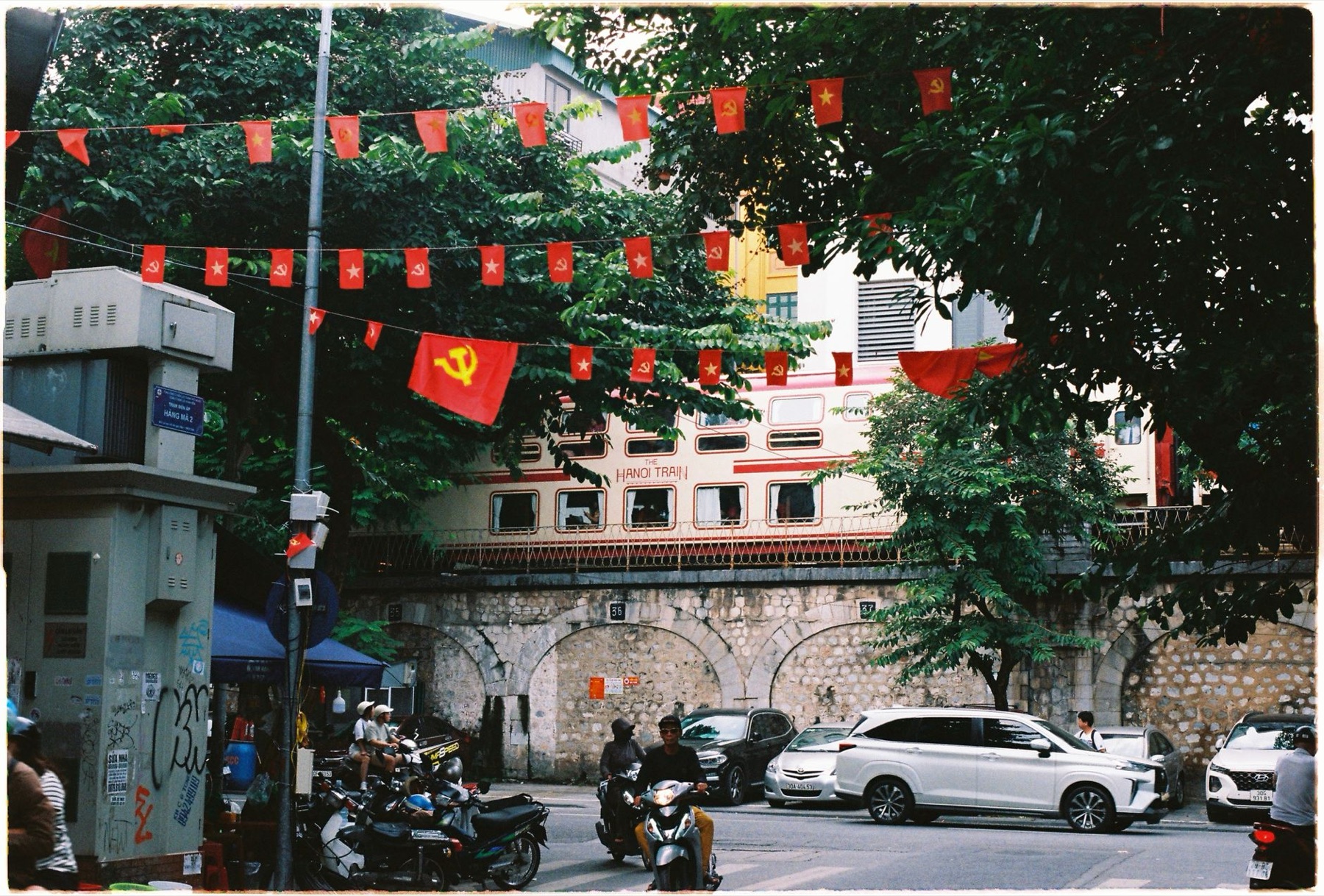
What are the best options for specific times and types of meals?
Breakfast (06:00–09:00): Pho vendors, banh cuon stalls, banh mi corners. Streets like Hang Gai, Hang Dau, and Lane 30 are packed. Go early or wait 20 minutes. Cost: $0.80–2.50 USD. Skip chain cafés; family-run noodle spots beat them on flavour and price.
Lunch (11:00–14:00): Busiest time. Bun cha, ca kho to, pho (lunch crowd), rice-and-stir-fry places. Avoid restaurants with empty tables; it means they're not turning stock. Cost: $1.50–6.00 USD at street level, $6–12 USD sit-down. Office workers dine 11:30–13:00; tourists peak 12:00–13:30. Go slightly early or late to avoid crowds if you prefer calm.
Afternoon (14:00–17:00): Most restaurants close. Cafés and beer halls open. Street food gaps. This is the hardest meal window. Plan ahead: buy banh mi, find a café, or take a nap. Some markets (Ben Thanh–style food courts; Hanoi has Day Market, Dong Xuan Market) serve intermittently.
Dinner (17:30–22:00): Second-largest rush. Sit-down restaurants, street-food stalls, beer halls (bia hoi). Cost: $2–8 USD street, $10–20 USD sit-down. Banh xeo, pho (night version, lighter broth), grilled meats, soups. Avoid new restaurants at night; day spots are proven. After 21:00, quality drops; late-night banh mi and pho are the exceptions (specialized vendors).
Supper (22:00+): Banh mi carts, pho overnight vendors, egg coffee cafés. Street vendors set up after 21:00 specifically for night owls and drunk revellers. Cost: $0.80–2.00 USD. Quality is decent because they start fresh. Some cafés near the Old Quarter run 23:00–02:00.
🎟️ Compare tours & tickets for this place
How does dining in Hanoi compare to other Vietnamese cities?
If you're planning a longer Vietnam itinerary, meal costs and habits shift:
- Hanoi vs. Ho Chi Minh City: Hanoi street food is 10–15% cheaper; sit-down restaurants are similar. Ho Chi Minh City restaurants feel more Westernized; Hanoi clings to tradition. Hanoi's breakfast culture is stronger; Ho Chi Minh City's brunch scene is newer.
- Hanoi vs. Hoi An: Hoi An restaurants cost 20–30% more (tourism premium), but portions are larger. Hanoi packs flavour into small bowls; Hoi An spreads it across larger plates.
- Hanoi vs. Ha Long Bay cruise dining: Cruise meals are included but mediocre. Eat in Halong City (Hon Gai waterfront) before boarding; $4–8 USD for fresh seafood.
- Hanoi vs. Sapa: Sapa hill-station restaurants are 20–40% pricier and serve smaller portions. Hanoi's street-food abundance doesn't exist; Sapa relies on homestays and tourist cafés.
- Hanoi vs. Ninh Binh: Smaller town, fewer choices, prices similar to Hanoi. Aim for family-run pho places near Van Long Wetland; they're cheaper and fresher.
For travellers moving fast, Hanoi is the best value and highest density of reliable meals. No reservation needed; just walk and eat.
What to check before you order (a practical checklist)
- Language barrier? Use Google Translate camera on the menu. Point at photos. Say "co ca nuoc" (do you have iced water?) first; some places charge.
- Allergies? Write them down in Vietnamese or carry a card. Peanut oil is common; shrimp paste is in nearly everything.
- Vegetarian/vegan? Say "an chay" (eat vegetarian). Many pho restaurants can do vegetable-only broths, but clarify fish sauce presence. Easier at dedicated cafés.
- Payment method? Ask "Thanh toan bang gi?" (How do I pay?). Cash-only lanes don't accept cards. Carry VND (around 25,000 VND = $1 USD, current 2026 rates).
- Eating alone? Sit at the bar or counter facing the cook. Conversation happens naturally. Tables for two work solo, but you'll feel conspicuous.
- Timing realistic? A proper pho takes 15–20 minutes to simmer. A street banh mi takes 3 minutes. If you're rushed, banh mi and iced coffee, not pho.
- Water quality? Order "Nuoc da" (iced water, free) or bottled water. Ice in street stalls is made from tap water but is usually boiled first. Low risk, but if your stomach is sensitive, stick to bottled.
- Portion size? Vietnamese bowls look small but are rich. One pho often equals a full meal. Don't order two mains assuming Western restaurant sizes.
---
FAQ
Q: Is street food safe to eat in Hanoi? A: Yes, if the vendor has a queue and fast turnover. Avoid pre-made dishes sitting on display; order made-to-order. Boiled broths and grilled items are safest. Most street-food illness stems from dehydration or unfamiliar spices, not bacteria. Start with 2–3 meals before committing to six-a-day street eating.
Q: What's the difference between a pho restaurant and a pho cart? A: Cart: $0.80–1.50 USD, one broth recipe, 10-minute wait, plastic stool, cash only. Restaurant: $2–5 USD, 2–3 broth strengths, air-con, card accepted, 15–20 minute simmer. Cart broth simmers overnight; restaurant broth is often 8–12 hours old at lunch. Both are legitimate; it depends if you want speed or comfort.
Q: Why do some restaurants close mid-afternoon? A: Labour economics. A lunch rush (11:30–13:30) generates 70% of daily revenue with one shift. Staying open 14:00–17:00 costs wages without revenue. They reopen for dinner. If you eat late breakfast (09:00–10:30), you can hit lunch at 11:00 and eat twice before the gap.
Q: Should I tip in Vietnamese restaurants? A: No. Tipping is not expected. Rounding up or leaving small change is polite at tourist restaurants but not necessary. Staff wages are low, but the pricing assumes no tips. Tip only if service is exceptional or you're a regular.
Q: How do I find a restaurant that matches what I'm craving right now? A: Walk. Hanoi's food is hyperlocal. A lane specializes: one block is pho, next block is banh cuon. If you're lost, follow the smell or ask a Vietnamese person on a motorbike, "Chay O day co gi ngon?" (What's delicious nearby?). Google Maps works but lag behind new openings and closures; locals' word-of-mouth is faster.
Q: Can I eat well on a $30 USD daily food budget in Hanoi? A: Absolutely. $1.50 breakfast + $3 lunch + $4 dinner + $2 coffee/snacks = $10.50 USD, leaving room for one $15–20 sit-down meal. If eating only street and family restaurants, $10–15 USD daily is realistic without sacrificing flavour.
---
📸 Book an ao dai photoshoot in Hanoi or Saigon (Cáo Studio)
For more dining context, see our full Hanoi guide and broader food pillar. If you're combining food tourism with a wider trip, our Vietnam itinerary planner matches eating patterns to logistics. Travellers moving to other regions should review dining guides for Ho Chi Minh City, Hoi An, Ha Long Bay, Sapa, and Ninh Binh. Before travelling, secure an eSIM for Vietnam and confirm e-visa requirements so you can navigate maps and translation apps seamlessly.
Hanoi feeds you well if you eat where locals do, time meals to peak hours, and abandon the notion that expensive means better.
FAQ
Is street food safe to eat in Hanoi?
Yes, if the vendor has a queue and fast turnover. Avoid pre-made dishes sitting on display; order made-to-order. Boiled broths and grilled items are safest. Most street-food illness stems from dehydration or unfamiliar spices, not bacteria. Start with 2–3 meals before committing to six-a-day street eating.
What's the difference between a pho restaurant and a pho cart?
Cart: $0.80–1.50 USD, one broth recipe, 10-minute wait, plastic stool, cash only. Restaurant: $2–5 USD, 2–3 broth strengths, air-con, card accepted, 15–20 minute simmer. Cart broth simmers overnight; restaurant broth is often 8–12 hours old at lunch. Both are legitimate; it depends if you want speed or comfort.
Why do some restaurants close mid-afternoon?
Labour economics. A lunch rush (11:30–13:30) generates 70% of daily revenue with one shift. Staying open 14:00–17:00 costs wages without revenue. They reopen for dinner. If you eat late breakfast (09:00–10:30), you can hit lunch at 11:00 and eat twice before the gap.
Should I tip in Vietnamese restaurants?
No. Tipping is not expected. Rounding up or leaving small change is polite at tourist restaurants but not necessary. Staff wages are low, but the pricing assumes no tips. Tip only if service is exceptional or you're a regular.
How do I find a restaurant that matches what I'm craving right now?
Walk. Hanoi's food is hyperlocal. A lane specializes: one block is pho, next block is banh cuon. If you're lost, follow the smell or ask a Vietnamese person on a motorbike, "Chay O day co gi ngon?" (What's delicious nearby?). Google Maps works but lag behind new openings and closures; locals' word-of-mouth is faster.
FAQ
Is street food safe to eat in Hanoi?
Yes, if the vendor has a queue and fast turnover. Avoid pre-made dishes sitting on display; order made-to-order. Boiled broths and grilled items are safest. Most street-food illness stems from dehydration or unfamiliar spices, not bacteria. Start with 2–3 meals before committing to six-a-day street eating.
What's the difference between a pho restaurant and a pho cart?
Cart: $0.80–1.50 USD, one broth recipe, 10-minute wait, plastic stool, cash only. Restaurant: $2–5 USD, 2–3 broth strengths, air-con, card accepted, 15–20 minute simmer. Cart broth simmers overnight; restaurant broth is often 8–12 hours old at lunch. Both are legitimate; it depends if you want speed or comfort.
Why do some restaurants close mid-afternoon?
Labour economics. A lunch rush (11:30–13:30) generates 70% of daily revenue with one shift. Staying open 14:00–17:00 costs wages without revenue. They reopen for dinner. If you eat late breakfast (09:00–10:30), you can hit lunch at 11:00 and eat twice before the gap.
Should I tip in Vietnamese restaurants?
No. Tipping is not expected. Rounding up or leaving small change is polite at tourist restaurants but not necessary. Staff wages are low, but the pricing assumes no tips. Tip only if service is exceptional or you're a regular.
How do I find a restaurant that matches what I'm craving right now?
Walk. Hanoi's food is hyperlocal. A lane specializes: one block is pho, next block is banh cuon. If you're lost, follow the smell or ask a Vietnamese person on a motorbike, "Chay O day co gi ngon?" (What's delicious nearby?). Google Maps works but lag behind new openings and closures; locals' word-of-mouth is faster.
More: Hanoi guide · What to eat in Hanoi