Hanoi · Food
Restaurants in Hanoi: Where to Eat by Neighbourhood & Budget
By Wander in Vietnam editorial team · Hanoi, Vietnam
Hanoi restaurants fall into three clear tiers: survive-on-nothing stalls, comfortable neighbourhood spots, and carefully plated experiences. Each serves a real purpose. We've eaten across all three and can tell you exactly what to expect, where locals actually go, and which tourist-facing places to skip.
The hardest part isn't finding food—it's choosing between 10,000 options. This guide cuts through the noise.
Which neighbourhood has the best restaurants for what you want?
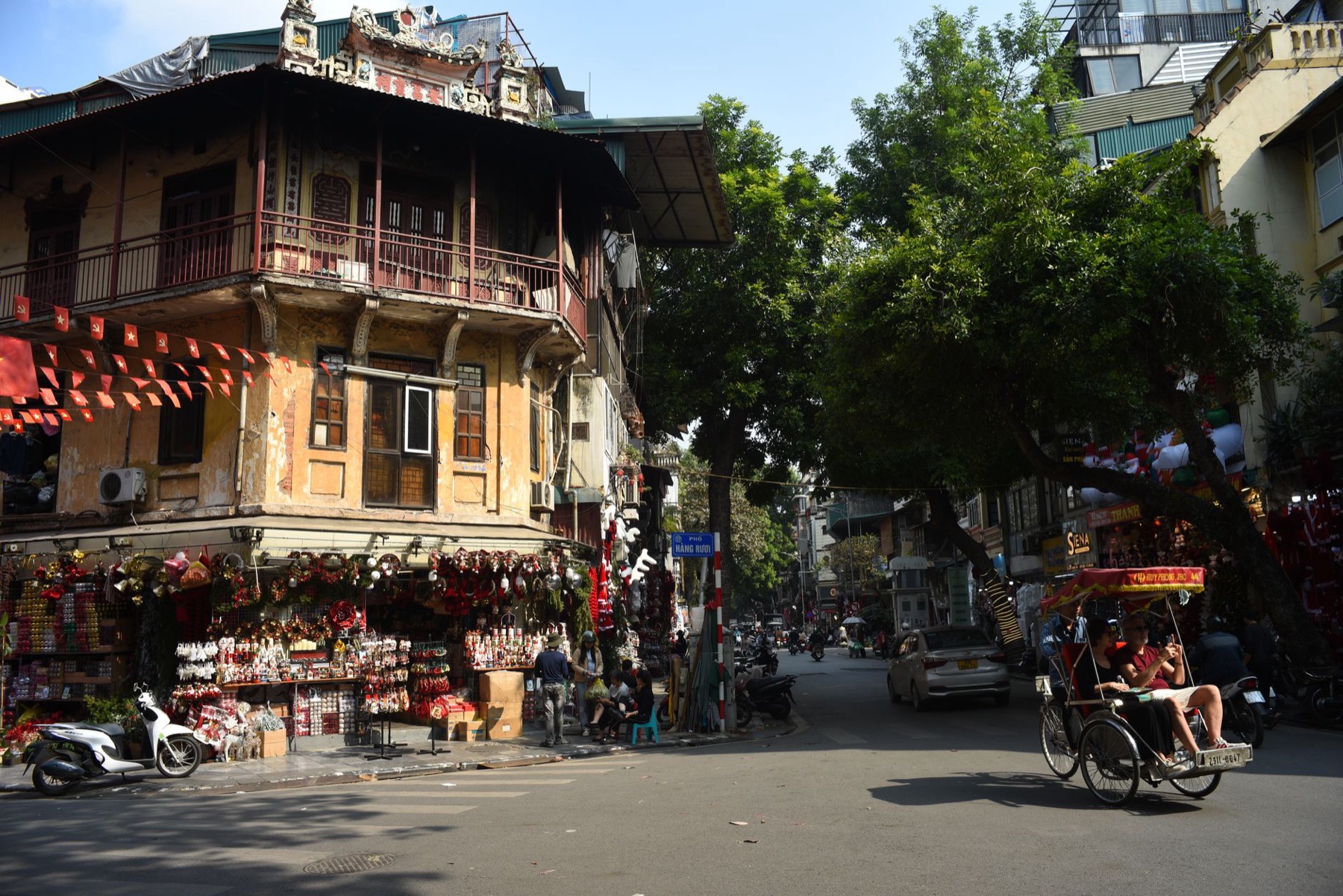
Old Quarter (Hoàn Kiếm district) is the loudest, most tourist-heavy area. You'll find every cuisine, every price point, and every cliché. Street-side phở here costs around 35,000–50,000 VND ($1.75–2.50 USD). Quality varies wildly; success depends on finding the right stall (ask your hotel, don't follow signs). Avoid any restaurant with a printed English menu and a tout outside—prices triple.
Ba Đình district (near Hoan Kiem Lake's west side and the French Quarter) hosts quieter, pricier Vietnamese and fusion spots. Many target expats and affluent locals. Expect $8–20 per main course. Restaurants here often have consistent hours and accept reservations.
Tây Hồ (West Lake) neighbourhood feels separate from central Hanoi—leafy, slower, boutique-heavy. Cafés and small restaurants cluster near the water. Dishes cost $4–15. It's where Hanoians go on weekends, not tourists rushing through.
Hai Bà Trưng and Hoàn Kiếm (south and east of the lake) contain mid-range neighbourhood restaurants where office workers eat lunch. No fanfare, low prices ($3–8 per dish), genuine food. These are our go-to spots.
🗺️ Plan your route: Vietnam itinerary
What are the real costs, and what surprises first-time visitors?
A bowl of phở (beef noodle soup) at a street stall: around 35,000–60,000 VND ($1.75–3 USD).
Bánh mì (Vietnamese sandwich) from a corner shop: around 25,000–40,000 VND ($1.25–2 USD).
Cơm tấm (broken-rice plate with meat, egg, pickles): around 40,000–70,000 VND ($2–3.50 USD).
Bún chả (grilled pork with noodles) at a sit-down stall: around 60,000–100,000 VND ($3–5 USD).
A bottle of Hanoi beer (Tiger, Saigon, or local brands) at a streetside bia hơi (draught-beer stand): around 15,000–30,000 VND ($0.75–1.50 USD).
Mid-range restaurant (air-conditioned, printed menu, soft drinks included): main course $6–12, soft drink $1–2.
Fine dining (plated Vietnamese or international): $25–60 per person before drinks.
The biggest surprise: you can eat extraordinarily well for $2–3 if you know where to look. The trap: tourist-facing places in Old Quarter charge $8–15 for the same bowl and water it down. Ask locals, point at dishes, eat where the queue is longest—that's your signal.
How do street stalls and sit-down restaurants differ (and which should you choose)?
| Type | Who it's for | Price per dish | Why it works | What to check |
|---|---|---|---|---|
| Street stall (bánh mì cart, phở stand) | Budget travellers, adventurous eaters, locals on a rush | $1–3 | Fastest turnover = freshest ingredients; zero markup | Busy line? Eat standing. Look for health cards posted. |
| Bia hơi (draught-beer house) | Solo eaters, groups, long nights | $2–5 for food + beer | Communal, cold beer, cooked-to-order snacks | Go 6–9 p.m. when locals arrive; seating fills fast. |
| Neighbourhood phở or cơm tấm shop | Families, office workers, value-seekers | $2–4 | Loyal regulars keep quality high; no tourism markup | Open 6–10 a.m. for breakfast, 11:30 a.m.–1:30 p.m. lunch. Dinner rare. |
| Mid-range sit-down (Tây Hồ, Ba Đình cafés) | Comfort-seekers, groups, all-day eaters | $6–15 | AC, clean toilets, English menus, seated service | Book if >4 people; accept cash or card; mostly open 7 a.m.–10 p.m. |
| Fine dining (listed online, reservations) | Special occasions, foodies, business meals | $35–80 | Sourced ingredients, plated presentation, wine lists | Reserve 2–3 days ahead; dress code usually casual-smart. |
Street stalls dominate the morning (6–10 a.m.) and lunch (11:30 a.m.–1:30 p.m.); dinner choices shift to sit-down restaurants. Many legendary phở places close by 2 p.m.—they sell out.
What scams and awkward moments should you avoid?
The printed-menu trap: A restaurant with laminated English menus and staff hovering outside Old Quarter charges 3–4× the real price. "Special tourist price" is a red flag. Ignore it.
Bia hơi surcharge: Some tourist-facing draught-beer stands add fake charges (fruit plates you didn't order, inflated beer counts). Always repeat your order aloud, confirm the price, and check the bill math.
Undercooked meat at street stalls: Rare, but if meat looks grey or smells off, move on. Busy stalls turn stock over quickly; quiet ones sometimes don't.
Water and ice: Tap water isn't safe; order bottled or canned drinks. Most restaurants default to this, but confirm "nước lạnh" (cold water) is bottled.
Credit-card overcharging: Some small restaurants (especially mid-range) may charge twice if you pay card + cash. Clarify payment method upfront.
Booking phantom tables: Don't book restaurants via third-party travel-app "partnerships"—go direct to the restaurant or use official review sites. Many Hanoi spots don't reserve online; showing up at 11:45 a.m. for noon lunch works better.
📸 Book an ao dai photoshoot in Hanoi or Saigon (Cáo Studio)
Which specific dishes are worth ordering, and what shouldn't you miss?
Phở: Beef (phở bò) or chicken (phở gà). The broth is everything—ask locals for a preferred stall, eat early (before 10 a.m.). Cost: $1.75–3 USD.
Bánh mì: Pâté, cold meat, pickles, chilli, on a baguette. Breakfast or lunch. Cost: $1.25–2 USD.
Cơm tấm: Broken-rice plate with grilled pork (thịt nướng), fried egg, pickled vegetables, tomato. Lunch staple. Cost: $2–3.50 USD.
Bún chả: Grilled pork meatballs, noodles, dipping sauce, fresh herbs. Hanoi specialty. Cost: $3–5 USD.
Chả cá: Fish cake, turmeric, dill, noodles—an Old Quarter signature that tastes like nothing else. Cost: $4–7 USD. (Worth one meal.)
Egg coffee (cà phê trứng): Whipped egg yolk, hot coffee, condensed milk. Iconic Hanoi drink. Cost: $2–3 USD.
Grilled squid (mực nướng): Street food, sold by weight. Cost: $4–8 USD per portion.
Miến gà: Chicken vermicelli soup, a lighter breakfast. Cost: $1.50–2.50 USD.
Skip: Anything labeled "Western" at street stalls (pizza, pasta) unless you're desperate. Skip overpriced tourist menus in Old Quarter with photos; eat where you see locals eating.
How do you actually book, pay, and know what to expect timing-wise?
Street stalls and bia hơi: No booking. Show up during peak hours (6–9 a.m. for breakfast, 11:30 a.m.–1:30 p.m. for lunch, 6–8 p.m. for dinner beers). Order by pointing or saying the dish name. Pay cash. Meal duration: 10–20 minutes.
Neighbourhood sit-down spots: Walk in anytime, but avoid 12–1 p.m. and 6–7 p.m. if you're impatient. Cash preferred, but most accept card now. Meal duration: 30–45 minutes.
Mid-range restaurants (Tây Hồ, Ba Đình): Booking helps on weekends; call the restaurant or ask your hotel to book. English menus. Card and cash accepted. Meal duration: 45 minutes–1 hour.
Fine dining: Book 2–3 days ahead via their website or phone. Dress casual-smart. Card accepted, expect a bill. Meal duration: 1.5–2 hours.
Payment: Most touristy restaurants add a 5% surcharge for card; ask first. Tips aren't expected in Vietnam, but rounding up 5–10% is polite in upscale spots.
What to check before you order:
- Is the restaurant air-conditioned, or open-air? (Heat tolerance matters.)
- Does it have English menus, or do you point?
- Are toilets inside, and are they clean? (Street stalls rarely have public facilities.)
- Does it take card, or cash only?
- Is it open now? (Many close 2–5 p.m.)
- Are there English-speaking staff? (Useful if you have allergies.)
🎟️ Compare tours & tickets for this place
More information on dining and travel in Hanoi: /hanoi | /hanoi/food
Explore restaurants in other Vietnamese cities: Ho Chi Minh City | Hoi An | Ha Long Bay | Ninh Binh | Sapa
FAQ
Is street food in Hanoi safe for foreigners?
Yes, if you eat at busy stalls with high turnover. Avoid anything sitting under heat lamps; choose places where locals queue. Drink bottled water. Most travellers eat street food daily without issue.
What's the best time of day to eat in Hanoi?
Breakfast (6–9 a.m.) and lunch (11:30 a.m.–1:30 p.m.) offer the widest stall choice and lowest prices. Dinner is heavier, pricier. Late-night bia hơi (6–10 p.m.) is social and fun.
Do I need to speak Vietnamese to order?
No. Point, say the dish name slowly, or show a photo. Most street vendors and many mid-range restaurants have picture menus. Learning "cơm" (rice), "canh" (soup), and "nướng" (grilled) helps.
How much should I spend per meal as a budget traveller?
$2–4 per meal (street food), $6–12 for sit-down comfort, $20+ if you want upscale. Budget $5–8 daily if eating locally.
Are reservations necessary in Hanoi?
Not for street food or neighbourhood spots. Mid-range and fine dining: book weekends. Weekday lunch at sit-down places needs no booking.
What's the difference between phở and bún?
Phở is beef noodle soup (rice noodles in broth). Bún is cold noodles with meat and sauce (often pork). Phở is breakfast/lunch; bún is versatile all-day.
Do Hanoi restaurants have vegetarian options?
Yes. Say "không thịt" (no meat) or "chay" (vegetarian). Vegetables stir-fried or in soup are common. Buddhist vegetarian restaurants exist but are niche.
Is it rude to eat quickly at a street stall?
No—it's expected. Street eating is fast, social, and standing. Sit-down spots are slower; linger as long as you like.
FAQ
Is street food in Hanoi safe for foreigners?
Yes, if you eat at busy stalls with high turnover. Avoid anything sitting under heat lamps; choose places where locals queue. Drink bottled water. Most travellers eat street food daily without issue.
What's the best time of day to eat in Hanoi?
Breakfast (6–9 a.m.) and lunch (11:30 a.m.–1:30 p.m.) offer the widest stall choice and lowest prices. Dinner is heavier, pricier. Late-night bia hơi (6–10 p.m.) is social and fun.
Do I need to speak Vietnamese to order?
No. Point, say the dish name slowly, or show a photo. Most street vendors and many mid-range restaurants have picture menus. Learning "cơm" (rice), "canh" (soup), and "nướng" (grilled) helps.
How much should I spend per meal as a budget traveller?
$2–4 per meal (street food), $6–12 for sit-down comfort, $20+ if you want upscale. Budget $5–8 daily if eating locally.
Are reservations necessary in Hanoi?
Not for street food or neighbourhood spots. Mid-range and fine dining: book weekends. Weekday lunch at sit-down places needs no booking.
What's the difference between phở and bún?
Phở is beef noodle soup (rice noodles in broth). Bún is cold noodles with meat and sauce (often pork). Phở is breakfast/lunch; bún is versatile all-day.
Do Hanoi restaurants have vegetarian options?
Yes. Say "không thịt" (no meat) or "chay" (vegetarian). Vegetables stir-fried or in soup are common. Buddhist vegetarian restaurants exist but are niche.
Is it rude to eat quickly at a street stall?
No—it's expected. Street eating is fast, social, and standing. Sit-down spots are slower; linger as long as you like.
More: Hanoi guide · What to eat in Hanoi