Hanoi · Food
Secret Food Tours Hanoi: Local Guide to Hidden Eats & Markets
By Wander in Vietnam editorial team · Hanoi, Vietnam
Secret food tours in Hanoi mean guided walks through working neighborhoods led by locals who know which stalls are authentic and where scams hide. The best tours run in Old Quarter, Hoan Kiem, and Thanh Xuan before 10 a.m. or after 5 p.m.—midday crowds inflate prices and exhaust both tourists and vendors. Avoid tours that promise "secret" in flashy marketing; real insider access comes from guides who've eaten the same pho at the same cart for years, not influencers chasing content.
What Separates Real Tours from Tourist Traps?
A genuine Hanoi food tour stops at working breakfast stalls where locals queue before dawn, not Instagram cafes. Your guide should name the owner, know the recipe's family history, and order exactly what regulars eat—not a "tourist menu." Watch for red flags: guides who rush you through neighborhoods, eat nothing themselves, or steer you toward shops with commissions. Real guides spend 20–30 minutes at each stop, haggle prices with you beforehand, and share stories about why a dish matters to Hanoi's culture, not just its taste.
🗺️ Plan your route: Vietnam itinerary
Which Neighborhoods Deliver the Best Authentic Experience?
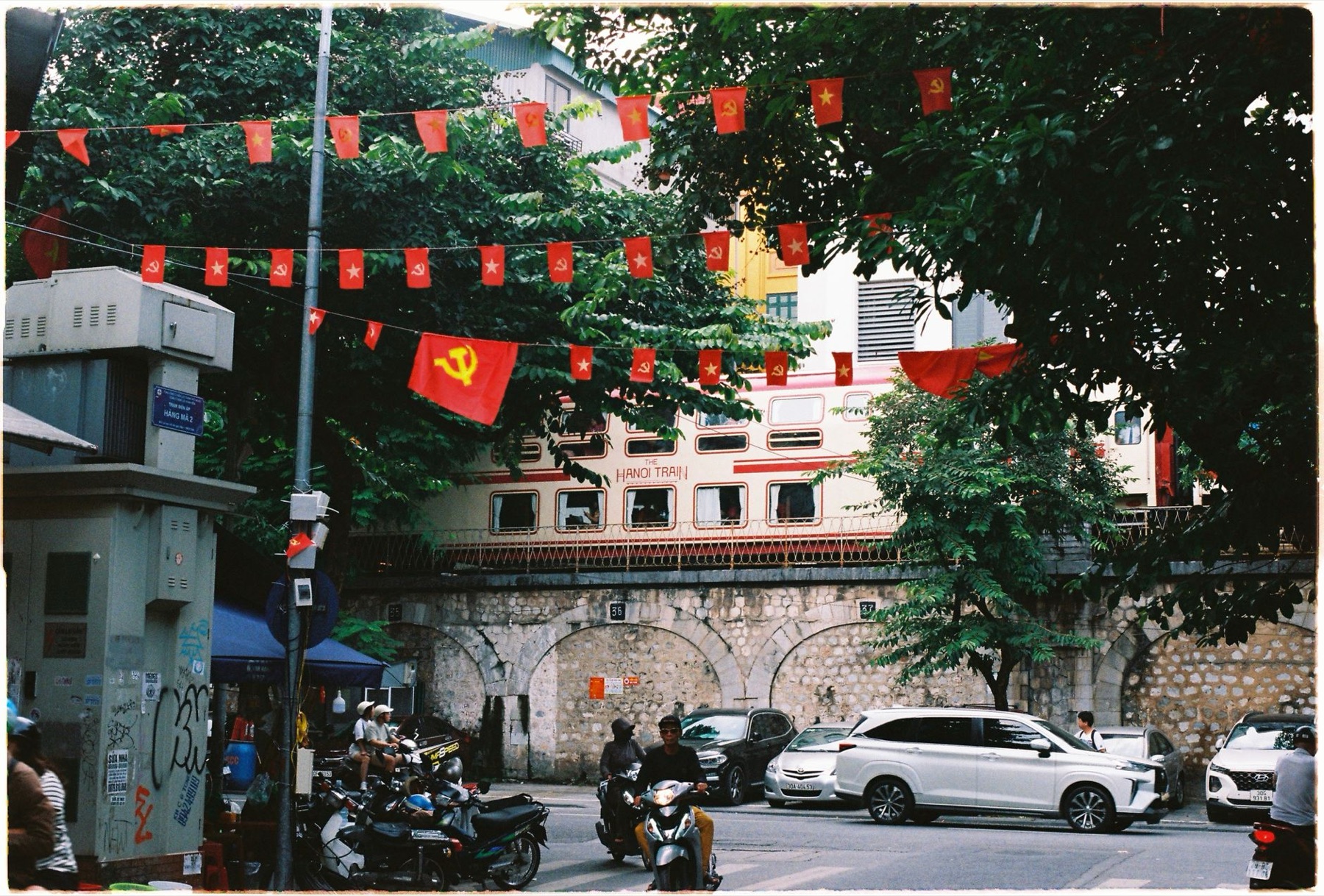
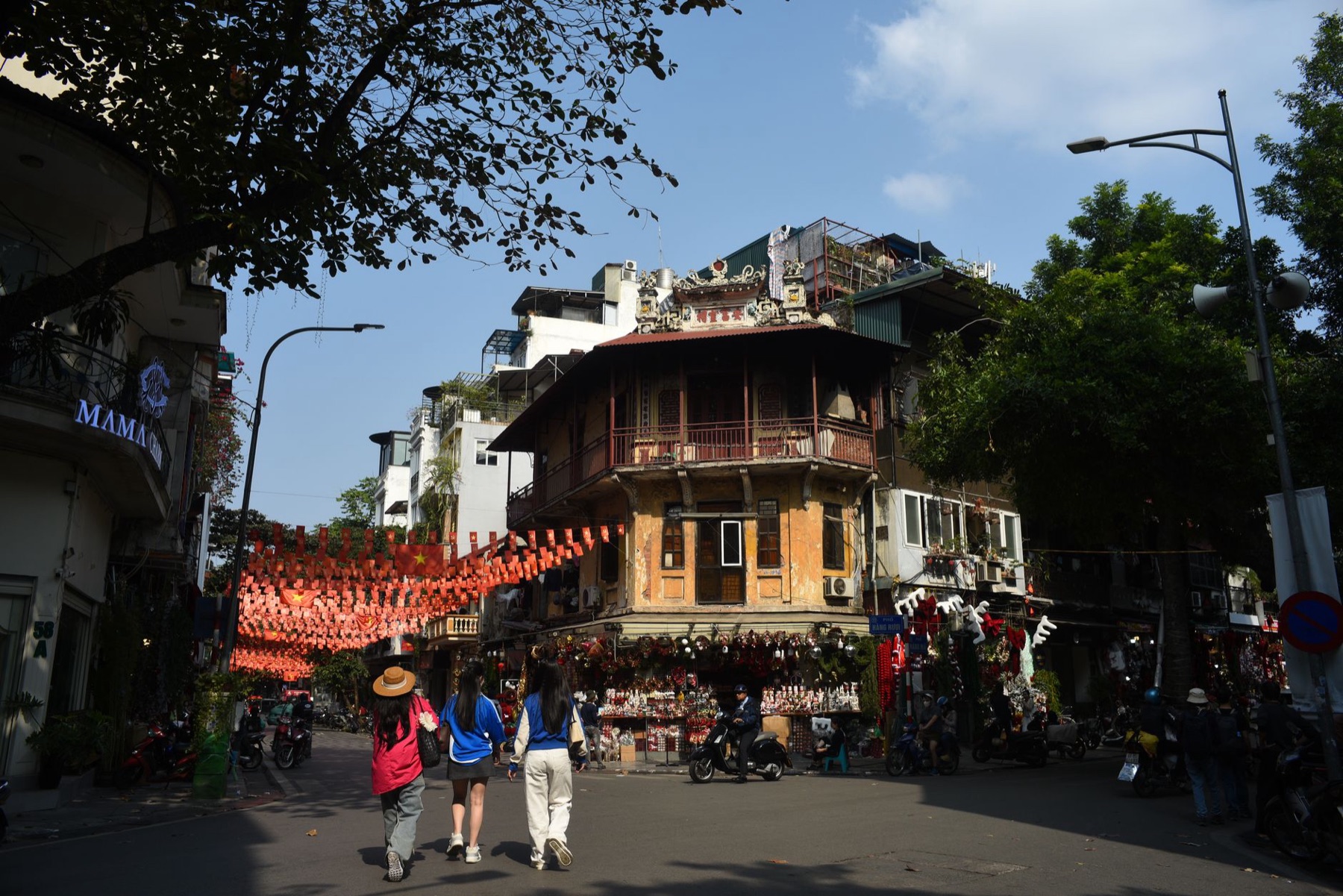
Old Quarter (Hoan Kiem East): 36 narrow streets built on guilds—silk, silver, paper. Food tours here focus on breakfast phở, bánh mì at century-old carts, and egg coffee. Expect crowds and tight alleys; go before 7 a.m. for elbow room.
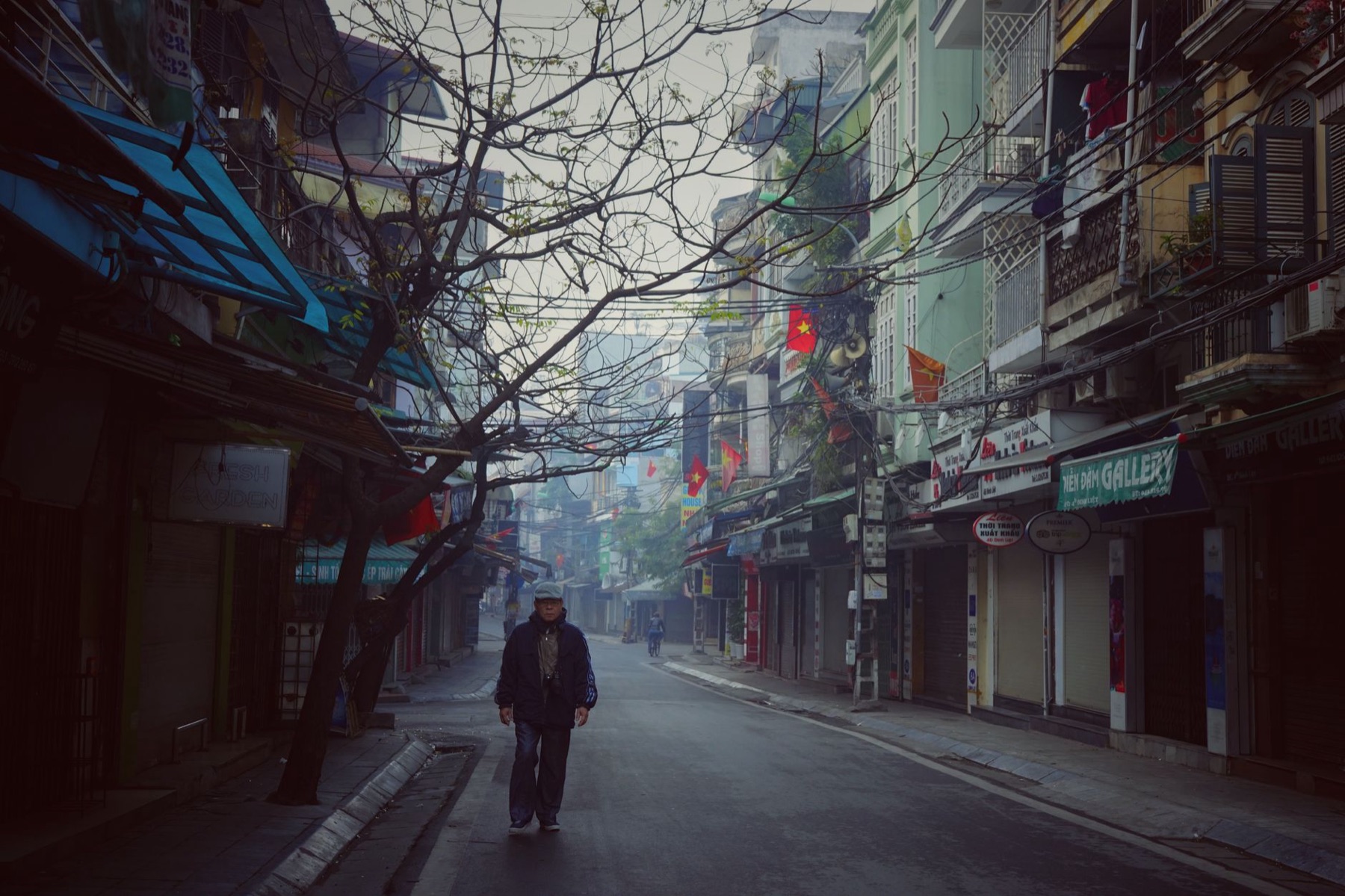
Thanh Xuan West: Working-class district 15 minutes west of the lake. Street vendors sell crab fried rice, snail soups, and grilled quail to motorbike mechanics and nurses. Tours here feel less curated but more authentic; guides are often local home cooks, not trained hospitality staff.
Truc Bach Lake (Ba Dinh South): Lakeside neighborhood where fish cake vendors and sticky rice stalls cluster. Morning light is softer; fewer tourists than Old Quarter. Tours often end with coffee at a family-run roastery rather than a café chain.
Dong Xuan Market perimeter: The market itself is chaotic wholesale; instead, guides route you to the surrounding alleys where retail stalls sell everything from beef tendon soup to grilled offal. Best for adventurous eaters who don't mind offal or the smell of fish sauce.
| Tour Type | Best For | Typical Length | What to Expect | Real Cost Range |
|---|---|---|---|---|
| Old Quarter breakfast walk | First-time visitors, phở lovers | 2–2.5 hours | Busy crowds, iconic stalls, some English-speaking vendors | Around $25–$40 USD per person |
| Thanh Xuan local experience | Foodies seeking neighborhood life | 3 hours | Quiet streets, family stalls, guide is often a resident home cook, minimal other tourists | Around $30–$50 USD per person |
| Night market + street eats | Evening visitors, adventurous palates | 2.5–3 hours | Vendor-lit alleys, grilled items, soups, rice dishes, guide navigates you through logistics | Around $35–$55 USD per person |
| Market-to-home cooking class combo | Hands-on learners | 4–5 hours | Dong Xuan or suburban market visit, then cook at guide's home or rented kitchen | Around $60–$90 USD per person |
📸 Book an ao dai photoshoot in Hanoi or Saigon (Cáo Studio)
How Much Should You Expect to Spend (and Where Scams Happen)?
A legit 2.5-hour food tour in Hanoi runs around $30–$50 USD per person, including 5–7 tastings. Prices reflect guide experience, group size, and included extras (coffee, dessert, market entrance). Tours under $20 USD often cut corners—guides rush, stalls aren't pre-arranged, or you're tagged with commission-hungry shops. Tours over $75 USD usually bundle a cooking class, private guide, or luxury hotel pickup; worth it only if you need that service.
Common scams and how to dodge them:
- Inflated stall prices for tourists. Ask your guide to order and pay directly; some stalls quote 2–3× locals' rates to foreigners. A real phở bowl costs around 40,000–60,000 VND (~$1.50–$2.50 USD); if quoted 150,000 VND (~$6 USD), walk away.
- Commission-driven detours. If your guide steers you into a gift shop or upmarket restaurant mid-tour, they're earning a cut. Ask upfront: "Does this stop earn you commission?" Honest guides say yes and explain why the place is worth it.
- "Private" tours that are group tours. Some operators sell you a "private guide" but assign you to a 10-person group. Clarify group size and guide-to-tourist ratio before booking. True private tours run around $60–$100 USD for 2–3 people; group rates are $30–$50 USD per person.
- Overpriced tour platform bookings. Major travel sites mark up tours 30–50% over direct guide rates. Book through local operators (search "Hanoi food tour" + neighborhood name on Google Maps) and message guides directly to confirm real pricing.
What Should You Actually Order (and Why)?
Breakfast (6–8 a.m.): Phở tái (rare beef rice noodle soup, around 50,000 VND/~$2 USD), bánh mì dó (pâté sandwich, 20,000–30,000 VND/~$1–$1.25 USD), bánh cuốn (steamed rolled pancakes with shrimp, 25,000 VND/~$1 USD). Skip the "special tourist" versions; order what's listed on the stall's handwritten board.
Mid-morning (9–11 a.m.): Egg coffee (cà phê trứng, around 35,000–50,000 VND/~$1.50–$2 USD) at a roastery, not a café chain. Snail soup (canh ốc) if available, costs around 70,000 VND (~$2.75 USD) per bowl.
Lunch (11 a.m.–1 p.m.): Crab fried rice (cơm cua, 60,000–80,000 VND/~$2.50–$3.25 USD), grilled quail (chim cút nướng, 3–5 birds for 100,000 VND/~$4 USD), fish cake soup (canh cá chiên, 50,000 VND/~$2 USD).
Dinner (5–9 p.m.): Grilled offal (nội tạng nướng)—liver, intestine, heart—costs around 40,000–60,000 VND per skewer (~$1.50–$2.50 USD). Sticky rice stalls (xôi gà, xôi ngô) run 20,000–35,000 VND (~$0.80–$1.40 USD). Soft-shell crab (cua mềm) is seasonal (April–September) and pricier, around 150,000–200,000 VND per serving (~$6–$8 USD).
Desserts: Chè (sweet soup—chè ba màu is three-color coconut, 25,000 VND/~$1 USD), bánh cam (sesame ball, 10,000 VND/~$0.40 USD), flan (crème caramel, 15,000–20,000 VND/~$0.60–$0.80 USD).
Always ask your guide "Cái này bao nhiêu tiền?" (How much is this?) before eating. Vendors often charge tourists double if you ask after consuming.
How to Book & What to Check Before You Pay
Direct contact beats platforms. Search "[neighborhood name] Hanoi food tour" on Google Maps and message 3–5 guides directly. Ask:
- "How many people are in this group?"
- "Do you eat at every stop?"
- "Which stalls do you visit?" (Real guides name places; scammers are vague.)
- "Have you been doing this for over a year?" (Experience matters; inexperienced guides get lost or mispronounce dishes.)
Verify payment terms. Most guides ask for 50% upfront (via PayPal or bank transfer) and the rest on arrival. If a guide demands full payment before confirming details, find another. Trusted operators in Hanoi let you pay cash the morning of the tour.
Check the itinerary in writing. A real itinerary says "6:45 a.m. pickup at Hoan Kiem Lake east gate, phở at [stall name], then bánh mì at [location], ending coffee at 9 a.m. near Hang Ga Street." Vague itineraries (just "Old Quarter food tour") often shift mid-walk to commission-paying shops.
Confirm start time and length. Early-morning tours (6:30–7 a.m.) hit stalls before crowds but require an early wake-up. Evening tours (5–8 p.m.) skip heat but miss breakfast—the most authentic Hanoi meal. Most real tours run 2.5–3 hours, not the 4–5-hour padding you see in luxury packages.
Ask about dietary needs upfront. Vegetarian options exist in Hanoi (miến chay, bánh cuốn chay) but aren't on every stall's menu. Tell your guide in advance; they'll adjust or add a vegetarian-friendly vendor. Allergies (shellfish, peanuts, MSG) must be communicated the day before; real guides will navigate this with vendors.
🎟️ Compare tours & tickets for this place
Decision Framework: Choosing the Right Tour for You
Ask yourself these questions:
- Do I prefer crowds or solitude? Old Quarter tours = busy, social. Thanh Xuan or Ba Dinh = quieter, more personal.
- What time of day do I eat best? Early riser → 6:30 a.m. phở tour. Night owl → 5 p.m. market tour.
- How adventurous is my palate? Phở & bánh mì lovers → Old Quarter. Offal eaters → Dong Xuan edges. Vegetarian → ask guide to pre-confirm stops.
- Do I want hands-on learning or pure tasting? Pure tasting → 2.5-hour walking tour (~$30–$50 USD). Cooking included → 4–5 hours (~$60–$90 USD).
- Budget for tips? Guides expect 10% tip (20,000–50,000 VND/~$1–$2 USD) if service is good. Vendors don't expect tips but appreciate 5,000–10,000 VND (~$0.20–$0.40 USD) if you're a repeat customer.
Real Hanoi food tours aren't hidden; they're just small, run by locals who don't spend money on ads. A resident guide with 100+ tours under their belt will know more than any app algorithm. Book one week ahead, arrive 10 minutes early, and bring small cash (guides can't always break large notes at stalls).
🗺️ Plan your route: Vietnam itinerary
For more food-focused guides to Vietnam's regions, read our full Hanoi food guide or explore eating culture in Ho Chi Minh City, Hoi An, and Ha Long Bay. If you're documenting your tour, book an ao dai photoshoot in Hanoi to capture the experience in traditional dress.
FAQ
Is it safe to eat street food on these tours?
Yes, if your guide picks busy stalls with high turnover. Avoid places with slow-moving hot pots or meat sitting in sun. Wash hands before eating; carry hand sanitizer. Most locals have iron stomachs; tourists sometimes get mild bloating if unused to street-vendor oils. Start light (phở, bánh) before trying offal or fermented dishes.
Can I do a food tour alone, or do I need a group?
Both work. Solo travelers often join group tours ($30–$50 USD) to meet other visitors. Private guides cost $60–$100 USD for 1–2 people but offer flexibility. Group tours run daily; private guides need 2–3 days notice.
What's the difference between a "food tour" and just eating at street stalls on my own?
A guide saves you 1–2 hours of wandering, negotiates prices, explains dish history, and steers you away from tourist-trap stalls. They're worth it if you value time and context; skip them if you prefer spontaneous exploration.
Do I need to book in advance, or can I find a guide on arrival?
Both work, but booking a week ahead guarantees your preferred time slot and a guide with good English. Walk-up tours exist (ask your hotel concierge) but are often larger groups with less attention.
How much cash should I bring for a food tour?
Bring 500,000–1,000,000 VND (~$20–$40 USD) for a 2.5-hour tour including tastings and tips. Most stalls don't take card payments. If your guide collects tips, they'll use your cash to give vendors small notes.
What's the best season for Hanoi food tours?
October–April (cool, dry weather) is ideal. May–September is hot and humid; go early morning (6:30–8 a.m.) to avoid heat. Some vendors close mid-summer or take fewer tourists. Year-round food is available; timing just affects comfort.
FAQ
Is it safe to eat street food on these tours?
Yes, if your guide picks busy stalls with high turnover. Avoid places with slow-moving hot pots or meat sitting in sun. Wash hands before eating; carry hand sanitizer. Most locals have iron stomachs; tourists sometimes get mild bloating if unused to street-vendor oils. Start light (phở, bánh) before trying offal or fermented dishes.
Can I do a food tour alone, or do I need a group?
Both work. Solo travelers often join group tours ($30–$50 USD) to meet other visitors. Private guides cost $60–$100 USD for 1–2 people but offer flexibility. Group tours run daily; private guides need 2–3 days notice.
What's the difference between a "food tour" and just eating at street stalls on my own?
A guide saves you 1–2 hours of wandering, negotiates prices, explains dish history, and steers you away from tourist-trap stalls. They're worth it if you value time and context; skip them if you prefer spontaneous exploration.
Do I need to book in advance, or can I find a guide on arrival?
Both work, but booking a week ahead guarantees your preferred time slot and a guide with good English. Walk-up tours exist (ask your hotel concierge) but are often larger groups with less attention.
How much cash should I bring for a food tour?
Bring 500,000–1,000,000 VND (~$20–$40 USD) for a 2.5-hour tour including tastings and tips. Most stalls don't take card payments. If your guide collects tips, they'll use your cash to give vendors small notes.
What's the best season for Hanoi food tours?
October–April (cool, dry weather) is ideal. May–September is hot and humid; go early morning (6:30–8 a.m.) to avoid heat. Some vendors close mid-summer or take fewer tourists. Year-round food is available; timing just affects comfort.
More: Hanoi guide · What to eat in Hanoi