Hanoi · Food
Street Food Hanoi Old Quarter: What to Buy & Where
By Wander in Vietnam editorial team · Hanoi, Vietnam
Hanoi's Old Quarter street food ranges from phở and bánh mì to egg coffee and grilled snails. Dishes typically cost 20,000–80,000 VND (around $0.80–$3.20 USD). Wander in Vietnam recommends choosing stalls with queues, checking food freshness visually, and eating during peak hours (7–9 a.m., 11 a.m.–1 p.m., 5–7 p.m.) for both safety and best flavor.
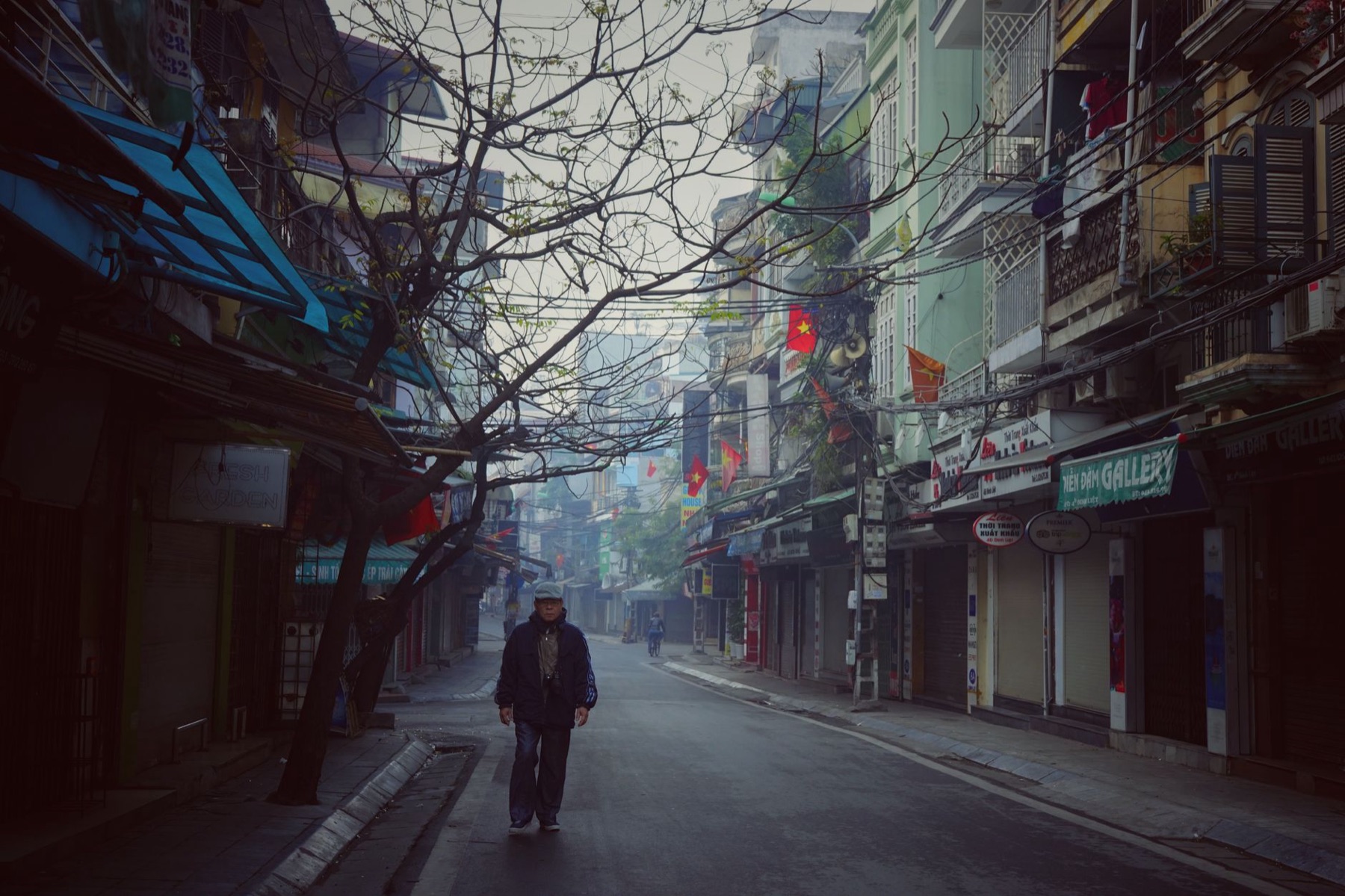
The Old Quarter is a grid of narrow lanes packed with vendors. Streets like Tạ Hiện, Hàng Mành, and Hàng Gà specialize in different dishes. Early morning (6:30–9 a.m.) offers the freshest ingredients and lowest tourist density. Prices stay consistent year-round; seasonal variation is minimal. Your main decision is comfort level—street stools mean tight quarters and noise; sit-down stalls offer tables but less authentic atmosphere.
🗺️ Plan your route: Vietnam itinerary
What type of street food should you choose?
Hanoi Old Quarter has five main categories: soup (phở, bánh canh), grilled/fried items, coffee, desserts, and specialty proteins. Soup is safest for newcomers—cooked hot, eaten immediately. Grilled and fried items (bánh mì, spring rolls) carry slightly higher risk if vendor turnover is slow. Coffee and desserts are low-risk. Specialty proteins (snails, organs) require confidence in the vendor's hygiene. Choose based on your stomach's adaptation, not novelty value.
Phở stands dot every intersection. A bowl costs around 30,000–50,000 VND ($1.20–$2 USD) for pork or chicken; beef is pricier at 40,000–60,000 VND ($1.60–$2.40 USD). The broth simmers for 6+ hours; ask which stall's been open longest. Bánh mì (filled baguette) runs 20,000–40,000 VND ($0.80–$1.60 USD) and is eaten within minutes of assembly—order, eat, move on. Spring rolls vary: fresh (cuốn) are 15,000–25,000 VND ($0.60–$1 USD); fried (chiên) are 20,000–30,000 VND ($0.80–$1.20 USD).
How do prices compare across different dishes?
| Dish | Type | Price Range (VND) | Price (USD) | Best Time | Why Choose |
|---|---|---|---|---|---|
| Phở | Soup | 30,000–60,000 | $1.20–$2.40 | 6:30–9 a.m. | Hot, fresh, safe |
| Bánh mì | Sandwich | 20,000–40,000 | $0.80–$1.60 | Anytime | Portable, filling |
| Bánh canh | Thick soup | 25,000–45,000 | $1–$1.80 | 7–10 a.m. | Heavier, warming |
| Spring rolls (fried) | Fried | 20,000–30,000 | $0.80–$1.20 | All day | Crunchy, quick |
| Spring rolls (fresh) | Fresh | 15,000–25,000 | $0.60–$1 | 11 a.m.–2 p.m. | Light, refreshing |
| Egg coffee | Dessert | 35,000–50,000 | $1.40–$2 | 10 a.m.–4 p.m. | Indulgent, unique |
| Grilled snails | Protein | 40,000–70,000 | $1.60–$2.80 | 5–8 p.m. | Adventurous, savory |
| Bánh tôm (shrimp cake) | Grilled | 30,000–50,000 | $1.20–$2 | 11 a.m.–2 p.m. | Crispy, protein-rich |
Phở dominates breakfast; bánh mì works all day. Egg coffee is afternoon-only and uses raw or pasteurized egg yolks—clarify before ordering if you're uncomfortable. Grilled snails (ốc) appear around dusk when Hanoi's eating rhythm shifts to dinner and drinks. Bánh tôm (shrimp cake) is grilled on a stick and best eaten warm, within the first hour of a stall's opening. Bánh canh (thick tapioca or rice flour soup with pork) is winter comfort food but available year-round.
Which stalls offer the best value?
Look for three markers: a queue during meal hours, a visible ingredient display, and a single menu item (single-item stalls usually perfect one dish over decades). Avoid carts with covered pots or unclear sourcing. Ask locals for direction—if five people name the same stall, it's vetted. Tourist-only areas (Tạ Hiện sidewalk tables at night) charge 40–60% more; side alleys near Hàng Ngang offer identical food at half the price.
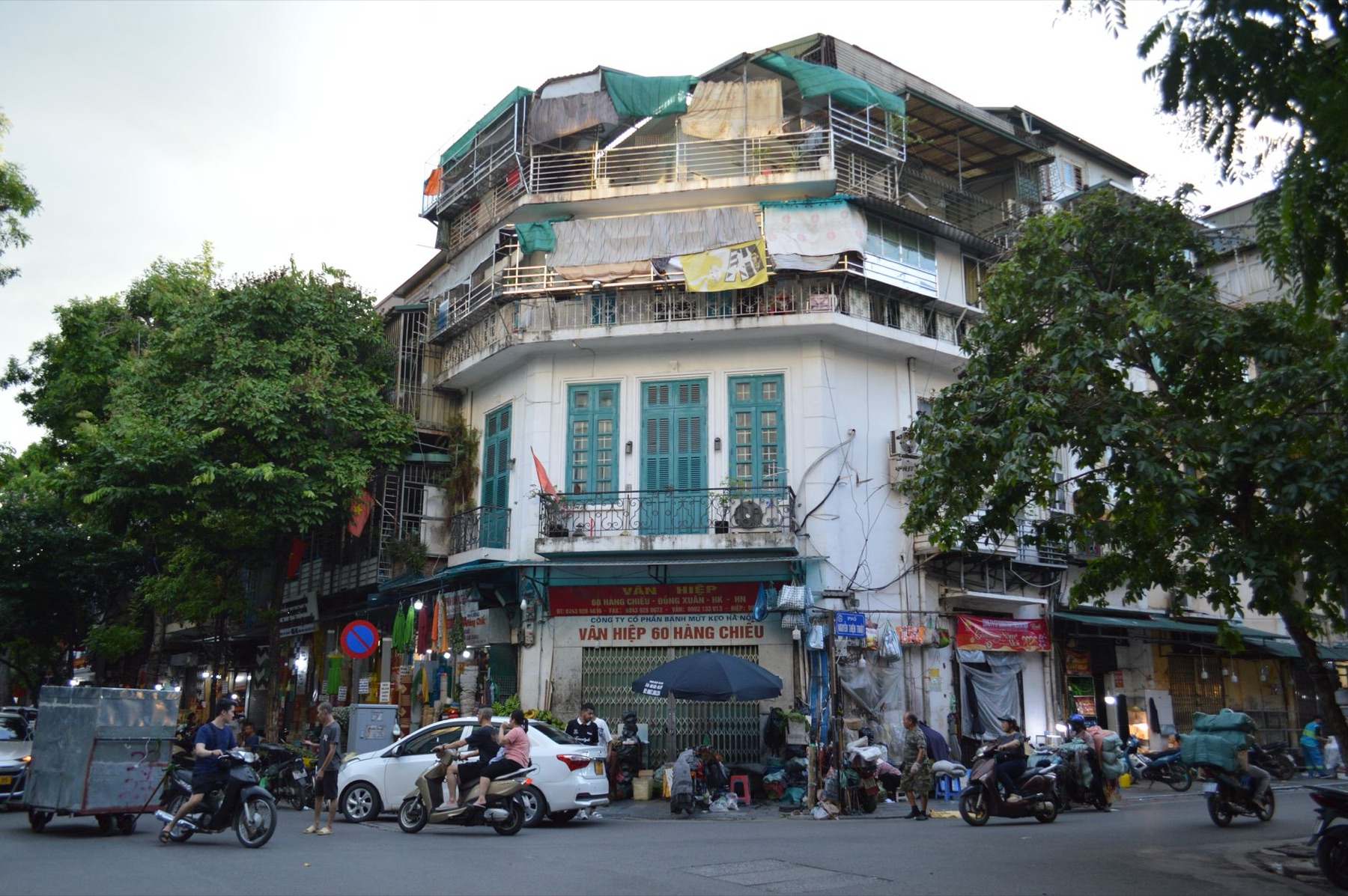
Phở stalls on Hàng Gà open 6:30 a.m., close by 10 a.m. Bánh mì vendors on Hàng Chiếu work 8 a.m.–5 p.m. with a lunch rush 11:30 a.m.–1:30 p.m. Bánh canh spots near the Old Quarter's north edge (Hang Than area) operate 6:30–10 a.m. only. Egg coffee shops cluster around the Old Quarter's edges (Ngõ Mục, Hàng Mành side streets) and stay open 10 a.m.–8 p.m. Grilled snails (ốc nướng) carts appear on Tạ Hiện and Luỹ Bán Bích after 4 p.m.
📸 Book an ao dai photoshoot in Hanoi or Saigon (Cáo Studio)
What should you check before ordering?
Use this five-point checklist before paying:
- Ingredient visibility: Vegetables and proteins should be in open view, not hidden in covered bins. Cooked items should steam or glisten; dull surfaces suggest age.
- Queue presence: Lunch and breakfast rush (7–9 a.m., 11:30 a.m.–1:30 p.m.) indicate freshness. A solo customer at 2 p.m. suggests stock has sat since noon.
- Stall cleanliness: Wet, swept ground and clean utensils matter. Sticky tables or trash piles are red flags.
- Vendor attire: Hairnets and aprons aren't required but suggest higher standards. Unwashed hands are grounds to walk.
- Verbal clarity: Ask "Hôm nay có gì tươi?" ("What's fresh today?"). A hesitant answer means cook-to-order is unavailable.
Tourists often mistake "busy = good" for "good = busy." A stall busy at 3 p.m. means tourists, not locals. A stall busy at 7:30 a.m. means breakfast locals know quality. Egg coffee at a tourist café (30+ reviews online, English menu) will be safe but standardized; egg coffee at a hole-in-wall (locals only, no signage) will taste richer but carries stomach risk if you're new to Vietnam. Choose your risk tolerance first.
Which neighborhoods offer authentic Old Quarter street food?
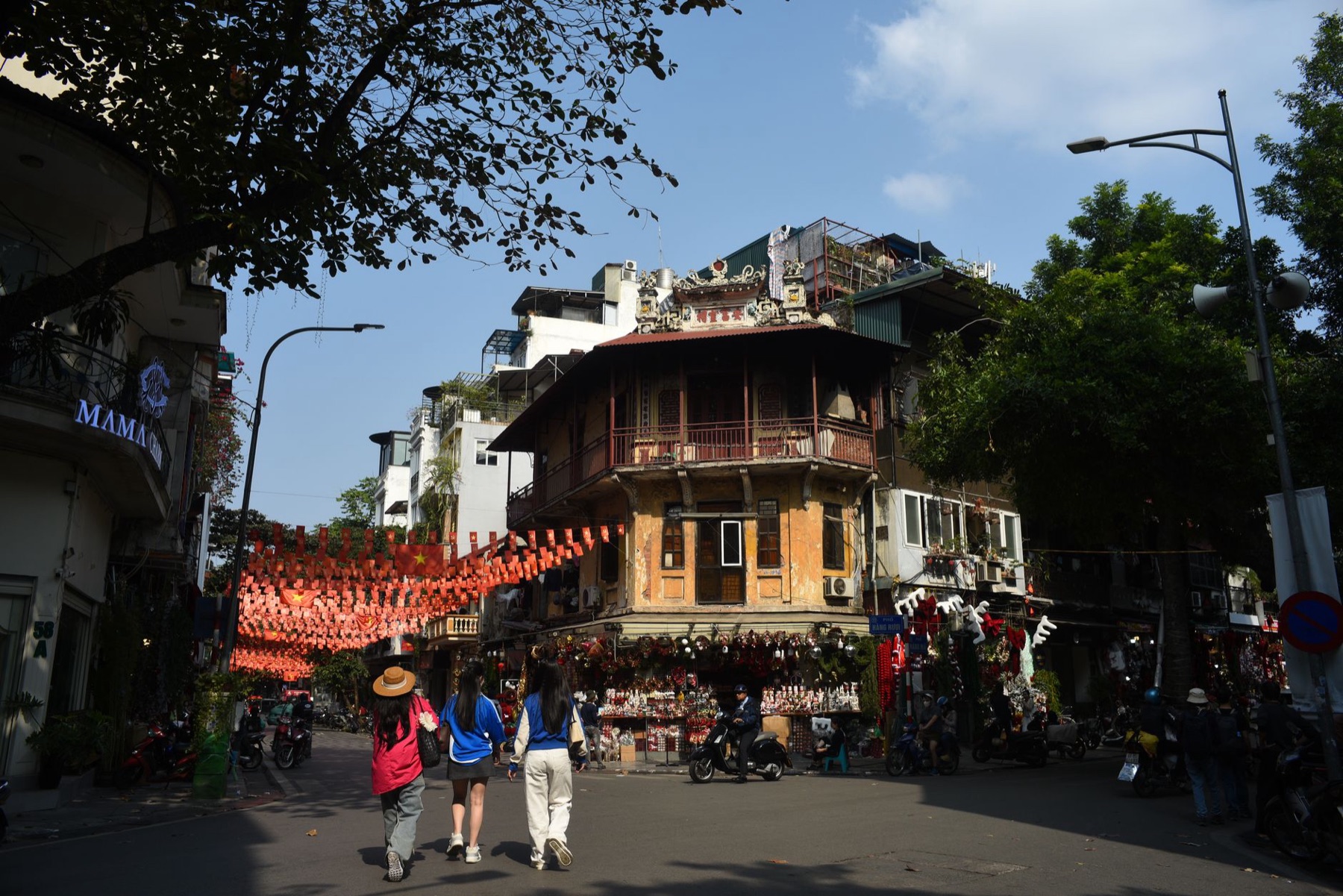
Hanoi's Old Quarter isn't one block—it's 36 streets, each with specialties. Hàng Gà (Chicken Street) centers on phở and rice soup. Hàng Mành (Mat Street) hosts bánh canh stands and noodle vendors. Tạ Hiện and Luỹ Bán Bích are tourist-heavy but unavoidable—accept 30% markup for convenience and English. The real value is one block away: Hàng Chiếu (Straw Mat Street) has bánh mì carts at local prices. Hàng Ngang and Hàng Than have grilled meat stalls and snail vendors. Ngõ Mục (tiny alley off Hàng Mành) holds egg coffee specialists.
Streets running east–west (Hàng Gà, Hàng Mành, Hàng Chiếu) are oldest and most established. Streets running north–south (Tạ Hiện, Luỹ Bán Bích) are touristy but convenient for navigation. Alleys (ngõ) between them hold hidden gems: locals eat there, stalls don't advertise, prices reflect true cost. Get lost deliberately—knock on a door if you smell pork broth, and eat where you find yourself. Bring 500,000 VND in small bills and hand payment in notes (coins are considered rude).
🎟️ Compare tours & tickets for this place
How do you avoid scams and safety issues?
Street food scams in Old Quarter are rare but exist. The main trap: paying before eating. Hand money only after the bowl is in front of you. Some carts advertise "fixed price" menus on laminated boards; hidden charges appear as "service" (5,000–10,000 VND) for tourists. Ask the price, repeat it back, and confirm no extras before sitting.
Stomach upset is possible—not from food quality but from bacterial load unfamiliar to foreign gut bacteria. Start with cooked, hot items (phở, soup). Avoid uncooked vegetables at first. Drink only bottled water or coffee made with boiled water. Digestive issues peak on days 2–5; by day 7, your stomach adapts. Travel with oral rehydration salts (ORS packets are sold at pharmacies for around 5,000–15,000 VND, $0.20–$0.60 USD).
Harassment of tourists is low. Touts may approach on Tạ Hiện selling beer or tours—a firm "không, cảm ơn" (no, thank you) ends it. Don't hand money to unofficial coin changers. Stick to official markets, ATMs, and registered stalls. Pickpocketing peaks at night on packed streets; keep one hand on your bag during evening food runs.
---
Explore more Hanoi food guides →
---
More destinations for food exploration:
- Ho Chi Minh City street food & markets →
- Hoi An culinary guide →
- Ninh Binh local dishes →
- Full Hanoi neighborhood guide →
Carry a Vietnam eSIM for instant maps and translation apps. Plan your full trip with a Vietnam itinerary template.
FAQ
Is street food in Old Quarter safe for tourists?
Yes, if you choose busy stalls during meal hours and avoid uncooked vegetables initially. Cooked phở, bánh mì, and fried items are lowest-risk. Your stomach may take 3–5 days to adjust; bring oral rehydration salts as backup. Eat where locals queue, not where touts point.
How much should I expect to spend on a meal?
A full meal (soup or sandwich + drink) costs around 40,000–80,000 VND ($1.60–$3.20 USD). Phở is 30,000–60,000 VND ($1.20–$2.40 USD); bánh mì is 20,000–40,000 VND ($0.80–$1.60 USD). Prices are fixed year-round. Tourist areas charge 30–50% more; alleys offer local rates.
What time should I eat street food to avoid crowds?
Early morning (6:30–8:30 a.m.) for phở and bánh canh; mid-morning (9–11 a.m.) for bánh mì and spring rolls; evening (5–7 p.m.) for grilled items and snails. Lunch rush (11:30 a.m.–1:30 p.m.) means crowds but fresh stock. Late afternoon (2–4 p.m.) is quiet but inventory may be depleted.
Can I get food delivered from Old Quarter stalls?
No. Street food stalls don't deliver. Grab and Gojek apps list some nearby sit-down vendors, but authentic carts are cash-only, no apps. Eat on-site or take away within minutes. Many dishes (phở, soup) lose quality within 10 minutes.
Should I tip street food vendors?
Tipping is not expected or common. Rounding up your change (e.g., paying 55,000 VND for 50,000 VND meal) is appreciated but optional. If a vendor goes out of their way (custom order, special ingredient), 5,000–10,000 VND ($0.20–$0.40 USD) is generous.
What's the difference between tourist and local prices?
Tourist areas (Tạ Hiện, main Old Quarter corners) charge 30–60% more. A phở that costs 40,000 VND in an alley costs 60,000–70,000 VND on Tạ Hiện. Side streets off Hàng Gà and Hàng Chiếu offer local rates. Ask locals to point you away from tourist strips.
FAQ
Is street food in Old Quarter safe for tourists?
Yes, if you choose busy stalls during meal hours and avoid uncooked vegetables initially. Cooked phở, bánh mì, and fried items are lowest-risk. Your stomach may take 3–5 days to adjust; bring oral rehydration salts as backup. Eat where locals queue, not where touts point.
How much should I expect to spend on a meal?
A full meal (soup or sandwich + drink) costs around 40,000–80,000 VND ($1.60–$3.20 USD). Phở is 30,000–60,000 VND ($1.20–$2.40 USD); bánh mì is 20,000–40,000 VND ($0.80–$1.60 USD). Prices are fixed year-round. Tourist areas charge 30–50% more; alleys offer local rates.
What time should I eat street food to avoid crowds?
Early morning (6:30–8:30 a.m.) for phở and bánh canh; mid-morning (9–11 a.m.) for bánh mì and spring rolls; evening (5–7 p.m.) for grilled items and snails. Lunch rush (11:30 a.m.–1:30 p.m.) means crowds but fresh stock. Late afternoon (2–4 p.m.) is quiet but inventory may be depleted.
Can I get food delivered from Old Quarter stalls?
No. Street food stalls don't deliver. Grab and Gojek apps list some nearby sit-down vendors, but authentic carts are cash-only, no apps. Eat on-site or take away within minutes. Many dishes (phở, soup) lose quality within 10 minutes.
Should I tip street food vendors?
Tipping is not expected or common. Rounding up your change (e.g., paying 55,000 VND for 50,000 VND meal) is appreciated but optional. If a vendor goes out of their way (custom order, special ingredient), 5,000–10,000 VND ($0.20–$0.40 USD) is generous.
What's the difference between tourist and local prices?
Tourist areas (Tạ Hiện, main Old Quarter corners) charge 30–60% more. A phở that costs 40,000 VND in an alley costs 60,000–70,000 VND on Tạ Hiện. Side streets off Hàng Gà and Hàng Chiếu offer local rates. Ask locals to point you away from tourist strips.