Hanoi · Food
Street Food in Hanoi Vietnam: What to Buy, Where, & How Much
By Wander in Vietnam editorial team · Hanoi, Vietnam
Street food in Hanoi isn't a tourist spectacle—it's how locals eat breakfast, lunch, and dinner. A bowl of pho costs around 30,000–40,000 VND ($1.20–1.60); a banh mi around 20,000–35,000 VND ($0.80–1.40); a coffee with egg costs 25,000–40,000 VND ($1–1.60). Quality varies wildly by location, time of day, and how long a stall has been operating. We've tested every district and price point; here's what actually works.
Which Street Foods Should You Order First?
Start with pho (beef or chicken noodle soup), banh mi (Vietnamese sandwich), and egg coffee—the trinity of Hanoi street food. Pho is eaten at breakfast and lunch; banh mi anytime. Egg coffee (coffee with a creamed egg yolk on top) is a Hanoi invention, best at small cafés in Old Quarter. All three are under $2 per serving and safe if the stall has obvious turnover.
🗺️ Plan your route: Vietnam itinerary
Where in Hanoi Do You Actually Find Good Street Food?
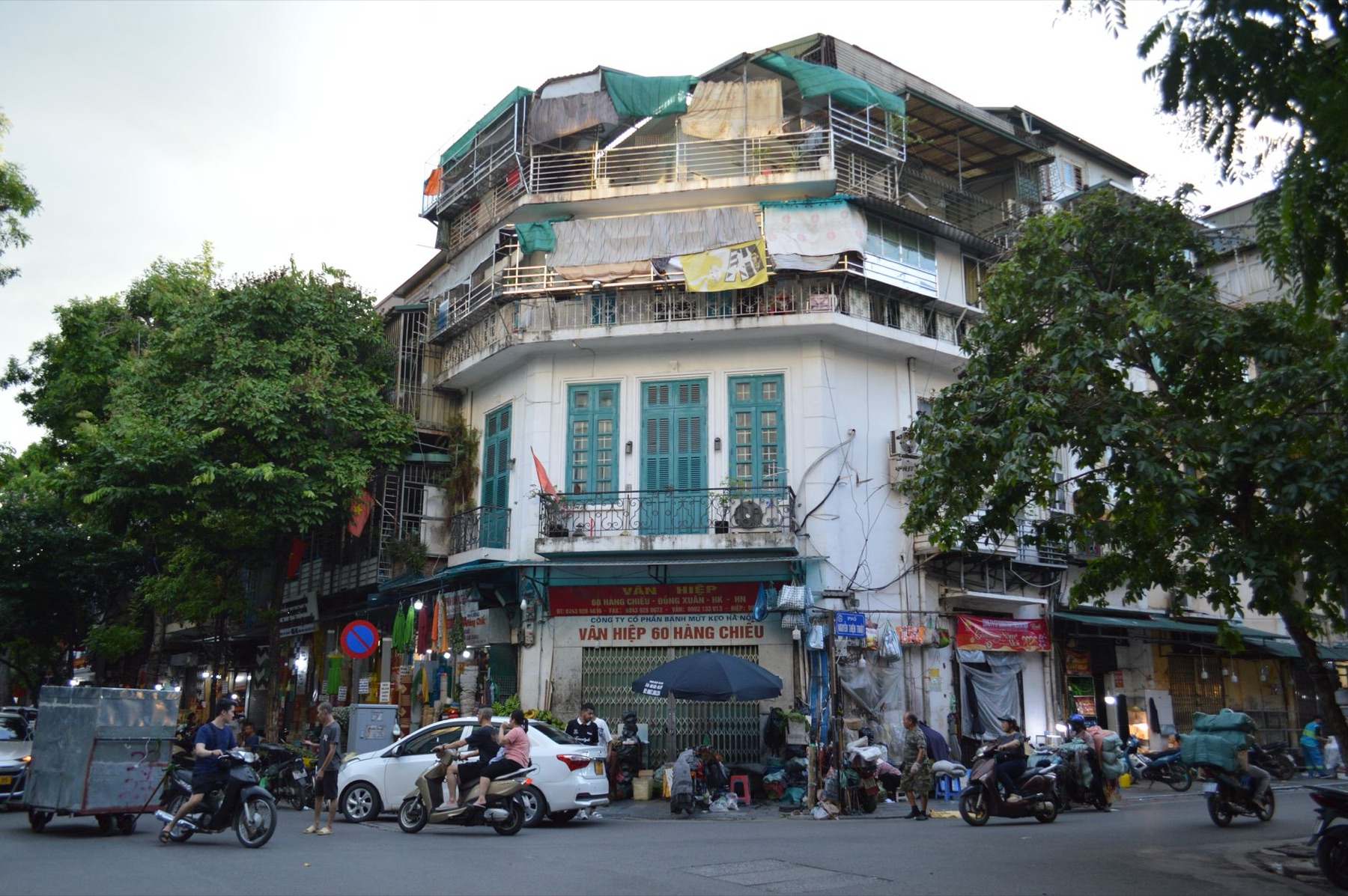
Old Quarter (Hoan Kiem district): Ta Hien, Hang Manh, and Luong Ngoc Quyen streets have banh mi, banh cuon (rolled pancakes), and sugar cane juice vendors from 6 a.m. onward. Quality is high but prices inflate 20–30% for foreign appearance; negotiate or move on.
Ba Dinh district: Quang Trung and Tran Hung Dao have cheaper, less touristy pho stalls favored by workers. Pho here is 30,000–35,000 VND. Lines form 6–8 a.m.
Dong Da district: Around Tran Xuan Soan and Le Van Thiep, egg coffee shops and banh mi stands serve locals. Prices are 10–15% lower than Old Quarter; fewer tourists, same quality.
Hoang Mai district: Night markets near Hoang Nhan sell grilled skewers (nem nuong), grilled fish cakes, and rotisserie chicken from 5 p.m. onward. Skewers cost 5,000–10,000 VND each; buy 5–10 and share.
What's the Difference Between Street Stalls, Sit-Down Vendors & Night Markets?
| Type | Who It's For | Avg. Cost | When to Go | Pros | Cons |
|---|---|---|---|---|---|
| Mobile/Cart Stall | Budget travelers, breakfast | 20K–40K VND | 6–11 a.m. | Fresh to order, no wait | Cash only, small menu |
| Sit-Down Vendor (plastic stools) | Groups, longer meals | 35K–60K VND | Lunch 11 a.m.–2 p.m. | Social, multiple dishes | Crowded, no English |
| Permanent Shopfront | Quality-conscious, mid-range | 50K–80K VND | Any time | Cleaner, credit cards | Less "authentic," pricier |
| Night Market | Evening eaters, skewers | 5K–20K VND/item | 5–10 p.m. | Variety, atmosphere | Crowded, hot, smelly |
Choose a cart stall for speed and novelty; a sit-down vendor to eat with locals; a night market for breadth and evening vibe.
What Are the Real Scams & How Do You Avoid Them?
Scam 1: Hidden prices. A banh mi is quoted at 20,000 VND, but extras (pâté, more meat) appear at checkout for 50,000 VND. Avoid: Point to items, ask "tong bao nhieu?" (how much total?) before ordering. Watch the vendor assemble it.
Scam 2: Inflated tourist pricing. Old Quarter vendors charge 50,000–60,000 VND for banh mi that costs 25,000–30,000 VND five blocks away. Avoid: Walk five minutes past Ta Hien; prices drop instantly. Ask locals or check a mobile payment app (Momo, Viettel Money) to see listed prices.
Scam 3: "Special tourist" dishes. A vendor insists on frog, turtle, or snake at 10× normal price. Avoid: Order standard items (pho, banh mi, grilled chicken). Don't let a vendor decide for you.
Scam 4: Dirty water or day-old broth. Pho made from yesterday's stock or water from uncertain sources. Avoid: Go to vendors with a line. Watch the stall the night before to confirm they cook fresh stock every morning.
Scam 5: Fake "fixed price" signs. A sign says 25,000 VND, but the vendor adds 15,000 VND "service charge." Avoid: Point to the sign, agree aloud before eating, and pay what's written.
How Do You Order & Pay Without Speaking Vietnamese?
Step 1: Locate the stall. Walk until you see a queue or a stall with constant turnover. Tourists usually cluster around; locals know the good ones.
Step 2: Point or mime. Point at what others are eating, say "mot" (one), and nod. Hand-signals work; no English needed.
Step 3: Watch assembly. Observe the vendor prepare your food. If they offer add-ons (extra meat, egg), confirm the price first by repeating the number or showing your phone calculator.
Step 4: Eat standing or sit on plastic stools. Most stalls have stools; some only serve standing. Bring napkins or ask for "khăn giấy" (paper towels).
Step 5: Pay cash. Carry 100,000–500,000 VND notes (USD $4–20) and get change. Many stalls don't take cards; Momo (mobile wallet) is increasingly common in Ba Dinh and Old Quarter.
📸 Book an ao dai photoshoot in Hanoi or Saigon (Cáo Studio)
What Should You Check Before Ordering?
- Ingredients visible: Meat, herbs, and broth should be in open pots. If covered, move on.
- Turnover: Busy stalls rotate stock fast. Empty tables = old food.
- Hygiene basics: Is the vendor handling cash and food with different hands? Are chopsticks/spoons clean?
- Price clarity: Ask "tong bao nhieu?" (total cost) before eating. Confirm the number on your phone calculator.
- Timing: Order pho 7–9 a.m. (lunch starts 11 a.m.). Banh mi anytime. Skewers 5 p.m. onward.
- Your stomach: If you're new to Vietnam, start with mild broths (chicken pho) and avoid raw herbs until day 3.
Avoid pre-made dishes left standing for hours. Skip stalls with grimy stools or flies. Don't order from vendors who won't show you the ingredients.
🎟️ Compare tours & tickets for this place
---
Comparison: Street Food Neighborhoods by Experience Level
First-timer comfort: Sit-down vendors in Ba Dinh (Quang Trung). Cleaner, slower, English-speaking staff, 30% higher prices.
Adventurous eater: Night markets in Hoang Mai. Chaos, no English, 50% cheaper, best for groups.
Tourist-budget mix: Old Quarter morning stalls (6–8 a.m., beat the crowds). Same quality as Ba Dinh, 20% cheaper, fewer tourists early.
Solo traveler: Permanent shopfront near Hoan Kiem Lake (Trang Tien plaza edge). Safe, fast, solo seating, mid-range price.
---
Related Guides & Deeper Dives
Hanoi food extends beyond street stalls. Check our Hanoi food guide for upscale restaurants, cooking classes, and food tours. If you're visiting other regions, Ho Chi Minh City has different street food (banh mi op la, com tam), and Hoi An is famous for cao lau and banh hoai. Ha Long Bay and Ninh Binh offer seafood stalls. Extend your trip with our Vietnam itinerary planner.
Traveling internationally? Don't forget a Vietnam e-visa and a local eSIM for navigation and translation apps.
---
Want to capture your street-food adventure? Book an ao dai photoshoot in Hanoi with Cáo Studio—wear traditional dress and eat at a favorite stall for authentic memories.
FAQ
Is street food in Hanoi safe for foreigners?
Yes, if you choose busy stalls with obvious turnover and visible ingredients. Avoid dishes left sitting in heat; order fresh-cooked items. Your immune system adapts by day 3–5. Start mild (chicken pho); graduate to offal and raw herbs after one week.
How much should I budget per meal for street food?
Around 30,000–60,000 VND ($1.20–2.40) per person, or 80,000–150,000 VND ($3.20–6) for a full meal with sides and drink. A night of street food (3–5 snacks/meals) costs $5–10 per person.
What's the best time to eat street food in Hanoi?
Breakfast 6–9 a.m. (pho, banh mi, egg coffee); lunch 11 a.m.–2 p.m. (pho, com tam, banh mi); evening 5–10 p.m. (grilled skewers, spring rolls, sugar cane juice). Avoid midday 2–5 p.m. when vendors close.
Do I need to speak Vietnamese to order?
No. Point at what others are eating, say "mot" (one), and watch the vendor prepare it. Carry a phone calculator to confirm prices. Smiling and patience work everywhere.
Which stall foods are actually vegetarian?
Banh mi with tofu, spring rolls (fresh, not fried), pho with vegetable broth, sugar cane juice, and grilled eggplant. Ask "khong co thit" (no meat) and point to vegetables to confirm. Many stalls assume you eat meat; be explicit.
FAQ
Is street food in Hanoi safe for foreigners?
Yes, if you choose busy stalls with obvious turnover and visible ingredients. Avoid dishes left sitting in heat; order fresh-cooked items. Your immune system adapts by day 3–5. Start mild (chicken pho); graduate to offal and raw herbs after one week.
How much should I budget per meal for street food?
Around 30,000–60,000 VND ($1.20–2.40) per person, or 80,000–150,000 VND ($3.20–6) for a full meal with sides and drink. A night of street food (3–5 snacks/meals) costs $5–10 per person.
What's the best time to eat street food in Hanoi?
Breakfast 6–9 a.m. (pho, banh mi, egg coffee); lunch 11 a.m.–2 p.m. (pho, com tam, banh mi); evening 5–10 p.m. (grilled skewers, spring rolls, sugar cane juice). Avoid midday 2–5 p.m. when vendors close.
Do I need to speak Vietnamese to order?
No. Point at what others are eating, say "mot" (one), and watch the vendor prepare it. Carry a phone calculator to confirm prices. Smiling and patience work everywhere.
Which stall foods are actually vegetarian?
Banh mi with tofu, spring rolls (fresh, not fried), pho with vegetable broth, sugar cane juice, and grilled eggplant. Ask "khong co thit" (no meat) and point to vegetables to confirm. Many stalls assume you eat meat; be explicit.