Hanoi · Food
Street Food in Hanoi: Where to Eat & What Costs (2026)
By Wander in Vietnam editorial team · Hanoi, Vietnam
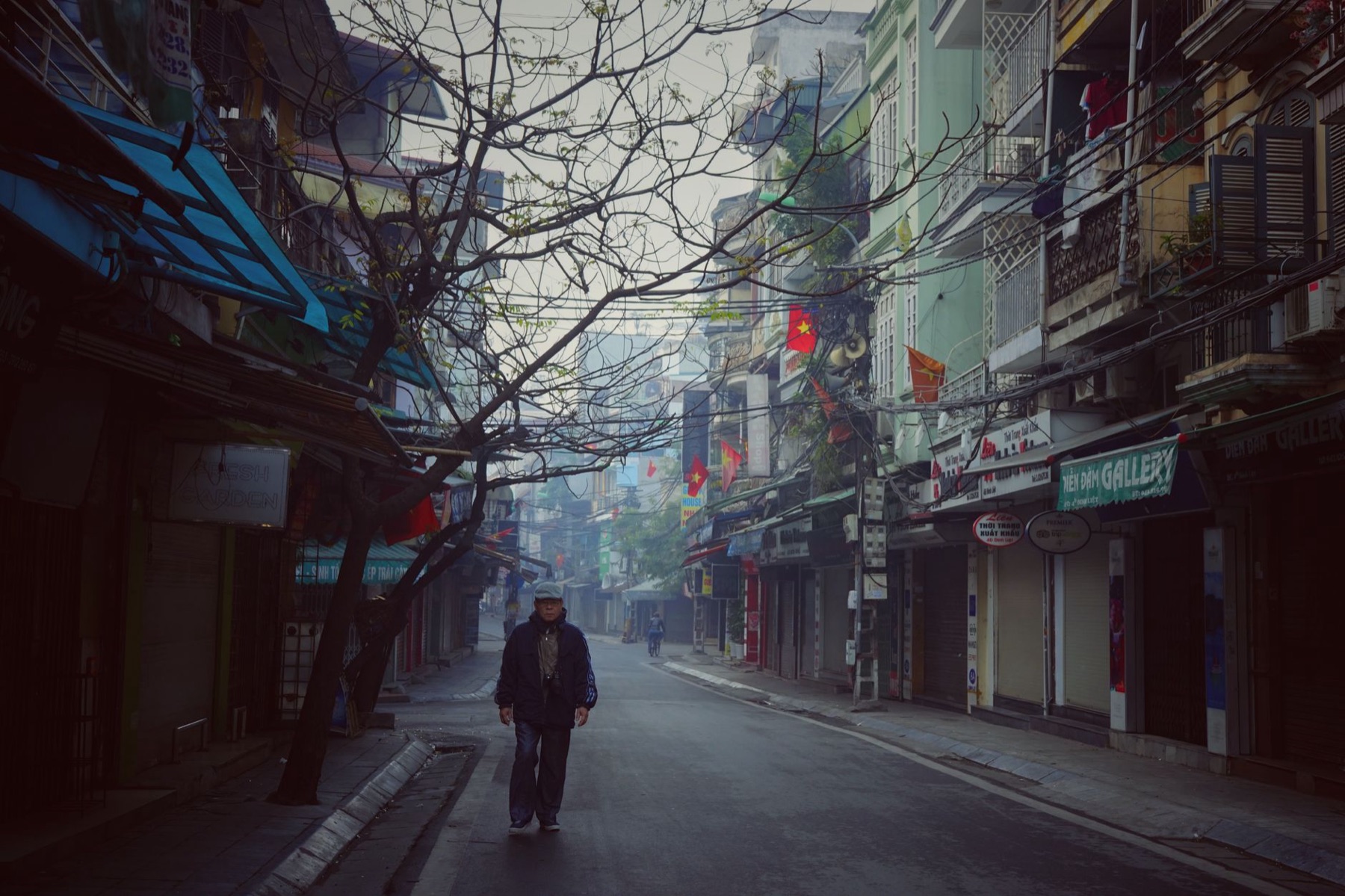
Hanoi's street food economy isn't quaint—it's how the city feeds itself. Vendors start at 5 a.m., hit their peak 6–8 a.m., then shift to lunch service. By midday, many disappear. The stalls that survive on foot traffic alone are the ones eating the same food they're selling to you. We've spent mornings ducking under laundry lines and stepping over motorbike tires to eat where it matters.
Which Hanoi Street Food Stall Should You Visit First?
Start in the Old Quarter (Hoan Kiem District), where Hang Ga, Hang Manh, and the lanes around Hoan Kiem Lake concentrate food vendors. Tay Ho (West Lake, Ba Dinh District) offers a quieter, wealthier neighbourhood vibe with slightly higher prices but less tourist markup. Ba Dinh's residential backstreets near Doi Can have zero foreigners and authentic breakfast queues. Don't go to Nguyen Hue Walking Street in Ho Chi Minh City—we mean Hanoi's Old Quarter instead.
Most first-time visitors overpay by 50% because they eat where signage is in English or they point at photos. The rule: if the proprietor laughs at your order or starts negotiating price, you're in the wrong spot. Real food stalls have fixed pricing chalked on a board or simply repeat the number once.
🗺️ Plan your route: Vietnam itinerary
How Much Does Hanoi Street Food Really Cost?
| Dish | Typical Stall Price (VND) | USD Equivalent | Best Time | Notes |
|---|---|---|---|---|
| Pho (bowl) | 35,000–50,000 | $1.40–$2.00 | 6–9 a.m. | Beef or chicken; broth is key. Taste before salt. |
| Bun Cha (charcoal-grilled pork) | 40,000–70,000 | $1.60–$2.80 | 11 a.m.–1 p.m. | Comes with fish sauce, herbs, rice noodles. |
| Banh Mi (Vietnamese sandwich) | 25,000–40,000 | $1.00–$1.60 | 7 a.m.–4 p.m. | Check fillings—avoid wilted lettuce. |
| Egg Coffee (Ca Phe Trung) | 30,000–50,000 | $1.20–$2.00 | 7–11 a.m. | Whipped egg yolk on coffee. Milk optional. |
| Com Tam (broken rice) | 30,000–50,000 | $1.20–$2.00 | 11 a.m.–1 p.m. | Usually with grilled pork, fried egg, pickles. |
| Banh Xeo (sizzling pancake) | 35,000–60,000 | $1.40–$2.40 | 4–8 p.m. | Crispy on outside; DIY wrapping in lettuce. |
| Grilled Squid (Muc Nuong) | 50,000–100,000 | $2.00–$4.00 | 5–9 p.m. | Buy by stick; ask for less salt first time. |
Prices are consistent across Old Quarter stalls but drift upward near Hoan Kiem Lake's tourist perimeter. West Lake (Tay Ho) charges 10–20% more. Residential Ba Dinh is cheapest. Avoid any stall quoting price in USD—they're hunting tourists.
What's the Difference Between Tourist Stalls & Local Stalls?
Tourist stalls (Old Quarter lanes near hostels):
- Laminated English menus with photos.
- Vendor greets you in English unprompted.
- Price seems negotiable or starts high.
- Seating is on plastic stools facing the street.
- Queues are mixed—foreigners, some locals.
- Cost: 30% markup over local stalls.
Local stalls (Ba Dinh backstreets, Tay Ho quiet lanes):
- Vietnamese-only chalk board or verbal prices.
- Vendor ignores you until you sit or gesture.
- Price is fixed; no discussion.
- Seating is tight; you eat standing or share a stool.
- Queues are all locals; you're the only foreigner.
- Cost: 20,000–40,000 VND for a full meal.
The honest take: tourist stalls aren't scams—food quality is fine, portion sizes fair. You're just paying for convenience and English. If you have time and basic Vietnamese numbers (or Google Translate), go local. If you're rushed, a tourist stall in the Old Quarter is faster and stress-free.
📸 Book an ao dai photoshoot in Hanoi or Saigon (Cáo Studio)
When Should You Eat Each Type of Street Food?
Hanoi's food calendar isn't random. Vendors time production to ingredient availability and customer hunger patterns.
Breakfast (5:30–8:30 a.m.): Pho reigns. Broth has been simmering since 2 a.m. Banh mi bakeries are restocking. This is when you taste Hanoi street food at peak.
Mid-morning (9–11 a.m.): Egg coffee and banh xeo spots ramp up. Pho vendors start to wind down (broth gets weaker as the morning progresses).
Lunch (11 a.m.–1:30 p.m.): Bun cha, com tam, and rice-noodle bowls dominate. The charcoal fire is hot. Pho stalls are closed or clearing stock.
Afternoon (2–4 p.m.): Very quiet. Most stalls shut. Grab banh mi from permanent shops. This is not street food time.
Dinner & late-night (5–9 p.m.): Grilled meats, banh xeo, and seafood stalls fire up. Bia hoi (cheap draft beer) vendors set up small stools. Crowd skews local.
Late-night (9 p.m.–midnight): Pho stalls reopen. Grilled squid, snails, and drunk-food vendors take over. This is Hanoi's true late-night scene—chaotic, loud, unpretentious.
Which Neighbourhoods Have Real Street Food vs. Tourist Versions?
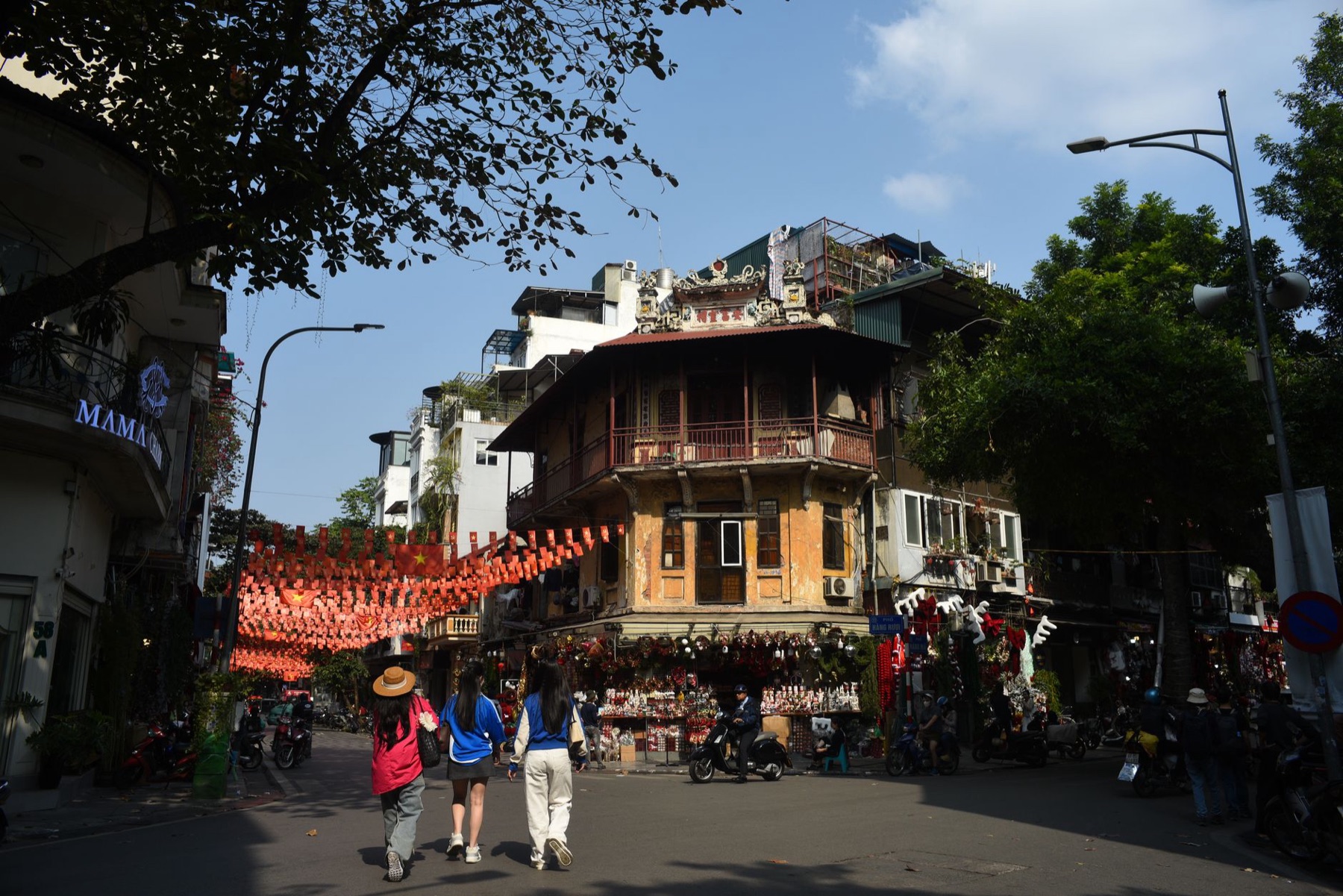
Old Quarter (Hoan Kiem District): Real street food exists here, but you're paying tourist tax. Hang Ga and Hang Manh have mix of both. Early morning (before 7 a.m.) tips toward locals. After 9 a.m., nearly all stalls shift to tourist service.
Ba Dinh (near Doi Can, Nguyen Chi Thanh): Purely local. No English signage. Breakfast is serious business. Prices undercut Old Quarter by 25–40%. Zero tourists. You will stand out; that's normal.
Tay Ho (West Lake): Gentrified lakeside food scene. Prices are higher (50,000–100,000 VND for mains). Quality is reliable. Less chaotic; you can sit and linger. Good for a slower breakfast with a water view.
Hai Ba Trung (near Hang Trong Street): Underrated for lunch. Locals eat here; tourists haven't discovered it. Bun cha and rice bowls are strong. Fewer stalls means less crowding.
Hoan Kiem Lake perimeter: Avoid if price sensitivity matters. Tourist monopoly. Same dishes cost 1.5x the Old Quarter price. The only reason to eat here is lake views and zero language barrier.
Book your itinerary with confidence. We've tested every area—explore our full Hanoi food guide.
What to Check Before Ordering Street Food (and What Goes Wrong)
Hygiene red flags:
- Meat sitting uncovered in warm weather for 30+ minutes.
- Vendor hasn't washed hands between handling money and food.
- Utensils stacked wet without drying (cross-contamination).
- Chopsticks stored in warm water visibly cloudy or uncovered.
Freshness checks:
- Pho broth: should be clear and hot (at least 85°C / 185°F). If it's lukewarm, ask for hot broth to be added.
- Banh mi: bread should crackle when bitten. Soft bread = it's been sitting 2+ hours.
- Grilled meat: should smell smoky and char-marked. Grey meat = reheated from yesterday.
- Herbs (mint, cilantro): should be perky and green. Brown or wilted = old.
Price gotchas:
- Some stalls charge extra for broth top-ups (phô bổ sung). Ask upfront: "Bổ sung tính tiền không?" (Does topping up cost extra?)
- Grilled items sold by weight or stick—clarify before ordering.
- Banh xeo might have an egg surcharge if you ask for extra egg.
Common tourist mistakes:
- Ordering without watching others eat the same dish first. Watch the size and price. Pay attention to where locals sit vs. where tourists sit.
- Sitting at a stall but not ordering immediately. Stools fill fast; if you're slow deciding, locals will politely ask to share your stool.
- Leaving a tip. Street food culture doesn't expect tips. Tipping confuses vendors and looks like a mistake payment.
- Asking for a menu. There is no menu. Point, nod, or say the dish name. Vendor names the price.
What to do if food tastes off:
- Mild stomach upset (1–2 hours after eating) is normal while your body adjusts to local bacteria. Stay hydrated.
- Severe nausea or vomiting within 30 minutes: you hit a hygiene problem. Move on; don't return.
- If it's a price scam (charged 2x the stated amount): pay what was quoted, leave, and don't return. Argue only if you understand Vietnamese well enough to do it without anger.
🎟️ Compare tours & tickets for this place
Which Other Hanoi Experiences Pair with Street Food?
Street food isn't a standalone activity for most visitors. You're eating, not sightseeing. But a few combinations make sense.
Morning street food + Old Quarter walking tour: Eat pho at 7 a.m., then walk Hang Ga and Hang Manh lanes in the cool. Stall owners are mid-rush; the energy is real.
Breakfast in Ba Dinh + day trip to Ha Long Bay: If you're leaving Hanoi early, fuel up on cheap local pho in Ba Dinh, then head to the bus station. Saves time and money.
Evening bun cha + Hoan Kiem Lake sunset: Eat at 5:30 p.m. near Hang Dieu, then walk the lake. By 6 p.m., the evening crowd and light soften the Old Quarter vibe.
Late-night pho + nightlife in Hoan Kiem: Hit pho stalls after 10 p.m. when bars close. It's the true local nightcap.
For a full Hanoi itinerary, plan 3–4 street food meals across different times of day. You'll taste the city's rhythm.
---
📸 Book an ao dai photoshoot in Hanoi or Saigon (Cáo Studio)
Explore Hanoi beyond food—temples, lakes, museums. Or extend your trip: Ha Long Bay, Sapa, Ninh Binh, Hoi An, Ho Chi Minh City. Need connectivity? Get an eSIM for Vietnam. Traveling to Vietnam? Check visa requirements.
FAQ
Is street food in Hanoi safe to eat?
Yes, if you follow basic hygiene rules: eat where locals queue, avoid meat sitting in heat, and drink only bottled or boiled water. Stomach adjustments are normal; severe illness is rare. Trust your instincts—if it looks off, skip it.
How do I know the actual price before ordering?
Ask "Bao nhiêu tiền?" (How much?) before sitting. If the vendor gestures vaguely, watch them serve the same dish to another customer and note the price. In Old Quarter stalls, prices are usually stated on a board. Avoid stalls that quote different prices to foreigners and locals.
Is Egg Coffee (Ca Phe Trung) actually good, or is it a tourist trap?
It's genuinely good if made fresh—whipped egg, condensed milk, and hot coffee create a custard-like drink. But tourist cafés overprice it (50,000+ VND) and make it too sweet. Eat it at a working stall, not a sit-down café. Ask for less sugar on your first try.
What's the best time to eat street food in Hanoi?
Early morning (6–8 a.m.) for pho and banh mi. Lunch (11 a.m.–1 p.m.) for bun cha and rice bowls. Evening (5–7 p.m.) for grilled meat. Avoid 2–4 p.m.—nearly all stalls close. Late-night (9 p.m.–midnight) is chaotic but authentic.
Do I need to speak Vietnamese to order?
No. Point, nod, or show Google Translate. Vendors are used to foreigners. Body language works fine. Learning numbers 1–10 in Vietnamese helps with price negotiation but isn't essential.
Can I pay by credit card or must I use cash?
Street food stalls are cash-only (Vietnamese dong). Most Old Quarter stalls do accept US dollars, but exchange rates are poor. Bring 200,000–500,000 VND cash per day for food. ATMs are plentiful near Hoan Kiem Lake.
FAQ
Is street food in Hanoi safe to eat?
Yes, if you follow basic hygiene rules: eat where locals queue, avoid meat sitting in heat, and drink only bottled or boiled water. Stomach adjustments are normal; severe illness is rare. Trust your instincts—if it looks off, skip it.
How do I know the actual price before ordering?
Ask "Bao nhiêu tiền?" (How much?) before sitting. If the vendor gestures vaguely, watch them serve the same dish to another customer and note the price. In Old Quarter stalls, prices are usually stated on a board. Avoid stalls that quote different prices to foreigners and locals.
Is Egg Coffee (Ca Phe Trung) actually good, or is it a tourist trap?
It's genuinely good if made fresh—whipped egg, condensed milk, and hot coffee create a custard-like drink. But tourist cafés overprice it (50,000+ VND) and make it too sweet. Eat it at a working stall, not a sit-down café. Ask for less sugar on your first try.
What's the best time to eat street food in Hanoi?
Early morning (6–8 a.m.) for pho and banh mi. Lunch (11 a.m.–1 p.m.) for bun cha and rice bowls. Evening (5–7 p.m.) for grilled meat. Avoid 2–4 p.m.—nearly all stalls close. Late-night (9 p.m.–midnight) is chaotic but authentic.
Do I need to speak Vietnamese to order?
No. Point, nod, or show Google Translate. Vendors are used to foreigners. Body language works fine. Learning numbers 1–10 in Vietnamese helps with price negotiation but isn't essential.
Can I pay by credit card or must I use cash?
Street food stalls are cash-only (Vietnamese dong). Most Old Quarter stalls do accept US dollars, but exchange rates are poor. Bring 200,000–500,000 VND cash per day for food. ATMs are plentiful near Hoan Kiem Lake.