Hanoi · Food
Street Food Tour Hanoi Vietnam: What to Eat & Where
By Wander in Vietnam editorial team · Hanoi, Vietnam
Hanoi's street food scene is the heart of the city's culture. Expect to spend around 100,000–300,000 VND ($4–12 USD) per stop, visiting 5–7 spots over 2–3 hours. We recommend joining a small local-led group or self-guiding using neighborhood maps to catch vendors during peak hours (6–9 a.m., 11 a.m.–1 p.m., 5–7 p.m.).
What Does a Hanoi Street Food Tour Actually Include?
A typical street food tour covers 5–7 signature Hanoi dishes, each at a different vendor or alley stall. You'll taste pho (beef or chicken noodle soup), banh mi (Vietnamese sandwich), egg coffee, cha ca (turmeric fish), banh hoai (crispy pancake from Hoi An style), fresh spring rolls, and grilled meat skewers. Most tours last 2–3 hours, cost around 500,000–1,500,000 VND ($20–60 USD) if booked through an agency, or 150,000–300,000 VND ($6–12 USD) per dish if you self-guide. The real value is learning which vendor to queue for and what time to arrive before locals clean out the best items.
🗺️ Plan your route: Vietnam itinerary
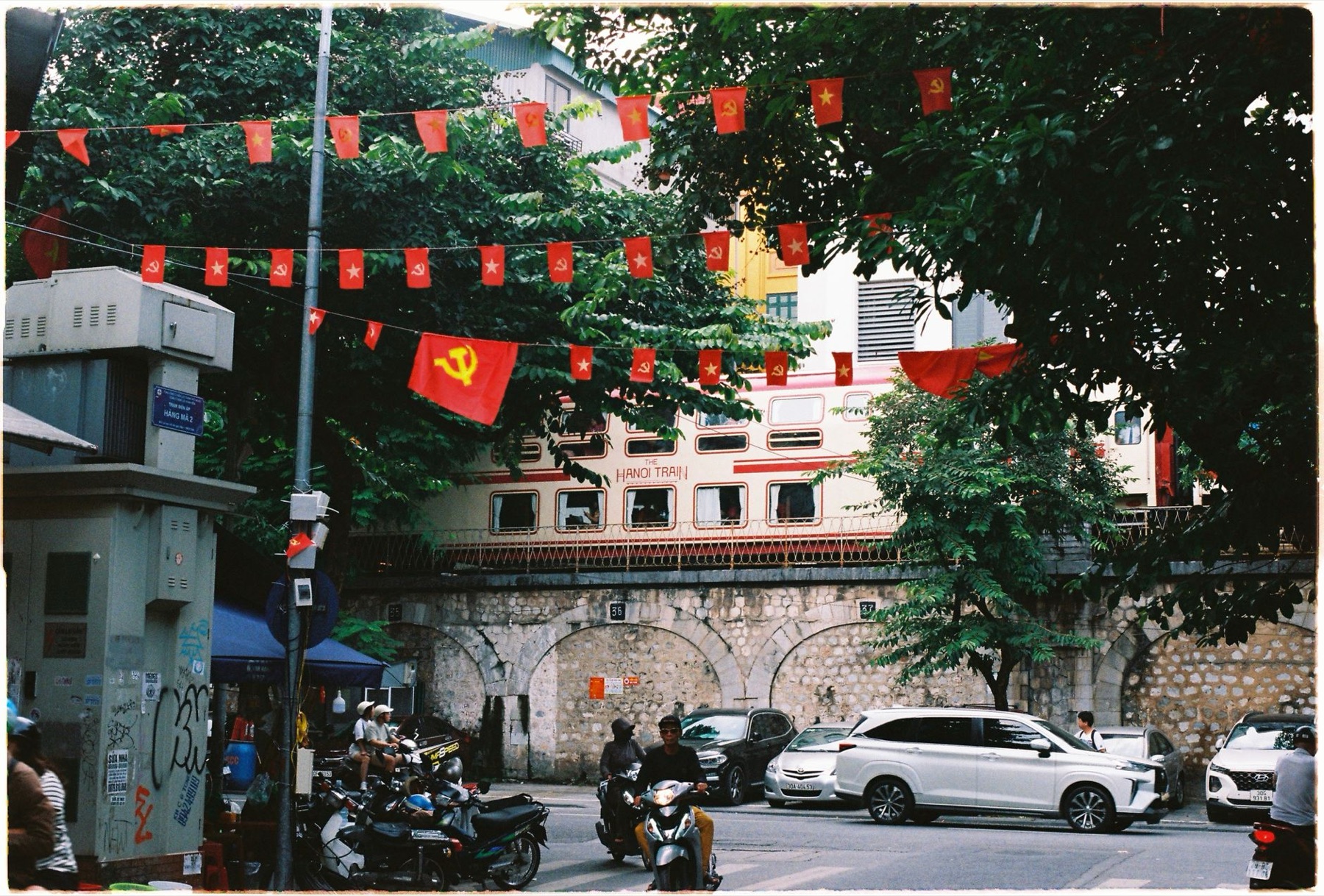
Best Neighborhoods for Street Food in Hanoi
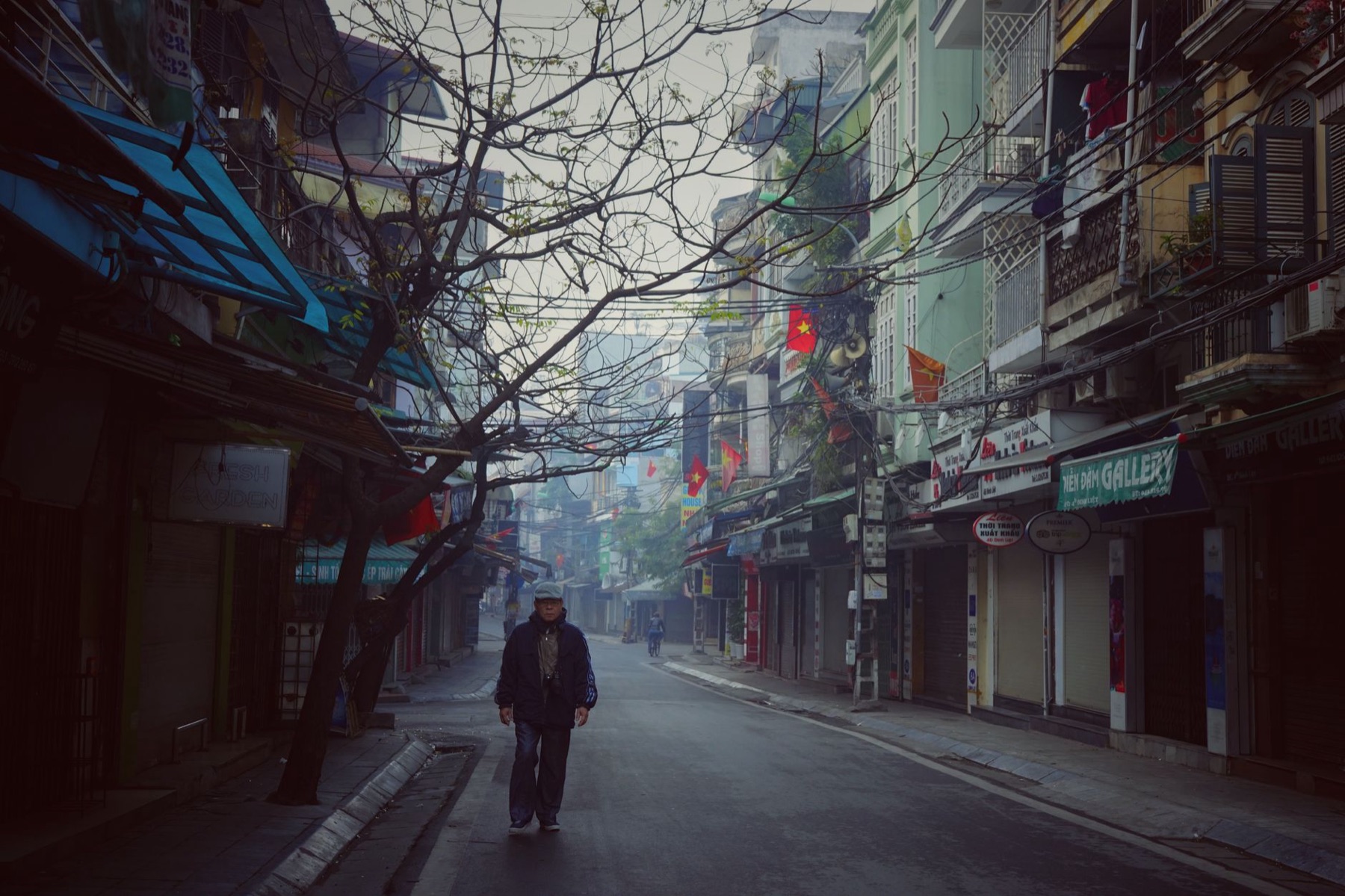
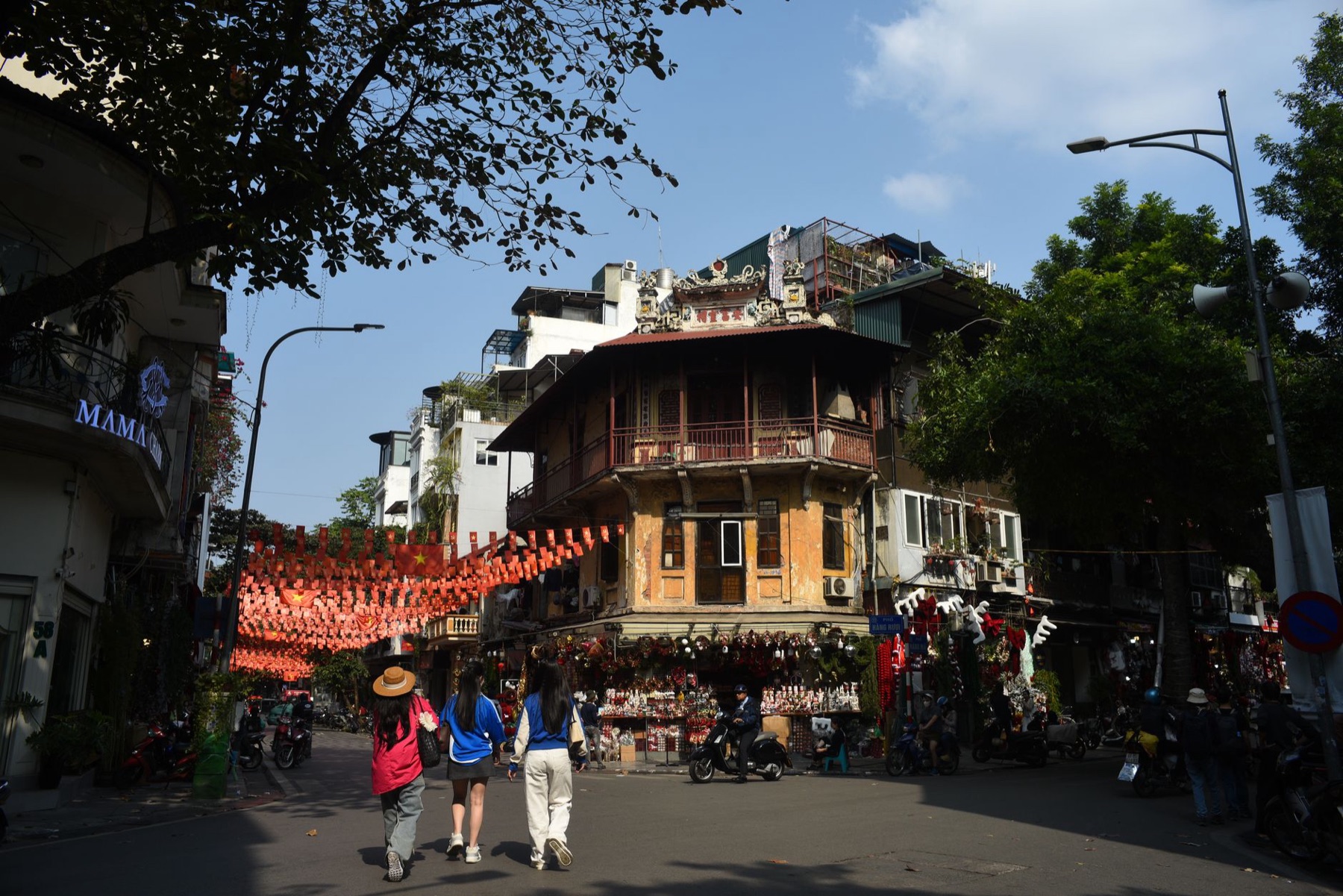
Old Quarter (Hoan Kiem District): Narrow streets like Ta Hien, Hang Manh, and Hang Gai are packed with vendors. Pho, banh mi, and egg coffee shops here open 6 a.m.–10 p.m. A bowl of pho costs around 40,000–70,000 VND ($1.60–2.80 USD). Peak tourist hours are 7–9 a.m. and 6–8 p.m.; go 11 a.m.–1 p.m. to avoid crowds and eat with locals.
Hang Thiec Alley (Dong Da District): Famous for meat-filled banh hoai and fried shallot rolls. Morning-only vendors (6–10 a.m.) sell out fast; expect 30,000–50,000 VND ($1.20–2 USD) per item.
Hang Tuah (Hoan Kiem District): Known for cha ca (turmeric fish with dill); the classic spot has seating, costs around 100,000–150,000 VND ($4–6 USD), and operates 11 a.m.–7 p.m.
Railway Side Tracks (Dong Da District): Vendors operate 6–11 a.m. and 4–7 p.m. near Hang Dau station, selling grilled meat skewers (nem nuong) for 20,000–40,000 VND ($0.80–1.60 USD) per pair. Seating is on plastic stools overlooking the old track; watch for scooters and respect the narrow space.
Turtle Lake & Hoan Kiem Perimeter: Early morning (6–8 a.m.) vendors serve banh cuon (rolled crepes) and pate chaud (savory pastries) for 20,000–40,000 VND ($0.80–1.60 USD). Less crowded than Old Quarter but fewer vendors.
How to Compare Tours vs. Self-Guided Options
| Tour Type | Cost (VND) | Duration | Group Size | Best For | What to Check |
|---|---|---|---|---|---|
| Private local guide (booked direct) | 800,000–1,500,000 | 2.5 hrs | 1–4 people | Personalized route, insider tips | Confirm guide speaks English/your language; ask if they've updated stops in last month |
| Group agency tour | 500,000–1,200,000 | 2.5–3 hrs | 8–15 people | Budget-friendly, set itinerary | Check reviews on TripAdvisor; ask if lunch is included or just tastings |
| Self-guided (with map) | 150,000–400,000 | 3–4 hrs | Just you | Total flexibility, learn neighborhoods | Download offline map; carry cash (most vendors cash-only); bring small bills for change |
| Walking tour + cooking class combo | 1,200,000–2,500,000 | 4–5 hrs | 4–10 people | Taste + skill-building | Confirm cooking location is in Hanoi (not a tourist resort); check if ingredients included |
Best for single travelers: Self-guided in Old Quarter, morning only. Best for groups: Private local guide (split cost = around 200,000–400,000 VND/$8–16 per person). Best for returners: Railway tracks or Turtle Lake (fewer tourists, same quality).
📸 Book an ao dai photoshoot in Hanoi or Saigon (Cáo Studio)
What to Check Before Ordering & Common Scams to Avoid
Fake egg coffee: Instant coffee with sweetened condensed milk posed as "traditional." Real egg coffee (ca phe trung) has whipped egg yolk on top; the vendor should make it in front of you. Cost around 30,000–50,000 VND ($1.20–2 USD). Skip if the owner doesn't whisk eggs—it's mass-produced tourist bait.
Old meat labeled "fresh": Railway-side grilled skewers (nem nuong) left out all day reheated at dinner. Order 11 a.m.–2 p.m. when turnover is fast; smell first—rancid odor means skip it.
Water in ice: Tap water frozen in ice cubes. Ask "nuoc loc hay nuoc may?" (filtered or tap water?). Buy sealed drinks from a 7-Eleven or ask the vendor for bottled water (5,000–10,000 VND/$0.20–0.40 USD).
Inflated tourist prices: A bowl of pho should cost 40,000–70,000 VND ($1.60–2.80 USD), not 150,000 VND. Eat where locals queue, not where English menus are prominent.
Missing change scam: Vendor claims you gave a smaller note. Hand over money slowly, state the amount aloud in Vietnamese ("mot tram" = 100,000), and count change immediately. Most vendors are honest, but this happens at busy stalls.
How to avoid: Eat during lunch (11 a.m.–1 p.m.) when locals dominate and quality is highest. Ask your hotel to write the vendor's address in Vietnamese on a card. Never order from a stall with a visible tour group all eating the same thing—you're paying 3x the real price.
Best Dishes to Try: A Hanoi Street Food Starter Kit
Pho (beef or chicken): Rice noodles in broth, topped with herbs and meat. The north prefers beef (pho bo) over the south's chicken version. Around 40,000–70,000 VND ($1.60–2.80 USD). Order at 6–9 a.m. or 11 a.m.–1 p.m.; afternoon vendors run out.
Banh mi: French-inspired sandwich with pâté, pickled vegetables, cilantro, and optional meat. Around 30,000–60,000 VND ($1.20–2.40 USD). Avoid vendors with fly screens (sign of old stock); grab it fresh off the griddled bread.
Cha ca: Turmeric-marinated fried fish served on a table with fresh dill, rice noodles, and shrimp paste broth. Around 100,000–150,000 VND ($4–6 USD). Best between 11 a.m.–7 p.m. at dedicated cha ca shops (Hang Tuah or Cha Ca La Vong in Old Quarter).
Egg coffee (ca phe trung): Whipped egg yolk atop strong Vietnamese coffee, sweetened with condensed milk. Around 30,000–50,000 VND ($1.20–2 USD). Order at cafés, not street carts (freshness matters); peak time is 7–10 a.m.
Banh cuon: Thin steamed crepes filled with ground pork and wood-ear mushroom, served with sauce. Around 20,000–40,000 VND ($0.80–1.60 USD). These sell out by 10 a.m.; go before 8 a.m. for the best stock.
Nem nuong (grilled pork rolls): Minced pork wrapped in herb-filled rice paper, grilled, and served with fresh herbs and dipping sauce. Around 20,000–40,000 VND ($0.80–1.60 USD) per pair. Best at railway-side vendors 6–11 a.m. or 4–7 p.m.
Spring rolls (gio cuon or nem ran): Fresh (gio cuon) are served cold with vermicelli; fried (nem ran) are hot and crispy. Around 20,000–40,000 VND ($0.80–1.60 USD) for 3–5 rolls. Morning vendors (6–10 a.m.) have fresher rice paper.
Banh hoai (Hoi An-style pancake): Crispy fried crepe with shrimp, pork, and bean sprouts. Around 30,000–50,000 VND ($1.20–2 USD). Only available mornings (6–10 a.m.) at Hang Thiec Alley.
Where Tours Fit Into Your Hanoi Trip Timeline
First-day food tour: If you arrive morning, book a self-guided walk through Old Quarter (start 11 a.m. to avoid 6–9 a.m. pho crowds and jet lag). Hit 4–5 stops in 2 hours, then rest.
Day 2–3 re-exploration: Revisit neighborhoods that excited you, go deeper into railway-side vendors or Turtle Lake morning spots, eat like a local (cash, queue, order what others eat).
Evening cooking class combo: Join a tour that picks you up 3–4 p.m., takes you shopping at a market (e.g., Dong Xuan Market in Old Quarter), then teaches you to cook 2–3 dishes at a kitchen space. Cost around 1,200,000–2,500,000 VND ($48–100 USD) including ingredients and dinner. Book 2–3 days ahead; confirm the cooking location is in central Hanoi.
Part of a multi-city tour: If you're touring Vietnam's north, add Hanoi food as Day 1–2 content before heading to Sapa, Ha Long Bay, or Ninh Binh. Hanoi food is unique to the region—you won't find cha ca or exact egg coffee style elsewhere.
Compare this with Ho Chi Minh City (which has banh mi and pho but different regional flavors) and Hoi An (which specializes in ancient-town dishes like cao lau and White Rose banh hoai).
🎟️ Compare tours & tickets for this place
Practical Essentials: Cash, Communication, Timing
Cash: Vendors don't accept cards. Withdraw from ATMs in Old Quarter (Hoan Kiem District) or a bank branch—8 a.m.–4 p.m., Monday–Friday. ATM fees are around 20,000–30,000 VND ($0.80–1.20 USD) per withdrawal. Carry 500,000 VND ($20 USD) minimum for a day of eating and small bills (20,000–50,000 VND notes) for change.
Language: Learn basic phrases: "Cai nay bao nhieu?" (How much is this?), "Khong co duong" (No sugar), "Nuoc loc" (filtered water). Vendors near Old Quarter speak broken English; railway-side vendors rarely do. Download Google Translate offline or use a Vietnam eSIM with data for translation apps.
Timing: Breakfast vendors (pho, banh cuon) 6–10 a.m.; lunch crowds 11 a.m.–1 p.m.; dinner vendors 5–7 p.m. Best for quality = lunch (local control, fast turnover). Best for experience = early morning (watch vendors prepare, fewer tourists).
eSIM: A data-enabled eSIM for Vietnam lets you use Maps offline, call taxis, and translate menus. Costs around $5–15 USD for 7–30 days depending on data allowance.
If you're staying longer, consider a Vietnam e-visa and base yourself in Hanoi for a week to explore food neighborhoods at your own pace.
📸 Book an ao dai photoshoot in Hanoi or Saigon (Cáo Studio)
---
What Matters Most: Souvenir & Memory Options
While street food is ephemeral, capture the moment: consider an ao dai photoshoot in Hanoi with professional styling at Cáo Studio, or send fresh flowers in Hanoi to your accommodation after a memorable meal. These keepsakes outlast the taste.
Extend your food journey: explore Hanoi's full cultural scene beyond food, or contrast it with regional cuisines in Hoi An and Ho Chi Minh City.
---
FAQ
How much money should I bring for a 3-hour street food tour?
Around 300,000–500,000 VND ($12–20 USD) covers 5–7 dishes plus bottled water and tips. Bring extra cash; withdrawal fees add up if you hit multiple ATMs.
Are street food tours in Hanoi safe for solo travelers or sensitive stomachs?
Yes, if you follow timing rules (lunch over breakfast for better turnover) and eat where locals queue. Avoid street water, skip leftover grilled meat, and carry antacids. Most tourists eat street food daily without issue.
Can I book a street food tour in advance online, or is walk-in better?
Booking 2–3 days ahead via email (ask your hotel for a contact) is safer than walk-in for private guides. Group agency tours accept online booking but often overcharge; negotiate directly with vendors for better value.
What's the difference between a "street food tour" and a "food walking tour"?
Street food tours focus on 6–8 small vendors, each dish costs $1–3 USD, and you walk 3–4 km. Food walking tours include sit-down restaurants, cost $30–60 USD all-in, and teach restaurant history rather than street culture.
Which street food vendor in Hanoi Old Quarter is actually recommended by locals, not tourists?
Vendors with queues at 11 a.m.–1 p.m., no English menu, and locals only. Ask your hotel staff which pho spot they eat at; that's your answer.
FAQ
How much money should I bring for a 3-hour street food tour?
Around 300,000–500,000 VND ($12–20 USD) covers 5–7 dishes plus bottled water and tips. Bring extra cash; withdrawal fees add up if you hit multiple ATMs.
Are street food tours in Hanoi safe for solo travelers or sensitive stomachs?
Yes, if you follow timing rules (lunch over breakfast for better turnover) and eat where locals queue. Avoid street water, skip leftover grilled meat, and carry antacids. Most tourists eat street food daily without issue.
Can I book a street food tour in advance online, or is walk-in better?
Booking 2–3 days ahead via email (ask your hotel for a contact) is safer than walk-in for private guides. Group agency tours accept online booking but often overcharge; negotiate directly with vendors for better value.
What's the difference between a "street food tour" and a "food walking tour"?
Street food tours focus on 6–8 small vendors, each dish costs $1–3 USD, and you walk 3–4 km. Food walking tours include sit-down restaurants, cost $30–60 USD all-in, and teach restaurant history rather than street culture.
Which street food vendor in Hanoi Old Quarter is actually recommended by locals, not tourists?
Vendors with queues at 11 a.m.–1 p.m., no English menu, and locals only. Ask your hotel staff which pho spot they eat at; that's your answer.
More: Hanoi guide · What to eat in Hanoi