Hanoi · Food
Vegan Food in Hanoi: Where to Eat Plant-Based in 2026
By Wander in Vietnam editorial team · Hanoi, Vietnam
Hanoi's vegan food landscape isn't a niche offering anymore. It's woven into markets, temple kitchens, and a small but growing set of standalone restaurants. Residents and long-term visitors know the difference between places run by vegans who cook with care and tourist-friendly copies that slap "vegan" on a tofu stir-fry with oyster sauce still in it. Here's how to eat plant-based in Hanoi without wasting money or time on mediocre food.
Where Do Locals Actually Eat Vegan Food in Hanoi?
Hanoi doesn't have a single "vegan district," but three reliable zones stand out. Central Hanoi (Ba Dinh, Tay Ho) hosts most dedicated restaurants and cafes within walking distance of Hoan Kiem Lake. Old Quarter (Hoan Kiem) has scattered stalls but dense foot traffic and high prices. Outer neighbourhoods (Cau Giay, Dong Da) offer cheaper street eats and markets where locals shop, not tourists.
Buddhist temples remain the most authentic source: Tran Quoc Temple (Tay Ho district), Quan Su Temple (Ba Dinh district), and Vinh Nghiem Pagoda serve vegetarian meals around lunch (11:00–13:00). Cost is donation-based, usually 20,000–40,000 VND ($0.85–$1.70 USD). No reservations; arrive early. Many don't speak English, but pointing at dishes works.
🗺️ Plan your route: Vietnam itinerary
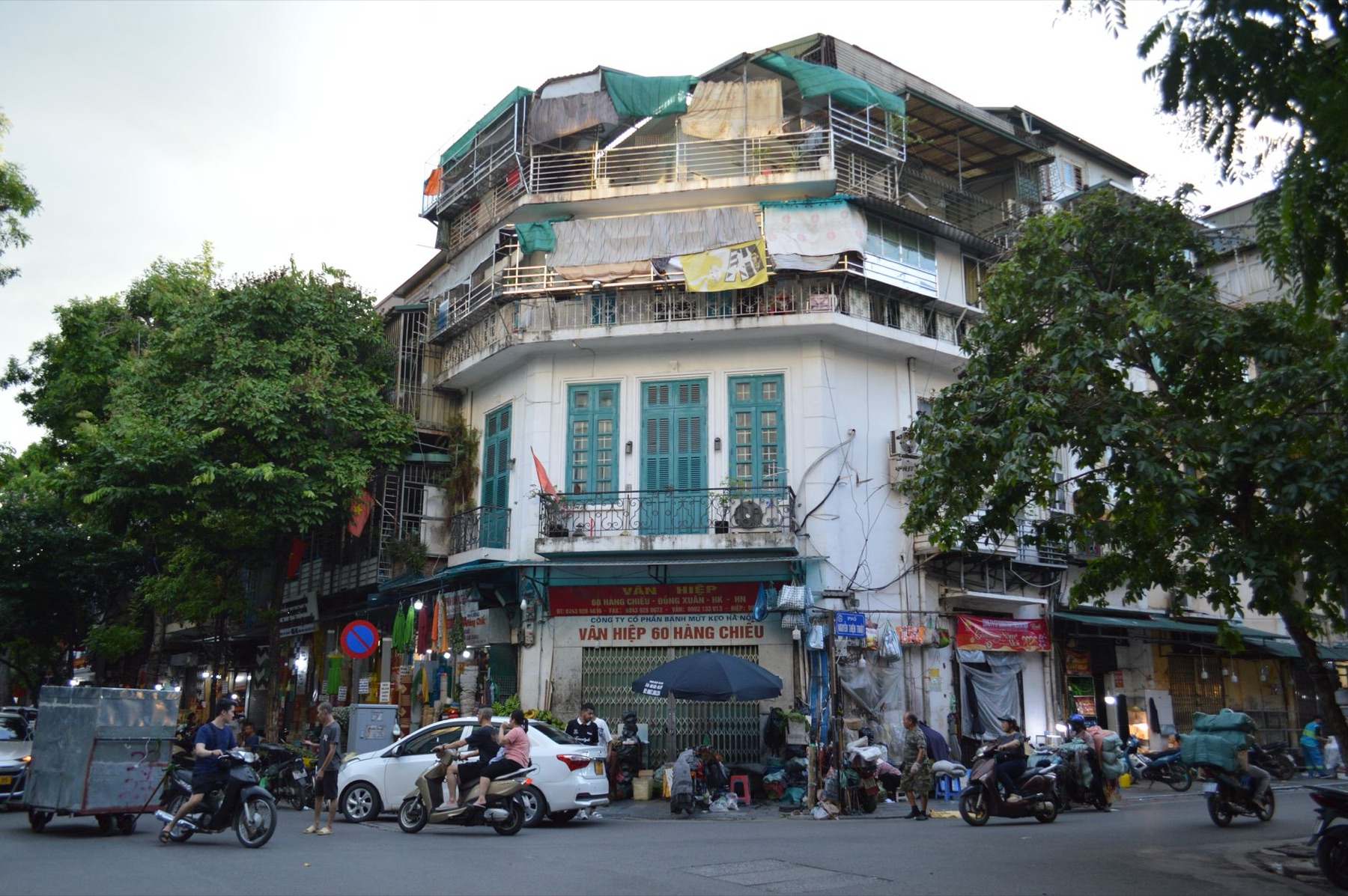
What Types of Vegan Meals Can You Buy in Hanoi Markets?
Street markets remain the cheapest and most authentic vegan access point. Dong Xuan Market (Old Quarter, ground and first floor) sells loose tofu blocks, fresh herbs, morning glory (rau muong), and ready-made vegetable dishes from stalls. Hom Market (Cau Giay district) has a dedicated vegan/vegetarian section with pre-made banh mi, tofu, and fermented items. Hang Be Market (Old Quarter) offers tofu, greens, and vendors who make pho with vegetable broth on request (order "pho chay").
Costs at markets: tofu 15,000–30,000 VND per 500g block; fresh herbs 5,000–10,000 VND per bunch; pre-made dishes 25,000–50,000 VND ($1.05–$2.15 USD). Markets open 06:00–09:00 (morning rush) and 16:00–19:00 (evening). Avoid midday (10:00–15:00); selection drops and prices rise for tourists.
Common market vegan finds:
- Tofu (dau hu): soft, firm, and smoked varieties
- Rau muong (morning glory): often cooked with garlic, no fish sauce
- Canh chua (sour soup): request vegetable broth instead of seafood stock
- Com tam (broken rice): buy plain, add market vegetables
- Banh chay (vegan banh mi): some stalls make it; ask "banh chay" explicitly
How Much Do Vegan Meals Cost in Hanoi Restaurants vs. Street Stalls?
| Setting | Dish Example | Typical Price (VND) | USD Equiv. | Best For |
|---|---|---|---|---|
| Temple donations | Vegetarian pho, rice, curry | 20k–40k | $0.85–$1.70 | Authenticity, budget |
| Market stall (pre-made) | Com tam + greens, tofu banh mi | 30k–60k | $1.30–$2.60 | Quick, local eats |
| Casual cafe (Tay Ho, Ba Dinh) | Smoothie bowl, salad, banh mi | 80k–150k | $3.40–$6.50 | Comfort, Instagram-able |
| Mid-range restaurant | Set menu (3–4 courses) | 120k–250k | $5.15–$10.75 | Reliable, English menus |
| High-end (rare) | Fine dining plant-based meal | 300k+ | $13+ | Special occasion (very few) |
Pro tip: Markets and temples offer 60–70% lower prices than cafes, but no English menus or guaranteed "vegan" clarity. Casual cafes in Tay Ho bridge the gap: they're cheaper than tourist traps, run by plant-based owners, and have pictures on menus.
📸 Book an ao dai photoshoot in Hanoi or Saigon (Cáo Studio)
Which Neighbourhoods Have the Best Vegan-Friendly Restaurants?
Tay Ho district (west of Hoan Kiem Lake) has the highest density of plant-based cafes and restaurants. Many are run by Vietnamese vegans or expat owners who understand dietary needs. Walking north from Tay Ho Church toward Quan Thanh Street, you'll find 5–6 venues within 1 km, most open 08:00–21:00. Menus typically include fruit smoothies, salads, noodle soups, and banh mi. Few have English signage; use Google Maps or ask your hotel.
Ba Dinh district hosts Quan Su Temple (vegetarian meals) and a cluster of casual cafes near the temple. Walk south of Hanoi train station; smaller, quieter than Tay Ho, but slower service.
Cau Giay district (south-central) is where middle-class Hanoians live. Vegan spots here are cheaper, less touristy, and often family-run. Expect basic decor, loyal local crowds, and no frills—but genuine food and better prices.
Old Quarter (Hoan Kiem district): avoid most vegan restaurants here. Tourist density drives prices up 30–50%. Stick to markets (Dong Xuan, Hang Be) for street eats instead.
What Dishes Should You Order, and What Hidden Ingredients to Watch For?
Safe vegan dishes:
- Pho chay: vegetable broth pho. Say "pho chay khong man" (no fish sauce, or "khong co ca, khong co tom" — no fish, no shrimp). Confirm broth is vegetable, not chicken stock boiled with leftovers.
- Rau muong xao toi: morning glory sauteed with garlic. Usually vegan; double-check no shrimp paste (mam tom).
- Com tam: broken rice. Order plain, add market-bought vegetables. Avoid mixed sets (often include pork).
- Banh mi chay: vegan banh mi with tofu, pickled vegetables, cilantro. Ask for no mayo or egg, and confirm no fish sauce on the bread.
- Canh chua chay: sour soup with vegetables and tofu. Request vegetable broth.
- Smoothie bowls: acai, mango, or dragon fruit. Verify no honey or condensed milk unless you accept it.
Hidden traps:
- Fish sauce (nuoc mam) appears in many "vegetarian" dishes cooked at street level.
- Oyster sauce and shrimp paste lurk in stir-fries.
- Chicken or pork stock in temple curries (ask directly).
- Eggs in banh mi and fried tofu preparations.
Ordering phrase (learn one): "Tôi ăn chay" (I eat vegan). "Không có ca, không có tôm, không có trứng" (No fish, no shrimp, no eggs). Repeat at checkout. English-speaking staff will clarify; markets may nod and misunderstand—eat with awareness.
---
🎟️ Compare tours & tickets for this place
What to Check Before You Buy or Order
- Ask for broth type explicitly. "Nuoc sup la gi?" (What is the broth?) Listen for "chay" (vegan/vegetarian), not "ga" (chicken) or "tom" (shrimp).
- Inspect the kitchen if visible. Do you see fish sauce bottles? Are they using separate pans for vegan items?
- Verify protein source. Tofu (dau hu), tempeh (dau huu), or legumes (dau) are safe. Avoid anything labeled "thit" (meat).
- Check condiments. Hoisin, oyster sauce, or fish sauce on the table? Ask if condiments are already in the dish.
- Confirm preparation. "Nau rieng khong?" (Cooked separately, not mixed?) Helps avoid cross-contamination if you're strict.
- Test a small amount first. Street food quality and flavour vary by vendor and time of day. Taste, pause, then eat more if confident.
- Compare prices between stalls. A tofu banh mi at one market stall may cost 30,000 VND; the next stall charges 50,000 VND. Shop around in busy markets.
- Use Google Translate for unfamiliar words. Point at menu items and photograph them; the app's camera translation works decently for Vietnamese.
---
How to Avoid Common Scams and Overpriced Tourist Traps
Overpriced restaurants near Hoan Kiem Lake markup "vegan" meals 150–200% versus neighbourhood cafes. A noodle dish costs 30,000 VND in Cau Giay, 80,000 VND lakeside.
Fake "vegan" labels. Some venues claim vegetarian but use fish sauce or chicken broth. Temple and market food is your safest bet for transparency.
Unmarked price lists. A few street stalls in the Old Quarter quote prices verbally and inflate for tourists who don't speak Vietnamese. Politely ask to see a written menu or price board. If one isn't available, agree on price before ordering.
"Fresh" smoothies made with day-old fruit. Order at shops with visible blenders and fresh-cut fruit in the display. Avoid pre-bottled smoothies in gas-station-style convenience stores.
Weight-based tofu scams. Market vendors occasionally add excess water to tofu blocks before weighing. Squeeze gently; if liquid gushes, ask for a fresher block or different vendor.
---
Our Honest Take: Where Vegan Food in Hanoi Works and Where It Doesn't
We eat vegan in Hanoi regularly and find it easier than most Southeast Asian capitals, but only if you know where to look. Market and temple food is excellent—cheap, authentic, and made without pretence. Tay Ho cafes are a solid middle ground—friendly staff, reasonable prices (80k–150k VND), and real vegan cooking. Fine dining vegan meals are nearly non-existent in Hanoi; even mid-range restaurants don't have thoughtful plant-based tasting menus.
Skip: Old Quarter tourist restaurants, convenience-store smoothies, and chain cafes claiming vegan credentials without local vegan staff.
Seek: Tran Quoc Temple, Quan Su Temple, Dong Xuan Market (morning), Hom Market, and word-of-mouth recommendations from the Hanoi vegan community (Facebook groups, Reddit, local meetups).
---
For broader food context in Hanoi, see our Hanoi food guide. For multi-city travel planning, explore our Vietnam itinerary planner.
🗺️ Plan your route: Vietnam itinerary
If you're visiting other regions, check vegan options in Ho Chi Minh City, Hoi An, Sapa, Ninh Binh, and Ha Long Bay. For seamless travel, grab a Vietnam eSIM or e-visa first.
---
FAQ
Is it easy to find vegan food in Hanoi if I don't speak Vietnamese?
Markets and temples work with pointing and photos. Cafes in Tay Ho have English menus or pictures. Learn "tôi ăn chay" (I eat vegan) and have it written down. Google Translate camera helps too, but expect some miscommunication at street level.
What's the cheapest way to eat vegan in Hanoi?
Markets (Dong Xuan, Hom, Hang Be) and temple donations offer meals for 20,000–50,000 VND ($0.85–$2.15 USD). Buy loose tofu, greens, and pre-made dishes; eat at your accommodation or park benches. Markets open early (06:00); arrive then for best selection and prices.
Do Hanoi restaurants add fish sauce without telling you?
Yes, frequently. "Vegetarian" doesn't always mean vegan in Vietnam; many use fish sauce or shrimp paste. Ask directly: "Không có ca, không có tôm?" (No fish, no shrimp?). Repeat at checkout. Temples and dedicated vegan cafes are safest.
How do I know if tofu at a market is fresh?
Fresh tofu (dau hu) is soft, pale white, and slightly jiggles. Smell it; sour or ammonia odour means old stock. Buy from busy stalls with high turnover. Smoked tofu (dau hu hun) lasts longer and is easier to spot if old.
Are smoothie bowls and acai bowls vegan in Hanoi cafes?
Sometimes. Many use condensed milk, honey, or yogurt as default toppings. Ask "không có sua dac, không co mat ong?" (No condensed milk, no honey?). Request coconut milk or almond milk instead. Verify they have it in stock before ordering.
Can I order vegan food in advance from Hanoi restaurants?
Few deliver reliably outside Tay Ho and Ba Dinh; most lack apps or English-language booking. Better to visit in person, eat at temples/markets, or ask your hotel to pre-arrange a meal at a trusted cafe. Call ahead (Google Maps has phone numbers) if your Vietnamese is decent.
Is vegan food more expensive in Hanoi than other Southeast Asian cities?
No. Markets and temples in Hanoi are cheaper than Bangkok or Chiang Mai. Cafes (80k–150k VND) are similar to Kuala Lumpur. High-end vegan restaurants barely exist in Hanoi, so you won't overpay for fine dining like in Singapore.
FAQ
Is it easy to find vegan food in Hanoi if I don't speak Vietnamese?
Markets and temples work with pointing and photos. Cafes in Tay Ho have English menus or pictures. Learn "tôi ăn chay" (I eat vegan) and have it written down. Google Translate camera helps too, but expect some miscommunication at street level.
What's the cheapest way to eat vegan in Hanoi?
Markets (Dong Xuan, Hom, Hang Be) and temple donations offer meals for 20,000–50,000 VND ($0.85–$2.15 USD). Buy loose tofu, greens, and pre-made dishes; eat at your accommodation or park benches. Markets open early (06:00); arrive then for best selection and prices.
Do Hanoi restaurants add fish sauce without telling you?
Yes, frequently. "Vegetarian" doesn't always mean vegan in Vietnam; many use fish sauce or shrimp paste. Ask directly: "Không có ca, không có tôm?" (No fish, no shrimp?). Repeat at checkout. Temples and dedicated vegan cafes are safest.
How do I know if tofu at a market is fresh?
Fresh tofu (dau hu) is soft, pale white, and slightly jiggles. Smell it; sour or ammonia odour means old stock. Buy from busy stalls with high turnover. Smoked tofu (dau hu hun) lasts longer and is easier to spot if old.
Are smoothie bowls and acai bowls vegan in Hanoi cafes?
Sometimes. Many use condensed milk, honey, or yogurt as default toppings. Ask "không có sua dac, không co mat ong?" (No condensed milk, no honey?). Request coconut milk or almond milk instead. Verify they have it in stock before ordering.
Can I order vegan food in advance from Hanoi restaurants?
Few deliver reliably outside Tay Ho and Ba Dinh; most lack apps or English-language booking. Better to visit in person, eat at temples/markets, or ask your hotel to pre-arrange a meal at a trusted cafe. Call ahead (Google Maps has phone numbers) if your Vietnamese is decent.
Is vegan food more expensive in Hanoi than other Southeast Asian cities?
No. Markets and temples in Hanoi are cheaper than Bangkok or Chiang Mai. Cafes (80k–150k VND) are similar to Kuala Lumpur. High-end vegan restaurants barely exist in Hanoi, so you won't overpay for fine dining like in Singapore.
More: Hanoi guide · What to eat in Hanoi