Hanoi · Food
Vegetarian Food Hanoi: Where to Eat, What to Order & How to Avoid Mish
By Wander in Vietnam editorial team · Hanoi, Vietnam
Hanoi's vegetarian food culture is messier than it sounds. You'll find Buddhist temples serving compassionate meals, hipster vegan cafés, and family-run cơm cháy joints where the owner will honestly tell you their phở broth contains fish. The catch: many restaurants claim dishes are vegetarian when they're cooked in animal fat, topped with anchovy-salted water, or prepared in shared pans with meat.
This guide cuts through the noise. We've eaten across central Hanoi—from Hoan Kiem to Ba Dinh—and we're giving you exactly where to go, what to order, how much to spend, and the three-step check to avoid ordering fish sauce by accident.
Where Are Hanoi's Vegetarian Restaurants, and Are They Actually Good?
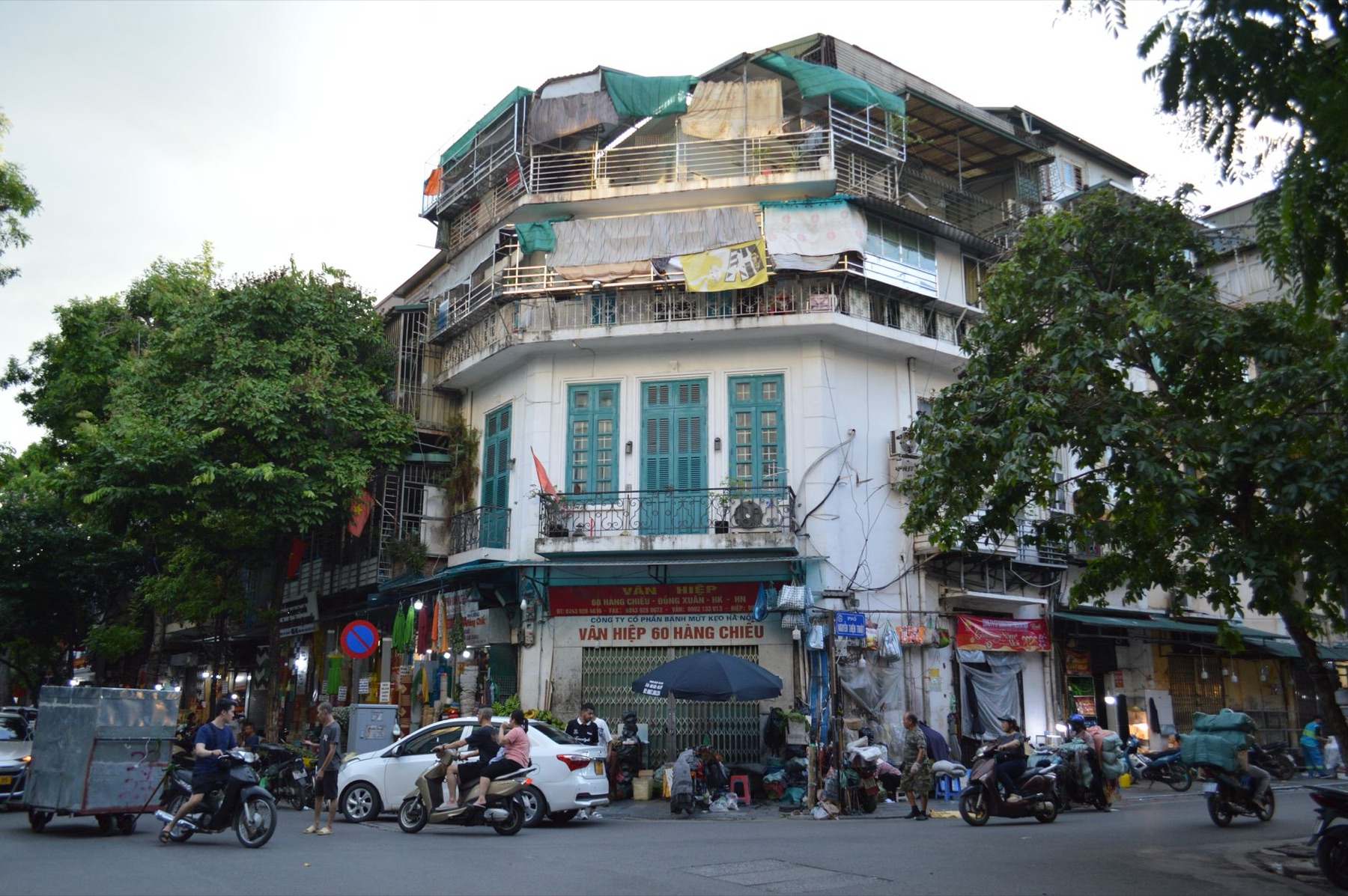
The Old Quarter has the highest density of vegetarian spots, especially near Hang Manh (a narrow alley off Hang Dao) and along Nha Tho Street, where Buddhist supply shops and small vegetarian eateries cluster. Ba Dinh district hosts several long-established veggie canteens serving workers and monks. Expect modest décor, low prices, and no-nonsense food—think stir-fried water spinach, crispy tofu, and rice cooked with vegetables, not flavor.
Dedicated vegetarian restaurants are cheaper than mixed menus. A full vegetarian meal (rice, two dishes, broth) runs 60,000–90,000 VND ($2.50–$3.80) in temple canteens or small eateries; trendy vegetarian/vegan spots in Hoan Kiem charge 120,000–250,000 VND ($5–$10.50) for similar portions.
🗺️ Plan your route: Vietnam itinerary
Which Vegetarian Dishes Are Safe, and Which Ones Hide Fish Sauce?
This is where Hanoi's vegetarian game gets tricky. Some dishes always contain hidden animal products:
- Phở (noodle soup): 99% of the time, the broth is simmered with bone and fish sauce. Even "vegetarian" phở at temple restaurants may use vegetable broth but be cooked in the same pot as meat broths. Always ask.
- Bánh mì (baguette sandwich): The pâté is meat; ask for veggie-only fillings (pickled vegetables, tofu, herbs). Cost: around 25,000–40,000 VND ($1–$1.70).
- Dipping sauces (nước chấm): Almost always fish-based. Request vinegar, salt, or soy sauce instead.
- Fried food: Cooked in shared oil or lard. Clarify.
Safer options at any restaurant:
| Dish | Why It's Safer | Typical Price | What to Check |
|---|---|---|---|
| Cơm rau (rice + veggies) | Cooked fresh on order | 40,000–70,000 VND ($1.70–$3) | Oil type; ask "không có mỡ lợn" (no lard) |
| Gỏi cuốn (fresh spring rolls) | Raw ingredients; verify tofu not fried in meat oil | 30,000–50,000 VND ($1.30–$2.10) | Dipping sauce; request peanut or soy-based |
| Xào cải (stir-fried greens) | Ask for vegetable oil, no oyster sauce | 50,000–80,000 VND ($2.10–$3.40) | Confirm soy sauce, not fish-based |
| Mứt đậu (sweet bean paste dessert) | Usually plant-based by default | 20,000–35,000 VND ($0.85–$1.50) | Read label or ask the cook |
| Tofu stir-fry (đậu phụ xào) | Tofu is vegetarian; method matters | 60,000–100,000 VND ($2.50–$4.20) | Confirm no anchovy sauce (mắm tôm) |
The rule: Always speak Vietnamese or point to ingredients. English-speaking staff may not catch the nuance.
📸 Book an ao dai photoshoot in Hanoi or Saigon (Cáo Studio)
Should You Eat at Buddhist Temple Canteens, Vegan Cafés, or Street Stalls?
Each has pros and cons:
Buddhist Temple Canteens (Thiền Viện Cơm)
- Who it's for: Budget-conscious travelers, committed vegetarians, anyone okay with sparse English.
- Cost: 40,000–70,000 VND ($1.70–$3) per meal, sometimes free if you make a donation.
- Reliability: 90% plant-based, but cross-contamination in pans happens. Menus are fixed (no substitutions).
- Where: Scattered across Ba Dinh and Hoan Kiem. Ask local hotels or check Google Maps for "cơm chay" (vegetarian rice).
- Risk: Limited seating; arrives early or phone ahead.
Vegan/Vegetarian Cafés (Hanoi's New Wave)
- Who it's for: Tourists wanting atmosphere, instagrammable food, English menus.
- Cost: 120,000–250,000 VND ($5–$10.50) per dish; coffee 50,000–80,000 VND ($2.10–$3.40).
- Reliability: High; staff are trained in dietary needs. Usually certified vegan.
- Where: Concentrated near Hoan Kiem Lake (Nha Tho area, Hang Bac) and French Quarter.
- Risk: Pricier than local spots; some prioritize aesthetics over authentic Vietnamese flavors.
Street Stalls (Vegetable Pushcarts)
- Who it's for: Adventure eaters, those with basic Vietnamese phrases.
- Cost: 25,000–50,000 VND ($1–$2.10) per portion.
- Reliability: Medium. Vegetable stalls are inherently plant-based, but shared utensils & oil are common.
- Where: Outside temples, early morning at Hoan Kiem Lake, evening food markets (Thanh Ha, near Hang Be).
- Risk: No English; hygiene varies wildly.
🎟️ Compare tours & tickets for this place
How Do You Order Vegetarian Food Without Speaking Vietnamese?
This is the real skill. English won't save you; Vietnamese phrase knowledge will.
Essential phrases to write down and show, or screenshot:
- "Cơm chay" (vegetarian rice meal)
- "Không có nước mắm" (no fish sauce)
- "Không có mỡ lợn" (no lard)
- "Không có dầu cá" (no fish oil)
- "Không dùng chung dụng cụ với thịt" (don't use shared utensils with meat)
Ordering technique:
- Point to ingredients on the menu or the dish itself.
- Ask "Món này có gì?" (What's in this dish?)
- If the answer includes words you don't know, ask "Có phải là thịt không?" (Is this meat?) or "Có phải là cá không?" (Is this fish?).
- At stalls, watch them prepare it. If they reach for fish sauce, stop them.
If language is impossible:
- Eat only at restaurants with English menus or staff (Hoan Kiem tourist zone).
- Download a vegetarian translation app (Google Translate voice works, though imperfectly).
- Use visual cues: tempeh, tofu, clearly identifiable vegetables = safer bets.
What Should You Check Before Ordering or Eating?
Here's a pre-order checklist to avoid disappointment:
- Ask the origin of broth. If it's a soup, is the stock vegetable-based or animal-based? Don't assume.
- Confirm the cooking oil. Lard (mỡ lợn) and fish oil are common in fried dishes. Request vegetable oil (dầu thực vật).
- Check dipping sauces. Fish sauce is the default in Vietnam. Always ask for alternatives or request it on the side so you control it.
- Verify the kitchen setup. If meat and veggies are cooked in the same wok, cross-contamination is likely. Smaller, specialized veggie places are safer.
- Look at what's being cooked right now. Watch the stall or kitchen. If you see fish sauce bottles nearby, trust your instinct.
- Ask about garnishes. Crispy shallots, garlic, or toppings may be fried in lard.
- Inspect the plate when it arrives. If you spot meat, fish, or a smell of fish sauce, send it back immediately. Most places will remake it without argument.
---
Related Guides & Resources
Explore more Hanoi food culture in our Hanoi food guide, or plan a broader trip using our Vietnam itinerary planner. Consider adding a cultural experience—book an ao dai photoshoot in Hanoi to capture your visit, or send flowers home via Hoa Lang Thang delivery.
If you're traveling nationwide, check out dining scenes in Ho Chi Minh City, Hoi An, Ninh Binh, and Sapa. Staying longer? Get an eSIM for Vietnam or apply for your e-visa if needed.
FAQ
Is it safe to eat street food if you're vegetarian in Hanoi?
Yes, but verify ingredient origin first. Vegetable stalls are usually safe; watch the cook and explicitly forbid fish sauce and lard. Higher risk of cross-contamination in shared pans, but many travelers do it without issue. Eat at busy stalls with quick turnover.
Can you get a fully vegan meal at a regular Vietnamese restaurant in Hanoi?
Sometimes. It depends on the menu and the cook's willingness. Restaurants in Hoan Kiem cater to tourists and are more flexible. Family-run stalls prioritize tradition and may see veganism as a constraint. Always ask explicitly; don't assume.
How much does a vegetarian meal cost in Hanoi compared to meat dishes?
Temple canteens and street stalls: 40,000–70,000 VND ($1.70–$3), identical to meat prices. Vegan cafés: 120,000–250,000 VND ($5–$10.50), 2–3 times pricier. Mid-range restaurants: 80,000–150,000 VND ($3.40–$6.30).
What's the most common mistake vegetarians make when ordering in Hanoi?
Assuming "vegetarian" means no hidden animal products. Fish sauce, lard, and oyster sauce are ubiquitous and often not mentioned. Always ask by name in Vietnamese (nước mắm, mỡ lợn, mắm tôm) rather than relying on translations.
Are there any all-vegetarian restaurants or markets in Hanoi's Old Quarter?
Yes. Small canteens near Hang Manh (off Hang Dao) and Nha Tho Street serve vegetarian-only meals. No major supermarkets are strictly vegetarian, but wet markets (Hom Market in Ba Dinh) sell fresh vegetables, tofu, and herb bundles you can cook yourself. ===
FAQ
Is it safe to eat street food if you're vegetarian in Hanoi?
Yes, but verify ingredient origin first. Vegetable stalls are usually safe; watch the cook and explicitly forbid fish sauce and lard. Higher risk of cross-contamination in shared pans, but many travelers do it without issue. Eat at busy stalls with quick turnover.
Can you get a fully vegan meal at a regular Vietnamese restaurant in Hanoi?
Sometimes. It depends on the menu and the cook's willingness. Restaurants in Hoan Kiem cater to tourists and are more flexible. Family-run stalls prioritize tradition and may see veganism as a constraint. Always ask explicitly; don't assume.
How much does a vegetarian meal cost in Hanoi compared to meat dishes?
Temple canteens and street stalls: 40,000–70,000 VND ($1.70–$3), identical to meat prices. Vegan cafés: 120,000–250,000 VND ($5–$10.50), 2–3 times pricier. Mid-range restaurants: 80,000–150,000 VND ($3.40–$6.30).
What's the most common mistake vegetarians make when ordering in Hanoi?
Assuming "vegetarian" means no hidden animal products. Fish sauce, lard, and oyster sauce are ubiquitous and often not mentioned. Always ask by name in Vietnamese (nước mắm, mỡ lợn, mắm tôm) rather than relying on translations.
Are there any all-vegetarian restaurants or markets in Hanoi's Old Quarter?
Yes. Small canteens near Hang Manh (off Hang Dao) and Nha Tho Street serve vegetarian-only meals. No major supermarkets are strictly vegetarian, but wet markets (Hom Market in Ba Dinh) sell fresh vegetables, tofu, and herb bundles you can cook yourself. ===
More: Hanoi guide · What to eat in Hanoi