Hanoi · Food
Vietnam Hanoi Street Food: What to Buy, Eat & Avoid
By Wander in Vietnam editorial team · Hanoi, Vietnam
Hanoi street food is the heartbeat of the city's food culture. Walk any neighborhood after 6 p.m. and you'll find plastic stools, charcoal grills, and lines of locals eating shoulder-to-shoulder. But as a visitor, you face a real choice: eat where tourists are steered by hotel concierges and tuk-tuk drivers (and pay inflated prices), or learn the neighborhoods and stalls locals use.
We've eaten from hundreds of Hanoi vendors across the years. Here's what actually matters when you're deciding what to buy and where.
What Does "Street Food" Actually Mean in Hanoi?
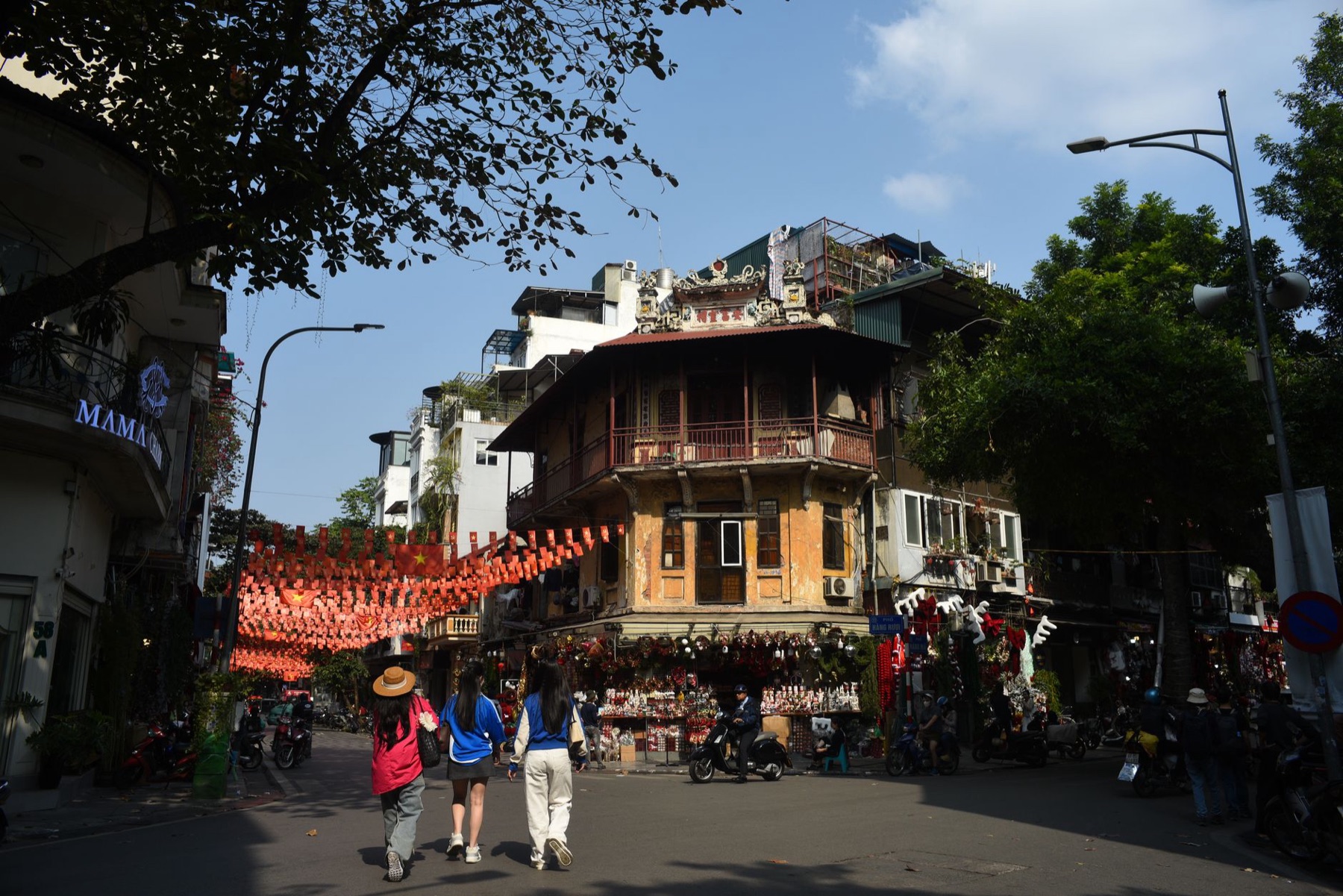
Street food in Hanoi isn't a single category—it's a supply chain. Vendors operate from permanent or semi-permanent locations: sidewalk tables, pushcarts, hole-in-the-wall storefronts barely 1.5 meters wide, and night markets (like Hang Buom night market in Hoan Kiem district, or the seasonal evening street on Hang Manh). Some specialize in one dish (pho, banh mi, grilled meat); others do 3–5. Turnover is fast—lunch rush is 11 a.m.–1 p.m., dinner starts at 5 p.m.
Most vendors buy stock fresh each morning from wholesale markets like Dong Xuan Market (Hoan Kiem). They cook in front of you. This transparency is why locals trust them more than restaurants with hidden kitchens.
🗺️ Plan your route: Vietnam itinerary
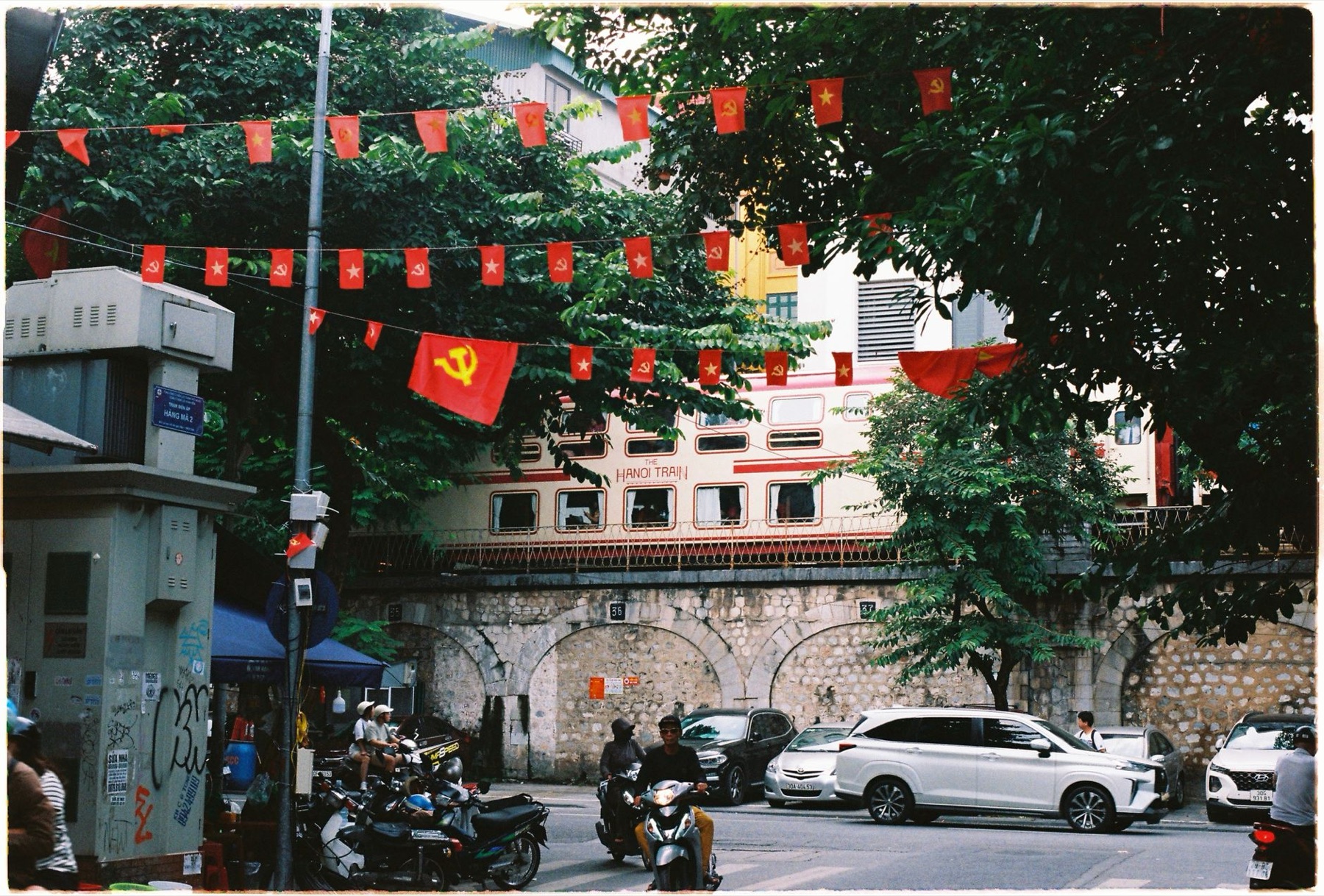
Where to Eat: Neighborhoods That Deliver Real Value
Hoan Kiem District (Old Quarter) Best for first-timers. Hang Manh street (evening) has banh mi, grilled pork skewers, and spring rolls. Hang Buom night market has pho, egg coffee, and fried chicken. Prices: 50,000–100,000 VND ($2–$4 USD) per meal. Foot traffic is heavy; locals go early (5–6 p.m.).
Dong Da District (Hang Than area) A 15-minute walk or short taxi ride from Hoan Kiem. This is where Hanoi locals actually eat. Hang Than street has permanent stalls selling pho (around 45,000 VND/$1.80), banh cuon (around 30,000 VND/$1.20), and grilled fish. Vendors here ignore tourists because there are few. You'll eat better and cheaper than in the Old Quarter.
Ba Dinh District (Quan Thanh street) North of the city center, close to Ho Tay (West Lake). Quieter than Hoan Kiem but steady foot traffic. Banh mi and grilled meat skewers around 40,000–60,000 VND ($1.60–$2.40 USD). Good for a less touristy experience while still being walkable.
Cau Giay District (around Hanoi University) Young locals, student-focused. Cheap and casual. Pho around 40,000 VND ($1.60 USD), grilled meat skewers 50,000–70,000 VND ($2–$2.80 USD). Expect plastic stools and noise.
Dishes Worth Buying & Honest Price Breakdown
| Dish | What It Is | Typical Price | Who It's For | Why Order It |
|---|---|---|---|---|
| Pho (beef or chicken) | Rice noodle soup, herbs, broth simmered 12+ hours | 45,000–70,000 VND ($1.80–$2.80 USD) | Breakfast, lunch, light dinner | High turnover = fresh; locals trust quality |
| Banh Mi | Baguette, pâté, mayo, pickled veg, cilantro, protein | 35,000–60,000 VND ($1.40–$2.40 USD) | Quick lunch, snack | Cheap, portable, authentic |
| Banh Cuon (steamed rice rolls) | Delicate rice paper, pork, mushroom, herbs | 30,000–50,000 VND ($1.20–$2 USD) | Breakfast or early lunch | Served warm; textural contrast |
| Grilled meat skewers (thit nuong) | Marinated pork, beef, or chicken on bamboo | 60,000–100,000 VND ($2.40–$4 USD/skewer) | Evening snack or side | Watch it cook; charcoal flavor; social |
| Egg coffee (ca phe trung) | Robusta coffee + whipped egg yolk + condensed milk | 40,000–60,000 VND ($1.60–$2.40 USD) | Breakfast, dessert | Sweet, creamy, Instagram-famous but worth it |
| Spring rolls (cha gio) | Crispy fried, pork + mushroom + veg | 50,000–80,000 VND ($2–$3.20 USD)/4 rolls | Appetizer, snack | Crunchy; dip in nuoc mam (fish sauce) |
| Grilled fish (ca nuong) or squid (muc nuong) | Whole fish or squid, salt + lemongrass | 150,000–250,000 VND ($6–$10 USD) | Dinner, group meal | Freshness visible; charcoal-smoky |
🎟️ Compare tours & tickets for this place
The Real Scams & How to Spot Them
Scam 1: Tourist-targeted stalls with inflated prices You'll spot these in Hoan Kiem, especially near Hoan Kiem Lake itself. A pho bowl that costs 45,000 VND at a local stall is 120,000–150,000 VND at the "nice" sidewalk restaurant 20 meters away. The difference: location markup, plastic chairs, and English menus.
How to avoid: Eat at stalls where you see locals queuing. If a menu has prices in USD instead of VND only, walk away.
Scam 2: Fake fish sauce or overpriced condiments Rare, but some vendors add extra charges for soy sauce or chili oil. Better vendors include them. Check the receipt (if written) or ask price before sitting.
How to avoid: Point to what you want; confirm the total price out loud. Small vendors rarely try this—risk isn't worth repeat business loss.
Scam 3: The "special tourist menu" Some hole-in-the-wall pho stalls will hand tourists a laminated menu with inflated prices (80,000–100,000 VND for pho) while locals pay 45,000 VND. Locals don't ask for a menu; they know what's served.
How to avoid: Watch what the person next to you pays. Or arrive early when tourists aren't around yet.
Scam 4: Tuk-tuk drivers taking you to a "friend's stall" The stall is real, but you'll pay 50–100% more because the driver gets commission. The food is fine; the price is inflated.
How to avoid: Decline rides with tuk-tuk offers to take you to food. Use a map app; walk or grab a Grab motorbike taxi (negotiated in-app, no commission).
Sanitation: The Real Story
Street food safety in Hanoi is a live debate. Here's the honest version:
High-turnover stalls (like pho vendors selling 200+ bowls daily) have strong incentive to keep meat and broth clean—one food poisoning incident spreads fast via word-of-mouth. We haven't gotten sick from the busiest stalls.
Low-turnover stalls (grilled meat in a quiet area) or ones with questionable refrigeration are slightly riskier. Look for: ice in coolers, fresh herbs daily, meat that's been grilled within the hour, and busy foot traffic.
New to Vietnam? Eat pho and banh mi first—high heat, quick service, low risk. Build up stomach tolerance (your gut bacteria adapt over a week or two) before trying more adventurous proteins like organ meats or fermented snails.
📸 Book an ao dai photoshoot in Hanoi or Saigon (Cáo Studio)
What to Check Before You Order
1. Freshness
- Is meat visible and not discolored? Herbs fresh (not wilted)? Broth steaming?
- If you're unsure, move to the next stall.
2. Turnover
- Arrive during rush hour (11 a.m.–1 p.m. lunch, 5–7 p.m. dinner). Busy = fresh restocking.
- Empty stalls at 3 p.m. mean slow turnover; skip.
3. Foot traffic
- See locals eating there? Good sign.
- Only tourists and no locals? Likely overpriced.
4. Price check
- Ask the price before sitting. Point to what you want; vendor states total.
- If you don't understand, use Google Translate's camera feature to read a handwritten price sign.
5. Payment method
- Carry cash (VND) for small stalls. Momo (mobile payment) is increasingly accepted but not universal at older vendors.
- No card readers at 90% of street stalls—cash only.
Beyond Hanoi: Where Street Food Matters Too
Street food isn't unique to Hanoi. Ho Chi Minh City has Nguyen Hue Walking Street (evening market vibe, tourist prices), Hoi An has night markets with banh cao lau (local noodle specialty), and Ninh Binh vendors sell grilled seafood near the river. Each region has signature dishes. If you're planning a full trip, check our Vietnam itinerary planner to learn regional specialties before you arrive.
---
What to Buy & Where: A Quick Checklist
- First time in Hanoi? Start with pho and banh mi collections from a busy stall in Hoan Kiem or Dong Da. Cost: around 50,000–100,000 VND ($2–$4 USD) total.
- Want less tourist markup? Head to Dong Da district or Cau Giay. Same dishes, 30–50% cheaper because locals eat there.
- Trying regional specialties? Buy from vendors who specialize (single-dish stalls beat multi-dish carts for quality).
- Dietary restrictions? Banh mi is easily customizable—ask vendor to skip meat or add tofu. Pho broth may contain fish sauce (check); some vendors offer vegetarian versions.
- Traveling with kids? Spring rolls and egg coffee are less spicy and more familiar. Pho noodles (no broth) work too.
🗺️ Plan your route: Vietnam itinerary
If you're staying in Hanoi for a week, you'll save money and eat better by learning one neighborhood's vendors. Most return customers become regulars—vendors remember you, portions improve, prices stay fair. That's the real hack.
FAQ
Is Hanoi street food actually safe to eat?
Yes, if you choose busy stalls with high turnover. The vendors' livelihoods depend on repeat customers, so they keep food fresh. New to Vietnam? Start with pho and banh mi; your stomach will adapt over 7–10 days. Avoid questionable refrigeration and very low-traffic stalls.
How much should I budget for street food daily?
Budget around 150,000–250,000 VND ($6–$10 USD) for three meals if eating only street food. Breakfast pho (45,000 VND), lunch banh mi and spring rolls (80,000 VND), dinner grilled meat skewers with rice (100,000 VND). Local stalls cost less than tourist-area restaurants by half or more.
Do I tip street food vendors?
No. Tipping isn't a cultural expectation in Vietnam outside high-end restaurants and hotels. Vendors often don't have change for tips on small purchases anyway. Saying "thank you" and returning is better than cash tips.
What's the difference between banh mi from a cart versus a shop?
Cart vendors are usually cheaper (35,000–45,000 VND) and faster; shop vendors charge more (50,000–70,000 VND) but may have more filling options and nicer seating. Quality depends on the vendor, not the format. Eat where there's a queue.
Can I use my phone to pay street vendors?
Some accept Momo (Vietnamese mobile wallet) or bank transfers, but most don't have card readers. Carry cash (VND) to be safe. ATMs are plentiful in Hoan Kiem and Ba Dinh districts; withdraw enough for a full day.
Why is egg coffee so famous and is it worth trying?
Egg coffee (ca phe trung) is a Hanoi-specific invention: whipped egg yolk folded into sweetened condensed milk, mixed with strong robusta coffee. It's rich, creamy, and Instagram-famous. Worth trying once (around 40,000–60,000 VND / $1.60–$2.40 USD) but not essential. If you hate sweetness, skip it; if you love desserts, order it.
FAQ
Is Hanoi street food actually safe to eat?
Yes, if you choose busy stalls with high turnover. The vendors' livelihoods depend on repeat customers, so they keep food fresh. New to Vietnam? Start with pho and banh mi; your stomach will adapt over 7–10 days. Avoid questionable refrigeration and very low-traffic stalls.
How much should I budget for street food daily?
Budget around 150,000–250,000 VND ($6–$10 USD) for three meals if eating only street food. Breakfast pho (45,000 VND), lunch banh mi and spring rolls (80,000 VND), dinner grilled meat skewers with rice (100,000 VND). Local stalls cost less than tourist-area restaurants by half or more.
Do I tip street food vendors?
No. Tipping isn't a cultural expectation in Vietnam outside high-end restaurants and hotels. Vendors often don't have change for tips on small purchases anyway. Saying "thank you" and returning is better than cash tips.
What's the difference between banh mi from a cart versus a shop?
Cart vendors are usually cheaper (35,000–45,000 VND) and faster; shop vendors charge more (50,000–70,000 VND) but may have more filling options and nicer seating. Quality depends on the vendor, not the format. Eat where there's a queue.
Can I use my phone to pay street vendors?
Some accept Momo (Vietnamese mobile wallet) or bank transfers, but most don't have card readers. Carry cash (VND) to be safe. ATMs are plentiful in Hoan Kiem and Ba Dinh districts; withdraw enough for a full day.
Why is egg coffee so famous and is it worth trying?
Egg coffee (ca phe trung) is a Hanoi-specific invention: whipped egg yolk folded into sweetened condensed milk, mixed with strong robusta coffee. It's rich, creamy, and Instagram-famous. Worth trying once (around 40,000–60,000 VND / $1.60–$2.40 USD) but not essential. If you hate sweetness, skip it; if you love desserts, order it.