Hanoi · Food
Vietnam Street Food Hanoi: Best Dishes, Where to Eat & What to Know
By Wander in Vietnam editorial team · Hanoi, Vietnam
Hanoi's street food isn't staged for Instagram—it's survival food transformed into art. Every alley has vendors who've cooked the same dish for 20+ years, often starting before dawn. The challenge isn't finding food; it's knowing which stall won't shortchange you, when to queue, and which "famous" spots are now overpriced tourist theatres.
We've eaten from carts at 6 a.m. in Đống Đa district, tracked down regional specialities hidden in shophouse courtyards, and learned which English-language guidebooks send backpackers to inflated versions of authentic dishes. Here's what you actually need to know.
---
What are Hanoi's must-try street foods and their real prices?
The core dishes define Hanoi's character. Phở (beef or chicken noodle soup) costs 30,000–50,000 VND (around $1.45–$2.40) at family stalls; tourist-zoned locations charge 80,000–150,000 VND. Bún chả (grilled pork patties with noodle dip) runs 40,000–60,000 VND in Old Quarter carts, up to 200,000 VND in air-conditioned restaurants. Bánh mì (Vietnamese sandwich) starts at 20,000 VND for plain versions, 35,000–50,000 VND for loaded ones with pâté and egg. Egg coffee (soft-boiled egg yolk whipped with coffee) costs 25,000–35,000 VND per cup in Old Quarter cafés. Bún bò Huế (spicy beef noodle soup, regional specialty) is 35,000–55,000 VND.
Order by pointing at what others are eating or showing your phone translation. Portions are designed for quick turnover, not Western stomach sizes—eat two small bowls or ask for tăng (extra) noodles.
---
Where do locals actually eat versus tourist traps?
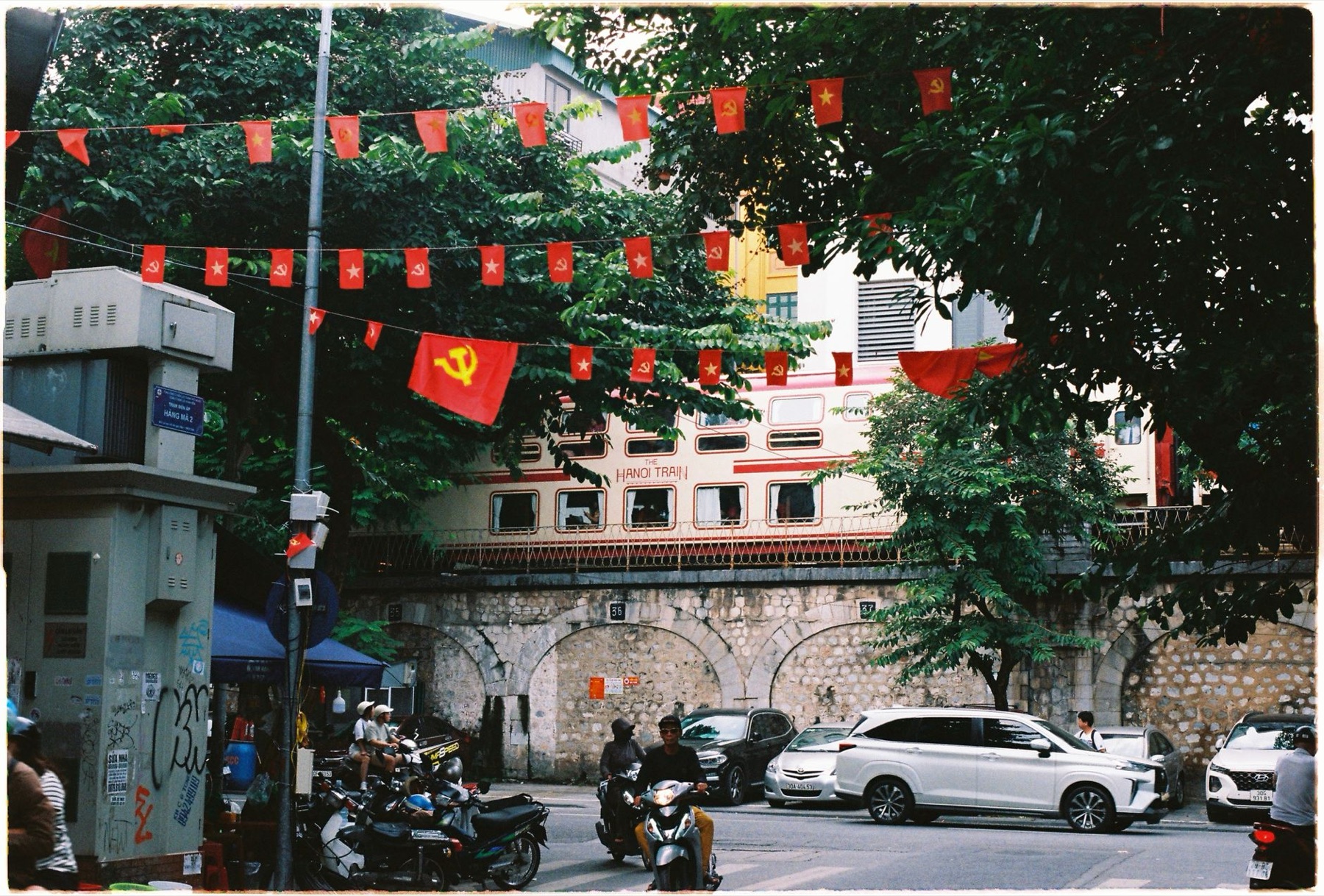
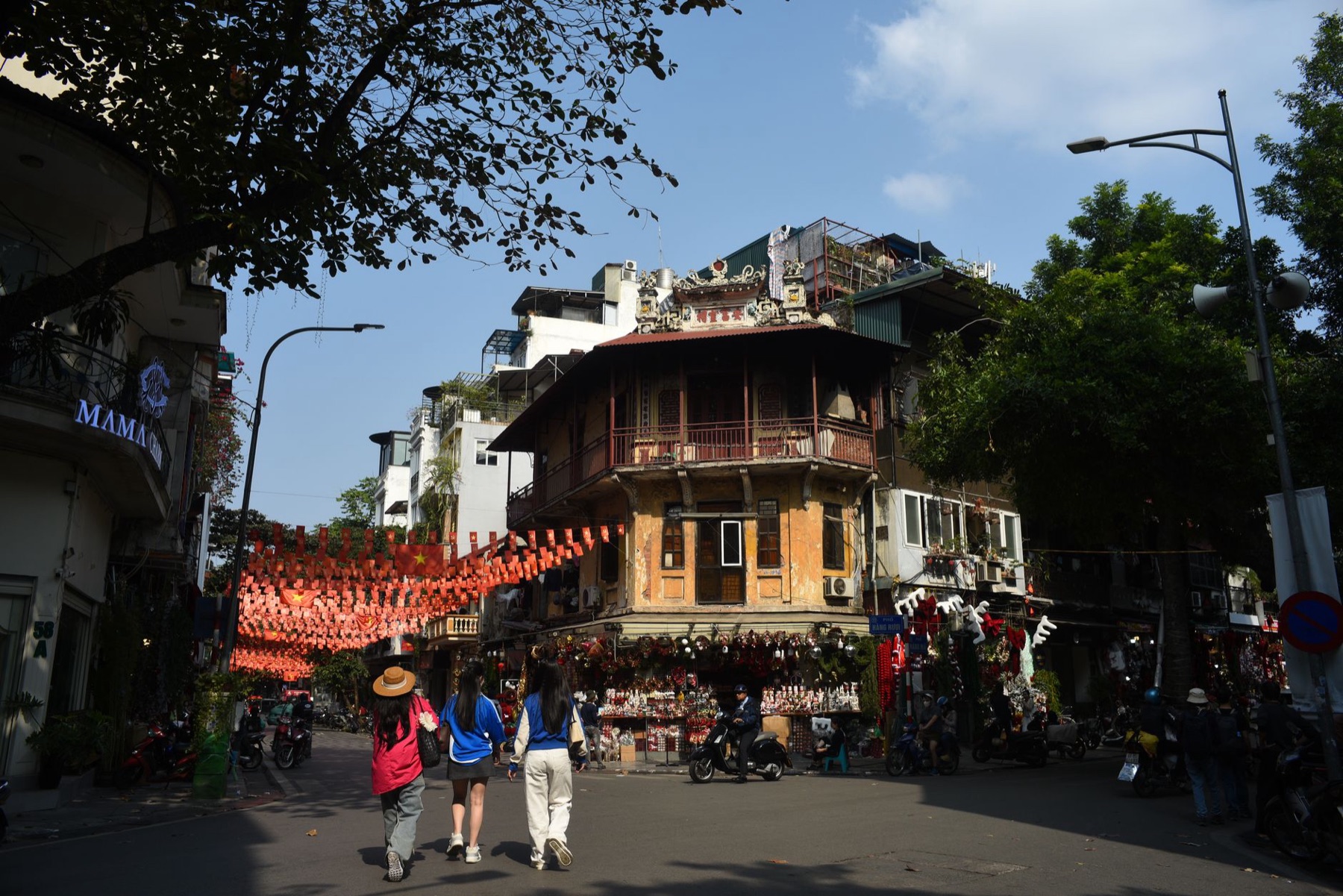
Hoàn Kiếm district (Old Quarter) is mixed. Vendors along Mã Mây Street for phở and broth-based dishes stay relatively honest because high foot-traffic and reputation matter; expect 35,000–50,000 VND and queues of locals by 8 a.m. Avoid storefronts directly facing Hoan Kiem Lake—prices triple there. Tạ Hiện Street looks traditional but is now almost entirely backpacker-priced; skip it unless you don't mind paying 120,000+ VND for a bowl.
Đống Đa district, south of Old Quarter, is where we go. Vendors cluster near Thợ Nhuộm market (early morning, 5–9 a.m.) and along Ngô Thì Nhâm Street for bún chả and grilled meat. Prices stay at local rates because tourists rarely venture here. Bát Tràng ceramic village (outskirts, east) has food stalls catering to day-trippers, which means slightly marked up but still reasonable (40,000–70,000 VND).
Dong Xuan market (Old Quarter's northern edge) has food court sections upstairs—genuine, cheap, and packed with office workers. Arrive by 11:30 a.m. before lunch rush.
---
How do you avoid food scams and overcharging?
| Risk | How to spot | How to prevent |
|---|---|---|
| Inflated bill | Menu price listed high, no English menu visible | Ask price before ordering; point to another diner's bowl and say "như thế này" (like that) |
| Fake "family recipe" | Storefront painted to look ancient, photos on wall, English-language reviews online | Eat where locals queue without signage; real spots don't need marketing |
| Seafood markup | Crabs, shrimp dishes advertised to tourists, weighed on loose scales | Avoid crustaceans at tourist-zone carts; buy fresh at markets instead |
| Diluted coffee | Instant coffee passed off as fresh brew, overly sweet | Order cà phê đen đá (black iced coffee) from vendors you watch make it, not from packaged cups |
| Double-charge | Waiter brings extra items you didn't order, tallies wrong amount | Count your dishes aloud as they're placed; confirm price before eating |
Best prevention: eat where you see families and office workers, not tour groups. If there's a queue of locals at 7 a.m., it's real.
---
What's the best decision framework for choosing a street food spot?
Use this checklist:
- Time of day – Vendors peak 6–8 a.m. (phở, rice bowls) and 11 a.m.–1 p.m. (lunch rush). Evening (5–7 p.m.) favours grilled meat and snacks. Avoid 10–11 a.m. or 2–4 p.m. when stock runs low.
- Queue composition – All Vietnamese speakers = authentic and good. Mixed tourists and locals = acceptable. Only tourists = overpriced.
- Signage and presentation – No English menu or colour photos = genuine. Laminated menus in three languages = inflated prices.
- Smell test – Grilled charcoal aroma, boiling broth, fresh herbs = quality. Stale oil, MSG-heavy funk = skip.
- Vendor age and repetition – If the same person is there every time you pass, that's 10+ year tenure. They're not ripping off locals or tourists; they'd lose regulars.
- Price sanity – For 2026, a full bowl should cost under 60,000 VND. If it's 100,000+ and the vendor is chatty with tourists, move on.
📸 Book an ao dai photoshoot in Hanoi or Saigon (Cáo Studio)
---
Which regional Vietnamese dishes are worth seeking out in Hanoi?
Hanoi isn't just Hanoi cuisine—it's a hub for regional specialties brought by migrants. Bún bò Huế (imperial-city beef noodle soup) comes from central Vietnam; it's spicier and richer than phở, with pork blood cube and beef knuckle. Find it in carts near Đống Đa market, around 45,000–60,000 VND.
Bánh canh (thick, chewy tapioca noodle soup with pork or shrimp) is a breakfast specialty from northern regions; vendors cluster near Mã Mây and Cửa Đông streets. Cost: 30,000–40,000 VND.
Cơm tấm (broken-rice, technically southern) has taken hold in Hanoi's lunch culture—grilled pork chop, fried egg, pickled vegetables on cracked rice. Around 35,000–50,000 VND at lunch stalls.
Chè (sweet beverages: corn, barley, lotus seed, papaya) are summer staples sold from pushcarts near parks and lakes. 15,000–25,000 VND a glass. Chè ba màu (three-colour iced dessert with condensed milk) is Instagram-famous but genuinely refreshing on hot days.
Mực nướng (grilled squid) appears on evening carts along Mã Mây and near Hoàn Kiếm Lake's western side; stick to vendors where locals buy. 60,000–100,000 VND per grilled squid.
---
What should you check and do before ordering?
Before you sit or point:
- Confirm price aloud—repeat the number in Vietnamese or show your phone calculator.
- Watch them prepare it if possible (transparency matters).
- Check if ice in drinks is from filtered or tap water (most tourist-heavy carts use filtered; family stalls vary—ask nước có lọc không?).
- Inspect meat colour and smell; avoid any grey or off-smelling proteins.
- Ask how spicy (cay không?) if you dislike heat; vendors often add chilli by default.
Practical tips:
- Bring wet wipes or hand sanitiser; not all carts have running water.
- Small denominations (10,000 and 20,000 VND notes) speed up transactions.
- Eat standing up or on tiny plastic stools—it's the norm and part of the experience.
- Avoid ordering multiple dishes at once if you're unsure about the vendor; start with one.
- If a bowl looks wrong (overcooked noodles, wilted herbs, cold broth), don't eat it—walk away, eat elsewhere.
🎟️ Compare tours & tickets for this place
---
How does street food fit into a broader Hanoi trip?
Street food isn't a side activity—it's central to understanding Hanoi's rhythm. Most locals eat street-vendor meals for breakfast and lunch, reserving restaurants for dinners or celebrations. By eating as locals do, you're not just feeding yourself; you're participating in daily life.
Plan your mornings around food neighbourhoods. Start in Đống Đa by 6:30 a.m. for phở, then wander to Old Quarter alleys for bánh mì by 8 a.m. Lunch is a sit-down affair (11 a.m.–1 p.m.) at a favorite stall. Afternoons: coffee (egg coffee counts as a ritual, not just caffeine) and street snacks near parks. Evenings: grilled meats and brewed beer at open-air spots.
For first-time visitors, read our Hanoi guide to get neighbourhood context, and check out our food pillar for deeper dives into specific dishes and vendors. If you're building a multi-city trip, compare Hanoi's street food culture to Ho Chi Minh City, Hoi An, or regional stops like Ninh Binh—each has its own character.
---
How much should you budget for street food?
Daily street-food budget (meals only, no café):
- Budget traveller (breakfast + lunch at carts, 1 snack): 100,000–150,000 VND (around $4.80–$7.20)
- Mid-range (breakfast at cart, lunch at slightly nicer spot, 2 snacks, 1 coffee): 200,000–300,000 VND (around $9.60–$14.40)
- Comfort (mix of carts, small restaurants, premium coffee, desserts): 350,000–500,000 VND (around $16.80–$24)
These are meal costs only—accommodation, transport, and activities are separate. Street food is one of Asia's cheapest ways to eat well; leverage it.
🗺️ Plan your route: Vietnam itinerary
---
FAQ
Is street food in Hanoi safe to eat if I have a sensitive stomach?
Busy carts with high turnover (locals queue there) have fresher ingredients than slow spots. Avoid raw items like salads or spring rolls from vendors who can't keep them cool. Stick to hot, cooked foods (phở, grilled meat, soup). Bring a basic oral rehydration sachet just in case; most pharmacies stock them.
What's the difference between phở gà and phở bò in Hanoi?
Phở gà (chicken) is lighter, more delicate broth, milder—preferred by older locals and those avoiding red meat. Phở bò (beef) is richer, darker, often with marrow bones simmered overnight. Both are authentic; it's personal taste. Hanoi's famous phở vendors offer both.
Do I need to book a table at street food stalls?
No. You walk up, point, sit on a plastic stool, eat, pay, leave. Turnover is fast (10–15 minutes). If a stall is packed, wait a few minutes for seats to open. Booking isn't a concept here.
How do I know if egg coffee in Hanoi is authentic or watered down?
Watch the vendor whip the egg yolk with condensed milk and sugar—it should be fluffy and pale, not thin. The coffee beneath should smell fresh, not instant-coffee-packet stale. Real shops brew Vietnamese coffee from grounds; instant versions are cheaper and taste weaker.
Can I get street food delivered to my hotel?
Limited options exist for grab-and-go delivery, but street food is meant to be eaten fresh and on-site. Delivery apps (Grab, Now) list some local spots, but quality drops during transport. Eat at the vendor's location or grab a bánh mì and take it to your room—that works.
What's a realistic budget for trying 5–7 different Hanoi street foods in one day?
Around 150,000–200,000 VND (roughly $7.20–$9.60). Sample sizes (small bowl, half sandwich, single piece) keep portions down and costs low. This allows phở breakfast, bánh mì mid-morning, bún chả lunch, egg coffee afternoon, grilled meat evening snack. ---
FAQ
Is street food in Hanoi safe to eat if I have a sensitive stomach?
Busy carts with high turnover (locals queue there) have fresher ingredients than slow spots. Avoid raw items like salads or spring rolls from vendors who can't keep them cool. Stick to hot, cooked foods (phở, grilled meat, soup). Bring a basic oral rehydration sachet just in case; most pharmacies stock them.
What's the difference between phở gà and phở bò in Hanoi?
Phở gà (chicken) is lighter, more delicate broth, milder—preferred by older locals and those avoiding red meat. Phở bò (beef) is richer, darker, often with marrow bones simmered overnight. Both are authentic; it's personal taste. Hanoi's famous phở vendors offer both.
Do I need to book a table at street food stalls?
No. You walk up, point, sit on a plastic stool, eat, pay, leave. Turnover is fast (10–15 minutes). If a stall is packed, wait a few minutes for seats to open. Booking isn't a concept here.
How do I know if egg coffee in Hanoi is authentic or watered down?
Watch the vendor whip the egg yolk with condensed milk and sugar—it should be fluffy and pale, not thin. The coffee beneath should smell fresh, not instant-coffee-packet stale. Real shops brew Vietnamese coffee from grounds; instant versions are cheaper and taste weaker.
Can I get street food delivered to my hotel?
Limited options exist for grab-and-go delivery, but street food is meant to be eaten fresh and on-site. Delivery apps (Grab, Now) list some local spots, but quality drops during transport. Eat at the vendor's location or grab a bánh mì and take it to your room—that works.
What's a realistic budget for trying 5–7 different Hanoi street foods in one day?
Around 150,000–200,000 VND (roughly $7.20–$9.60). Sample sizes (small bowl, half sandwich, single piece) keep portions down and costs low. This allows phở breakfast, bánh mì mid-morning, bún chả lunch, egg coffee afternoon, grilled meat evening snack. ---
More: Hanoi guide · What to eat in Hanoi