Hanoi · Food
Vietnamese Food in Hanoi: Street Eats vs. Sit-Down Restaurants #
By Wander in Vietnam editorial team · Hanoi, Vietnam
Vietnamese food in Hanoi ranges from iconic street dishes (phở, bún chả, egg coffee) to neighbourhood-locked family recipes. Street stalls cost around 20,000–50,000 VND (USD 0.80–2.00); sit-down spots run 80,000–300,000 VND (USD 3–12); fine dining, 400,000+ VND (USD 16+). Wander in Vietnam recommends timing visits by meal period, avoiding tourist traps near Old Quarter lakes, and eating where queues form at dawn.
Hanoi doesn't have a single food "scene"—it has dozens, layered by neighbourhood, time of day, and how much you're willing to hunt. A tourist eating phở on Hoan Kiem Lake shore pays 3× what a commuter pays in Ba Dinh. The city rewards curiosity and early mornings.
What's the Real Cost Difference Between Street, Casual, and Premium?
Street stalls and market corners: 20,000–50,000 VND per dish (USD 0.80–2). You eat standing, often at a plastic stool, in 10 minutes. Casual sit-down (banh mi shops, pho restaurants, com tam joints): 60,000–150,000 VND (USD 2.40–6). You get a chair, table, usually unlimited water. Mid-range restaurants (air-con, menu, slightly formal): 150,000–300,000 VND (USD 6–12). Fine dining (central Hanoi, foreign chefs or heritage fusion): 400,000–800,000 VND (USD 16–32).
The jump from street to casual is comfort and consistency. The jump from casual to mid-range is often just rent and decor, not flavour. Most of us eat casual most days.
🗺️ Plan your route: Vietnam itinerary
Where Do Locals Actually Queue at Breakfast Time?
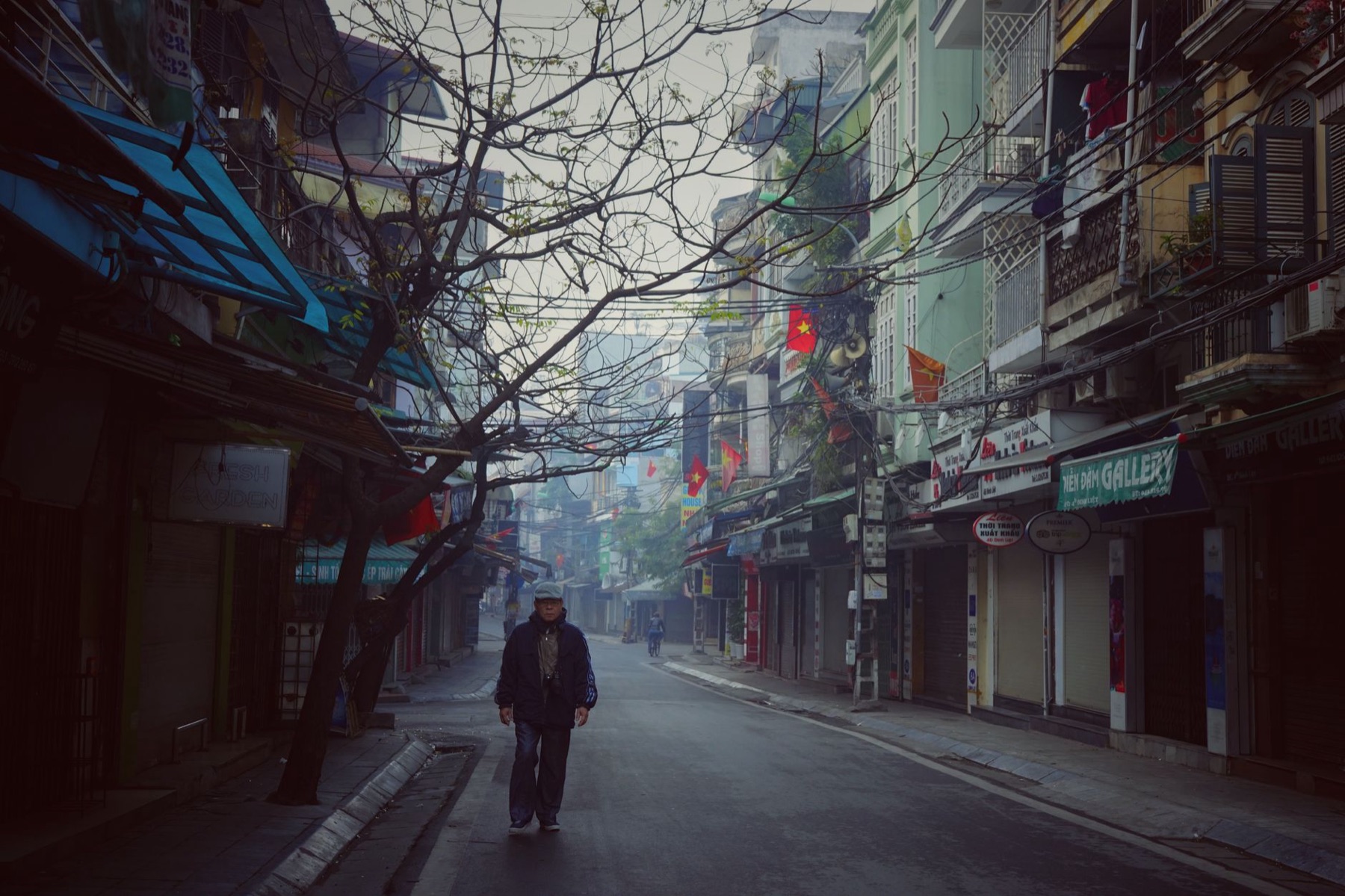
Tran Hung Dao Street (Ba Dinh district) has a cluster of phở stalls opening at 06:00–06:30. Queues form by 06:45. Minh Khai Street (Hai Ba Trung) hosts bún chả spots that open 11:00–11:30 (lunch only, 2–3 hours). Hang Manh Street (Old Quarter fringe, not core tourist zone) has egg coffee shops opening 08:00, busiest 08:30–09:30.
The pattern: arrive by opening, sit 5–15 minutes, eat, leave. Return spots rarely have menus—point or say the dish name in English, they'll understand. Bring small notes (10,000–20,000 VND); some stalls don't break large bills before 10:00.
Which Neighbourhoods Have Food Worth a Detour (Not Tourist Traps)?
Ba Dinh & Kim Ma area: phở, bánh mì, cơm tấm (broken rice). Low cost, no English signs, queues by 12:15. Best for: budget travellers, lunch-focused visits.
Hai Ba Trung (especially Minh Khai): bún chả, grilled pork, slow-cooked broth shops. Opens late morning. Fills up noon–13:30. Best for: authentic bún chả experience, off-peak crowds.
Hoan Kiem lake shore (do NOT eat here): tourist-marked-up phở, ice cream, overpriced seafood. 2–3× street-stall pricing, half the flavour.
Tay Ho (West Lake): upscale casual, lakeside seating, still-local recipes. 150,000–250,000 VND range. Best for: date nights, mid-range sit-down, sunset views.
French Quarter (Hoàn Kiếm fringe): heritage restaurants, fusion, heritage recipes in formal settings. 300,000+ VND. Best for: special dinners, food history buffs.
Cau Giay district (outer residential): neighbourhood family restaurants, zero tourists, authentic environment. 80,000–150,000 VND. Best for: immersion, real Hanoi rhythm.
How to Read What's Actually Worth Ordering?
| Dish | What It Is | Best Street Price | Red Flag (Tourist Markup) | Skip If | Go For If |
|---|---|---|---|---|---|
| Phở | Broth, noodle, herb | 35,000 VND (USD 1.40) | 80,000+ VND near lake | You dislike anise or beef fat | You want iconic Hanoi in a bowl |
| Bún chả | Grilled pork, noodle, sauce, herbs | 40,000 VND (USD 1.60) | 120,000+ in Old Quarter | You avoid pork | You eat pork and like char |
| Egg coffee | Egg yolk, condensed milk, coffee | 30,000 VND (USD 1.20) | 70,000+ lakeside | You dislike sweet or egg texture | You're curious about Hanoi innovation |
| Bánh mì | French bread, pâté, pickled veg, mayo | 25,000 VND (USD 1.00) | 60,000+ tourist shops | You have gluten sensitivity | You like crispy bread and umami |
| Cơm tấm | Broken rice, egg, pork, tomato | 45,000 VND (USD 1.80) | 90,000+ restaurants | You want refinement over comfort | You're hungry and broke |
| Chả cá | Turmeric fish, noodle, green herb | 50,000 VND (USD 2.00) | 150,000+ touristy Cha Ca Street | You dislike fish or turmeric | You want a Hanoi signature dish |
Why this matters: Most tourists eat the "wrong" version first, overpay, and assume Hanoi food is expensive. It isn't. You are.
What Do Expats Order When They Eat Alone?
Cơm tấm (broken rice with protein) at lunch. Bánh mì (banh mi) for quick breakfasts. Phở for cold weather, 06:00–07:30 AM. Bún chả when friends visit and you want to show off "local." Egg coffee once, for photos.
Most days: cơm tấm. It costs 40,000–60,000 VND, fills you until 17:00, requires zero planning, and tastes different each stall (each vendor has their own pork cure, tomato acid balance, sauce recipe). It's the dish that teaches you a neighbourhood's character fastest.
📸 Book an ao dai photoshoot in Hanoi or Saigon (Cáo Studio)
What to Check Before You Order
- Opening hours shift by season and stall owner mood. Confirm a spot's still open by walking by the day before. Many street stalls close 14:00–17:00 (siesta, prep for dinner rush).
- No English menus = authentic usually, confusion sometimes. Use Google Translate camera app or point at what others are eating.
- Price boards exist but are often hand-written and faded. Ask before ordering if price matters. Most stalls charge 5,000–10,000 VND less if you sit vs. take-away.
- Peak times (12:00–13:30 lunch, 18:00–19:30 dinner) mean 30-minute waits. Go at 11:30 or 14:00 for instant seating.
- "Specialties" (cơm chiên, phở, bánh mì) vary wildly by stall—taste one before committing to a second. The "best" isn't marked; you find it by eating sideways through a neighbourhood.
- Tap water isn't drunk by locals; order bottled or iced tea. Tap water doesn't make travellers sick, but locals drink the equivalent of three waters to one soft drink daily.
- Allergies or dietary restrictions need Thai/Lao/Chinese restaurant backups. Street stalls use shared woks, sauce, and prep surfaces. If vegan/gluten-free is mandatory, book ahead.
🎟️ Compare tours & tickets for this place
Neighbourhood Quick-Pick Checklist
Use this to decide where to eat based on your mood and constraints:
- Want iconic Hanoi for USD 1–2, no fuss: Ba Dinh phở stalls, 06:00–07:30.
- Want to disappear into local life: Cau Giay family restaurants, lunch 11:30–13:30.
- Want memorable bún chả: Minh Khai Street, 11:30–14:00.
- Want lakeside views + decent price: Tay Ho casual seafood, 17:30–20:00.
- Want to celebrate with formality: French Quarter fine dining, 19:00+ with reservation.
- Want to try egg coffee once: Any café in Old Quarter core, 08:00–09:30 before tourist rush.
How to Avoid Scams and Overcharging
Most "scams" in Hanoi food are just price markup, not fraud. Walk past lakeside phở stalls (Old Quarter fringe). Don't ask "how much?" after ordering—agree first. Street stalls rarely cheat; they rely on repeat local traffic. Restaurants with laminated menus and photos often inflate foreigner prices 50%.
When ordering alcohol (beer, bia), ask for the bottle and cap to open it yourself (rare but happens: reused bottles, watered spirits). Stick to known brands or ask locals what they drink. Most beer here is Heineken, Tiger, or Saigon—all safe, marked, sealed.
What to Skip (Honest Takes)
- "Cha Ca Street" (Cha Ca) restaurant row: Historic, yes. Overpriced and touristy, also yes. Go once if you must, but don't queue. The dish is better at a stall or modest sit-down joint elsewhere.
- Lakeside phở: It's the same bowl served at 3× cost. The lake view isn't worth USD 5 premium on a USD 2 dish.
- Chain Vietnamese restaurants (Quan An Ngon, Nha Hang Ngon, etc.): They're not bad, but they're designed for tourists and expats. Go to a neighbourhood spot instead and feel Hanoi actually work.
- Durian, snake, exotic meats in tourist restaurants: Overpriced theatre. If you want these, eat them at a night market or from a local who knows the vendor.
---
Related Reading
Ready to explore Hanoi deeper? Check out our Hanoi food guide for neighbourhood-by-neighbourhood breakdown, or Hanoi for transport, accommodation, and cultural tips. Venturing beyond the capital? See Ha Long Bay, Hoi An, Ninh Binh, or Sapa guides.
Planning your whole Vietnam trip? Use our Vietnam itinerary planner to balance food exploration with other destinations like Ho Chi Minh City.
Before you go, make sure you have a Vietnam e-visa and a local SIM or eSIM so you can share your discoveries and use Google Translate on the fly.
---
#
FAQ
Is it safe to eat street food in Hanoi?
Yes. Street stalls serve locals daily; food safety is high. Busy stalls with fast turnover are safest. Avoid stalls sitting in sun for hours. Tap water isn't drunk; bottled and iced tea are universal. Stomach upset is rare; usually happens from overeating or unfamiliar spice, not contamination.
What's the cheapest authentic meal I can get?
Cơm tấm (broken rice) or bánh mì at a street stall, 25,000–45,000 VND (USD 1–1.80). Both are complete meals. Phở costs similar but fills you less. Buy from stalls with queues; price is fixed and low.
Do I need to book restaurants in advance?
Street stalls: no. Casual sit-down (80,000–150,000 VND): no, but arrive by 12:00 or 18:30 for guaranteed seating. Fine dining (300,000+ VND): yes, 1–2 days ahead. Mid-range (150,000–300,000 VND): book only if it's a special occasion or Friday/Saturday evening.
What's the best time to eat phở in Hanoi?
06:00–07:30 AM. Broth is fresh, stalls are uncrowded, locals are eating breakfast. Dinner phở (18:00–21:00) uses reheated broth and tastes noticeably different. Midday phở (12:00–14:00) is acceptable but never the best version.
How much should I tip at a restaurant?
No tipping expected at street stalls or casual restaurants. At mid-range and fine dining, 5–10% is polite if service was attentive. Round up small bills (e.g., 95,000 to 100,000 VND) if you wish. Tipping is not obligatory; service charges are rarely added.
Can I find vegetarian/vegan food easily?
Yes, at Buddhist restaurants and modern cafés. Street stalls are harder; phở and bánh mì can be ordered vegetarian (broth + tofu), but cross-contamination happens. Most neighbourhoods have at least one cơm chay (vegetarian rice) stall. Ask "cơm chay" or show a translator app. Dedicated vegan restaurants exist in central Hanoi but charge 100,000+ VND.
FAQ
Is it safe to eat street food in Hanoi?
Yes. Street stalls serve locals daily; food safety is high. Busy stalls with fast turnover are safest. Avoid stalls sitting in sun for hours. Tap water isn't drunk; bottled and iced tea are universal. Stomach upset is rare; usually happens from overeating or unfamiliar spice, not contamination.
What's the cheapest authentic meal I can get?
Cơm tấm (broken rice) or bánh mì at a street stall, 25,000–45,000 VND (USD 1–1.80). Both are complete meals. Phở costs similar but fills you less. Buy from stalls with queues; price is fixed and low.
Do I need to book restaurants in advance?
Street stalls: no. Casual sit-down (80,000–150,000 VND): no, but arrive by 12:00 or 18:30 for guaranteed seating. Fine dining (300,000+ VND): yes, 1–2 days ahead. Mid-range (150,000–300,000 VND): book only if it's a special occasion or Friday/Saturday evening.
What's the best time to eat phở in Hanoi?
06:00–07:30 AM. Broth is fresh, stalls are uncrowded, locals are eating breakfast. Dinner phở (18:00–21:00) uses reheated broth and tastes noticeably different. Midday phở (12:00–14:00) is acceptable but never the best version.
How much should I tip at a restaurant?
No tipping expected at street stalls or casual restaurants. At mid-range and fine dining, 5–10% is polite if service was attentive. Round up small bills (e.g., 95,000 to 100,000 VND) if you wish. Tipping is not obligatory; service charges are rarely added.
Can I find vegetarian/vegan food easily?
Yes, at Buddhist restaurants and modern cafés. Street stalls are harder; phở and bánh mì can be ordered vegetarian (broth + tofu), but cross-contamination happens. Most neighbourhoods have at least one cơm chay (vegetarian rice) stall. Ask "cơm chay" or show a translator app. Dedicated vegan restaurants exist in central Hanoi but charge 100,000+ VND.