Hanoi · Food
Vietnamese Food in Hanoi: Where to Eat & What to Try
By Wander in Vietnam editorial team · Hanoi, Vietnam
Vietnamese food in Hanoi is not a single experience—it's a grid of neighborhoods, price tiers, and eating styles that shift block by block. Whether you're after a $1 bowl of pho at 6 a.m. or a sit-down dinner with rice wine, Hanoi rewards eaters who know where to look and what questions to ask before they order.
What Are the Main Hanoi Neighborhoods for Eating?
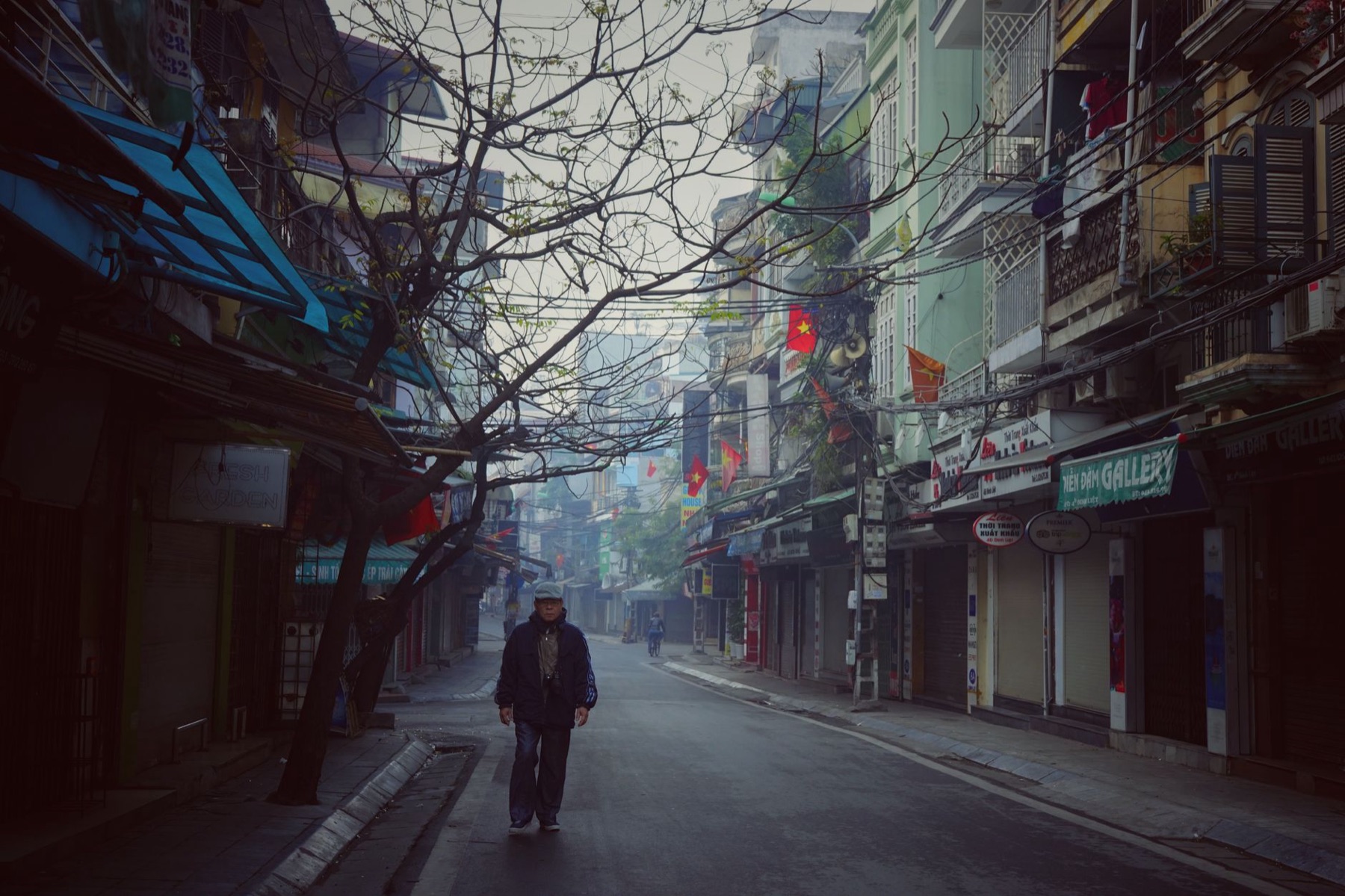
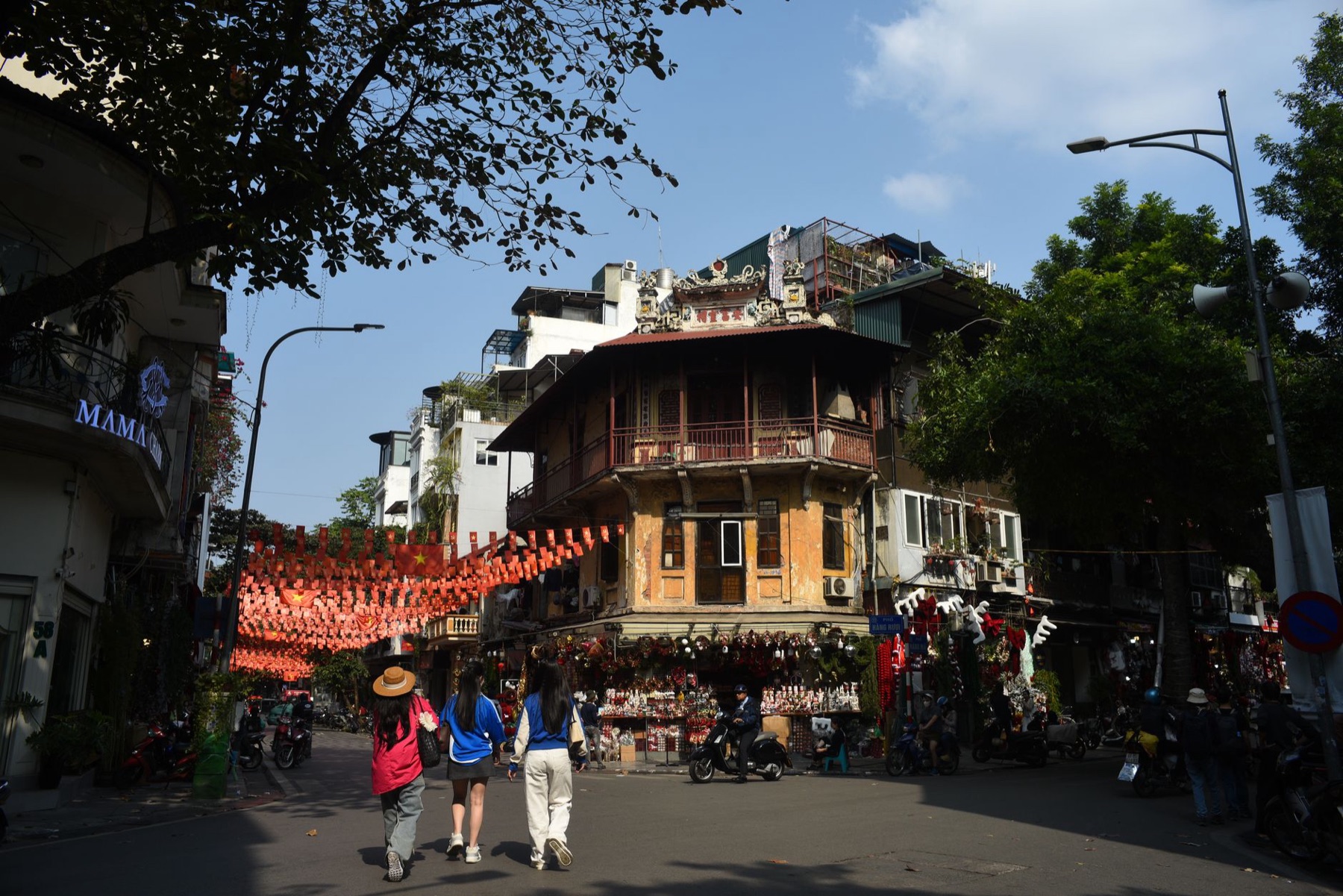
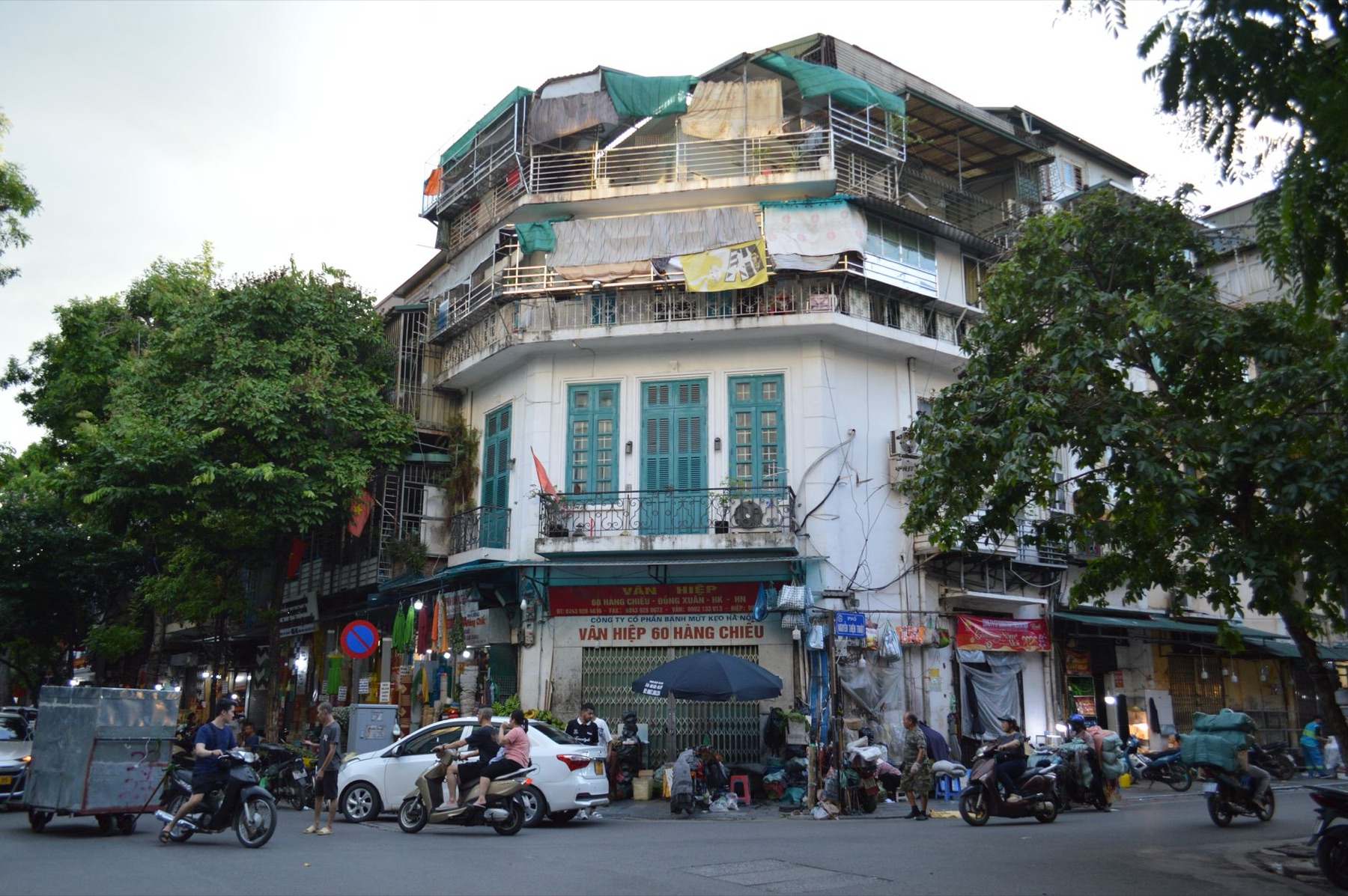
Hanoi breaks into distinct food zones. Old Quarter (Hoan Kiem district, around Hang Dao, Ta Hien, Luong Ngoc Quyen) is noise, motorbikes, plastic stools, and some of the best pho, banh mi, and egg coffee on the street. Most bowls cost around $1–1.50 USD. Tran Hung Dao (southwest of Hoan Kiem) holds calmer shops—com tam (broken-rice), grilled fish, beer halls—where $2–4 USD buys a full lunch. Ba Dinh district (Phan Boi Chau, Ly Thuong Kiet areas) caters to office workers and expats; cleaner tables, $3–8 USD per meal, less chaos. West Lake (Tay Ho) is leafy, pricier ($5–15 USD), tourist-aware. Cau Giay in the south holds apartment-block eateries and student hangouts; cheap, real, rarely marked in English.
Skip the tourist megabars on Ta Hien Street after 8 p.m. Skip "famous" pho shops with laminated menus and English signage within 50 meters of Hoan Kiem Lake—they're designed for passing trade, not flavor.
How Do You Find Authentic Street Pho Without Getting Ripped Off?
Look for a shop with one pot and one type of broth. A good pho stall (at Hang Dao, Ly Quoc Su, or Bat Su) boils beef bones for 8+ hours; the broth tastes deep, clean. A mediocre one adds commercial paste. Price tells you: around 40,000–60,000 VND ($1.60–2.40 USD) for a large bowl means real bone broth. If you see 80,000 VND ($3.20 USD) and tourists filling the stools, walk past.
Timing matters. Go 6–7 a.m., not noon. At dawn, the pho is fresh; the cook is calm and won't rush. By lunch, queues form, shortcuts happen. Sit at plastic stools. Watch the vendor make your bowl: raw beef, ladle of broth, noodles, herbs, oil. If they prepare it lazily or hand you a bowl already plated, the broth is sitting.
Order pho tai (rare beef, cooks in the hot broth) not pho nam (well-done), which masks old meat. Ask for extra herbs (rau thom): mint, Thai basil, coriander. They're free.
🗺️ Plan your route: Vietnam itinerary
What's the Difference Between Street Eats and Sit-Down Restaurants?
| Style | Where to Find | Typical Cost (USD) | Who It's For | What to Expect |
|---|---|---|---|---|
| Street stall (pho, banh mi, com tam) | Old Quarter, Tran Hung Dao | $1–3 | Budget travelers, locals | Plastic stools, 10 mins, one dish, no menu |
| Beer hall (bia om) | Ba Dinh, Cau Giay | $3–6 | Groups, evening hangouts | Shared tables, snacks, beer, louder |
| Mid-range restaurant (wood furniture, aircon) | Phan Boi Chau, near Ba Dinh Lake | $5–12 | Couples, office lunch | Menus in Vietnamese + English, slower service, quieter |
| Upscale modern/fusion | West Lake, Ly Thuong Kiet | $12–30+ | Expats, celebrations | Plating, wine list, reservations recommended |
Which is best for you? If you're here 1–3 days, street eating is non-negotiable; it's where Hanoi's soul lives. If you want a quiet dinner with a date, a mid-range spot in Ba Dinh or near the lakes is your move. Upscale venues feel safe but miss the point of Hanoi's food.
Which Hanoi Dishes Must You Try, and Where?
- Pho (beef noodle soup): Old Quarter or Tran Hung Dao stalls, 6–8 a.m. Around 50,000 VND ($2 USD).
- Bun cha (grilled pork with noodles, dipping sauce): Hang Manh, Ly Quoc Su. Around 60,000–80,000 VND ($2.40–3.20 USD). Eat it for lunch; it's a midday ritual.
- Banh mi (pâté, pickled veg, cilantro on crispy bread): Any corner shop in Old Quarter. Around 25,000–40,000 VND ($1–1.60 USD). Avoid the tourist shops; find a 40-year-old vendor.
- Com tam (broken-rice, grilled fish, egg, pork belly): Tran Hung Dao or Cau Giay eateries. Around 40,000–70,000 VND ($1.60–2.80 USD). One of the most complete meals under $3.
- Cha ca (turmeric fish, herbs, rice noodles): Cha Ca La Vong street, north end Old Quarter. Around 80,000–120,000 VND ($3.20–4.80 USD). Specialized; go if you're curious.
- Egg coffee (whipped egg, condensed milk, espresso): Any café on Hang Manh or Luong Ngoc Quyen. Around 35,000–50,000 VND ($1.40–2 USD). A Hanoi invention; try it once.
- Snails (escargot stewed in broth, served with toothpicks): Beer halls in Cau Giay or Ba Dinh. Around 120,000–200,000 VND ($4.80–8 USD) per bowl. Acquired taste; go with a local.
What Scams Should You Avoid When Eating in Hanoi?
Bait-and-switch pricing: A tourist asks a street vendor how much. He says "cheap, cheap," you sit, eat, and the bill is 300,000 VND ($12 USD) instead of 50,000. Avoid: Ask price before you sit. Point at the dish, ask "Bao nhieu?" (How much?). If they deflect, move on.
Watered-down beer: Some beer halls refill bottles with cheaper brews or water. Avoid: Watch your beer opened in front of you. If a bottle looks old or dusty, reject it.
Tourist-trap "recommendations": A person on the street offers to guide you to a "famous local restaurant." You go, order expensive food, he gets commission. Avoid: Walk, observe, eat where locals queue. Ask your accommodation for real spots.
Hidden service charges: Restaurants in Ba Dinh or West Lake may add 5–10% to your bill. Avoid: Check the menu for "service" asterisks. Ask before you order if service is included.
Expired ingredients in seafood: Raw fish, shrimp, shellfish can harbor bacteria if not fresh-caught that day. Avoid: Eat seafood only at mid-range+ restaurants with visible turnover, or stick to cooked pots (hot-pot).
📸 Book an ao dai photoshoot in Hanoi or Saigon (Cáo Studio)
What Should You Check Before Ordering Vietnamese Food in Hanoi?
- Ask if the ingredient is fresh today. "Hôm nay tươi không?" (Is it fresh today?) For fish, pork, seafood, this matters. Real vendors answer honestly.
- Confirm no MSG if you're sensitive. "Không có mau?" Point to salt and seasoning. Some stalls add monosodium glutamate by default.
- Watch the prep. If you can see the cook, stand there. It's normal. It signals "I care" and makes lazy shortcuts harder.
- Check the oil or broth color. Pho broth should be amber-gold from bones, not brown from soy sauce. Rice oil should be clear, not cloudy or old.
- Eat at lunch hours (11 a.m.–1 p.m.), not dinner. Vietnamese eat lunch as the main meal. Food turns over faster; freshness is higher.
- Bring cash in small notes. Most street stalls and beer halls don't take cards. A 100,000 VND note can be hard to break; carry 10,000–50,000 VND in singles.
- Never order a dish that's sitting cooked. Banh mi, fresh spring rolls, pho—these are made-to-order. If it's been plated and waiting, walk past.
---
Hanoi's Food Beyond the Old Quarter: Real Eats in Other Districts
Ba Dinh for office-crowd lunch: Walk Phan Boi Chau in the morning. Small shops serve pho, banh mi, com tam to locals. Around $2–4 USD per meal. No tourists; authentic chaos without the foreigner tax.
Cau Giay for student budget eats: Head south to apartment blocks near Cau Giay district. Tiny eateries serve rice bowls, beef stew, grilled fish. Around $1.50–3 USD. You'll see zero English. Go mid-morning.
West Lake for sit-down leisure: Tay Ho district wraps a scenic lake. Restaurants along the water are pricier ($8–20 USD per meal) but quieter. Useful after Old Quarter sensory overload.
Markets as food courts: Hang Da Market (south of Old Quarter), Long Bien Market (across the Red River) are wholesale fruit, veg, and meat. Early morning (5–8 a.m.), grab a hot pho, banh mi, or juice from vendors at the edge. Locals only; no signage.
---
Planning a Food-Focused Hanoi Trip? A Checklist.
- [ ] Breakfast pho in Old Quarter (6–7 a.m., before crowds, $1–2 USD).
- [ ] Mid-morning banh mi and juice from a corner shop ($1 USD).
- [ ] Lunch bun cha or com tam (11 a.m.–1 p.m., $2–3 USD).
- [ ] Afternoon coffee or egg coffee ($1.50–2 USD).
- [ ] Evening bia om (beer hall) with grilled snacks in Ba Dinh or Cau Giay ($3–8 USD).
- [ ] Try one specialized dish (cha ca, snails, fish stew) mid-trip when you're confident navigating.
- [ ] Visit one market at 6 a.m. to see food sourcing; grab breakfast there.
- [ ] Eat alone at least once at a stall; you'll learn more than any guide says.
🎟️ Compare tours & tickets for this place
---
Worth Your Time? Food-Travel Trade-Offs.
Old Quarter eating is unmissable. Yes, it's chaotic. Yes, you'll touch raw sewage on a stool. Yes, you might get food poisoning (locals do; the risk is real). But there's no other place on Earth where a $1 bowl of pho tastes this alive. Go hungry, go early, go skeptical.
Skip expensive "traditional" restaurants marketed to tourists. They trade authenticity for tablecloths. A $15 bowl of pho at a hotel is not better than a $2 bowl on the street; it's slower and less honest.
If you're here 3+ days, hire a local. A student or young local who eats at street stalls can guide you for $20–40 USD a day. They'll take you to shops their family uses, not places with Instagram backdrops.
For more on Hanoi and other regions—Ho Chi Minh City, Hoi An, Ha Long Bay, Ninh Binh, Sapa—see our full destination guides. If you're planning a multi-city trip, use our Vietnam itinerary planner to map food stops by region.
FAQ
Is it safe to eat street food in Hanoi?
Yes, if you follow one rule: eat where locals queue and food turns fast. Avoid anything sitting cooked or prepared ahead. Busy stalls mean fresh ingredients and high turnover. Your stomach adjusts; many travelers get mild digestion shifts in the first 2–3 days, then settle. Carry oral rehydration salts (sachets, $1 USD at any pharmacy) as backup.
What's the cheapest full meal I can find in Hanoi?
A com tam (broken rice with grilled fish, egg, pork) at Tran Hung Dao costs around 40,000–60,000 VND ($1.60–2.40 USD) and is filling enough for lunch. Pho is around 50,000 VND ($2 USD) but feels lighter. A banh mi is 25,000–40,000 VND ($1–1.60 USD) but not a meal on its own.
Do I need to speak Vietnamese to order food?
No. Point, smile, say "Mot" (one), hold up fingers for quantity. Most street vendors understand basic gestures. For allergies or preferences, write them down in Vietnamese beforehand or use a translation app. Locals appreciate the effort; it helps.
What time should I eat each meal in Hanoi?
Breakfast 6–8 a.m. (pho rush), mid-morning 9–10 a.m. (banh mi, coffee), lunch 11 a.m.–1 p.m. (the main meal), afternoon snack 3–4 p.m. (juice, ice cream), dinner 6–8 p.m. (pho stalls reopen, beer halls fill). Eating at off-peak times (2–5 p.m.) means slower service and less-fresh food.
How do I avoid paying a tourist price for food?
Order in Vietnamese or point silently. Avoid eye contact with the vendor and look local (less jewelry, practical bag). Ask the price before you sit. Eat at plastic stools, not tables. If a shop has laminated photos or English menus, it's already priced for tourists—walk past.
Should I use my phone to pay or carry cash?
Carry cash. Most street stalls and small beer halls accept only Vietnamese Dong in notes or coins. Larger restaurants in Ba Dinh or West Lake accept Visa/Mastercard, but expect 2–3% fees. ATMs are on every block in Old Quarter and Ba Dinh; withdraw 2–5 million VND ($80–200 USD) at once to avoid fees. Have 10,000–50,000 VND in small notes for tips and street vendors.
Is eating at a market better than a restaurant?
Markets are cheaper and fresher at dawn (5–8 a.m.). You'll eat standing or on a stool, amid shouting and crowd. It's authentic chaos. Restaurants are quieter and slower—good for sitting with a drink or a date, but the food is the same price or higher. Pick based on your mood, not quality.
FAQ
Is it safe to eat street food in Hanoi?
Yes, if you follow one rule: eat where locals queue and food turns fast. Avoid anything sitting cooked or prepared ahead. Busy stalls mean fresh ingredients and high turnover. Your stomach adjusts; many travelers get mild digestion shifts in the first 2–3 days, then settle. Carry oral rehydration salts (sachets, $1 USD at any pharmacy) as backup.
What's the cheapest full meal I can find in Hanoi?
A com tam (broken rice with grilled fish, egg, pork) at Tran Hung Dao costs around 40,000–60,000 VND ($1.60–2.40 USD) and is filling enough for lunch. Pho is around 50,000 VND ($2 USD) but feels lighter. A banh mi is 25,000–40,000 VND ($1–1.60 USD) but not a meal on its own.
Do I need to speak Vietnamese to order food?
No. Point, smile, say "Mot" (one), hold up fingers for quantity. Most street vendors understand basic gestures. For allergies or preferences, write them down in Vietnamese beforehand or use a translation app. Locals appreciate the effort; it helps.
What time should I eat each meal in Hanoi?
Breakfast 6–8 a.m. (pho rush), mid-morning 9–10 a.m. (banh mi, coffee), lunch 11 a.m.–1 p.m. (the main meal), afternoon snack 3–4 p.m. (juice, ice cream), dinner 6–8 p.m. (pho stalls reopen, beer halls fill). Eating at off-peak times (2–5 p.m.) means slower service and less-fresh food.
How do I avoid paying a tourist price for food?
Order in Vietnamese or point silently. Avoid eye contact with the vendor and look local (less jewelry, practical bag). Ask the price before you sit. Eat at plastic stools, not tables. If a shop has laminated photos or English menus, it's already priced for tourists—walk past.
Should I use my phone to pay or carry cash?
Carry cash. Most street stalls and small beer halls accept only Vietnamese Dong in notes or coins. Larger restaurants in Ba Dinh or West Lake accept Visa/Mastercard, but expect 2–3% fees. ATMs are on every block in Old Quarter and Ba Dinh; withdraw 2–5 million VND ($80–200 USD) at once to avoid fees. Have 10,000–50,000 VND in small notes for tips and street vendors.
Is eating at a market better than a restaurant?
Markets are cheaper and fresher at dawn (5–8 a.m.). You'll eat standing or on a stool, amid shouting and crowd. It's authentic chaos. Restaurants are quieter and slower—good for sitting with a drink or a date, but the food is the same price or higher. Pick based on your mood, not quality.