Hanoi · Food
Vietnamese Street Food Hanoi: What to Eat, Where, and What Costs
By Wander in Vietnam editorial team · Hanoi, Vietnam
Hanoi's street food is not a list to tick off. It's a daily reality for residents who eat at carts, stools, and hole-in-wall shops instead of restaurants. Prices are negotiable only at specific stalls; most have fixed signs. The city's best meals cost what you'd spend on a single coffee in the West. But not all cheap food is good, and not all crowded carts are worth your time.
What Makes Hanoi Street Food Different from Tourist Menus?
Tourist-facing street food stalls often double their prices and reduce portion size. A phở bowl that costs a local 40,000 VND becomes 80,000 VND ($3.20 USD) when a white face arrives. The dishes don't change—the math does. Real street food happens where Vietnamese families sit elbow-to-elbow at 6:00 a.m. or 11:00 a.m., speaking Vietnamese, eating fast, leaving cash without asking for a receipt. Wander in Vietnam avoids stalls with English menus, laminated photos, or staff hovering to push upsells.
Where in Hanoi Should You Actually Eat Street Food?
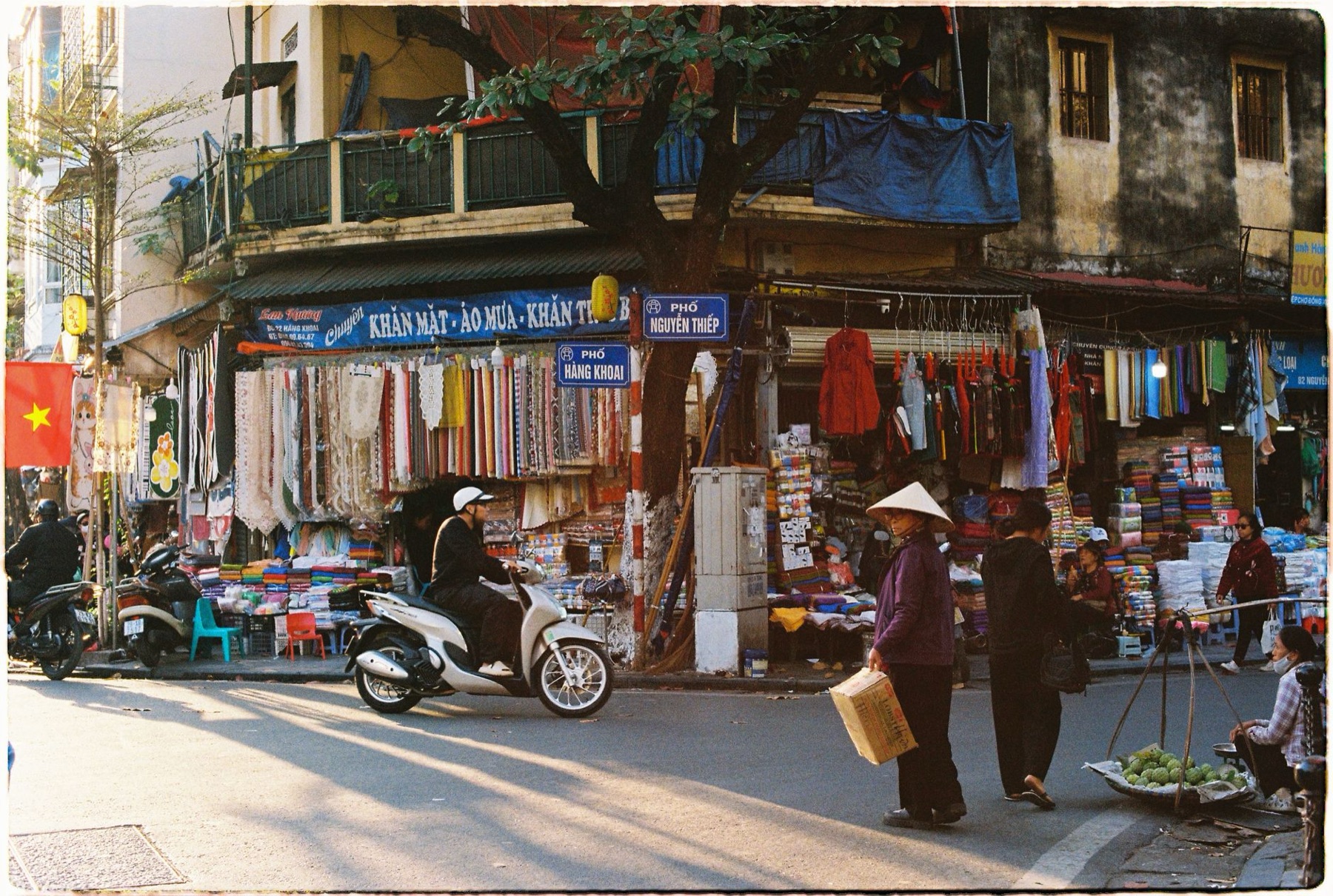
Old Quarter (Hoàn Kiếm district) is the historical centre. Tạ Hiện Street and Lý Quốc Sư alley have mix: some tourist traps, some still-real. Eat early (before 10:00 a.m. or after 11:30 a.m.) when tourists are sleeping or eating elsewhere. Ba Đình district, especially around Thợ Nhuộm Street and the lanes near Liễu Giai, stays quieter and cheaper. Thanh Xuân district (west of the city) hosts many worker-favourite stalls. Dong Da district, near Hàng Bài area, has older carts with no pretence.
The key: wander when locals eat. That's 6:00–8:00 a.m. (breakfast), 11:30 a.m.–1:00 p.m. (lunch), and 5:00–7:00 p.m. (dinner). Outside these windows, many stalls close. Street food in Hanoi isn't a 24-hour concept; it follows working hours.
🗺️ Plan your route: Vietnam itinerary
Which Dishes Are Worth Your Time and Money?
| Dish | What it is | Typical price | Best for | Why order |
|---|---|---|---|---|
| Phở | Rice noodle soup, beef or chicken broth | 40,000–60,000 VND ($1.60–2.40) | Breakfast/any time | Broth defines quality; takes 8+ hours to make. Cheap means shortcuts. |
| Bánh mì | Crispy baguette, pâté, pickles, herbs | 25,000–40,000 VND ($1.00–1.60) | Quick lunch | Hanoi's bánh mì has thinner bread than Ho Chi Minh City's; denser crumb. |
| Bún chả | Grilled pork patties, vermicelli, dipping sauce | 50,000–80,000 VND ($2.00–3.20) | Lunch/dinner | Charred meat is key. Poor carts use tough cuts. Good ones use shoulder. |
| Chả cá Lã Vọng | Turmeric fish, dill, noodles | 80,000–120,000 VND ($3.20–4.80) | Lunch speciality | Requires specific fish and technique. Only ~3 lanes do it seriously. |
| Egg coffee | Espresso topped with whipped egg yolk | 40,000–60,000 VND ($1.60–2.40) | Afternoon | Hanoi original. Heavy, sweet. More dessert than coffee. Skip if you want black coffee. |
| Bánh cuốn | Steamed rice rolls, pork, mushroom, fish sauce | 35,000–55,000 VND ($1.40–2.20) | Breakfast | Rolls must be soft, not rubbery. High turnover = fresher. |
| Cơm tấm | Broken rice, grilled pork, egg, pickles | 45,000–65,000 VND ($1.80–2.60) | Lunch | Southern dish but eaten in Hanoi now. Filling, cheap. |
| Hủ tiếu | Clear soup, pork, shrimp, tapioca noodles | 40,000–60,000 VND ($1.60–2.40) | Morning/lunch | Southern origin. Hanoi versions often lighter than Ho Chi Minh City's. |
Skip: spring roll stacks (rarely fresh, always touristy pricing), anything in plastic wrap from a cart, and "street food tours" that mark up by 300–400%.
How to Order Without Overpaying or Getting Scammed
1. Check for a price board. A real stall has handwritten or printed prices in Vietnamese. If you see English prices or no prices at all, walk away. 2. Watch other customers pay. Before you sit, note what locals hand over. If 50,000 VND is going in the tip jar for a phở, that's your baseline. 3. Ask the price in Vietnamese before ordering. Say "Giá bao nhiêu?" (How much?). A scammer will quote high verbally, then charge more on the bill. 4. Sit among locals, not tourists. Carts with mixed seating often segment prices. 5. Never accept "special price for you." That phrase means overcharge. 6. Pay cash only. Mobile-only payment stalls (AirPay, Momo) sometimes impose invisible surcharges. Small bills (10,000–20,000 VND notes) prevent "change mistakes."
What to Check Before You Sit Down
- Meat freshness. Grilled pork should smell smoky, not rancid. Grey meat = old stock.
- Broth clarity. Phở broth should be translucent gold or light brown, not murky. Cloudiness means rushed cooking or old batch.
- Noodle texture. Ask them to cook to order (not pre-made). Pre-cooked noodles sitting in a tray turn mushy within minutes.
- Rice cakes. Bánh cuốn should jiggle slightly, not feel dense or rubbery. Rubbery = made yesterday.
- Cooker hygiene. Watch hands before they touch your food. No hand-washing = walk on.
- Crowd timing. If a stall is empty at 11:45 a.m., they either make bad food or overcharge. Real stalls have standing-room queues.
📸 Book an ao dai photoshoot in Hanoi or Saigon (Cáo Studio)
How Are Hanoi Streets Different from Other Vietnamese Cities?
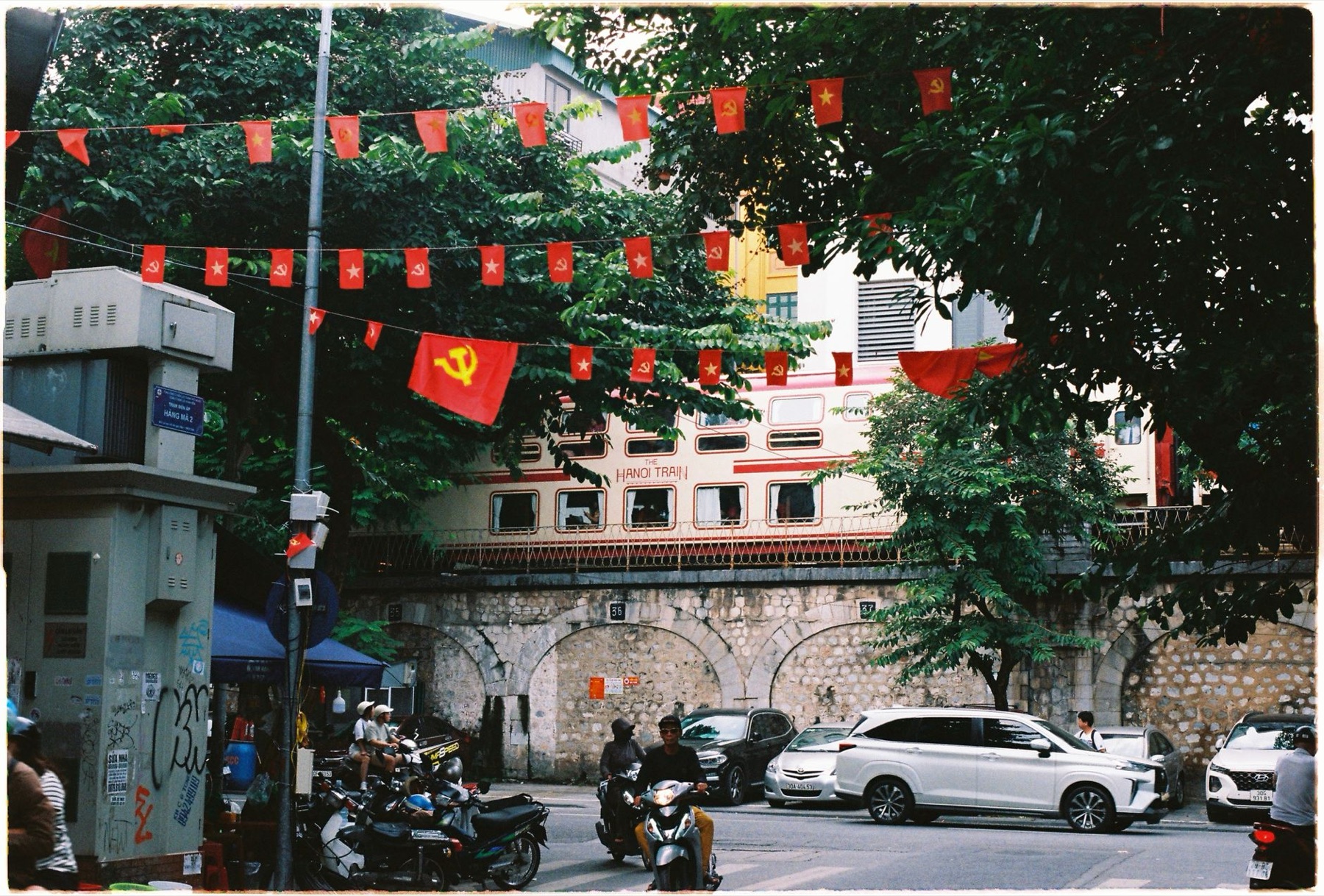
Hanoi street food is soup-heavy. Phở, bún, hủ tiếu dominate. Ho Chi Minh City (see our Ho Chi Minh City guide) skews toward stir-fries, bánh mì with thicker bread, and meatier plates. Hoi An (see our Hoi An guide) focuses on local specialities like cao lầu and white roses; street options are fewer. Hanoi's Old Quarter density means more vendors per square metre than anywhere else in Vietnam. Prices in Hanoi stay lowest. The same phở costs 20% more in Ho Chi Minh City, 30% more in Da Nang.
Hanoi street food also has strong regional origin stories. Chả cá Lã Vọng (turmeric fish noodles) must come from Lã Vọng Street—other versions aren't authentic. Bún chả is Hanoi's signature dish; it barely exists as street food in the South. Egg coffee is Hanoi's invention (1950s café culture). Tourist guides often strip these stories away, selling "authentic Hanoi street food" in packaged tours that last two hours and charge $35 USD per person.
🎟️ Compare tours & tickets for this place
Honest Takes: What's Overrated and What's Real
Overrated: "Street food tours" with influencers. They mark up 300–400% and steer you to pre-arranged stalls. You'll eat the same dishes alone for 1/3 the price. Real: Small carts with one owner, one dish. When someone has spent 15 years perfecting phở, it shows. The taste is not subjective—it's chemistry. Overrated: Food halls that brand themselves as "street food" in air-conditioned boxes (Ẩm thực Nước Ngoài Hà Nội on Tạ Hiện Street). They're restaurants pretending to be street. Real: Alleys where stools face the street and grease stains prove longevity.
Egg coffee? Yes, try it—but once. It's heavy, sweet, more dessert than coffee. Don't expect revelation. Bún chả? Absolutely. It's Hanoi's soul food and often costs less than a sandwich. Phở? Only if the queue starts before 7:00 a.m. (peak broth freshness). After 9:00 a.m., you're eating yesterday's base.
What to Avoid: Common Scams and Mistakes
- "Complimentary" appetisers. A plate of unordered snacks arrives, then you're charged. Politely refuse.
- Weight guessing for grilled meat. Some vendors estimate portion by eye and overcharge by 10–20%. Ask them to weigh on a scale before cooking.
- Tap water in iced drinks. Use bottled water only (around 5,000–10,000 VND / $0.20–0.40 USD per litre at any shop).
- "Fresh" seafood in stir-fries. Seafood street carts are rare and risky. Sick for three days isn't a food memory.
- Tourist-marked alleys. Tạ Hiện Street is now 80% tourist stalls. Same dishes, triple the price. Go one block over (Thanh Nên Street) for local prices.
Street food is transport. Take Vietnam e-visa or eSIM applications offline so you can check prices with locals on your phone without Wi-Fi.
How to Plan Street Food into Your Hanoi Trip
If you have three days in Hanoi (see our Hanoi guide), dedicate one full day to street food. Start 6:00 a.m. at a phở stall, skip lunch at a restaurant, and eat bánh mì and bún chả at different carts between 11:00 a.m. and 1:00 p.m. Dinner at 5:30 p.m. at a cơm tấm vendor. Budget around 200,000–300,000 VND ($8.00–12.00 USD) per day for six meals. Eat alone or with one other person; large groups slow carts and invite price hikes.
If you're building a Vietnam itinerary that includes Ninh Binh, Ha Long Bay, or Sapa, eat street food in Hanoi first. Other regions have good food, but not this density or this cheapness.
Hanoi street food is neither romantic nor Instagram-ready for most of it. It's functional, delicious, and proof that the best meals don't need ambiance—they need skill and integrity.
FAQ
Is it safe to eat street food in Hanoi?
Yes, if you follow hygiene checks (watch hand-washing, check meat colour, verify broth clarity). Street carts turn over food so fast that bacteria rarely build up. The risk is low compared to restaurant kitchens you can't see. Tap water is the only real risk—use bottled only.
How do I know if a phở stall is good?
Real phở needs 8+ hours of broth simmering. A good stall will have a queue by 6:30 a.m., serve from 6:00–10:00 a.m., then close. If they're open 11:00 a.m.–9:00 p.m., they're reheating old broth. Ask for the broth to be freshly cooked (không nóc lại). Translucent gold colour = good; murky brown = skip.
Why is street food cheaper than restaurants?
Street carts have no rent, no staff payroll, no taxes, and one menu item. A restaurant pays 10–15 million VND ($400–600 USD) per month in rent alone. They pass that to you. Street carts profit on volume and low overhead.
Should I tip street food vendors?
Tipping is not expected. A "thank you" (cảm ơn) is enough. Leaving 5,000 VND (20 cents USD) is kind but unusual. Only tip if the vendor was exceptionally kind or generous with portions.
What's the difference between bánh mì in Hanoi and Ho Chi Minh City?
Hanoi bánh mì has thinner, crispier bread (French influence, lighter crumb). Ho Chi Minh City bánh mì uses thicker, denser baguettes (French-Vietnamese hybrid, chewier). Both are authentic; tastes depend on preference. Hanoi's version is easier to eat while walking.
Can I negotiate prices at street food stalls?
Only at markets (like Dong Xuan Market in the Old Quarter) or if you're buying in bulk (five bánh mì at once). Individual carts have set prices on a board. Negotiating signals disrespect and confusion. Pay what's listed.
Is egg coffee really worth trying?
Yes—once. It's a Hanoi original (1950s café culture) and tastes like espresso mixed with tiramisu cream. It's heavy and sweet, more dessert than coffee. If you hate sweets, skip it. If you like Vietnamese coffee culture, it's a 10-minute experience, around 40,000–60,000 VND ($1.60–2.40).
FAQ
Is it safe to eat street food in Hanoi?
Yes, if you follow hygiene checks (watch hand-washing, check meat colour, verify broth clarity). Street carts turn over food so fast that bacteria rarely build up. The risk is low compared to restaurant kitchens you can't see. Tap water is the only real risk—use bottled only.
How do I know if a phở stall is good?
Real phở needs 8+ hours of broth simmering. A good stall will have a queue by 6:30 a.m., serve from 6:00–10:00 a.m., then close. If they're open 11:00 a.m.–9:00 p.m., they're reheating old broth. Ask for the broth to be freshly cooked (không nóc lại). Translucent gold colour = good; murky brown = skip.
Why is street food cheaper than restaurants?
Street carts have no rent, no staff payroll, no taxes, and one menu item. A restaurant pays 10–15 million VND ($400–600 USD) per month in rent alone. They pass that to you. Street carts profit on volume and low overhead.
Should I tip street food vendors?
Tipping is not expected. A "thank you" (cảm ơn) is enough. Leaving 5,000 VND (20 cents USD) is kind but unusual. Only tip if the vendor was exceptionally kind or generous with portions.
What's the difference between bánh mì in Hanoi and Ho Chi Minh City?
Hanoi bánh mì has thinner, crispier bread (French influence, lighter crumb). Ho Chi Minh City bánh mì uses thicker, denser baguettes (French-Vietnamese hybrid, chewier). Both are authentic; tastes depend on preference. Hanoi's version is easier to eat while walking.
Can I negotiate prices at street food stalls?
Only at markets (like Dong Xuan Market in the Old Quarter) or if you're buying in bulk (five bánh mì at once). Individual carts have set prices on a board. Negotiating signals disrespect and confusion. Pay what's listed.
Is egg coffee really worth trying?
Yes—once. It's a Hanoi original (1950s café culture) and tastes like espresso mixed with tiramisu cream. It's heavy and sweet, more dessert than coffee. If you hate sweets, skip it. If you like Vietnamese coffee culture, it's a 10-minute experience, around 40,000–60,000 VND ($1.60–2.40).