Hanoi · Food
What to Eat in Hanoi: Real Street Food & Restaurant Guide
By Wander in Vietnam editorial team · Hanoi, Vietnam
Hanoi's food identity isn't built on Michelin stars or Instagram plating. It's built on repetition, speed, and the idea that a perfect bowl of pho takes decades to master and costs around 40,000–60,000 VND ($1.60–$2.40). The city's best meals happen at 6 a.m. in a narrow alley where a grandmother has been ladling broth for thirty years. This guide cuts through tourist noise and points you toward what Hanoians actually eat every day.
Where Should You Eat: Markets vs. Stalls vs. Sit-Down Shops?
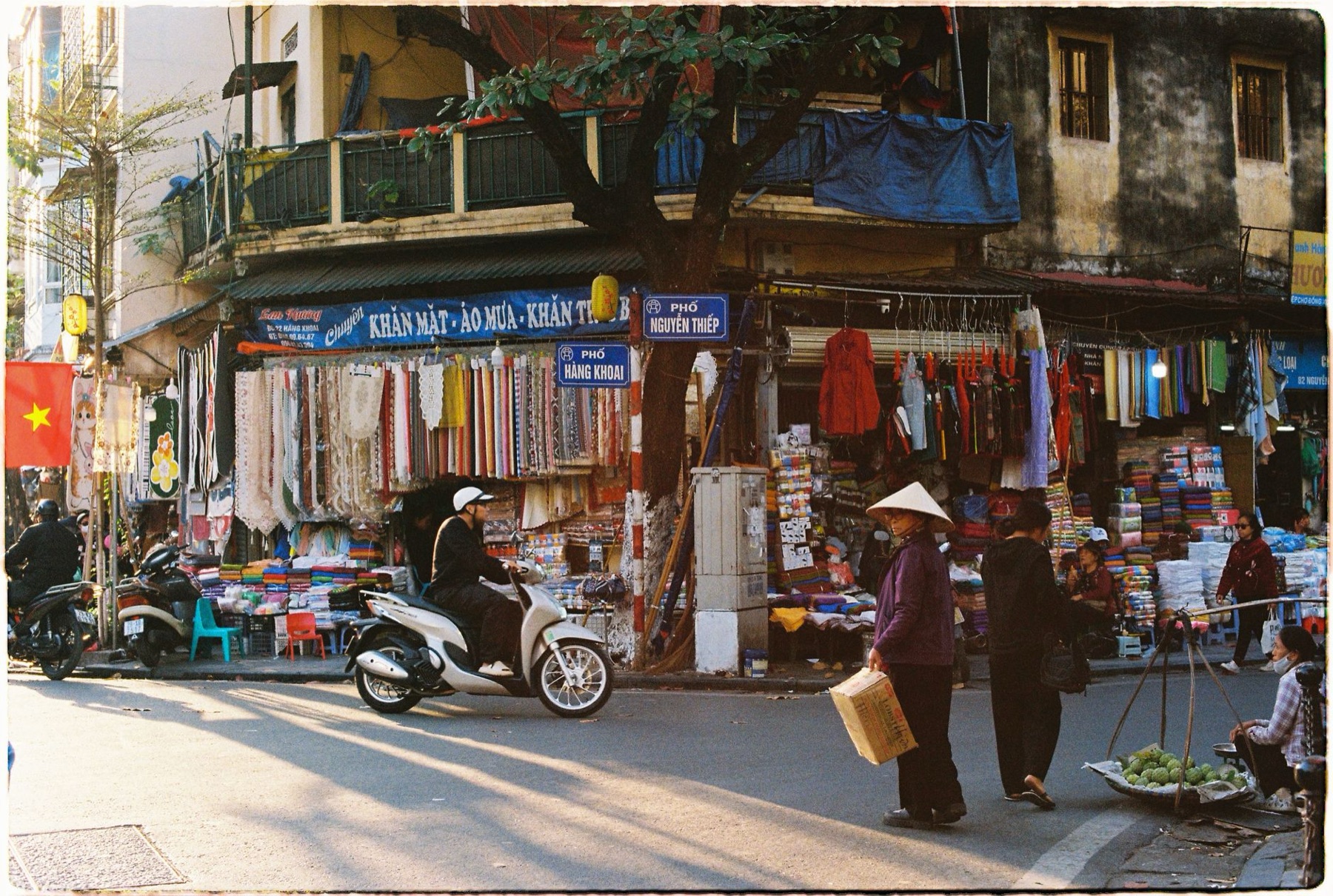
Street vendors and market stalls serve the best, cheapest food in Hanoi. Markets like Dong Xuan (Old Quarter), Hang Da (near French Quarter), and Bat Trang Market open by 5–6 a.m. and quiet by 9–10 a.m. Stalls cluster in alleys: pho along Ly Quoc Su, bun cha near Hang Manh, banh mi at corners of Tran Hung Dao. Sit-down pho restaurants (often no sign, just a few plastic chairs) cost roughly the same but offer comfort. Avoid restaurants on Hanoi Street, Ta Hien, or any thoroughfare with English menus and photos outside—prices triple, quality drops. Eat where you see queues of workers or families; that's your radar for authenticity.
🗺️ Plan your route: Vietnam itinerary
What Are Hanoi's Must-Try Dishes & How Much Do They Cost?
Pho (Beef or Chicken Noodle Soup) A bowl of pho bo (beef) or pho ga (chicken) costs around 40,000–60,000 VND ($1.60–$2.40) at street stalls, up to 120,000 VND ($4.80) at a sit-down shop. Eat it early (6–10 a.m.); vendors sell out. The best pho comes from long-simmered broth (often a family recipe kept for decades). Avoid pho in touristy areas or near Hoan Kiem Lake; it's usually watered-down and twice the price.
Bun Cha (Grilled Pork with Vermicelli) Grilled pork patties served with rice vermicelli, fresh herbs, and fish sauce dip. Around 50,000–80,000 VND ($2–$3.20). Eat for lunch (11 a.m.–2 p.m.) when the grills are hottest. Best stalls cluster near Hang Manh or in alleys off Ly Quoc Su. Order with a cha cua (crab cake) side; total for two people under 150,000 VND ($6).
Egg Coffee (Cà Phê Trứng) A Hanoian invention: strong black coffee topped with a creamy, sweet foam made from egg yolk, condensed milk, and sometimes butter. Around 35,000–50,000 VND ($1.40–$2). Drink at Old Quarter cafes (Giang, Dinh, Huong Sen) early morning or mid-afternoon when it's quiet. Avoid the famous ones on Ta Hien—pay triple for the same drink.
Banh Mi (Vietnamese Sandwich) Crispy baguette with pâté, ham, pickled vegetables, cilantro, and mayo. Around 25,000–40,000 VND ($1–$1.60) from a cart or stall. Eat for breakfast or lunch. The best versions come from vendors who make fresh pâté daily (ask for "banh mi pate" with a pointing gesture if language is a barrier).
Fresh Spring Rolls (Nem Cuon) & Fried Spring Rolls (Nem Ran) Nem cuon (uncooked, with shrimp and herb) costs around 20,000–30,000 VND ($0.80–$1.20) per 2–3 rolls. Nem ran (fried, often with pork) similar price. Eat for lunch or as a snack. Quality varies wildly; eat at places with a queue.
Hanoi Special Dishes
| Dish | Where to find it | Rough cost VND | Why it works |
|---|---|---|---|
| Pho | Ly Quoc Su alley, early morning | 40,000–60,000 | Broth depth, local crowds |
| Bun Cha | Hang Manh side streets | 50,000–80,000 | Charred meat, fresh herbs |
| Egg Coffee | Old Quarter cafes, morning | 35,000–50,000 | Unique texture, Hanoi-born |
| Banh Mi | Street carts, breakfast | 25,000–40,000 | Quick, filling, everywhere |
| Cha Ca (Fish Cake Noodles) | Cha Ca Street itself | 80,000–120,000 | Turmeric broth, one-dish specialty |
| Com Tam (Broken Rice) | Lunch stalls, midday | 30,000–50,000 | Crispy bottom layer, cheap |
Which Markets Give You the Best Food Experience?
Dong Xuan Market (Old Quarter) Open 5 a.m.–noon daily. Three floors: ground floor is wet market (vegetables, meat, fish); second floor has prepared foods, cooked dishes, and ready-to-eat stands. Arrive by 7 a.m. to see the rush and find the best stalls. Expect crowds; keep bags close and stay alert for pickpockets. Food costs 30,000–60,000 VND ($1.20–$2.40) per item.
Hang Da Market (Near French Quarter) Open 5:30 a.m.–7 p.m. daily. Smaller, less touristy than Dong Xuan. Better for cooked dishes: banh mi stalls, pho vendors, com tam (broken rice) with grilled pork, and fresh juice carts. Eat standing up at counters. Same price range, calmer vibe, fewer pickpockets.
Bat Trang Market (Bat Trang Ward) Famous for ceramics, but the food section (east side, near the road) is a hidden gem. Fresh vegetables, meat, and a few cooked-food vendors. Open 5 a.m.–9 a.m. Quieter than Dong Xuan and a short taxi ride from Old Quarter (around 40,000 VND / $1.60). Worth visiting if you're interested in ceramics too.
🎟️ Compare tours & tickets for this place
What Street Food Scams Should You Watch For?
Fake "Local Guides" Steering You to Overpriced Stalls A friendly person approaches, claims to take you to "real pho" or "secret bun cha," then walks you to a small shop that overcharges 2–3 times normal price. Avoid this: eat where you see long queues of Vietnamese people, not tourists. Walk into markets yourself.
Portion Swap or Price Confusion You order one bowl of pho; it arrives smaller than you saw others receive. Or you agree on a price verbally, then pay 2–3 times more. Solution: watch the vendor prepare your food, point to the bowl size you want, and confirm the price before eating. Carry small bills (20,000 VND notes) so there's less room for "change errors."
Juice or Smoothie Watering Down A fruit juice vendor tops up a half-full glass with water to make it look fuller. Order juice at busier stalls with visible fruit and a blender. Avoid one-person carts parked all day.
Old or Reheated Pho/Broth Pho that sat for hours tastes metallic or musty. Eat pho only 6–11 a.m. when it's fresh-made. If it smells off, leave and go to the next stall.
Paying Inflated "Foreigner Prices" Without Realizing You're quoted verbally or see a handwritten menu; the number is ambiguous (is it 50k or 500k?). Point to a local eating the same dish and ask their price. Or use Google Translate on your phone to show the vendor the price in English.
📸 Book an ao dai photoshoot in Hanoi or Saigon (Cáo Studio)
What Neighborhoods Have the Best Eats, and What Should You Skip?
Old Quarter (Hoan Kiem District) Heart of street food. Ly Quoc Su for pho, Hang Manh for bun cha, Ta Hien for chaos and tourists. Eat off the main alleys: side streets have cheaper, better food and fewer hassles. Avoid restaurants with big signs and English menus on Ta Hien, Luong Ngoc Quyen, or Hanoi Street.
Tay Ho (West Lake) Quieter, more spacious, middle-class vibe. Better for banh mi, com tam, and egg coffee cafes. Restaurants here are pricier but less touristy than Old Quarter. Good if you want a meal without elbowing past vendors.
French Quarter (Hoan Kiem) Mix of old colonial buildings, modern cafes, and tourists. Food prices higher. Some genuine pho shops here (stalls near Ta Hien intersection at ground level), but you pay 30% more. Skip the rooftop bars and tourist restaurants; eat at ground-level stalls instead.
Long Bien District (Red River, Industrial) Where many Hanoians eat. Fewer tourists, authentic prices, excellent com tam and bun cha. Requires motorbike or longer taxi ride. Skip unless you have local guidance.
What's Overrated, and What Should You Actually Eat?
Overrated: Rooftop bars with "craft cocktails" Tourist prices (200,000–400,000 VND / $8–$16 per drink), mediocre execution, views of traffic. Skip. Hanoi's best drinks are cheap coffee or beer at ground-level cafes or bia hoi (fresh beer) stands.
Overrated: Fancy pho restaurants in hotels Pho costs 200,000+ VND ($8+) for a bowl that tastes like every other bowl. Street pho for 50,000 VND tastes identical. Skip the hype, eat at stalls.
Actually underrated: Cha Ca (turmeric fish noodles) A one-dish restaurant on Cha Ca Street (Old Quarter) sells only cha ca—turmeric-marinated fish, noodles, and peanut sauce in a bubbling pan. Around 100,000–120,000 VND ($4–$5) for one large serving. Easy to miss because it's a single, small storefront. Order "cha ca" and eat alongside locals.
Actually underrated: Com tam (broken rice) stalls Rice grains broken during milling; when cooked, the bottom layer crisps up. Served with grilled meat, an omelet, and pickled vegetables. Around 30,000–50,000 VND ($1.20–$2). Filling, delicious, overlooked by tourists. Lunch stalls serve it 11 a.m.–2 p.m.
Actually underrated: Banh cuon (steamed pork roll) Thin steamed rice sheet filled with minced pork, mushroom, and onion. Folded and dipped in fish sauce. Around 15,000–25,000 VND ($0.60–$1) for 2–3 rolls. Soft, delicate, rarely mentioned by guidebooks. Eat for breakfast.
How to Eat Affordably Without Sacrificing Quality
Eat when locals eat: Breakfast (6–8 a.m.), lunch (11 a.m.–1 p.m.), early dinner (5–6 p.m.). Outside these windows, food is picked over or reheated.
Order one dish per person, share: A large pho or bun cha feeds two. Order one, add a side (nem, banh mi), split, pay 80,000–100,000 VND total ($3.20–$4) per person.
Follow queues, not maps: The best stall for any dish has a line. Use Google Maps to find the neighborhood (Old Quarter, Hang Da Market), then walk until you find people waiting.
Carry small cash (10k, 20k VND notes): Vendors often claim they're out of change or round up. Small bills eliminate confusion.
Speak in numbers, not words: Point, count on your fingers, show your phone. Language barrier is easy to solve with gestures and a calculator app.
Eat at the vendor's counter, not a nearby restaurant: A table setting up nearby may overcharge you. Eat standing or sitting at the stall itself.
What to Check Before You Buy
- Is the broth or sauce hot? Cold or lukewarm soup = old batch.
- Can you see fresh herbs? Wilted or brown basil/cilantro = not fresh that morning.
- Are there locals eating? If only tourists or empty chairs, walk past.
- What's the price per item, not per set? Confirm before eating, show your phone translator.
- Is there a visible queue forming? Queue = freshly made batch, quality control.
---
FAQ
Q: Is street food in Hanoi safe to eat? A: Yes, if you follow the queue rule. Busy stalls have high turnover, so food is fresh and cooked properly. Avoid food sitting in open bins or exposed to flies for hours. Stick to cooked dishes (pho, bun cha, banh mi) over raw (fresh spring rolls) if you have a sensitive stomach.
Q: What's the cheapest meal in Hanoi? A: A bowl of pho or a banh mi is around 40,000–50,000 VND ($1.60–$2). A com tam (broken rice) plate with meat costs 30,000–40,000 VND ($1.20–$1.60). Cheapest single item: a banh mi at 25,000 VND ($1).
Q: Can I eat vegetarian in Hanoi? A: Yes. Pho chay (vegetable pho), banh mi chay (vegan sandwich), and com chay (vegetable rice) are available at many stalls. Old Quarter has dedicated vegetarian restaurants. Markets sell fresh vegetables and tofu. However, fish sauce is in almost everything; truly vegan eating requires asking and checking.
Q: What time should I eat breakfast in Hanoi? A: 6–8 a.m. is ideal. Pho vendors close by 10 a.m., banh mi stalls by 9 a.m. Egg coffee cafes stay open until mid-morning. Eat early to find the freshest food and see local eating culture.
Q: How do I avoid getting overcharged at a market or stall? A: Watch the vendor prepare your food, point to portion sizes of other diners' bowls, confirm the price on your phone before eating, and pay in small notes. If the price feels wrong, eat elsewhere. There's always another stall 20 meters away.
Q: Is Hanoi's tap water safe to drink? A: No. Drink bottled water or boiled water at restaurants. Ice in drinks is usually made from tap water; request drinks without ice or drink from sealed bottles only.
Q: Are there English menus at food stalls? A: Almost never. Point, use Google Translate on your phone, or mimic eating motions. Most vendors in tourist areas recognize gestures from other visitors.
---
Planning Your Hanoi Food Trip?
Eating your way through Hanoi is best done on foot, early morning, and in alleys. If you're visiting for a day trip, focus on Old Quarter. If you have a week, branch out to Tay Ho, Long Bien, and surrounding villages. Pairing food exploration with a guided walking tour (ask locally) or a photography session (especially an ao dai photoshoot to wear while eating at markets) makes the experience richer.
For a full Hanoi itinerary beyond food, see our Hanoi guide. If you're planning Vietnam's wider regions, check our Vietnam itinerary planner. Visiting other cities? See our guides to Ho Chi Minh City, Hoi An, Ha Long Bay, Ninh Binh, and Sapa.
Traveling to Vietnam for the first time? Secure your Vietnam e-visa and eSIM for data connectivity before you arrive.
🗺️ Plan your route: Vietnam itinerary
FAQ
Is street food in Hanoi safe to eat?
Yes, if you follow the queue rule. Busy stalls have high turnover, so food is fresh and cooked properly. Avoid food sitting in open bins exposed to flies for hours. Stick to cooked dishes (pho, bun cha, banh mi) over raw if you have a sensitive stomach.
What's the cheapest meal in Hanoi?
A bowl of pho or banh mi costs around 40,000–50,000 VND ($1.60–$2). A com tam plate with meat is 30,000–40,000 VND ($1.20–$1.60). Cheapest single item: banh mi at 25,000 VND ($1).
Can I eat vegetarian in Hanoi?
Yes. Pho chay (vegetable pho), banh mi chay (vegan sandwich), and com chay (vegetable rice) are available at many stalls. Old Quarter has vegetarian restaurants. However, fish sauce is in almost everything; truly vegan eating requires checking.
What time should I eat breakfast in Hanoi?
6–8 a.m. is ideal. Pho vendors close by 10 a.m., banh mi stalls by 9 a.m. Egg coffee cafes stay open until mid-morning. Eat early for freshest food and local culture.
How do I avoid overcharging at markets or stalls?
Watch food preparation, point to other diners' portion sizes, confirm price on your phone before eating, and pay in small notes. If the price feels wrong, eat elsewhere; another stall is always 20 meters away.
Is Hanoi's tap water safe to drink?
No. Drink bottled water or boiled water at restaurants. Ice is usually from tap water; request drinks without ice or use sealed bottles only.
FAQ
Is street food in Hanoi safe to eat?
Yes, if you follow the queue rule. Busy stalls have high turnover, so food is fresh and cooked properly. Avoid food sitting in open bins exposed to flies for hours. Stick to cooked dishes (pho, bun cha, banh mi) over raw if you have a sensitive stomach.
What's the cheapest meal in Hanoi?
A bowl of pho or banh mi costs around 40,000–50,000 VND ($1.60–$2). A com tam plate with meat is 30,000–40,000 VND ($1.20–$1.60). Cheapest single item: banh mi at 25,000 VND ($1).
Can I eat vegetarian in Hanoi?
Yes. Pho chay (vegetable pho), banh mi chay (vegan sandwich), and com chay (vegetable rice) are available at many stalls. Old Quarter has vegetarian restaurants. However, fish sauce is in almost everything; truly vegan eating requires checking.
What time should I eat breakfast in Hanoi?
6–8 a.m. is ideal. Pho vendors close by 10 a.m., banh mi stalls by 9 a.m. Egg coffee cafes stay open until mid-morning. Eat early for freshest food and local culture.
How do I avoid overcharging at markets or stalls?
Watch food preparation, point to other diners' portion sizes, confirm price on your phone before eating, and pay in small notes. If the price feels wrong, eat elsewhere; another stall is always 20 meters away.
Is Hanoi's tap water safe to drink?
No. Drink bottled water or boiled water at restaurants. Ice is usually from tap water; request drinks without ice or use sealed bottles only.
More: Hanoi guide · What to eat in Hanoi