Hanoi · Food
What to Eat in Hanoi: Street Food, Markets & Real Dishes
By Wander in Vietnam editorial team · Hanoi, Vietnam
Hanoi's food identity is built on patience and repetition. A pho stall has served the same family recipe for 40 years; a bánh mì vendor shows up at 6 a.m. and leaves by 11 a.m. Visitors often eat where it's convenient. Locals eat where a grandmother cooks.
Where Should You Eat Phở in Hanoi?
Phở is rice noodles in beef broth simmered 12+ hours. In Hanoi, two styles compete: phở Hoan Kiem (lighter broth, grown in the north) and phở Saigon (sweeter, heavier spice). Start in the Old Quarter—head to Hang Ga Street around 6:30 a.m. and follow the stainless-steel pots. A bowl costs around 30,000–50,000 VND ($1.20–$2). Don't order spring rolls with phở (that's southern habit); ask for herbs and lime on the side and break them in yourself.
Pho Thin, Pho Bat Dan, and similar family-run spots have no English signs. Ask your hotel to write the street name in Vietnamese. Most close by midday. Afternoon phở exists but tastes rushed.
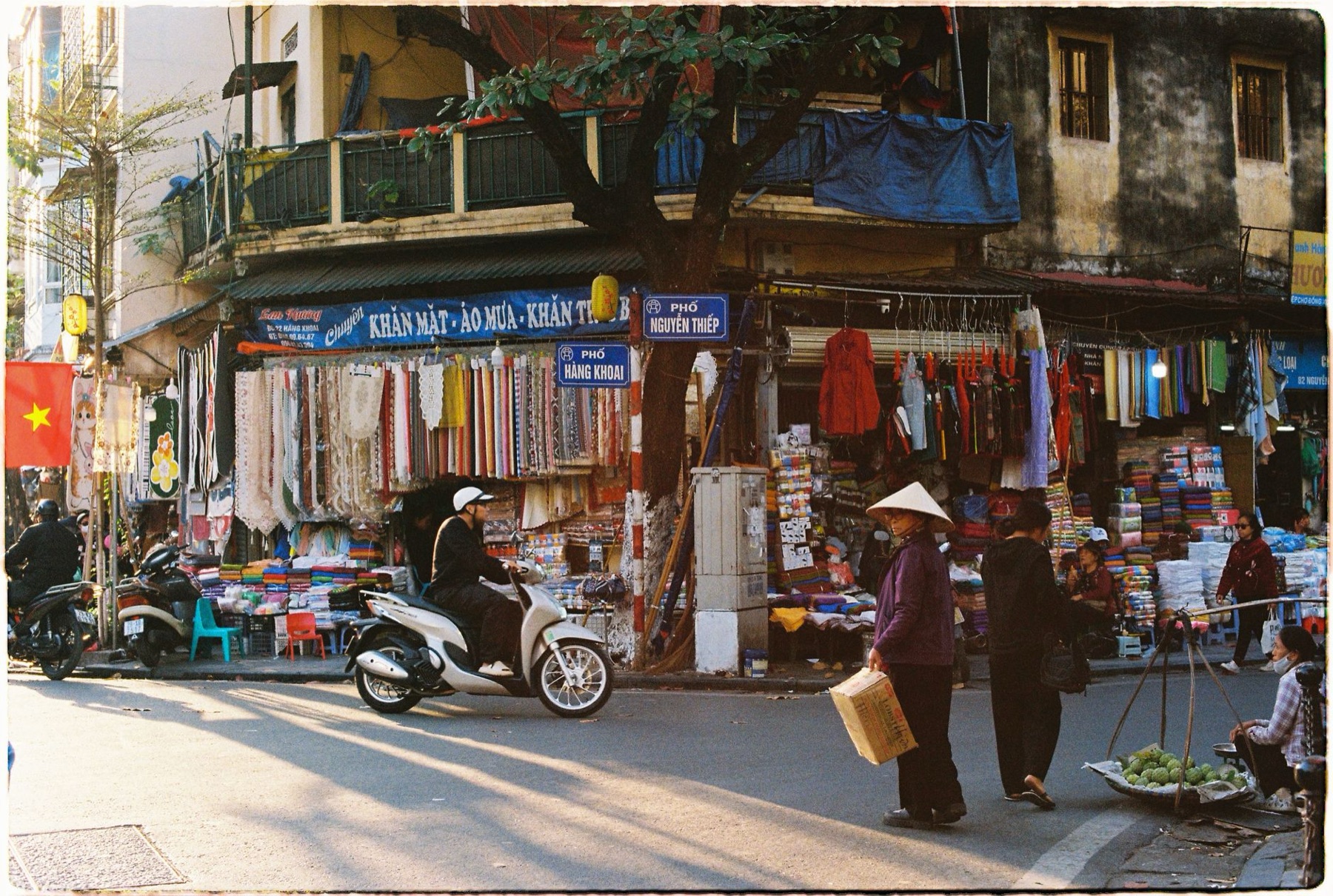
What Are Hanoi's Must-Try Street Foods Beyond Phở?
Bánh mì (Vietnamese banh mi sandwiches): crusty baguette, pâté, cold cuts, pickled carrot, fresh coriander, chilli, mayo. Found everywhere; around 15,000–25,000 VND ($0.60–$1). Best at breakfast from corner carts.
Bún chára (grilled pork, rice noodles): charcoal-grilled pork belly with dipping sauce. Speciality of Ba Dinh district. Around 40,000–60,000 VND ($1.60–$2.40).
Egg coffee (cà phê trứng): condensed milk, egg yolk, strong robusta. Born in Hanoi. Cau Go Street, Old Quarter. Around 25,000–35,000 VND ($1–$1.40). Sit down; it's slow.
Cha cá (turmeric fish): pan-fried white fish with turmeric, dill, rice noodles. Cha Ca La Ong Street (north of Hoan Kiem) is dedicated to this dish. Around 50,000–80,000 VND ($2–$3.20).
Bánh cuốn (steamed rice rolls): minced pork inside paper-thin steamed rolls, dipping fish sauce. Eaten warm at breakfast. Around 20,000–30,000 VND ($0.80–$1.20).
Com tam (broken rice): cracked jasmine rice with grilled pork, egg, tomato. Lunch staple. Around 25,000–40,000 VND ($1–$1.60).
Which Hanoi Markets Offer the Best Eating Experience?
Hang Be (west of Red River, Old Quarter): chaos. Vendors sell live crab, squid, shrimp. Raw seafood is grilled at back-alley stalls. Tables are plastic stools. Prices negotiated in Vietnamese; no menus. Dinner only. Go with Vietnamese speaker or accept paying 20% over local rate.
Dong Xuan (largest covered market, Old Quarter): ground floor = souvenirs (avoid); upper floors = produce, dried goods, cheap textiles. Food section small. Not a food market; skip for eating.
Bat Trang (ceramic village, across Red River, Gia Lam district): pottery by day, grilled fish (cá nướng) by evening on the riverbank. Around 60,000–100,000 VND ($2.40–$4) for whole grilled fish. Seasonal; best spring and autumn.
Hom Market (Hang Gai Street, Old Quarter): touristy, overpriced, but air-conditioned. Useful if it's 40°C and you're exhausted. Expect 2–3× street-stall prices.
---
| Market/Style | Best For | Time | Price (VND) | How to Avoid Overcharging |
|---|---|---|---|---|
| Hang Be | Live seafood, grilled stalls | Evening | 80k–150k | Speak Vietnamese; arrive with locals |
| Street phở stall | Quick, authentic breakfast | 6–11 a.m. | 30k–50k | No English signs = usually correct |
| Egg coffee (Cau Go) | Instagram + real drink | 7 a.m.–6 p.m. | 25k–35k | Fixed menu board; no negotiation |
| Cha ca (Cha Ca La Ong St) | Specialty dish, no choice | 11 a.m.–9 p.m. | 50k–80k | Order small first; dishes are huge |
| Bat Trang riverside | Grilled fish, sunset views | 5–10 p.m. | 60k–100k | Agree price before ordering |
---
What Scams Should You Watch for When Eating in Hanoi?
Menu switcheroo: Restaurant shows low-priced menu; brings you to upstairs "private room" with inflated menu. Solution: eat at street stalls or photo-menu places (point and order).
Surprise charges: Sitting at a table = charge for seating, tea, hot towels you didn't ask for. Read the table before sitting. Ask "Extra charge?" (Có tính tiền phụ không?) before ordering.
Fake eggs in egg coffee: Powdered egg or only egg white (no yolk). Order at busy, well-reviewed spots. Watch the barista; real egg coffee takes 3–4 minutes to whip.
Seafood by weight: You order crab; they bring massive one, weigh it after cooking, triple your expected bill. Ask for small/medium (nhỏ/vừa) and agree price in advance. Or avoid Hang Be if budget is tight.
Tourist-priced bánh mì: Corner cart in Old Quarter charges 50,000 VND where locals pay 15,000. Always have Vietnamese ask price or pay upfront.
---
🗺️ Plan your route: Vietnam itinerary
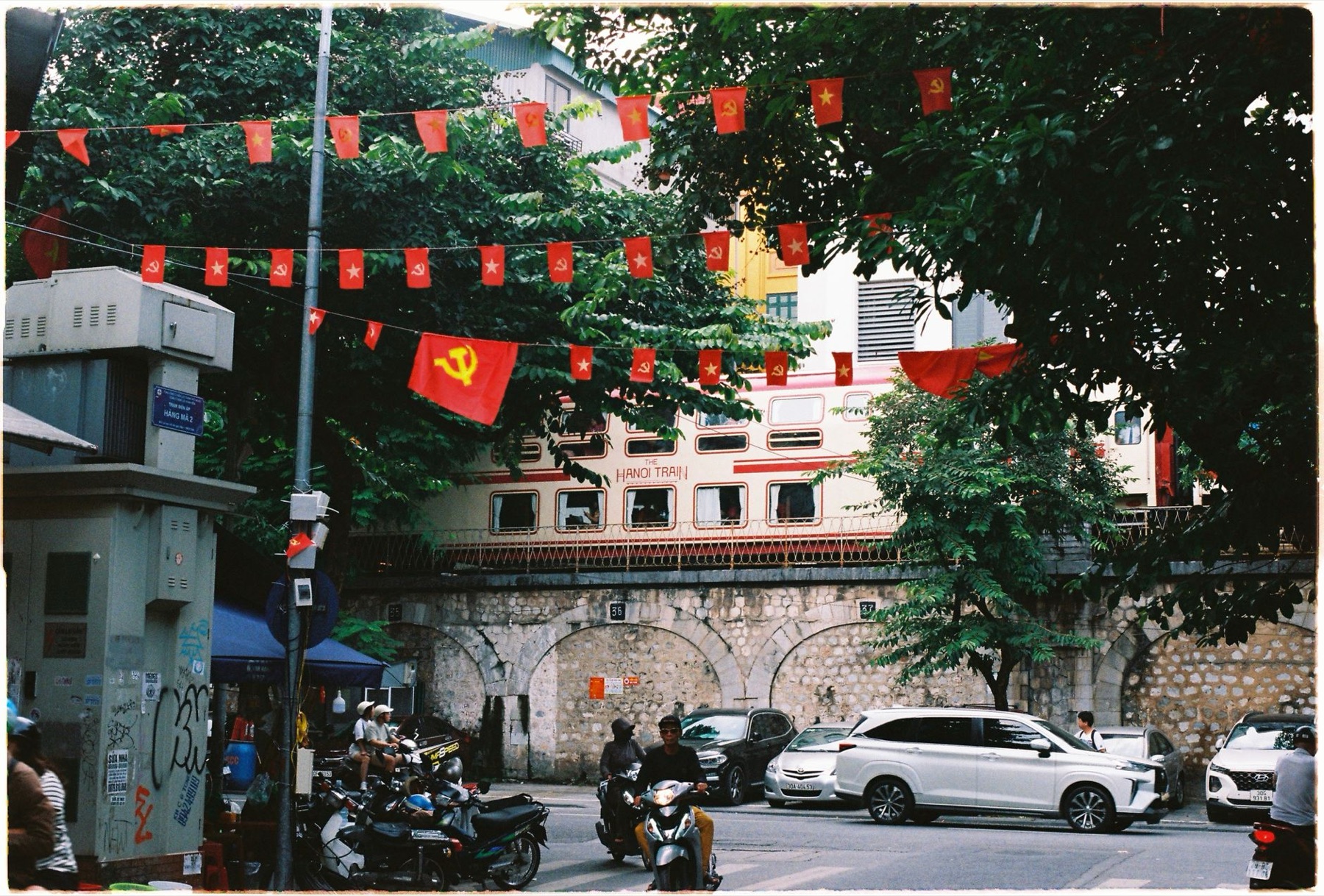
Best Neighborhoods for Food: Where Locals Actually Eat
Old Quarter (Hoan Kiem district): chaos, crowded, but genuine. Phở, bánh mì, egg coffee, cha ca. Most street stalls here are over 20 years old. Downside: tour groups everywhere by 9 a.m.
Ba Dinh district: less touristy. Bún chả grills, com tam shops, rice-paper rolls. Quieter than Old Quarter. Requires walking or motorbike taxi (xe om). Around 15,000–30,000 VND ($0.60–$1.20) per ride.
Tay Ho (near West Lake): pricier. Both local and expat restaurants. Good if Old Quarter overwhelms you. Costs 30–50% higher.
Hai Ba Trung district (southeast): residential. Few tourists. Authentic local eating; minimal English. Dinner only for foreigners; breakfast is rushed local crowd.
Walk Hang Ga, Hang Buom, and Cau Go streets at 6:30 a.m. You will see 20 phở pots. Pick the one with the longest line of construction workers. Eat there.
---
What Time Should You Eat in Hanoi?
6–11 a.m.: Phở, bánh mì, egg coffee, steamed rice rolls. Street stalls are fresh and busy. Sit down or grab to-go.
11 a.m.–2 p.m.: Lunch rush. Many stalls close at 2 p.m. Cha ca, bún chả, com tam at full swing.
3–5 p.m.: Dead zone. Most kitchens shut. Convenience stores and cafés only.
5 p.m.–late: Dinner. Night markets open. Grilled seafood. Restaurants fill. Street stalls reset for evening crowd.
Midnight–5 a.m.: Night-shift workers eating phở and bánh cuón. Tourists rarely here. Authentic but challenging if tired.
Plan meals around stall hours, not your hunger. If you miss 11 a.m., you miss bún chára today.
---
📸 Book an ao dai photoshoot in Hanoi or Saigon (Cáo Studio)
Beginner's Honest Checklist: Don't Arrive Unprepared
- Learn 5 dish names in Vietnamese (or photos on phone). Pointing works; knowing names speeds service.
- Carry cash (small bills; many stalls don't have change). ATMs charge around 20,000–22,000 VND per withdrawal.
- Eat where locals eat, not tourists. If English menu exists, price is 2–3× higher.
- Ask for mild chilli (không cay) if unaccustomed. Vietnamese chilli is serious.
- Breakfast before 10 a.m. Most dishes vanish by midday.
- Go to Hang Be with Vietnamese friend or budget extra 50% for overcharging. Solo travellers pay premium.
- Avoid peeled fruit from street vendors (hygiene unclear). Eat sealed items or whole fruit you peel yourself.
---
Before You Order: Real Expectations
Street stall phở: Crowded plastic stools, no napkins, broth splashes on clothes. Is it romantic? No. Is it honest and delicious? Yes.
Egg coffee at Cau Go: 10–15-minute wait. Sit on low plastic chair. Drink slowly (it's rich). Photo-heavy, but worth it once.
Hang Be market: Loud, smelly, unfiltered. Not Instagram-worthy unless you love chaos and raw seafood. Go if curious; skip if sensitive to crowds.
Private restaurant with air-con: Safer, cleaner, pricier, slower. Less memorable but less risky.
Hanoi food is a transaction with history. Every stall owner learned from their parent. Speed, turnover, and repetition beat presentation. Eat fast, pay cash, move on.
---
🎟️ Compare tours & tickets for this place
Why Hanoi's Food Works (And Why You'll Remember It)
No fusion, no "elevated" street food, no Instagram plating. Hanoi cooks what works. Phở tastes the same as it did in 1975. That's not laziness; that's respect for customers who've ordered the same bowl for 30 years.
Visitors from Ho Chi Minh City, Hoi An, and Sapa notice Hanoi food is heavier, less sweet, less adventurous in spice. That's regional truth, not restaurant failure. Expect beef and pork, minimal seafood outside Hang Be, fewer vegetarian options than southern Vietnam.
For a full picture of Hanoi beyond food, see our Hanoi travel guide. If planning a multi-city trip, use the Vietnam itinerary planner to balance Hanoi's eating rhythm with visits to Ha Long Bay, Ninh Binh, and coastal towns.
Staying connected while hunting street food? Grab a Vietnam eSIM so you can access Google Maps, text your hotel, or call a motorbike taxi without losing data.
---
What to Check Before You Eat
- Hygiene standard of the stall: Are hands washed? Is water clear? Are utensils wiped? If not, move on.
- Crowd presence: Empty stall at breakfast = red flag. Full stall = good sign.
- Ingredient freshness: Watch the pot. Fresh broth should steam continuously. Murky or grey-ish = old.
- Price display: Laminated menu or chalkboard price? Fixed. Negotiated on the spot? You may overpay.
- Toilet access: Street stalls rarely have restrooms. Know where the nearest café or hotel toilet is.
---
FAQ
Is it safe to eat street food in Hanoi in 2026?
Yes, if you choose busy stalls and watch hygiene. Millions of Hanoians eat street food daily without issue. Risk isn't food poisoning; it's overpaying. Eat where locals queue, not where hawkers call "Hello friend." Bring hand sanitiser if anxious.
How much should I budget for food per day in Hanoi?
Budget around 150,000–300,000 VND ($6–$12) daily if eating street food only; 500,000–800,000 VND ($20–$32) for casual restaurant meals; 1,000,000+ VND ($40+) for expat-oriented or tourist restaurants. Street food offers best value and flavour.
What's the difference between Hanoi phở and Ho Chi Minh City phở?
Hanoi phở has clearer, lighter broth from 12+ hours simmering beef bones; Ho Chi Minh City phở is sweeter (added sugar), heavier, and includes seafood. Hanoi style is minimalist; Saigon style is maximalist. Both are correct regionally.
Can I eat vegetarian in Hanoi?
Yes, but it's harder than southern Vietnam. Look for "cơm chay" (vegetarian rice), bánh mì chay (vegetarian sandwich, rare), or phở without meat (order phở rau with vegetable broth). Most family stalls are meat-focused. Buddhist restaurants in Ba Dinh district are safer bets.
Do I need Vietnamese language skills to eat well in Hanoi?
No. Point at other diners' plates, use phone photos, or eat at stalls with visual menus. Knowing 5 words (phở, bánh mì, not spicy, thank you) helps. English speakers are rare at street level; that's where authenticity lives. Go with it.
What's the best gift to bring home from Hanoi's food scene?
Dried coffee beans (robusta from north-central highlands), roasted sesame seeds (from markets), or packaged rice paper for rolling at home. Avoid fresh herbs or perishables. Coffee and seeds last months. Check airline carry-on rules for powders.
FAQ
Is it safe to eat street food in Hanoi in 2026?
Yes, if you choose busy stalls and watch hygiene. Millions of Hanoians eat street food daily without issue. Risk isn't food poisoning; it's overpaying. Eat where locals queue, not where hawkers call "Hello friend." Bring hand sanitiser if anxious.
How much should I budget for food per day in Hanoi?
Budget around 150,000–300,000 VND ($6–$12) daily if eating street food only; 500,000–800,000 VND ($20–$32) for casual restaurant meals; 1,000,000+ VND ($40+) for expat-oriented or tourist restaurants. Street food offers best value and flavour.
What's the difference between Hanoi phở and Ho Chi Minh City phở?
Hanoi phở has clearer, lighter broth from 12+ hours simmering beef bones; Ho Chi Minh City phở is sweeter (added sugar), heavier, and includes seafood. Hanoi style is minimalist; Saigon style is maximalist. Both are correct regionally.
Can I eat vegetarian in Hanoi?
Yes, but it's harder than southern Vietnam. Look for "cơm chay" (vegetarian rice), bánh mì chay (vegetarian sandwich, rare), or phở without meat (order phở rau with vegetable broth). Most family stalls are meat-focused. Buddhist restaurants in Ba Dinh district are safer bets.
Do I need Vietnamese language skills to eat well in Hanoi?
No. Point at other diners' plates, use phone photos, or eat at stalls with visual menus. Knowing 5 words (phở, bánh mì, not spicy, thank you) helps. English speakers are rare at street level; that's where authenticity lives. Go with it.
What's the best gift to bring home from Hanoi's food scene?
Dried coffee beans (robusta from north-central highlands), roasted sesame seeds (from markets), or packaged rice paper for rolling at home. Avoid fresh herbs or perishables. Coffee and seeds last months. Check airline carry-on rules for powders.
More: Hanoi guide · What to eat in Hanoi